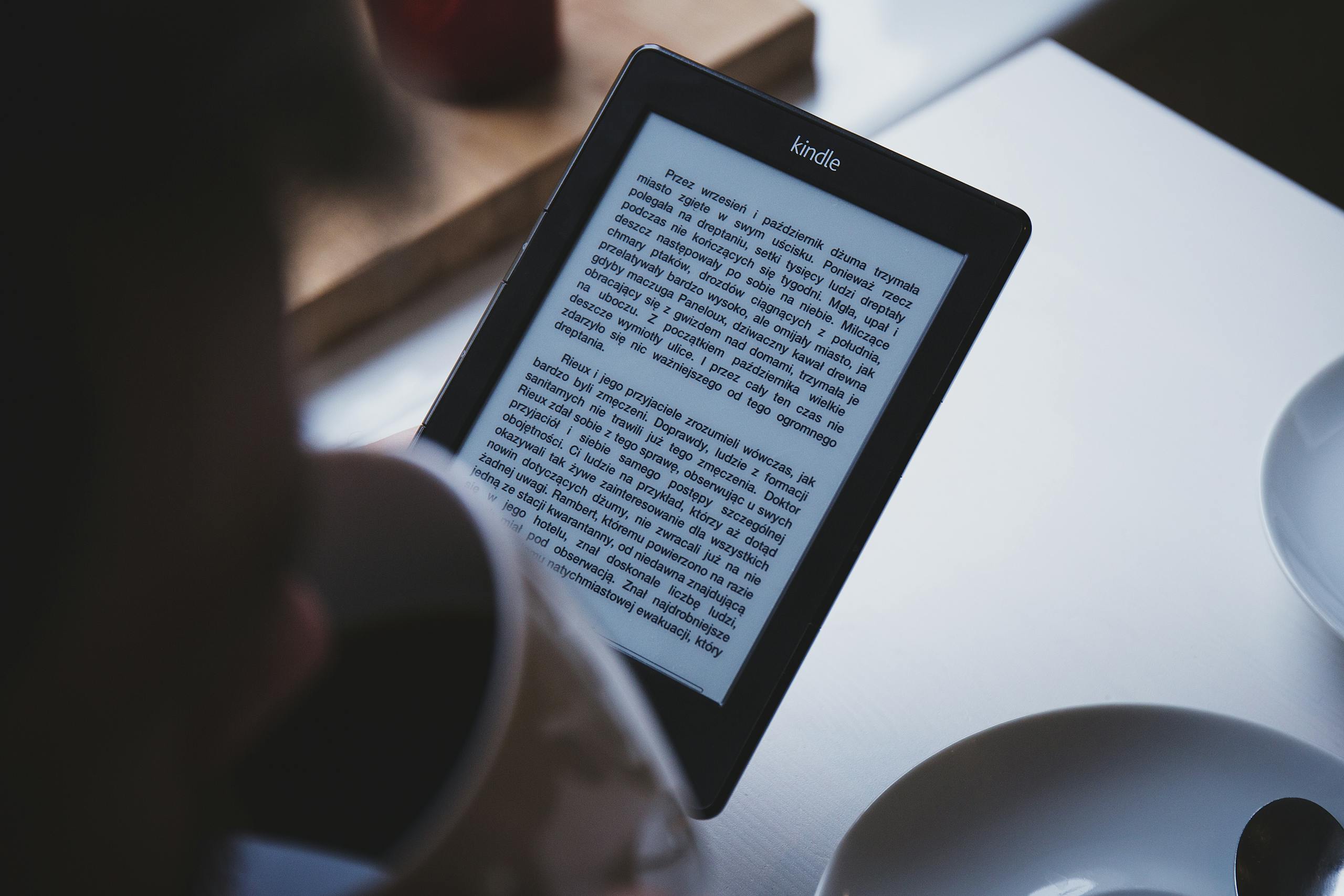

I’ve been staring at my bedside table for the past ten minutes. On one side sits my Kindle Paperwhite, slim and unassuming, its black screen reflecting nothing. On the other side is a chunky thriller called “She Didn’t See It Coming,” its cover bent slightly from being shoved into my bag last week. This isn’t a new dilemma for me. It’s one I’ve been navigating for roughly a decade now, ever since I bought my first Kindle and convinced myself it would completely replace physical books.
Spoiler: that never happened.
As someone who reads 20 to 30 books a year and has been through four different Kindle Paperwhites, I’ve had plenty of time to figure out what actually works for an introverted reader. And here’s what I’ve learned: you don’t have to pick a side. The real question isn’t Kindle or physical books. It’s understanding when each format serves you better.

Why This Debate Matters More for Introverts
Before I dive into the practical stuff, let me be honest about why this choice feels particularly important if you’re an introvert. Reading isn’t just a hobby for us. It’s how we recharge. It’s our primary way of learning, exploring ideas, and processing the world when socializing has drained us dry.
What’s your personality type?
Take our free 40-question assessment and get a detailed personality profile with dimension breakdowns, context analysis, and personalised insights.
Discover Your Type8-12 minutes · 40 questions · Free
The format we choose affects more than just convenience. It shapes our entire reading experience, from how present we feel with a book to whether we’ll actually pick it up when we’re exhausted after a day of meetings and forced small talk.
I used to think this was overthinking it. Just read the damn book, right? But after years of noticing patterns in when I reached for the Kindle versus when I grabbed a physical book, I realized the format genuinely matters. And ignoring that was costing me reading time I couldn’t afford to lose.
| Dimension | Kindle | Physical Books |
|---|---|---|
| Default Reading Choice | Primary device reached for most reading occasions due to reduced friction and logistics | Selected intentionally for books that matter most, creating presence and permanence |
| Reading Comprehension | No measurable comprehension gap for fiction reading like thrillers and novels | Better comprehension for complex nonfiction based on meta-analysis of 170,000 participants |
| Energy Management for Introverts | Removes friction from reading when exhausted after social interaction and meetings | Creates atmospheric experience but requires more deliberate energy commitment |
| Portability | Carries entire library in one hand, always accessible and charged on coffee table | Limited to single book, requires deliberate choice and physical transport |
| Memory and Recall | Digital files lack permanence and atmospheric markers for memorable reading experiences | Physical presence creates lasting memory through tactile and spatial associations |
| Best Genre Match | Ideal for psychological thrillers and crime novels consumed for entertainment | Better suited for psychology, introversion, and business books requiring deep retention |
| Practical Limitations | Screen reading affects comprehension for complex material, though minimal for fiction | Less convenient for casual reading when managing limited daily energy reserves |
| Intentional Reading Strategy | Workhorse format for routine reading without overthinking logistics or format choice | Complementary tool selected deliberately when books deserve atmospheric and permanent presence |
| Emotional Relationship | Practical tool valued for functionality rather than romantic or nostalgic attachment | Still matters beyond nostalgia for practical reasons tied to comprehension and presence |
My Decade-Long Testing Ground
Let me give you some context. I’m not ploughing through a book a week, but I’m not a casual reader either. My reading habits have stayed pretty consistent: some months I read nothing, other months I inhale two or three books. My genres tend to swing between psychological thrillers and crime novels, psychology and introversion books, and the occasional business or money book when I’m in “optimize my life” mode.
Physical books were there from childhood, obviously. But Kindle came much later. I’ve been using some version of the Kindle Paperwhite for roughly ten years now, upgrading through a few generations along the way. What started as curiosity about carrying an entire library in one hand has evolved into something more nuanced: a genuine appreciation for what each format does well.
And I’ve made every mistake you can make in this process. I’ve bought the same Kindle book twice because I forgot I already owned it. I’ve lugged hardbacks on trips when the Kindle was sitting right there. I’ve let books pile up on my nightstand until they became a source of guilt rather than joy. Through all of that, I’ve figured out what actually matters.
What the Kindle Actually Gets Right
The Kindle has become my default reading device. And by default, I mean it’s what I reach for most often when I just want to read without thinking too much about the logistics.
The Portability Factor Is Real
I can throw my Kindle in any bag without a second thought. No bulk. No weight anxiety. No wondering if the book I’m carrying is too big or if the cover will get destroyed. For an introvert who often needs to escape into reading during lunch breaks or while waiting for meetings to start, this convenience is massive.
There’s something liberating about knowing I have access to my entire library regardless of where I am. It removes one more decision from my day, which matters more than it probably should when you’re already managing limited social energy.
The Built-In Light Changed Everything
This was the feature that made me upgrade to the Paperwhite specifically. Being able to read in bed without a lamp is perfect for night reading. The e-ink display gives you a soft, even glow that’s nothing like the harsh blue light from a phone or tablet.
As someone who uses reading as a wind-down routine after overstimulating days, this matters enormously. I can read without disturbing anyone, without needing to get up and turn off lights, without the eye strain that comes from backlit screens. It’s designed for the exact kind of quiet, contained reading that introverts crave.
Audible Syncing Actually Works
I’ll be honest: I’m not a massive audiobook person. But I love being able to switch between Kindle and audio and have it pick up exactly where I left off. Sometimes I’m reading in bed. Other times I’m driving or doing mindless tasks around the house. The ability to seamlessly switch formats without losing my place removes friction from the reading experience.
The Instant Gratification Element
See a recommendation, tap to buy, start reading. There’s no waiting for shipping, no trip to a bookstore, no wondering if they’ll have it in stock. According to market research, Amazon’s Kindle holds approximately 72% of the e-reader market share, largely due to this seamless purchasing experience and instant access to over 6 million digital books.
For someone who often gets reading recommendations late at night when the inspiration strikes, this immediacy keeps me reading instead of forgetting about the book by morning.

Where the Kindle Falls Short
But here’s where I need to be honest about the Kindle’s limitations. Because they’re real, and they’ve affected my reading in ways I didn’t expect.
I Forget What I’m Reading
This is the big one. You don’t see the cover constantly with a Kindle, so titles don’t stick in my head the same way physical books do. I’ll be reading a book for weeks, making progress, enjoying it. Then someone asks what I’m currently reading and I draw a complete blank.
The title exists somewhere in my brain, but without the physical cover as a constant visual reminder, it just doesn’t cement itself in memory. This sounds minor until you realize you can’t recommend books if you can’t remember their names. And for an introvert who often connects with people through shared reading interests, that’s frustrating.
The Duplicate Purchase Problem
More than once, I’ve gone to buy a Kindle book only to realize I’ve already bought it. And already read it. And completely forgotten about it. This happened with a thriller I’d enjoyed six months earlier. I clicked buy, got the “you already own this” message, and felt like an idiot.
Physical books don’t have this problem. You see them on your shelf. You remember owning them. With Kindle, everything disappears into a digital library that’s easy to lose track of.
It Doesn’t Exist in the Room
A big physical book sitting on your bedside table reminds you it’s there. It creates a subtle presence that nudges you to pick it up. A Kindle just blends into the tech pile: phone, tablet, e-reader, all the same. There’s no visual weight to it, no sense of “I should finish this.”
I didn’t realize how much I relied on that physical presence until it was gone. Sometimes you need the book to feel like it’s occupying space in your environment, creating a gentle pressure to engage with it.

Why Physical Books Still Matter
Despite the Kindle being my workhorse, I still read physical books regularly. And not just out of nostalgia or romantic ideas about paper. There are practical reasons why certain books deserve to exist in physical form.
The Cover Stays in Your Brain
When you’re handling a physical book multiple times a day, seeing the cover, feeling the texture, the title and author cement themselves in your memory. You’re constantly reinforcing that information through sensory input. For someone who struggles with the Kindle’s invisible library problem, this makes a huge difference.
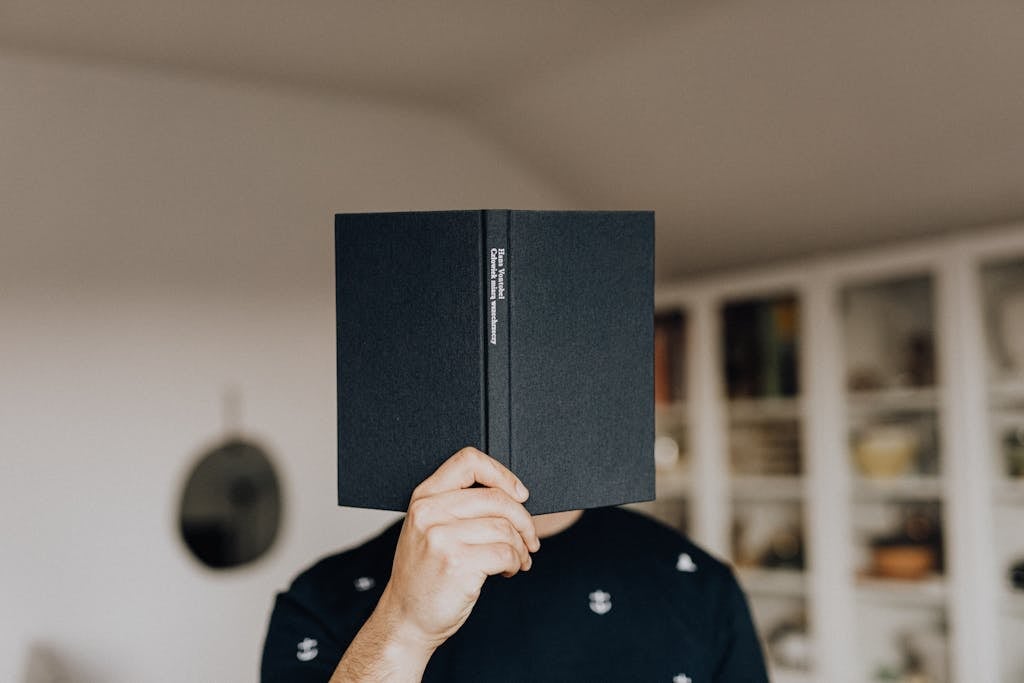
Right now I’m reading “She Didn’t See It Coming” as my bedtime book. I can tell you the author, describe the cover, remember where I bought it. That information stuck because the book exists as a physical object I interact with repeatedly.
The Sensory Experience Is Irreplaceable
I like the feel and smell of paper, especially paperbacks. I like the weight in my hands. I like the act of turning pages. These aren’t just aesthetic preferences. They’re part of the reading experience that helps my introverted brain fully engage with the content.
Research from neuroscientist Maryanne Wolf published in Scientific American found that there’s physicality in reading that affects how we process and retain information. The brain essentially treats text as a tangible part of the physical world, and the tactile feedback from turning pages creates an “index” in the brain that helps with memory and comprehension.
They Live in Your Space
A stack of books feels inspiring in a way an icon on a screen doesn’t. Books on a shelf create visual interest. They spark conversations when people visit. They remind you of what you’ve read and what you want to read next.
For an introvert whose home is their sanctuary, having books as physical objects in that space matters. They’re not just content to consume. They’re part of the environment that makes the space feel like yours.
But Let’s Talk About the Downsides
Physical books aren’t perfect either. That chunky thriller I’m reading right now? It’s awkward to hold in bed, especially as a large hardback. My arms notice the weight after 20 minutes. And when I travel, even one big book feels like lugging a brick around.
Then there’s the space issue. Books take up room. They create piles. They require shelves and organization. If you’re not careful, they become clutter that creates stress rather than joy. And for an introvert who values a calm, organized living space, that tension is real.
The Science Behind Reading Formats
Here’s where things get interesting. A 2018 meta-analysis by Pablo Delgado and colleagues, published in Educational Research Review, analyzed 54 studies involving over 170,000 participants and found that screen reading was consistently associated with lower reading comprehension scores compared to paper. The effect size was small but measurable, suggesting that how we read affects how well we understand and retain information.
However, the same research found no clear difference in reading comprehension when the genre was fiction. So if you’re like me and read primarily thrillers and novels on your Kindle, the comprehension gap might not apply. This explains why my Kindle works so well for everyday fiction reading while I still gravitate toward physical books for complex nonfiction or books I want to deeply absorb.
How I Actually Use Both Formats Now
After a decade of trial and error, here’s what I’ve landed on. It’s not revolutionary, but it works.
Kindle Is My Default
If I’m starting a new book and I don’t have strong feelings about owning it physically, it goes on the Kindle. This covers probably 60 to 70 percent of my reading. Thrillers I’ll read once. Business books I want to reference occasionally. Psychology books that are mostly about the information rather than the object itself.
The Kindle wins on practicality for everyday reading. It’s easier to reach for, which means I actually read more often. That matters more than any romantic notions about paper.
Physical Books Are for Special Cases
But certain books earn physical form. Stories I really want to savor. Authors I love enough to keep on a shelf. Books I think I might want to lend to someone or revisit in a few years. Anything that feels like a “keeper.”
These are the books that create the visual landscape of my space. They’re fewer in number, which makes them more meaningful when I do choose them.
Context Matters Too
In public, I’m more likely to use the Kindle. It’s discreet, compact, and I don’t have to think about bending covers or damaging pages. At home, especially at night, I’ll happily rotate between both depending on mood.
Travel? Kindle wins every time. Long reading sessions on the couch? Probably physical. Quick reading before bed when I’m already exhausted? Kindle, because I can adjust the light without moving.

What Other Introverts Should Consider
If you’re trying to decide between Kindle and physical books, here’s what actually matters based on my decade of using both.
Think About Your Reading Patterns
Do you read in bed often? The Kindle’s built-in light becomes essential. Do you read on commutes or during lunch breaks? The Kindle’s portability wins. Do you primarily read at home in a comfortable chair? Physical books might serve you better.
Your actual reading habits matter more than theoretical preferences. I thought I’d love having a huge physical library, but in reality, I read in too many different locations for that to work.
Consider Your Memory and Organization
If you struggle to remember what you’ve read (like I do with the Kindle), physical books might help. But if you’re organized enough to maintain a reading list or use Goodreads consistently, the Kindle’s memory problem becomes less significant.
For me, the trade-off is worth it. The convenience of the Kindle outweighs the occasional “wait, have I read this?” moment. But that’s a personal calculation.
Factor in Your Living Situation
Do you have space for bookshelves? Do you move frequently? Do you value visual presence in your home? These practical questions affect the physical book decision more than most people want to admit.
I’ve learned to be selective about physical books precisely because I don’t have unlimited shelf space and I don’t want book clutter to become a source of stress.
Don’t Force an Either-Or
This is the most important thing I’ve learned: you don’t actually have to choose. The idea that you’re either a Kindle person or a physical book person is nonsense. You can be both, strategically, based on what serves each book best.
Some of my favorite reading experiences have come from using the exact right format for that specific book. A beach thriller on Kindle while traveling. A beautiful memoir in physical form to savor slowly. The format serves the content, not the other way around.
The Real Answer for Introverted Readers
After ten years of using both formats, here’s what I’d tell another introvert who’s deciding between them: get a Kindle as your main reading workhorse, and keep physical books for the ones that matter most to you.
Kindle wins on practicality. It removes friction from reading, which for introverts managing limited energy throughout the day, is invaluable. Physical books win on atmosphere and memory. They create presence and permanence that digital files can’t replicate.
The sweet spot isn’t choosing one over the other. It’s understanding what each format does well and using both intentionally. I’ve stopped feeling guilty about having both. Instead, I see them as complementary tools that serve different aspects of my reading life.
My Kindle sits on the coffee table, always charged, ready for whenever I have ten minutes to read. My physical books line one bookshelf, carefully curated, representing stories and ideas that earned the right to exist in my space. Both belong there. And that’s exactly how it should be.
Reading, regardless of format, remains one of the most restorative activities for introverts. Whether you’re turning physical pages or tapping a screen, what matters most is that you’re creating time for the solitude that reading provides and honoring your need to recharge in ways that work for your personality.
If you’re looking to enhance your reading environment further, consider how the right reading light can make nighttime reading more comfortable for both you and anyone sharing your space. And for capturing insights from what you read, a good journaling system designed for reflective personalities can help you remember and process books long after you’ve finished them.
This article is part of our Introvert Tools & Products Hub , explore the full guide here.
About the Author
Keith Lacy is an introvert who’s learned to embrace his true self later in life. With a background in marketing and a successful career in media and advertising, Keith has worked with some of the world’s biggest brands. As a senior leader in the industry, he has built a wealth of knowledge in marketing strategy. Now, he’s on a mission to educate both introverts and extroverts about the power of introversion and how understanding this personality trait can unlock new levels of productivity, self-awareness, and success.