

Living fully with shyness means understanding what it actually is, and what it isn’t. Shyness is a fear of negative social judgment, a nervous anticipation of how others will perceive you. It’s not the same as introversion, and it’s not a personality flaw you need to overcome before your real life can begin.
Plenty of shy people live rich, connected, deeply satisfying lives. Not by eliminating their shyness, but by learning to move alongside it with more honesty and less shame. That shift, from fighting who you are to working with it, changes everything.
If you’ve spent years believing shyness was holding you back from the life you wanted, this article is for you.
Shyness, introversion, and social anxiety all get tangled together in popular conversation, but they describe genuinely different experiences. Our Introversion vs Other Traits hub pulls apart those distinctions carefully, because getting the language right is the first step toward understanding yourself accurately. Shyness sits in a specific corner of that conversation, and it deserves its own honest examination.

What Is Shyness, Really?
Shyness is best understood as a heightened sensitivity to social evaluation. When you’re shy, entering a room full of strangers, speaking up in a meeting, or introducing yourself at a networking event triggers a particular kind of anxiety. You become acutely aware that others might be forming opinions about you, and that awareness creates hesitation, sometimes paralysis.
What’s your personality type?
Take our free 40-question assessment and get a detailed personality profile with dimension breakdowns, context analysis, and personalised insights.
Discover Your Type8-12 minutes · 40 questions · Free
What makes shyness distinct from introversion is the emotional texture of it. An introvert might skip the party because they’d rather spend a quiet evening reading and genuinely prefer that experience. A shy person might desperately want to go to the party but stay home because the fear of awkward interactions feels too heavy to carry. One is preference. The other is apprehension.
Of course, the two can coexist. Many introverts are also shy. Some extroverts are shy too, which surprises people who assume shyness and introversion are the same thing. An extrovert can crave social connection deeply and still feel gripped by self-consciousness when they walk into a crowded room. If you’ve ever wondered where you fall on that spectrum, the Introvert Extrovert Ambivert Omnivert Test can give you a clearer picture of your social orientation separate from shyness.
Shyness also exists on a spectrum. Some people experience mild social hesitation in specific situations, like public speaking or meeting authority figures. Others feel a pervasive undercurrent of self-consciousness in almost any social setting. Neither end of that spectrum makes you broken. Both ends respond to the same underlying approach: building a more honest, compassionate relationship with yourself.
Why Does Shyness Feel Like a Personal Failing?
Much of the shame around shyness comes from the cultural story we tell about confidence. We treat boldness as a baseline human virtue, the standard against which all other social styles are measured. If you’re not readily expressive, quick to introduce yourself, and comfortable holding a room’s attention, the message you receive, often from childhood onward, is that something needs fixing.
I absorbed that message early. Running an advertising agency meant constant client pitches, new business presentations, and rooms full of people who expected me to project certainty. As an INTJ, I wasn’t naturally shy, but I understood the pressure to perform extroversion. I watched colleagues who were genuinely shy tie themselves in knots trying to match an energy that wasn’t theirs. One account director I managed, a brilliant strategist, would physically brace herself before walking into client meetings. Her ideas were consistently the strongest in the room. But she’d spent so many years believing her hesitation was a weakness that she’d started to believe her ideas were weaker too. They weren’t. Her self-assessment had been poisoned by a cultural standard she never should have been measured against.
The conflation of shyness with weakness has real costs. When shy people internalize the idea that their hesitation is a character flaw rather than a temperamental trait, they often stop trusting their own perceptions. They second-guess contributions before making them. They shrink in situations where their perspective would genuinely matter. That’s not a personal failing. That’s the predictable result of years of misframing.
Some of what gets labeled shyness also has roots in high sensitivity. People who process social information deeply, who notice subtle cues, who feel the emotional weight of interactions more acutely, often appear shy when they’re actually just processing more carefully before responding. That’s not slowness. That’s depth. Research published in PubMed Central has explored the neurological underpinnings of behavioral inhibition, the tendency to pause and evaluate before acting in social situations, and found it’s a stable trait with genuine biological roots, not a habit you can simply choose your way out of.

How Does Shyness Differ from Social Anxiety?
This distinction matters enormously, and it gets blurred constantly. Shyness and social anxiety share some surface-level features, the hesitation, the self-consciousness, the discomfort in certain social situations. But they differ in intensity, persistence, and impact on daily functioning.
Shyness tends to be situational and manageable. A shy person might feel nervous before a presentation but deliver it competently. They might feel awkward at parties but enjoy dinner with close friends. The discomfort is real, but it doesn’t consistently prevent them from living the life they want.
Social anxiety disorder is a clinical condition. It involves persistent, intense fear of social situations, often accompanied by physical symptoms like racing heart, sweating, or nausea. The fear is disproportionate to the actual situation, and it significantly disrupts daily life, affecting work, relationships, and basic functioning. A study in PubMed Central examining social anxiety’s broader effects on wellbeing found that untreated social anxiety has measurable consequences across multiple life domains, something that distinguishes it clearly from ordinary shyness.
If your shyness has crossed into territory where it’s consistently preventing you from doing things you genuinely want to do, where avoidance has become your primary coping strategy, that’s worth exploring with a mental health professional. There’s no shame in that. Getting accurate support for what you’re actually experiencing is one of the most self-aware things you can do. Many introverts I know have found therapy enormously helpful, not to become extroverted, but to separate the fear from the preference so they could actually choose how they wanted to show up.
For those whose shyness sits in the more ordinary range, the path forward isn’t clinical treatment. It’s a shift in perspective, and a set of practical approaches that let you engage with the world more fully without requiring you to become someone else.
Can Shy People Be Extroverted?
Yes, and this surprises more people than it should. Extroversion describes where you get your energy, from external stimulation, social interaction, and engagement with the world around you. Shyness describes a fear of social judgment. Those are independent variables.
A shy extrovert craves social connection and feels energized by it, but still experiences anxiety about how they’re being perceived. They might desperately want to be at the party and feel miserable once they get there because the self-consciousness is so loud. That internal conflict, wanting connection and fearing judgment simultaneously, is its own particular kind of exhausting.
Understanding what it actually means to be extroverted helps clarify why shyness isn’t the opposite of extroversion. Extroversion is an orientation toward external stimulation. Shyness is an emotional response to perceived social evaluation. They operate on different axes entirely.
Some people sit in genuinely middle territory on the introversion-extroversion spectrum. If you’ve ever felt like you don’t fully fit either label, you might be an ambivert or an omnivert. Those distinctions are worth exploring, particularly if you’re trying to understand your social needs more clearly. The difference between an omnivert and an ambivert is more nuanced than most people realize, and it can help explain why your social energy seems to shift dramatically depending on context.

What Does Living Fully with Shyness Actually Look Like?
Living fully with shyness doesn’t mean eliminating it. It means building a life where your shyness is acknowledged, accommodated, and no longer running the show by default.
That looks different for everyone, but a few threads tend to run through it consistently.
Choosing Depth Over Volume
Shy people often do their best social work in smaller, more intimate settings. One-on-one conversations, small groups with shared interests, environments where the social script is clearer. Leaning into those settings isn’t avoidance. It’s playing to your actual strengths.
At my agency, I noticed that some of the shyest people on my team were the most effective relationship builders over time. They weren’t working the room at industry events, but they were the ones clients called when something went wrong, because those clients trusted them. They’d built something real in the smaller moments. That’s not a consolation prize. That’s a genuine competitive advantage in a world full of people who can work a room but can’t hold a relationship.
Psychology Today has written about the value of deeper conversations over surface-level social exchanges, noting that meaningful connection tends to come from conversations that go somewhere, not from volume of interactions. Shy people are often naturally oriented toward that kind of depth. That’s worth recognizing as a strength rather than treating it as a workaround for a deficit.
Separating Preparation from Avoidance
One of the most useful distinctions shy people can make is between preparing for a situation and avoiding it. Preparation looks like thinking through what you want to say before a difficult conversation, arriving early to a networking event so you can settle in before the crowd builds, or giving yourself permission to leave after an hour rather than committing to an open-ended evening. Avoidance looks like canceling, making excuses, and consistently choosing the comfortable option over the meaningful one.
Preparation is adaptive. It works with your temperament to help you show up. Avoidance narrows your world incrementally, and over time, it makes shyness feel more powerful than it actually is.
Early in my agency career, I had a team member who was intensely shy and absolutely exceptional at her work. She’d developed an elaborate system for preparing for client calls: notes on what she wanted to cover, a few personal details she’d remembered from the last conversation, a clear sense of what outcome she was working toward. Her clients thought she was the most attentive person they’d ever worked with. She was, but her attentiveness was also partly her way of managing the anxiety. She’d turned preparation into a tool rather than a crutch. That’s the difference.
Reframing the Internal Narrative
Much of what makes shyness difficult isn’t the social situation itself. It’s the story running in the background: everyone noticed that awkward pause, they think you’re strange, you said the wrong thing, you always say the wrong thing. That narrative is rarely accurate, and it’s almost never as visible to others as it feels to you.
Reframing isn’t about forcing positivity. It’s about accuracy. Most people at a social gathering are thinking about themselves, not evaluating you. Most awkward silences are forgotten by the other person within minutes. Most of the judgment you fear is a projection of your own self-criticism, not an accurate read of what others are actually thinking.
That said, reframing takes practice and often benefits from outside support. Whether that’s a therapist, a trusted friend who can give you honest feedback, or simply a journaling practice that helps you examine your assumptions, the internal narrative around shyness doesn’t change through willpower alone. It changes through repeated, gentle confrontation with evidence that contradicts it.
Does Shyness Change Over Time?
For many people, yes. Not because they stop being shy, but because they accumulate enough evidence that social situations can go well. Each conversation that doesn’t end in catastrophe, each presentation that lands, each relationship that deepens despite the initial awkwardness, all of that builds a more accurate internal model of what social engagement actually involves.
Age often helps. The self-consciousness that peaks in adolescence and early adulthood tends to soften as people develop a clearer sense of who they are and care less about external approval. That’s not a universal experience, but it’s a common one.
Context matters enormously too. Someone who seems extremely shy in one environment might be remarkably at ease in another. A person who freezes in large professional gatherings might be completely natural in a small creative workshop. Understanding your own patterns, where shyness flares and where it quiets, helps you make choices that let you show up more fully. If you’re curious whether your introversion itself runs deep or sits in a more moderate range, exploring the difference between being fairly introverted versus extremely introverted can add useful texture to your self-understanding.
I’ve watched this play out over two decades of managing creative teams. Some of the shyest people I hired in their twenties became the most assured voices in the room by their mid-thirties. Not because they’d conquered their shyness, but because they’d built enough of a track record that the fear of judgment had less purchase. They knew what they were capable of. That knowledge is its own kind of armor.

Shyness at Work: handling Professional Environments
Professional environments can be particularly challenging for shy people, not because shy people are less capable, but because so many workplace cultures reward visible confidence over demonstrated competence. Speaking up in meetings, pitching ideas, advocating for yourself in performance reviews, all of these feel higher-stakes when you’re already hyperaware of how you’re being perceived.
A few things tend to help. Written communication is often a shy person’s natural strength. Email, written proposals, and documented recommendations let you express yourself fully without the real-time pressure of social evaluation. Leaning into that isn’t a workaround. It’s using the medium that actually serves your communication style.
Building credibility through consistent, high-quality work also matters. When people know your track record, they extend more grace in social situations. The awkward pause before you answer a question reads differently from someone known for thoughtful, accurate responses than from someone whose work is an unknown quantity.
Finding allies in the workplace, people who will advocate for your ideas in rooms you’re not in, amplify your contributions, and give you honest feedback on how you’re being perceived, can make an enormous practical difference. Shy people are often excellent allies themselves, attentive, loyal, and genuinely invested in others’ success. Those qualities tend to generate reciprocal support when you’ve built the right relationships.
Some shy people find that certain career paths play to their strengths more naturally. Rasmussen University’s resource on marketing for introverts highlights how written communication, research-driven strategy, and deep client relationships can be genuine professional advantages, qualities that overlap significantly with what many shy people do well. The careers that reward depth, precision, and sustained attention tend to be good fits, not because they avoid social interaction, but because they value the kind of engagement shy people often excel at.
One more thing worth noting: shyness doesn’t preclude leadership. It shapes how leadership looks. I’ve seen shy leaders run extraordinarily effective teams by creating environments where their reports felt genuinely heard, where ideas were evaluated on merit rather than on how confidently they were delivered, and where depth of thinking was visibly valued. That’s not a lesser form of leadership. In many contexts, it’s a more effective one.
How Do You Know If You’re Shy, Introverted, or Both?
The honest answer is that many people are some combination of both, and the proportions vary. What’s worth examining is the emotional quality of your social experience. When you decline a social invitation, is it because you’d genuinely rather be alone and that sounds restorative? Or is it because the thought of going fills you with dread about how it might go wrong? The first is introversion. The second is shyness. Both can be true at the same time, but they call for different responses.
Some people who identify strongly as introverts are surprised to discover, through honest self-examination, that a meaningful portion of their social withdrawal is actually anxiety rather than preference. That’s not a comfortable realization, but it’s a useful one. If fear is driving more of your choices than preference, you have more room to work with than you might think.
Conversely, some people who’ve been told they’re shy their whole lives discover that they’re actually deeply introverted and have been feeling guilty about preferences that are entirely valid. They don’t need to push through their shyness. They need to stop apologizing for their introversion.
If you’re in that ambiguous middle ground, the Introverted Extrovert Quiz can help clarify where your social wiring actually sits. And if you’ve ever wondered about the specific distinction between how otroverts and ambiverts experience social situations, that’s another layer worth examining. The otrovert vs ambivert comparison gets into some of those nuances in useful detail.
What matters most isn’t landing on a perfect label. What matters is developing enough self-awareness to understand your actual experience, what you genuinely prefer, what you’re actually afraid of, and where those two things overlap or diverge. That clarity is what makes it possible to make choices that serve you rather than simply react to internal discomfort.
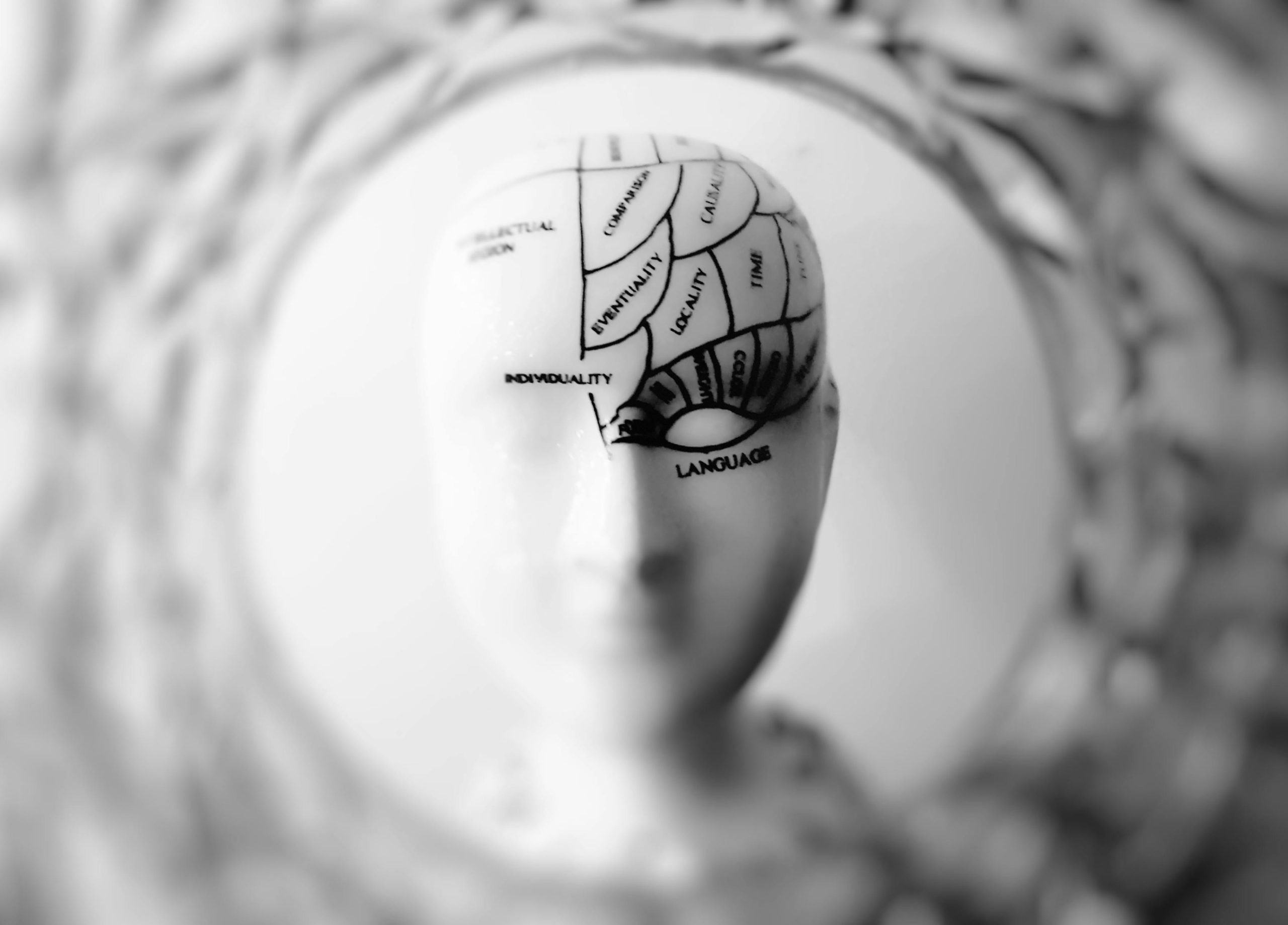
The Quiet Strength Inside Shyness
There’s something worth naming directly: shyness, for all the discomfort it carries, often comes packaged with genuine gifts. The hyperawareness of social dynamics that makes shy people anxious also makes them perceptive. They notice things others miss. They read rooms with unusual accuracy. They’re often acutely attuned to how others are feeling, which makes them thoughtful friends, careful communicators, and empathetic colleagues.
The careful, measured quality that can look like hesitation from the outside is often deep processing on the inside. Shy people tend to think before they speak, which means when they do speak, it’s usually worth hearing. In a culture that rewards whoever talks fastest and loudest, that quality gets undervalued. In environments that actually reward accuracy and thoughtfulness, it becomes a clear asset.
A finding from Frontiers in Psychology examining personality and social perception found that people who process social information more carefully often develop more nuanced and accurate social models over time. The very sensitivity that makes social situations feel more fraught can also produce a more refined understanding of human dynamics. That’s not a trivial thing.
None of this means shyness is always a strength or that the discomfort it causes isn’t real. It means that the traits bundled with shyness aren’t liabilities to be shed on the way to becoming someone more confident. They’re part of a whole person who has genuine value to offer, right now, without waiting to be fixed.
Living fully with shyness means accepting that the discomfort is part of the package, and that the package is worth something. It means choosing engagement over avoidance when it matters, building environments and relationships that work with your temperament, and releasing the idea that you need to perform a version of confidence you don’t actually feel before you’re allowed to take up space.
You’re allowed to take up space now. Shyness and all.
If you want to keep pulling at these threads, our full Introversion vs Other Traits hub covers the broader landscape of how introversion, shyness, sensitivity, and social style interact with each other. It’s a good place to go deeper on any of these distinctions.
About the Author
Keith Lacy is an introvert who’s learned to embrace his true self later in life. After 20 years in advertising and marketing leadership, including running agencies and managing Fortune 500 accounts, Keith now channels his experience into helping fellow introverts understand their strengths and build fulfilling careers. As an INTJ, he brings analytical depth and authentic perspective to every article, drawing from both professional expertise and personal growth.
Frequently Asked Questions
Is shyness the same as introversion?
No. Introversion describes where you get your energy, preferring quieter, less stimulating environments and recharging through solitude. Shyness is a fear of negative social evaluation, a nervousness about how others will perceive you. An introvert can be completely at ease in social situations while still preferring to spend time alone. A shy person might desperately want social connection but feel held back by anxiety about judgment. The two traits can coexist, but they’re independent of each other.
Can you be shy and extroverted at the same time?
Yes, and it’s more common than people realize. Extroversion describes a need for external stimulation and social engagement. Shyness describes anxiety about social judgment. A shy extrovert genuinely craves connection and feels energized by social interaction, but still experiences self-consciousness and fear of negative evaluation. The tension between wanting connection and fearing judgment creates a particular kind of internal conflict that can be exhausting to manage.
Does shyness go away with age?
For many people, shyness softens over time, but not because it disappears. It tends to lose some of its power as people accumulate evidence that social situations can go well, develop a clearer sense of their own identity, and become less preoccupied with external approval. The self-consciousness that peaks in adolescence and early adulthood often quiets with age. That said, shyness doesn’t automatically resolve on its own, and for some people it remains a consistent feature of their experience throughout life.
What’s the difference between shyness and social anxiety disorder?
Shyness is a common personality trait involving hesitation and self-consciousness in social situations. Social anxiety disorder is a clinical condition characterized by intense, persistent fear of social situations that is disproportionate to the actual situation and significantly disrupts daily functioning. The key distinction is in severity and impact. Shyness might make a presentation feel uncomfortable. Social anxiety disorder might make it impossible to leave the house. If social fear is consistently preventing you from living the life you want, speaking with a mental health professional is worth considering.
How can shy people thrive in professional environments?
Shy people often thrive professionally by leaning into their natural strengths: written communication, careful preparation, deep relationship building, and thoughtful analysis. Choosing roles and environments that value depth over volume helps. Building credibility through consistent, high-quality work creates a track record that extends grace in social situations. Finding allies who will advocate for your contributions, and creating preparation rituals that help you show up rather than avoid, are practical tools that work with your temperament rather than against it.