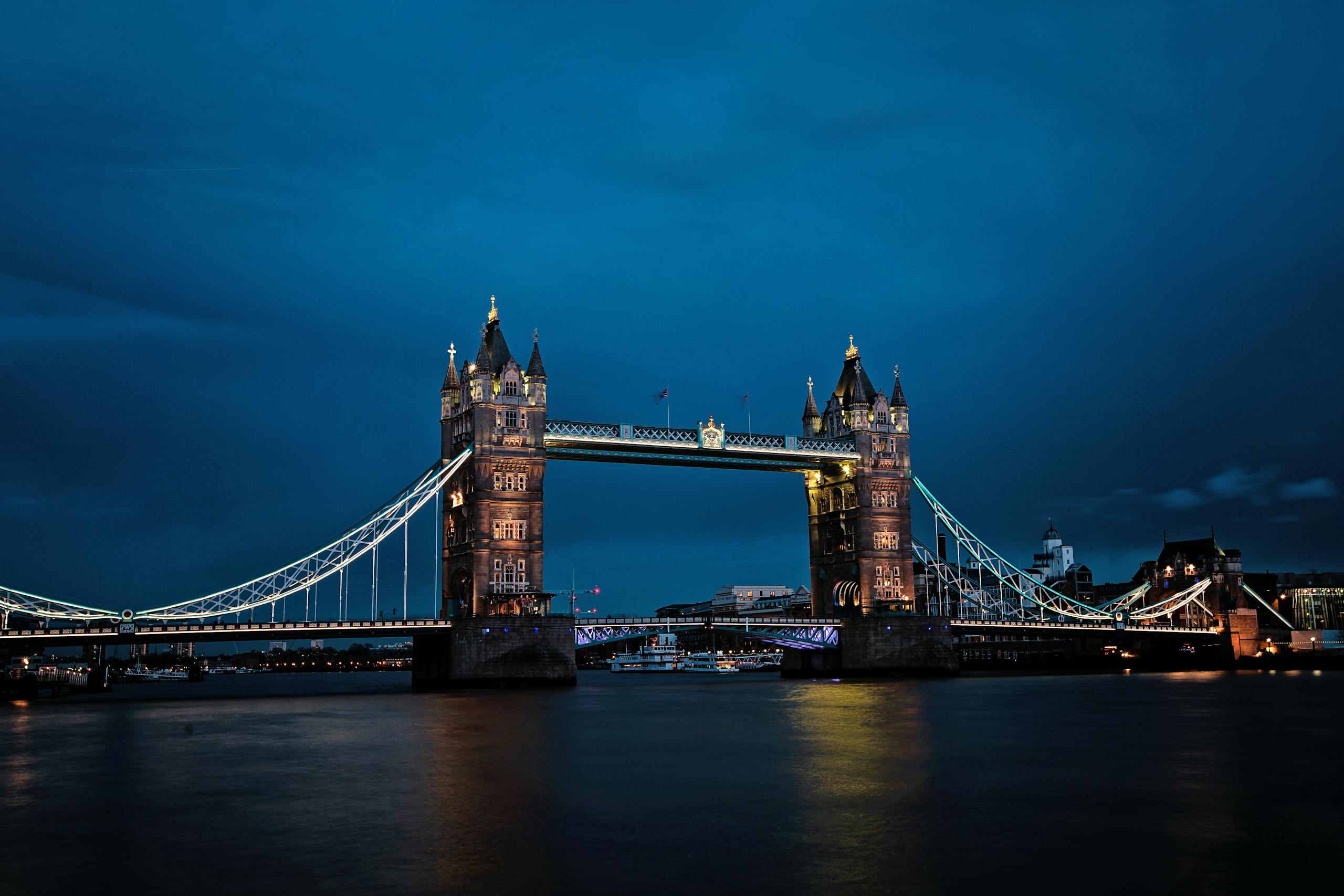

Moving across the Atlantic feels like starting a brand new chapter. The excitement buzzes through your chest as you imagine wandering through centuries-old streets, sipping tea in cozy cafes, and finally escaping the relentless American pressure to be outgoing all the time. Then reality settles in. You discover that London presents its own unique challenges for introverts, challenges that nobody warned you about before you packed those suitcases.
I spent two decades in advertising and marketing leadership, working with global brands and managing teams across different cultures. That experience taught me something valuable about cultural adjustment. The skills that helped me navigate boardrooms full of extroverted executives translate surprisingly well to understanding life in a new country. British reserve operates on entirely different frequencies than American sociability, and learning those frequencies makes all the difference between thriving and merely surviving.
London offers American introverts something genuinely rare. A city where finding peace in a noisy world becomes surprisingly achievable. The culture values privacy, respects personal space, and considers oversharing somewhat inappropriate. For those of us who spent years feeling like outsiders in America’s extrovert-centric society, London can feel like coming home to a place we never knew existed.

Why British Culture Actually Suits Introverts
The cultural differences between America and Britain run deeper than accents and vocabulary. British communication operates on a fundamentally different wavelength that many American introverts find surprisingly comfortable. According to the Cultural Atlas, British people are relatively indirect communicators who strongly avoid conflict and take measures to remain polite throughout discussions. This means less pressure to perform enthusiasm, less expectation for immediate bonding, and more acceptance of quiet reflection.
What’s your personality type?
Take our free 40-question assessment and get a detailed personality profile with dimension breakdowns, context analysis, and personalised insights.
Discover Your Type8-12 minutes · 40 questions · Free
The British approach to personal space mirrors what many introverts crave naturally. People maintain arm’s length distance during conversations, avoid prolonged eye contact that might feel invasive, and generally refrain from touching acquaintances. Physical contact remains reserved for those they know well. For American introverts accustomed to aggressive handshakes, unexpected hugs, and the constant pressure to appear warm and accessible, this restraint feels like exhaling after holding your breath for years.
Self-deprecation replaces self-promotion in British conversation. Where American culture rewards those who confidently sell themselves, British culture views overt self-promotion with suspicion. Humility carries more social currency than achievement, and bragging about accomplishments marks you as someone to avoid rather than admire. This cultural norm removes enormous pressure from social interactions. You no longer need to maintain a personal brand during casual conversations or feel compelled to highlight your successes.
British humor offers another unexpected comfort. The subtle sarcasm, deadpan delivery, and dry wit align with how many introverts naturally communicate. Jokes emerge from observation and irony rather than performative loudness. Understanding this communication style helps you navigate life as an introvert in ways that feel authentic rather than exhausting.
The Culture Shock Nobody Prepares You For
Sharing a language creates a dangerous illusion of similarity. You expect minor adjustments, perhaps learning to say “lift” instead of “elevator” and “pavement” instead of “sidewalk.” The reality hits differently. Culture shock for Americans moving to Britain often arrives later than expected, typically around the six to nine month mark when the novelty fades and accumulated small differences start weighing heavily.
According to Experts for Expats, many Americans underestimate the combined effect of daily differences. Queuing etiquette carries serious social weight. Customer service feels nonexistent compared to American standards. Houses are smaller with limited storage. Energy costs run dramatically higher. The National Health Service operates differently than private American healthcare. Each difference seems manageable individually, but together they create persistent background stress.

The simple question “Are you alright?” initially caused me genuine panic. In America, that phrase signals concern about visible distress. In Britain, it simply means “hello.” Responding with your actual feelings marks you as socially peculiar. The correct response involves saying “Fine, you?” without sharing anything genuinely personal. These small linguistic differences accumulate, creating a constant undercurrent of uncertainty about whether you understand what people actually mean.
British politeness operates through indirection that can confuse direct American communication styles. When a British colleague says “I think you have made several excellent points, but have you considered…” they likely mean something quite different than the words suggest. Criticism arrives wrapped in positive language. Disagreement hides behind seemingly neutral phrases. Learning to read between these lines requires months of careful attention, and misunderstandings happen frequently during the adjustment period.
Finding Your Quiet Corners in London
London’s reputation as a crowded, bustling metropolis obscures a secret that introverts discover with time. The city contains remarkable pockets of peace, hidden gardens, quiet museums, and serene green spaces that feel miles removed from tourist chaos. Knowing where to find these sanctuaries transforms London from overwhelming to manageable.
The green spaces scattered throughout London provide essential recharging opportunities. Hampstead Heath offers 790 acres of woodland, hills, and swimming ponds where you can walk for hours without feeling crowded. Richmond Park provides 2,500 acres of protected parkland where deer roam freely and city noise disappears completely. Closer to central London, the Kyoto Garden in Holland Park offers Japanese-inspired tranquility with koi ponds and contemplative gardens. These spaces make recharging your social battery genuinely achievable even in one of the world’s largest cities.
Hidden gardens offer particularly special refuge. St Dunstan in the East, a bombed-out church transformed into an ivy-covered garden oasis, provides remarkable peace steps from the financial district. Postman’s Park near St Paul’s Cathedral features memorials to ordinary people who gave their lives saving others, creating a space for quiet reflection. The Chelsea Physic Garden, London’s oldest botanical garden, offers peaceful settings and seasonal events away from crowds.
Museums become introvert sanctuaries when you know how to use them. The British Museum houses incredible collections, but lesser-visited rooms offer genuine solitude even during peak hours. The Wallace Collection provides world-class art in intimate settings without the crowds that plague the National Gallery. The Wellcome Collection explores medicine and life through thoughtfully curated exhibitions in spaces designed for contemplation rather than rushing through.
Neighborhoods That Welcome Quiet Souls
Where you live in London dramatically impacts your experience as an introvert. Some neighborhoods pulse with constant energy, while others offer the peaceful rhythm that makes daily life sustainable for those who need quiet to function. Understanding these differences helps you make choices that support your wellbeing rather than constantly draining your reserves.

Kew provides an almost village-like atmosphere despite being within London. Living near Kew Gardens means having world-renowned botanical gardens as your backyard, with quiet streets, historical architecture, and ample green space. The area attracts families and professionals who value tranquility over nightlife. Commuting into central London remains straightforward via the District Line, giving you city access without city chaos at home.
Barnes offers riverside living with a small-town feel. The village center contains local shops, traditional pubs, and a wetland center that brings nature directly into suburban London. The community maintains a slower pace, and neighbors often know each other by name. For American introverts missing the neighborly aspects of smaller American towns while wanting London access, Barnes provides an appealing compromise.
Highgate combines historical character with peaceful surroundings. The famous cemetery attracts visitors, but the village itself maintains a quiet atmosphere with independent shops and excellent access to Hampstead Heath. Writers, artists, and academics have historically chosen Highgate for its thoughtful atmosphere. The area supports introspection and creative work in ways that busier neighborhoods cannot match.
Greenwich offers history, green space, and riverside walks in southeast London. The park provides views across the city while maintaining peaceful surroundings. The Maritime Museum and Royal Observatory offer intellectual stimulation without overwhelming crowds outside peak tourist times. Living in Greenwich means having world-class cultural resources within walking distance while maintaining the quiet home environment that introverts require.
Building Connections Without Burning Out
The loneliness that often accompanies expatriate life hits introverts particularly hard. You need connection, but the energy required for making new friends in unfamiliar cultural territory can feel impossible to muster. Finding balance between necessary isolation for recharging and the human contact required for mental health becomes a constant negotiation.
London’s interest-based communities offer lower-pressure socializing than traditional networking events. Book clubs meet throughout the city, providing structured interaction around shared intellectual interests. Walking groups explore different neighborhoods each week, allowing conversation to flow naturally alongside physical activity. Language exchange meetups bring together people with specific learning goals, creating purpose-driven interaction that feels less socially demanding than open-ended socializing.
The American expat community in London provides valuable support without requiring full integration. Groups like The American Hour and the London Expat American Meetup organize events ranging from networking mixers to cultural outings. These communities understand the specific challenges of adjustment and provide practical advice alongside social connection. Connecting with fellow expats helps combat imposter syndrome by reminding you that adjustment difficulties reflect normal human experience rather than personal failure.
Workplace relationships develop differently in British culture. The pub after work carries significant social importance, serving as the primary venue for building professional relationships outside formal settings. However, you need not attend every session to maintain good standing. Strategic participation, attending perhaps once or twice monthly, satisfies social expectations without overwhelming your capacity. Understanding that quality matters more than quantity in friendships applies equally to professional relationships in British culture.

Practical Adjustments That Preserve Your Energy
The London Underground, affectionately called the Tube, operates as the city’s lifeblood but can drain introverts quickly. Rush hour crowds pack carriages to uncomfortable density, body heat rises, personal space disappears entirely. Learning to navigate public transport while protecting your energy makes daily life significantly more sustainable.
Timing travel strategically reduces sensory overwhelm considerably. Rush hour runs roughly from 7:30 to 9:30 in the morning and 5:00 to 7:00 in the evening. Scheduling your commute before or after these windows, even by just thirty minutes, dramatically changes the experience. If your work allows flexible hours, negotiating start and end times that avoid peak travel transforms your daily routine from exhausting to manageable.
Bus travel offers gentler alternatives to the Tube when time permits. You see the city while traveling, avoid the underground crush, and generally encounter less aggressive crowding. The top deck front seats provide views and relative quiet. Many bus routes cover similar distances as Tube journeys, though they take longer. For introverts, the trade-off often proves worthwhile.
Walking connects London neighborhoods in ways that public transport cannot replicate. The city rewards pedestrians with hidden architecture, quiet side streets, and unexpected discoveries. What appears as a long distance on the map often translates to pleasant walks through historic areas. Integrating walking into your routine provides exercise, decompression time, and deeper knowledge of your adopted city simultaneously. This approach supports your daily routine optimization while reducing reliance on crowded transport.
Working in British Professional Culture
British workplaces operate differently than American ones in ways that can either support or challenge introverts depending on your preparation. Understanding these differences before you encounter them helps you present yourself effectively while preserving energy for the work itself.
Meeting culture tends toward greater formality than many American workplaces. Agendas exist and people generally follow them. Interrupting carries more social weight. Contributions are expected to be considered rather than spontaneous. This structure actually benefits many introverts who prefer time to formulate thoughts before speaking. The expectation to jump in with immediate reactions, common in American meetings, appears less frequently in British contexts.
Email communication plays a larger role in British professional life. Where Americans might pop over to someone’s desk for a quick question, British colleagues often send emails. This communication style gives introverts time to consider responses carefully rather than feeling pressured for immediate answers. Learning British email conventions, including the specific meaning of “kind regards” versus “best regards” versus simply “regards,” helps you navigate professional communication effectively.
Self-promotion in job interviews requires significant adjustment. British interviewers often respond negatively to the confident self-selling that American interview coaching emphasizes. Stating achievements with some humility, acknowledging team contributions, and avoiding superlatives about yourself aligns better with British professional expectations. This adjustment actually feels more comfortable for many introverts who dislike aggressive self-promotion anyway. Understanding how to succeed in interviews as an introvert in British context requires unlearning some American interview assumptions.

Managing the Transition Timeline
Adjustment takes longer than most people expect. The eighteen month timeline that relocation experts suggest sounds excessive until you live it. The honeymoon phase where everything feels exciting and new fades gradually into the harder work of genuine adaptation. Understanding this timeline helps you avoid discouragement when difficulties persist longer than anticipated.
The first three months typically feel manageable despite the logistical chaos. You focus on practical matters like setting up bank accounts, finding housing, learning transport routes. The novelty of exploration keeps energy high. Problems feel like adventures rather than obstacles. This phase can mislead you into thinking adjustment will be easier than it ultimately proves.
Months four through nine often bring the deepest difficulties. The new has become familiar without yet becoming comfortable. Cultural differences that seemed charming start feeling frustrating. Missing home intensifies as holidays approach. This period requires intentional effort to maintain wellbeing, seeking out connection, maintaining routines that support you, and practicing patience with yourself.
After a year, most people report turning a corner. The city starts feeling like home rather than a place you happen to live. You navigate social situations with less conscious effort. British communication patterns become more intuitive. You develop your own favorite quiet spots, reliable routines, and genuine connections. The adjustment work remains ongoing but shifts from survival to genuine thriving. Managing your energy throughout this transition requires conscious attention but becomes more natural over time.
Creating Your Sanctuary
Your living space matters enormously when you’re an introvert in a new country. Home becomes your primary recharging station, the place where you recover from the daily work of cultural navigation. Investing in making that space truly supportive pays dividends in mental health and adjustment success.
London flats tend toward compact dimensions that surprise Americans accustomed to larger living spaces. Making peace with smaller quarters requires intentional organization and possibly releasing attachment to possessions that won’t fit your new life. Quality over quantity applies to belongings as much as relationships. A smaller space well-organized for your needs supports wellbeing better than a larger space full of clutter.
Natural light becomes precious in a city known for grey skies. Positioning seating near windows, using mirrors to reflect available light, and investing in quality artificial lighting all contribute to maintaining mood during darker months. The seasonal affective impact of British winters affects many people, and introverts who already spend significant time indoors need particularly intentional approaches to managing light exposure.
Creating designated spaces for different activities helps maintain boundaries between work, rest, and recharging. Even in a studio flat, establishing a reading corner distinct from where you work or watch television provides psychological separation. These boundaries support the mental compartmentalization that helps introverts process experiences and recover energy effectively. Building your home sanctuary becomes even more important when living far from familiar supports.
Embracing the Introvert Advantage Abroad
Living in London as an American introvert offers unique advantages that extroverts may not fully appreciate. The qualities that sometimes felt like liabilities in American social culture become assets in British context. Thoughtful observation, careful listening, preference for depth over breadth in relationships, and comfort with silence all align with British cultural values in ways that support rather than hinder integration.
Your ability to spend time alone without distress gives you resources for processing the enormous amount of new information that expatriate life involves. Where others might need constant social input to stay grounded, you can retreat, reflect, and make sense of your experiences internally. This processing capacity accelerates genuine understanding of your new home rather than remaining perpetually on the surface.
The deep relationships introverts prefer match British friendship patterns. Brits tend to maintain smaller social circles with greater depth rather than the wide, shallow networks common in American social life. Your natural inclination toward meaningful connection over casual acquaintance actually positions you well for building the kind of friendships that sustain people through difficult times and across distances.
London rewards those willing to explore slowly and thoughtfully rather than racing through highlight reels. The city reveals itself in layers to those who take time to notice details, return to places repeatedly, and allow experiences to deepen over time. The introvert tendency toward depth over breadth translates perfectly to experiencing one of the world’s most complex and historically rich cities.
Moving to London requires courage, patience, and willingness to feel uncomfortable during the adjustment period. But for American introverts who find their home culture exhaustingly extroverted, the effort often proves worthwhile. You discover a place where quiet observation carries social value, where personal boundaries receive respect, and where you can finally stop apologizing for needing time alone. That discovery feels like finding a version of yourself that was always there but never had the right environment to flourish.
Frequently Asked Questions
How long does it take American introverts to adjust to living in London?
Most relocation experts suggest allowing approximately eighteen months to feel genuinely settled. The first three months typically involve practical logistics while novelty remains high. Months four through nine often bring the deepest culture shock as differences become frustrating rather than charming. After about a year, most people report the city starting to feel like home rather than a temporary residence.
What are the best London neighborhoods for introverts?
Kew offers village-like tranquility near world-famous botanical gardens. Barnes provides riverside living with a small-town community feel. Highgate combines historical character with excellent access to Hampstead Heath. Greenwich offers green space, history, and riverside walks in southeast London. Each neighborhood balances city access with the quiet atmosphere introverts need to recharge effectively.
Is British culture really more introvert-friendly than American culture?
British culture values privacy, respects personal space, and considers oversharing inappropriate. Self-deprecation carries more social currency than self-promotion. People communicate indirectly rather than demanding immediate responses. These cultural norms align well with introvert preferences, though adjustment to different communication styles still requires conscious effort and time.
How can American introverts make friends in London without burning out?
Interest-based communities provide lower-pressure socializing than networking events. Book clubs, walking groups, and hobby meetups offer structured interaction around shared interests. American expat groups understand adjustment challenges and provide practical support alongside social connection. Strategic participation in work social events, perhaps once or twice monthly rather than every occasion, satisfies professional expectations without overwhelming capacity.
What are the biggest culture shocks American introverts face in London?
Indirect British communication style confuses Americans accustomed to directness. Customer service feels minimal compared to American standards. Housing costs run high while living spaces run small. The National Health Service operates very differently than American healthcare. These differences seem manageable individually but accumulate into significant adjustment stress over time.
Explore more introvert resources in our complete General Introvert Life Hub.
About the Author
Keith Lacy is an introvert who’s learned to embrace his true self later in life. With a background in marketing and a successful career in media and advertising, Keith has worked with some of the world’s biggest brands. As a senior leader in the industry, he has built a wealth of knowledge in marketing strategy. Now, he’s on a mission to educate both introverts and extroverts about the power of introversion and how understanding this personality trait can unlock new levels of productivity, self-awareness, and success.