
Looking back across two decades of agency life, packed conference rooms, and client dinners that stretched past midnight, I can see something clearly now that I couldn’t see then: I was alone the whole time. Not lonely. Not isolated. Alone in the way introverts are alone even in a crowd, processing everything internally, drawing meaning from quiet corners, recharging in stolen moments between meetings. The solitude was always there. I just hadn’t learned to call it by its name.
That realization hit me harder than I expected. Because for most of my career, I treated my need for solitude as a problem to manage rather than a resource to protect.
If you’ve ever felt like you were moving through your own life slightly apart from everyone else, observing more than participating, thinking more than speaking, you might recognize what I’m describing. Our Solitude, Self-Care and Recharging hub exists because this experience deserves more than a passing mention. It deserves a real conversation, and this article is my attempt at starting one.
What Does It Mean to Have Been Alone the Whole Time?
There’s a difference between being alone and feeling lonely. Harvard researchers have written about how loneliness and isolation operate differently on our minds and bodies, and that distinction matters enormously to introverts. Loneliness is the ache of unwanted disconnection. Aloneness, for many of us, is something closer to home base.
What’s your personality type?
Take our free 40-question assessment and get a detailed personality profile with dimension breakdowns, context analysis, and personalised insights.
Discover Your Type8-12 minutes · 40 questions · Free
When I say I was alone the whole time, I mean something specific. Even at the peak of my agency years, when I was managing teams of thirty people, flying to New York for pitch presentations, sitting across from brand managers at some of the largest companies in the world, my inner life was running a completely separate process. I was cataloging details. Noticing the tension in a client’s voice before they said the difficult thing. Watching how the energy in a room shifted when someone walked in late. Filing all of it away for later, when I could finally be by myself and actually think.
That internal processing wasn’t a distraction from my work. It was my work. But I didn’t understand that for a long time.
Why Did It Take So Long to See?
Part of the answer is cultural. The advertising industry, especially in its traditional form, celebrated a particular kind of energy. Loud brainstorms. Spontaneous pitches. The ability to riff in a room and make everyone laugh. I could do those things when I needed to, but they cost me something. I’d come home from a day of performing extroversion and feel hollowed out in a way I couldn’t explain to anyone around me.
I remember one stretch in my late thirties when we were in the middle of a major account review. The kind where you’re presenting to a committee of twelve people who hold your agency’s future in their hands. We’d been in prep mode for six weeks. Every evening was a working dinner. Every weekend was a strategy session. By the time we walked into that boardroom, I had nothing left. We won the account, but I spent the next three days barely able to string sentences together. At the time, I called it exhaustion. Now I know it was something more specific: I had gone weeks without genuine solitude, and my system had simply shut down.
What happens to introverts when that alone time disappears isn’t subtle. I’ve written about what happens when introverts don’t get alone time, and looking back, I was living that list in real time without recognizing it. Irritability. Difficulty concentrating. A strange flatness where my curiosity used to be.

The problem wasn’t the work. I loved the work. The problem was that I had built a professional life with almost no architecture for the thing I needed most.
How Solitude Was Always My Actual Coping Mechanism
Once I started paying attention, the evidence was everywhere. I had always found ways to carve out solitude, even when I didn’t frame it that way. I was the person who arrived at the office an hour before anyone else, not to get ahead on email, but because those quiet morning minutes were the only time I could actually think. I took long drives between client meetings instead of calling people back. I ate lunch alone at my desk more often than I ate with the team, and I told myself it was because I was busy.
Some of it was busyness. But most of it was instinct. My nervous system was finding solitude wherever it could, because without it, I couldn’t function at the level I needed to function.
There’s a meaningful body of thought around solitude and creative capacity. The Greater Good Science Center at Berkeley has explored how solitude can enhance creativity, and that resonates with my experience. My best strategic thinking never happened in brainstorms. It happened at six in the morning with a cup of coffee and no one else around. The brainstorm was where I presented the thinking. The solitude was where the thinking actually occurred.
I wish I had understood that distinction twenty years earlier. I spent a lot of energy apologizing for a process that was actually serving me and my clients well.
The Difference Between Solitude and Withdrawal
One thing worth naming directly: solitude and withdrawal are not the same thing, even though they can look similar from the outside. Withdrawal is reactive. It’s pulling back because the world feels like too much, because connection feels threatening, because you’re protecting yourself from something painful. Solitude is proactive. It’s choosing to be with yourself because that’s where your resources come from.
I’ve experienced both, and the felt sense is completely different. Withdrawal left me feeling small and slightly ashamed. Solitude, when I finally started choosing it intentionally, felt like coming back to myself.
For those who identify as highly sensitive, this distinction carries even more weight. The concept of HSP solitude as an essential need gets at something important: for people who process deeply, alone time isn’t a luxury or a preference. It’s a biological requirement. The nervous system needs it to integrate what it’s taken in.
I’m not clinically HSP, but I recognize the pattern. My mind doesn’t stop processing when the external input stops. It keeps working, sorting, connecting. Solitude is what gives that process room to complete itself.
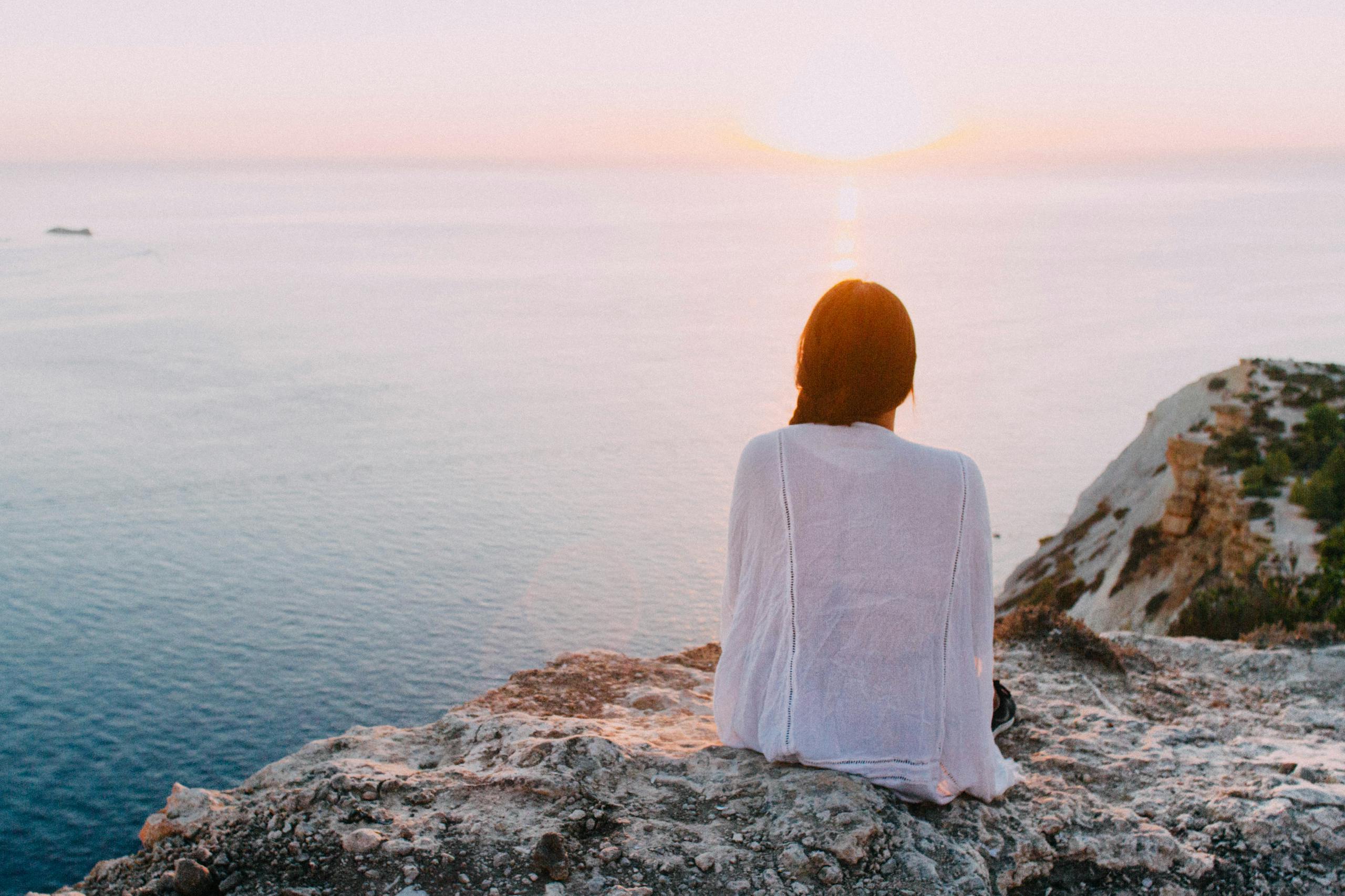
What I Found When I Started Looking Back
There’s a particular kind of clarity that comes from looking backward. You can see the through-lines you couldn’t see while you were living them. When I started paying attention to my own history, a few things stood out.
First, my happiest periods professionally weren’t the ones with the most external validation. They were the ones with the most protected internal space. The year I did my best creative work was the year I had a long commute by train. Forty-five minutes each way, no phone calls, just thinking. I didn’t understand why that year felt so generative until much later.
Second, the times I felt most like myself weren’t always the times other people would have identified as my peaks. A client dinner where I held the room and everyone laughed at my stories felt hollow by midnight. A Saturday morning spent alone working through a strategic problem felt genuinely satisfying in a way that lasted.
Third, the relationships that mattered most to me were the ones built on depth rather than frequency. I had colleagues I’d known for fifteen years who I saw maybe four times a year, and those relationships felt more real than daily interactions with people I saw constantly. Introverts tend to build connection through quality of attention rather than quantity of contact, and I was doing that the whole time without naming it.
Psychological research on solitude and well-being supports the idea that voluntary alone time, chosen rather than imposed, tends to support positive emotional states rather than undermine them. A paper published in Frontiers in Psychology examined how solitude functions differently depending on whether it’s freely chosen, which aligns with what I experienced: forced isolation felt punishing, chosen solitude felt restorative.
How Nature Became Part of the Picture
At some point in my mid-forties, I started spending more time outside. Not hiking or anything structured, just walking. Early mornings before the neighborhood woke up. Lunch breaks in a park near the office when I could manage it. It started as an accident and became something I protected fiercely.
What I noticed was that outdoor solitude had a different quality than indoor solitude. Inside, my mind would often just keep running the same loops. Outside, something shifted. The thinking slowed down and got cleaner. Problems that felt tangled indoors often sorted themselves out on a walk.
I’ve since learned that this experience is widely shared among introverts and highly sensitive people. The healing power of nature connection for people who process deeply is real and documented, and it tracks with what I lived. There’s something about natural environments that seems to quiet the kind of overstimulation that builds up in social and professional settings.
My dog Mac figured this out before I did. He’s been my walking companion for years, and I’ve written about what Mac’s alone time taught me about my own. Dogs don’t apologize for needing rest. They don’t perform energy they don’t have. Watching him be completely unapologetic about his need to decompress gave me a strange kind of permission to take mine more seriously.

The Body Keeps the Score on Solitude, Too
One thing I underestimated for years was how much my solitude deficit showed up physically. Sleep was the most obvious symptom. When I was in extended periods of social overload, my sleep deteriorated. I’d lie awake replaying conversations, rehearsing tomorrow’s meetings, processing the emotional residue of the day. The mind that had nowhere to be quiet during the day was demanding its processing time at night.
Good sleep hygiene for introverts and highly sensitive people is more nuanced than the standard advice suggests. The rest and recovery strategies that work for people who process deeply often involve creating a genuine wind-down buffer, not just turning off screens, but actually transitioning out of social and cognitive stimulation well before bed. That was a meaningful shift for me.
Beyond sleep, I noticed that chronic solitude deprivation affected my appetite, my patience, and my physical tension levels in ways that were hard to attribute to anything specific. The CDC has documented how social and environmental stressors affect overall health outcomes, and while the conversation is usually about loneliness, the flip side matters too: chronic overstimulation without adequate recovery time carries its own costs.
The body doesn’t distinguish between “busy because you love your work” and “busy because you haven’t stopped.” It just registers the load.
Building a Life That Includes What You Actually Need
The practical question underneath all of this is: what do you do with the realization? Knowing that solitude was always your core resource is one thing. Structuring a life that actually includes it is another.
For me, it started with small acts of protection. Blocking the first hour of my morning before any external input. Eating lunch alone two or three days a week without guilt. Declining evening events that weren’t genuinely worth the recovery cost. None of these were dramatic changes. But they added up to something that felt fundamentally different.
The shift in self-care wasn’t about adding more to the list. It was about recognizing what was already essential and stopping treating it as optional. The daily practices that matter most for people who process deeply tend to be simple and consistent rather than elaborate and occasional. A protected morning. A walk. A few minutes of actual quiet. Repeated every day, not saved for weekends.
There’s also something important about permission. Many introverts I’ve talked with over the years carry a low-grade guilt about their need for solitude. They feel like they’re failing at connection, or being antisocial, or missing out on something. That guilt is worth examining. Choosing solitude because it’s genuinely what you need is not the same as avoiding connection out of fear. The research on solo experiences bears this out: a Psychology Today piece on solo travel as a preferred approach notes that many people choose solitary experiences not because they lack social options, but because they’ve learned what actually restores them.
That’s a meaningful distinction. Choosing yourself isn’t the same as rejecting everyone else.
What This Looks Like Now
I’m in a different chapter now than I was during the agency years. The external demands have changed. But the internal wiring hasn’t. I still process everything through that same quiet internal machinery. I still do my best thinking alone. I still find that a crowded day, even a good crowded day, needs to be followed by real recovery time.
What’s changed is that I no longer treat any of that as a flaw. The solitude isn’t something I’m working around. It’s something I’m working with.
Looking back, I can see a version of myself that was doing this the whole time, finding the quiet corners, protecting the early mornings, taking the long way home. That person wasn’t broken or antisocial or insufficiently engaged. He was just an introvert who hadn’t been given the language to understand what he was doing or why it mattered.
Psychology Today’s writing on embracing solitude for your health frames it as an active choice rather than a passive default, and that reframe has stayed with me. Solitude isn’t what happens when you’re not with people. It’s something you choose because you know what it gives you.
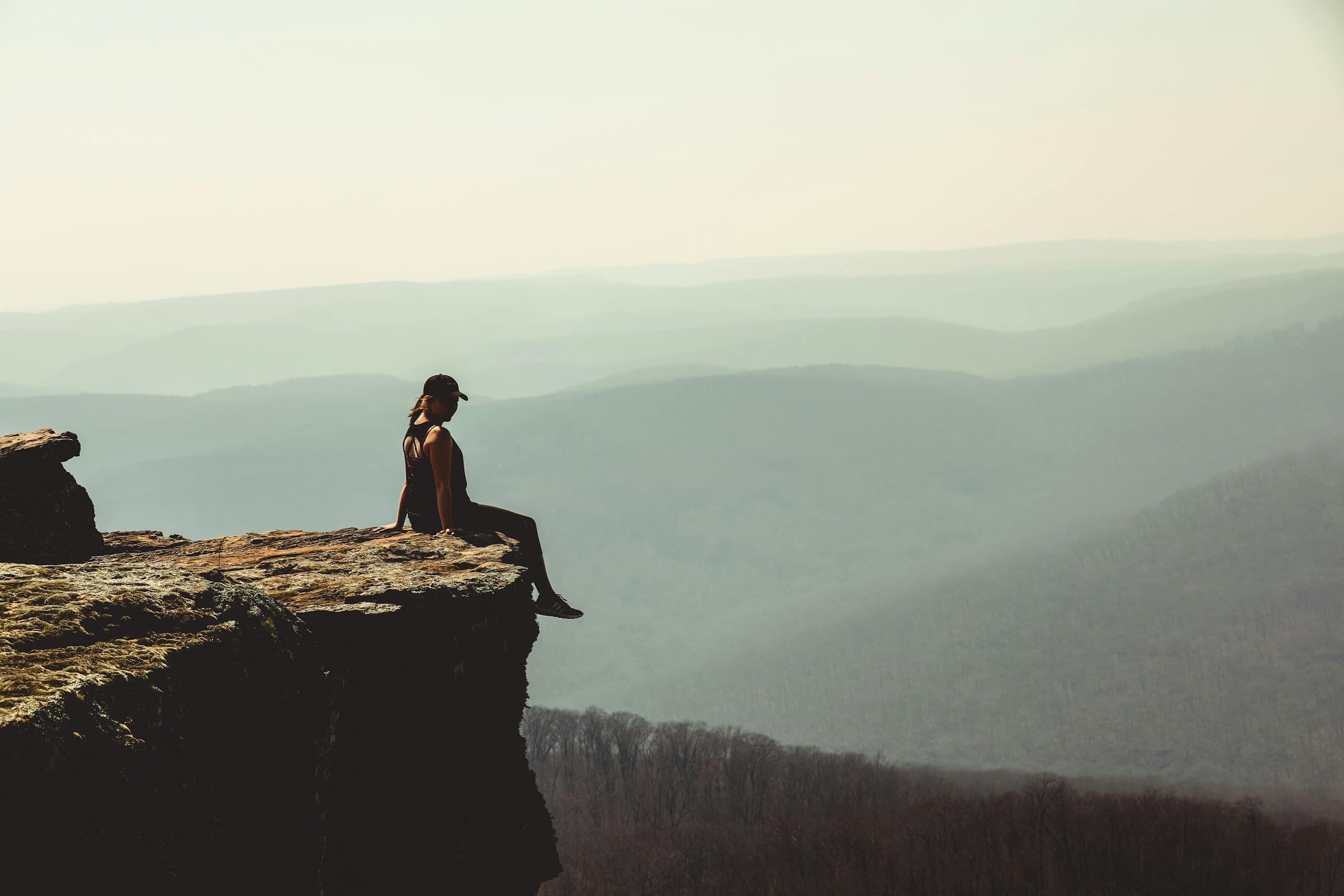
There’s also something worth saying about what this realization does for the past. When I look back now at the years I spent feeling vaguely out of step with the culture around me, I don’t see failure. I see someone who was quietly, persistently taking care of himself in the only ways he knew how, before he had any framework for understanding why. That’s not a small thing. That’s actually a kind of resilience.
If you’ve had a similar experience, if you’ve looked back at your own life and recognized that the solitude was always there even when you weren’t calling it that, I’d encourage you to sit with that recognition for a while. It tends to reframe a lot of things that used to look like problems.
There’s more to explore on this topic across our complete Solitude, Self-Care and Recharging hub, where we go deeper into the practices and perspectives that help introverts build lives that actually fit how they’re wired.
About the Author
Keith Lacy is an introvert who’s learned to embrace his true self later in life. After 20 years in advertising and marketing leadership, including running agencies and managing Fortune 500 accounts, Keith now channels his experience into helping fellow introverts understand their strengths and build fulfilling careers. As an INTJ, he brings analytical depth and authentic perspective to every article, drawing from both professional expertise and personal growth.
Frequently Asked Questions
Is it normal for introverts to feel alone even when surrounded by people?
Yes, and it’s worth understanding why. Introverts tend to process experience internally rather than externally, which means they’re often running a separate inner conversation even in social settings. This isn’t disconnection or dysfunction. It’s how the introvert mind works. That sense of being slightly apart from the crowd, observing more than performing, is a natural expression of internal processing rather than a sign that something is wrong.
What’s the difference between healthy solitude and unhealthy isolation?
Healthy solitude is chosen and restorative. You seek it out because it genuinely replenishes you, and you return from it with more capacity for connection and work. Unhealthy isolation tends to be reactive, driven by avoidance, anxiety, or emotional pain rather than genuine preference. The felt sense is different too: solitude tends to feel grounding, while isolation tends to feel constricting. If your alone time consistently leaves you feeling worse rather than better, that’s worth paying attention to.
How much alone time do introverts actually need?
There’s no universal number, and it varies significantly by individual, context, and what kind of social demands you’ve been managing. Some introverts need an hour of solitude after a busy workday. Others need half a day after an intensive week of client interaction. The honest answer is that you need enough to feel like yourself again, and that amount tends to scale with the intensity and duration of your social and professional demands. Paying attention to your own patterns over time is more useful than any general guideline.
Can introverts have fulfilling social lives while still prioritizing solitude?
Absolutely. Prioritizing solitude doesn’t mean minimizing connection. It means being intentional about both. Many introverts find that protecting their alone time actually improves the quality of their social interactions, because they show up with genuine energy rather than depleted performance. The goal isn’t less connection. It’s connection that’s sustainable and meaningful rather than obligatory and draining.
What’s the first step toward building more intentional solitude into a busy life?
Start by noticing where solitude already exists in your day, even in small forms. The morning before others wake up. The commute without podcasts. A lunch break taken alone. Most introverts are already finding these pockets instinctively. The shift is in recognizing them as valuable rather than incidental, and then protecting them rather than filling them with more input. From there, you can look at what commitments are genuinely worth their social cost and which ones you’ve been accepting out of habit or obligation rather than real desire.