

Many researchers believe that shyness is caused by a combination of genetic temperament and early social experiences, particularly moments where social interaction felt threatening or unpredictable. Unlike introversion, which reflects a preference for quieter, more inward-focused environments, shyness carries an emotional charge: fear, self-consciousness, and the anticipation of negative judgment from others. The two traits often get lumped together, but they have genuinely different origins and very different implications for how a person moves through the world.
Separating these ideas matters more than most people realize. Calling a shy person introverted, or assuming every introvert is shy, flattens something that deserves careful attention. And if you’ve ever sat quietly in a meeting not because you were afraid to speak, but because you were genuinely processing, you already know the difference in your bones.
If you’re sorting through where you land on the personality spectrum more broadly, our Introversion vs Other Traits hub covers the full landscape of how introversion, extroversion, shyness, and everything in between actually relate to each other. It’s a useful place to start building a clearer picture of yourself.
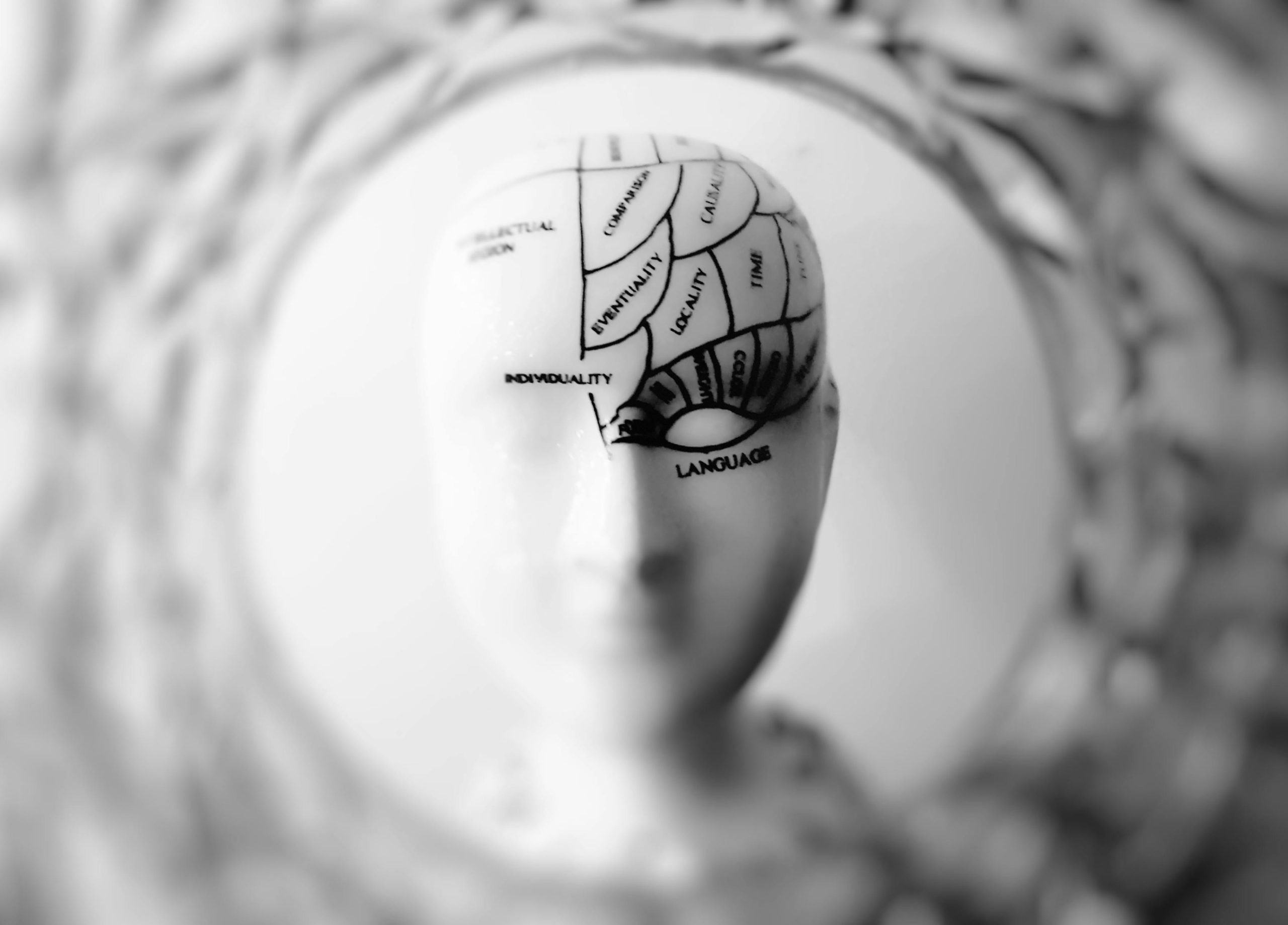
Where Does Shyness Actually Come From?
Shyness isn’t a character flaw or a simple personality quirk. Most researchers who study temperament and social anxiety point to a combination of biological predisposition and formative experience. Some children are born with what developmental psychologists call behavioral inhibition, a tendency to pull back from unfamiliar people, places, and situations. This isn’t a choice. It shows up early, often before a child has the language to describe what they’re feeling.
What’s your personality type?
Take our free 40-question assessment and get a detailed personality profile with dimension breakdowns, context analysis, and personalised insights.
Discover Your Type8-12 minutes · 40 questions · Free
What happens next is where environment enters the picture. A child with a naturally cautious temperament who grows up in a warm, patient household where that caution is respected often learns to manage social situations without significant distress. A child with the same temperament who faces repeated criticism for being “too quiet” or who experiences social humiliation early on can develop something more persistent: a fear of being seen, evaluated, and found wanting.
That fear is the emotional engine of shyness. It’s not just a preference for quiet. It’s an anxious anticipation of social judgment, and it can follow people into adulthood in ways they don’t always recognize. Research published in PubMed Central examining temperament and social behavior has documented how early inhibition, when combined with certain environmental pressures, can solidify into patterns of social avoidance that persist well beyond childhood.
I think about this often when I reflect on my early years in the agency world. There were people on my teams who went silent in client presentations not because they lacked ideas, but because something in them braced for criticism before a single word left their mouths. That anticipatory flinch is shyness at work. It’s different from the introvert who simply prefers to prepare thoroughly before speaking. Both might look quiet from the outside. The internal experience couldn’t be more different.
Is Shyness the Same as Being Introverted?
No, and conflating them does real harm to people trying to understand themselves. Introversion describes an orientation toward internal stimulation, a preference for reflection, depth, and environments that don’t demand constant social output. Shyness describes a fear-based response to social situations, specifically the worry that others will evaluate you negatively.
An introvert can walk into a room full of strangers and feel comfortable, even if they’d prefer not to. A shy person, whether introverted or extroverted, feels a spike of anxiety in that same moment. The introvert’s discomfort, when it exists, comes from overstimulation or a preference for something quieter. The shy person’s discomfort comes from threat perception.
This is why someone can be extroverted and deeply shy at the same time. They crave social connection and get energy from being around people, but they’re also terrified of being judged. That combination is genuinely painful. It creates a push-pull that exhausts people from the inside. Understanding what extroverted actually means as a trait separate from social confidence helps clarify why shyness doesn’t belong exclusively to introverts.
As an INTJ, I’ve always been more comfortable with solitude than most people around me. But I was never particularly shy. Walking into a new client pitch didn’t trigger fear for me. It triggered preparation. I’d spend the night before mapping out every possible objection, every likely question, every scenario where the conversation might shift. That’s introversion doing what it does: processing internally before acting externally. Shyness would have looked different. It would have made me want to avoid the room entirely.

Can Genetics Explain Why Some People Are Shy?
Partially, yes. Temperament researchers have long observed that some infants show heightened reactivity to novel stimuli from their earliest weeks. They startle more easily, cry more in response to unfamiliar faces, and take longer to settle in new environments. This biological baseline doesn’t determine a person’s fate, but it does create a starting point that shapes how they respond to the world.
Twin studies have suggested that shyness has a meaningful heritable component, meaning genetics plays a real role without being the whole story. What gets inherited seems to be a predisposition toward heightened sensitivity to social threat, not shyness itself as a fixed trait. Whether that predisposition develops into lasting shyness depends heavily on what happens afterward: the quality of early attachment, the consistency of caregiving, the presence or absence of social trauma, and whether a child’s natural caution was met with patience or pressure.
Additional research available through PubMed Central on personality and social behavior points to how neurological sensitivity, the kind that makes some people more attuned to social cues and potential rejection, interacts with life experience to produce the patterns we recognize as shyness in adults.
This matters because it reframes shyness as something that developed through a real process, not something a person simply is. That reframing opens a door. If shyness emerged through experience, it can also shift through experience. Not always easily, and not always completely, but the door exists.
How Does Shyness Show Up Differently Across Personality Types?
Shyness doesn’t announce itself the same way in every person. In someone who leans toward the extroverted end of the spectrum, it might show up as a desperate need for social connection paired with constant anxiety about whether they’re liked. They pursue relationships eagerly while simultaneously dreading rejection. The internal conflict is exhausting, and it often leads to people-pleasing patterns that erode their sense of self over time.
In someone more introverted, shyness can be harder to spot because the behavioral output looks similar to introversion: quietness, withdrawal, preference for small groups. But the motivation is completely different. The introvert pulls back to recharge and think. The shy introvert pulls back to avoid the pain of judgment. One is a choice. The other feels like a necessity.
I managed a creative director at one of my agencies who was, by any measure, brilliant. She had a gift for seeing what a campaign needed before anyone else in the room could articulate it. But she almost never spoke in group settings. I initially read her silence as introversion, something I understood well. Over time, I realized what was actually happening was different. She wasn’t quiet because she was processing. She was quiet because she was terrified that her ideas would be dismissed. When I started giving her a private channel to share thoughts before meetings, something shifted. Her ideas made it into the room because she no longer had to risk public exposure to get them there.
If you’re trying to figure out where you actually fall on the spectrum, taking an introvert extrovert ambivert omnivert test can give you a useful starting point. It won’t tell you everything, but it can help you begin separating your genuine preferences from your fear responses.

What Happens to Shy People in High-Stakes Social Environments?
Professional environments can be particularly unforgiving for people carrying significant shyness. The expectation in most workplaces, especially in leadership-oriented fields, is that competence will be demonstrated visibly and verbally. Presentations, pitches, negotiations, performance reviews: all of these demand a willingness to be seen and evaluated, which is precisely what shyness makes feel dangerous.
A piece from Psychology Today on deeper conversations touches on something relevant here: the difference between surface-level social performance and genuine connection. Shy people often struggle with the former while being capable of profound depth in the latter. They can be extraordinary in one-on-one conversations where the stakes feel manageable, while freezing in group settings where the audience feels like a jury.
In my agency years, I watched talented people get passed over for advancement not because they lacked skill, but because their shyness made them invisible in the moments that counted. They didn’t advocate for themselves in salary conversations. They didn’t speak up in strategy meetings where their perspective would have changed the outcome. Their contributions existed, but they existed quietly, and in environments that reward visibility, quiet contributions often go unrecognized.
This is one of the places where shyness and introversion diverge most sharply in practical terms. An introvert who understands their own strengths can learn to be strategic about visibility, choosing the moments to speak with care and making those moments count. A shy person often can’t access that strategy because the fear response hijacks their ability to act even when they want to.
Some people find themselves somewhere between these poles, not fully introverted, not fully extroverted, but dealing with social anxiety that complicates whatever natural preferences they have. Understanding the difference between an omnivert and an ambivert can help people in this middle ground figure out whether their social variability comes from genuine flexibility or from anxiety-driven swings between approach and avoidance.
Can Shyness Change Over Time, or Is It Fixed?
Shyness is not a life sentence. That’s one of the most important things the research on temperament and social behavior has clarified over the past few decades. The biological predispositions that contribute to shyness are real, but they interact with experience in ways that allow for genuine change, particularly with intentional effort and the right kind of support.
Cognitive behavioral approaches have shown meaningful results for people dealing with social anxiety, which is the clinical end of the shyness spectrum. The process isn’t about forcing someone to become extroverted or to pretend they’re comfortable when they’re not. It’s about gradually exposing a person to the situations they fear, in manageable doses, while helping them build evidence against the catastrophic predictions their anxiety generates. Most people who fear social judgment discover, through repeated experience, that the judgment they anticipated rarely materializes at the intensity they expected.
Outside of formal therapeutic approaches, there are also natural life processes that soften shyness over time. Finding environments where you feel genuinely accepted, building relationships where your caution is respected rather than criticized, accumulating evidence of your own social competence through low-stakes successes: all of these contribute to a gradual loosening of the fear response.
I’ve seen this happen in my own professional circles. People who were visibly anxious in their early careers, who stumbled through presentations and avoided eye contact in meetings, grew into confident voices over years of experience. The shyness didn’t vanish, but it stopped running the show. They developed a kind of hard-won confidence that was, in some ways, more solid than the easy confidence of people who had never really struggled socially.
One thing worth examining honestly is whether what you’re calling shyness might actually be a more specific expression of your personality type. Some people who identify as shy are, in fact, fairly introverted rather than extremely introverted, and the distinction matters for understanding what’s actually driving their social hesitation. Extreme introversion and shyness can coexist, but they don’t have to.

What’s the Relationship Between Shyness and Social Anxiety?
Shyness and social anxiety exist on a continuum rather than as two entirely separate categories. Shyness, at its milder end, is something most people experience at least occasionally, in new situations, around unfamiliar people, or in high-stakes social moments. Social anxiety disorder sits at the more intense end of that continuum, where the fear is persistent, pervasive, and significantly interferes with daily functioning.
What distinguishes clinical social anxiety from ordinary shyness is largely a matter of intensity and impact. Someone who feels nervous before a presentation but can still deliver it effectively is dealing with something manageable. Someone who avoids promotions, friendships, and opportunities for years because the fear of judgment feels unbearable is dealing with something that warrants real attention and support.
The distinction also matters because social anxiety responds well to treatment, and people who suffer from it often spend years assuming they’re simply “too shy” or “not cut out for” the situations they’re avoiding. Research published in Frontiers in Psychology on personality and social behavior continues to refine our understanding of how these patterns form and what interventions are most effective for shifting them.
Understanding where shyness ends and anxiety begins is also relevant for how people approach conflict and interpersonal tension. A shy person might avoid necessary conversations not because they don’t care about resolution, but because the prospect of confrontation triggers their fear response. A thoughtful piece from Psychology Today on introvert-extrovert conflict resolution offers some practical framing for how people with different social orientations can approach disagreement without the conversation becoming another source of anxiety.
How Do You Know If You’re Shy, Introverted, or Something Else Entirely?
Honest self-examination is the starting point, and it requires asking a specific question: when you pull back from social situations, what’s actually driving that withdrawal? Is it a genuine preference for quieter, more inward experiences? Or is it fear of what might happen if you stay?
Introverts who are not shy will often say they enjoy social interaction in the right doses, and they don’t feel particularly anxious about it. They leave gatherings feeling depleted rather than afraid. They prefer depth over breadth in relationships, but they can engage in surface-level interaction without significant distress. They just don’t choose to do it more than necessary.
Shy people, regardless of where they fall on the introversion-extroversion spectrum, will describe something different: a kind of bracing before social situations, a replay of conversations afterward searching for moments where they might have said something wrong, a persistent sense that they are somehow less competent socially than the people around them.
Some people find they shift significantly depending on context, confident and expressive in familiar settings, withdrawn and anxious in new ones. That variability might suggest something closer to an omnivert pattern, and exploring the distinction between otrovert and ambivert tendencies can help clarify whether the variability is personality-driven or anxiety-driven.
Taking an introverted extrovert quiz can also surface some useful information, particularly if you find yourself consistently landing in unexpected territory. Many people discover that their self-perception and their actual behavioral patterns don’t fully align, and that gap is often where the most useful self-understanding lives.
What I’ve found, both in my own experience and in watching the people I’ve led over the years, is that clarity about this question changes things. When you know you’re introverted but not shy, you stop trying to fix something that doesn’t need fixing. When you recognize that what you’ve been calling introversion is actually fear, you can start addressing the actual problem instead of accommodating it indefinitely.

Why Getting This Right Matters More Than You Think
Misidentifying shyness as introversion, or introversion as shyness, has real consequences for how people build their lives. Someone who believes they’re simply introverted when they’re actually dealing with significant social anxiety might spend years in careers, relationships, and environments that reinforce their avoidance rather than helping them grow. They’ll frame their fear as preference and miss out on things they actually want.
On the other side, someone who’s told they’re shy when they’re actually introverted might spend years trying to “fix” something that was never broken. They’ll push themselves into overstimulating environments, exhaust themselves performing extroversion, and wonder why they feel so depleted all the time. I lived a version of that story in my early agency years, trying to match the energy of extroverted colleagues in client entertainment situations that left me hollowed out. Getting clear that I was introverted, not broken, changed how I structured my professional life entirely.
The broader picture here is that self-knowledge is genuinely useful, not as a label to hide behind, but as a map. Knowing where you actually are makes it possible to figure out where you want to go and what you actually need to get there. That’s true whether you’re sorting out shyness, introversion, anxiety, or some combination of all three.
Introverts and shy people alike often find that the environments most hostile to them are the ones built entirely around extroverted norms. Harvard’s Program on Negotiation has explored how introverts approach high-stakes conversations differently, and the findings are more encouraging than most quiet people expect. And for those in fields like marketing or business development, Rasmussen University’s resources on marketing for introverts offer practical framing for how to build professional presence without abandoning who you actually are.
Shyness has roots. Those roots are real, they’re complex, and they’re worth understanding. But roots don’t determine what grows. With enough clarity about where you’re starting from, you have more agency over where you end up than shyness will ever want you to believe.
If you want to keep building your understanding of how introversion, shyness, and related traits connect and differ, the Introversion vs Other Traits hub is the most comprehensive place to continue that exploration on this site.
About the Author
Keith Lacy is an introvert who’s learned to embrace his true self later in life. After 20 years in advertising and marketing leadership, including running agencies and managing Fortune 500 accounts, Keith now channels his experience into helping fellow introverts understand their strengths and build fulfilling careers. As an INTJ, he brings analytical depth and authentic perspective to every article, drawing from both professional expertise and personal growth.
Frequently Asked Questions
Many researchers believe that shyness is caused by what combination of factors?
Most researchers who study temperament and social development point to a combination of biological predisposition and early life experience. Some people are born with a more reactive nervous system that makes them more sensitive to social threat. What happens next, particularly whether that sensitivity is met with patient support or social pressure, shapes whether it develops into lasting shyness. Neither genetics nor environment alone tells the full story.
Is shyness the same thing as introversion?
No. Introversion describes a preference for quieter, more inward-focused environments and a tendency to draw energy from solitude rather than social interaction. Shyness describes a fear-based response to social situations, specifically anxiety about being evaluated or judged negatively by others. An introvert can be socially confident. A shy person can be genuinely extroverted. The traits are independent, even though they sometimes appear together.
Can shyness be overcome, or is it a permanent trait?
Shyness can shift significantly over time, though it rarely disappears entirely in people with strong biological predispositions toward social sensitivity. Cognitive behavioral approaches, gradual exposure to feared situations, and the accumulation of positive social experiences all contribute to meaningful change. Most people who work intentionally on shyness find that it stops controlling their choices even if it never fully disappears as a background experience.
How is shyness different from social anxiety disorder?
Shyness and social anxiety exist on a continuum. Shyness at its milder end is a common experience that most people feel occasionally in unfamiliar or high-stakes social situations. Social anxiety disorder sits at the more intense end of that spectrum, where the fear is persistent, difficult to control, and significantly disrupts daily life, including work, relationships, and opportunities. The key difference is the degree of impact on functioning and the pervasiveness of the fear response.
Can someone be both shy and extroverted at the same time?
Yes, and this combination is more common than most people realize. An extroverted shy person craves social connection and feels energized by being around others, but also carries significant anxiety about being judged or rejected. The result is a painful internal conflict between the desire for social engagement and the fear of what that engagement might bring. Recognizing that shyness and extroversion are separate dimensions helps explain why some people seem simultaneously drawn to and terrified of social situations.