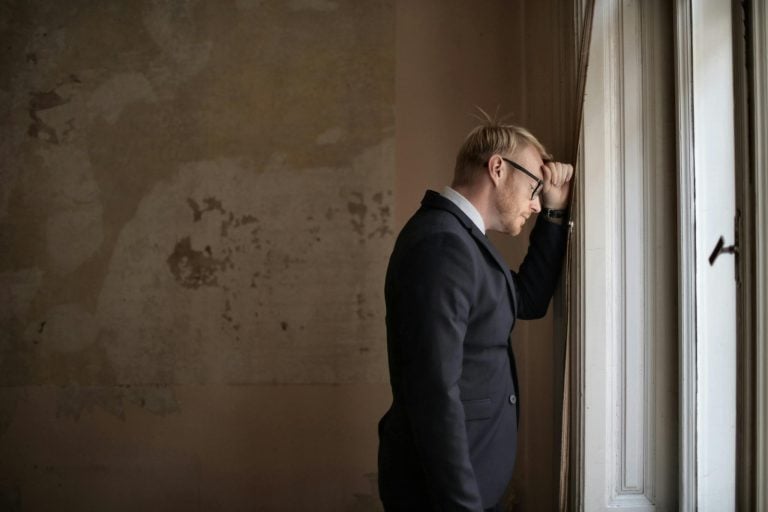
The 1950s and 1960s marked a fascinating period in personality psychology, when the Myers-Briggs Type Indicator was just beginning to emerge from Katharine Briggs and Isabel Myers’ decades of research. During these transformative decades, the distribution of personality types looked remarkably different from what we see today, shaped by cultural expectations, social norms, and the very different world people inhabited.
Understanding how personality types were distributed during this era offers valuable insights into how culture shapes the expression of our cognitive preferences. The post-war boom, the rise of corporate America, and traditional gender roles all influenced which types seemed to thrive and which remained hidden in plain sight.

The corporate landscape of the 1950s and 1960s created an environment where certain personality types appeared to dominate, while others adapted their behavior to fit societal expectations. Our MBTI General & Personality Theory hub explores how these patterns evolved over time, but the mid-century period represents a unique snapshot of personality distribution influenced by unprecedented social conformity.
What Did Personality Distribution Look Like in the 1950s?
The 1950s personality landscape was heavily skewed toward what appeared to be extraverted, sensing, and judging preferences. However, this distribution likely reflected cultural pressure to conform rather than true personality prevalence. According to research from the American Psychological Association, the decade’s emphasis on social conformity meant that many introverts learned to mimic extraverted behaviors in professional and social settings.
During my years in advertising, I often wondered how someone like me, an INTJ, would have survived in the Mad Men era. The answer is probably by developing a convincing extraverted mask, much like many introverts did during that time. The pressure to fit the “organization man” mold was intense, and personality assessments were still in their infancy.
The apparent dominance of certain types during this period included:
- ESTJ (The Executive) – Thrived in the hierarchical corporate structure
- ESFJ (The Consul) – Fit perfectly into traditional social roles
- ISTJ (The Logistician) – Valued for reliability and rule-following
- ISFJ (The Protector) – Aligned with nurturing, supportive expectations
These types weren’t necessarily more common than today, but they were more visible and socially rewarded. The cultural emphasis on duty, tradition, and clear social hierarchies created an environment where these personality preferences could flourish openly.
How Did Gender Roles Influence Personality Expression?
The rigid gender expectations of the 1950s and 1960s created a fascinating distortion in how personality types were perceived and expressed. Women were expected to embody feeling-oriented, nurturing qualities regardless of their actual cognitive preferences, while men were pushed toward thinking-oriented, decisive behaviors.
This cultural pressure meant that many women with strong Extraverted Thinking (Te) preferences learned to suppress or disguise these traits. Similarly, men with dominant feeling functions often masked their natural empathy and value-based decision making to appear more “rational” and authoritative.

Research from the Mayo Clinic suggests that suppressing natural personality preferences can lead to significant psychological stress over time. Many individuals from this era likely experienced what we now recognize as type-related burnout, though it wasn’t understood or labeled as such at the time.
The impact was particularly pronounced for:
- NT women: Often channeled their strategic thinking into behind-the-scenes roles
- NF men: Frequently pursued careers that allowed indirect expression of their values
- Introverted women: Expected to be social hostesses despite their energy preferences
- Extraverted women: Sometimes viewed as “too bold” if they expressed natural leadership tendencies
Understanding these historical patterns helps explain why so many people today struggle with mistyped MBTI results. Decades of cultural conditioning can make it challenging to identify our authentic cognitive preferences.
Which Types Were Hidden During This Era?
The 1950s and 1960s were particularly challenging for certain personality types that didn’t align with the era’s cultural values. Intuitive types, especially those with strong perceiving preferences, often felt like square pegs trying to fit into round holes.
The types that were most likely to remain hidden or misrepresented included:
INFP (The Mediator): The decade’s emphasis on conformity was antithetical to their need for authentic self-expression. Many INFPs likely appeared as ISFJs, focusing on service and harmony while keeping their deeper values private.
ENTP (The Debater): Their natural tendency to challenge ideas and explore possibilities clashed with the era’s preference for stability and tradition. Many likely channeled their innovation into acceptable outlets like advertising or engineering.
INFJ (The Advocate): Their complex inner world and future-focused thinking didn’t mesh well with the present-focused, practical concerns of the time. They often appeared as more conventional types while pursuing their vision quietly.

What strikes me most about this period is how many brilliant minds were probably operating in survival mode, using their auxiliary or tertiary functions to navigate a world that didn’t value their natural gifts. The cost of this psychological adaptation was enormous, though largely invisible at the time.
Studies from Psychology Today indicate that when individuals consistently operate outside their natural type preferences, they experience increased stress, reduced creativity, and lower life satisfaction. The 1950s and 1960s likely saw widespread type-related stress that was simply accepted as normal adult responsibility.
How Did Workplace Culture Shape Type Distribution?
The corporate world of the 1950s and 1960s was built around what we now recognize as a very specific set of cognitive preferences. The “organization man” ideal favored systematic thinking, hierarchical respect, and predictable behavior. This created an environment where certain types thrived while others learned to adapt or hide.
Having spent decades in corporate environments myself, I can imagine how suffocating this period must have been for anyone whose natural cognitive functions didn’t align with these expectations. The pressure to conform wasn’t just social pressure, it was economic survival.
The workplace hierarchy strongly favored:
- Te-dominant types: Their natural ability to organize systems and make efficient decisions was highly valued
- Si-dominant types: Their respect for tradition and attention to established procedures fit perfectly
- Fe-auxiliary types: Their ability to maintain harmony and read group dynamics was essential for team cohesion
Meanwhile, types that struggled in this environment included those with dominant Introverted Thinking (Ti) or Extraverted Sensing (Se). Introverted Thinking (Ti) users often found their need for logical analysis and independent problem-solving at odds with rigid corporate procedures. Extraverted Sensing (Se) users felt constrained by the era’s emphasis on long-term planning and risk aversion.

Research from the Cleveland Clinic shows that prolonged stress from operating outside our natural preferences can lead to what we now recognize as occupational burnout. The 1950s workplace likely created this condition for millions of workers who had no framework for understanding why their jobs felt so draining.
The advertising industry where I spent my career actually provided one of the few outlets for creative types during this era. Even there, the most successful professionals were those who could balance innovation with the systematic approach that clients expected. It was a delicate dance between authentic expression and cultural conformity.
What Can We Learn From Historical Type Patterns?
Studying personality distribution in the 1950s and 1960s reveals how powerfully culture shapes the expression of our cognitive preferences. This historical perspective offers valuable insights for understanding modern type distribution and the ongoing evolution of personality expression in society.
One of the most important lessons is that apparent type distribution often reflects cultural values rather than true prevalence. The dominance of certain types during this era likely says more about social expectations than actual personality frequency in the population.
This understanding is particularly relevant for modern type assessment. When working with clients who grew up during this era or were raised by parents from this generation, I often see the lingering effects of these cultural pressures. They may have learned to present as a different type than their natural preferences would suggest.
The difference between authentic type expression and culturally adapted behavior is something we explore in depth when examining E vs I preferences in Myers-Briggs. Many people who appear extraverted may actually be introverts who learned early to mask their natural energy patterns.

Key insights from this historical analysis include:
- Cultural pressure can mask true type: Social expectations may cause people to develop behaviors that contradict their natural preferences
- Hidden types emerge over time: As cultural norms shift, previously suppressed personality patterns become more visible
- Workplace design affects type expression: Organizational structures can either support or inhibit different cognitive preferences
- Generational patterns persist: The effects of cultural type suppression can influence multiple generations
According to data from the National Institutes of Health, understanding these historical patterns helps mental health professionals better assess and support individuals who may have spent decades operating outside their natural type preferences.
For those of us working in personality development today, this historical perspective reminds us that type distribution is not fixed. As cultural values continue to evolve, we’re likely seeing new patterns emerge that would have been impossible to imagine during the conformist decades of the mid-20th century.
How Did Social Movements Begin to Change Type Expression?
The late 1960s marked the beginning of significant cultural shifts that would eventually allow for more authentic personality expression. The civil rights movement, women’s liberation, and counterculture movements all challenged the rigid social expectations that had shaped apparent type distribution for decades.
These social movements created space for previously hidden personality types to emerge more openly. The emphasis on individual expression, questioning authority, and challenging traditional values aligned naturally with the cognitive preferences of many NF and NP types who had been operating in the shadows.
The impact was particularly notable in:
- Creative industries: Music, art, and literature began reflecting a wider range of personality perspectives
- Educational approaches: Alternative teaching methods emerged that supported different learning styles
- Workplace innovation: Some companies began experimenting with less hierarchical structures
- Personal relationships: Traditional gender roles started to loosen, allowing for more authentic expression
Research from the World Health Organization suggests that periods of social change often correlate with increased reports of psychological wellbeing among individuals whose natural preferences had been suppressed by previous cultural norms.
Looking back at my own career trajectory, I can see how the gradual cultural shift toward valuing diverse thinking styles created opportunities that wouldn’t have existed in the 1950s. The ability to succeed as an introverted leader became possible partly because society began to recognize that quiet leadership could be just as effective as charismatic authority.
The late 1960s represented a turning point where the apparent dominance of certain personality types began to give way to a more complex and authentic distribution. This shift would continue to accelerate in the following decades, fundamentally changing how we understand and express personality differences.
For more personality theory insights, visit our MBTI General & Personality Theory hub.
About the Author
Keith Lacy is an introvert who’s learned to embrace his true self later in life. After spending 20+ years running advertising agencies and working with Fortune 500 brands, he now helps other introverts understand their strengths and build careers that energize rather than drain them. His journey from trying to fit an extroverted mold to authentic leadership provides real-world insights for introverts navigating their own path. Keith’s experience spans the corporate world, entrepreneurship, and personal development, giving him a unique perspective on how personality type impacts professional success and personal fulfillment.
Frequently Asked Questions
Were introverts really less common in the 1950s and 1960s?
Introverts weren’t less common, but they were far less visible due to cultural pressure to conform to extraverted ideals. The post-war emphasis on social conformity, corporate team culture, and traditional gender roles made it professionally and socially advantageous to appear extraverted. Many introverts developed convincing extraverted personas to survive in this environment, making it appear that introversion was rare when it was actually just hidden.
How did the Myers-Briggs assessment account for cultural bias during this period?
The early Myers-Briggs assessments reflected the cultural context of their time, which likely skewed results toward socially acceptable personality patterns. Isabel Myers and Katharine Briggs were aware that social desirability could influence responses, but the tools for controlling cultural bias were limited. This means many early MBTI results probably reflected how people felt they should behave rather than their authentic preferences, contributing to the apparent dominance of certain types during this era.
Which personality types were most successful in 1950s corporate culture?
Types with strong Extraverted Thinking (Te) and Introverted Sensing (Si) functions thrived in 1950s corporate culture. ESTJs and ISTJs were particularly successful because they naturally aligned with the era’s emphasis on hierarchy, systematic processes, and traditional values. ESTJs excelled in leadership roles due to their natural ability to organize and direct, while ISTJs were valued for their reliability and attention to established procedures. However, this success often came at the cost of suppressing other valuable cognitive approaches.
How did gender expectations affect personality type expression during this period?
Gender expectations severely constrained authentic personality expression, forcing many people to suppress their natural cognitive preferences. Women with strong Thinking preferences were expected to prioritize Feeling-based decisions and nurturing behaviors, while men with dominant Feeling functions learned to mask their empathy and value-based reasoning. This created a generation of people who became skilled at operating outside their natural type, often leading to chronic stress and reduced life satisfaction that wasn’t understood at the time.
What lessons can modern workplaces learn from 1950s personality patterns?
Modern workplaces can learn that organizational culture powerfully shapes which personality types feel comfortable expressing their authentic preferences. The 1950s corporate model, while efficient in some ways, likely wasted enormous human potential by forcing people to operate outside their natural strengths. Today’s most innovative companies recognize that diversity of cognitive approaches leads to better problem-solving and creativity. The key lesson is that inclusive environments don’t just feel better for employees, they actually produce superior business outcomes by allowing all personality types to contribute their unique perspectives.