
Standing in your kitchen at 7 PM, staring into an open refrigerator while your brain refuses to cooperate is a uniquely exhausting experience. You spent the entire day making decisions at work, navigating social interactions, and managing your energy reserves. Now the universe expects you to figure out dinner too?
I know this feeling intimately. During my years running an advertising agency, I would come home completely depleted from back to back client meetings and creative reviews. The thought of deciding what to eat felt like one decision too many. Most nights I would default to whatever required zero thought, which usually meant a disappointing bowl of cereal or ordering takeout I did not actually want.
Living alone as an introvert comes with incredible freedoms. You control your environment, your schedule, and your space entirely. But it also means every household decision falls on your shoulders alone. Meal planning might sound like a mundane topic, but for solo living introverts, it becomes a powerful tool for protecting your mental energy and creating the peaceful home life you crave.
Why Decision Fatigue Hits Introverts Harder
Research suggests the average person makes over 35,000 decisions daily, with more than 200 of those decisions specifically about food. For introverts, this constant decision making compounds with the energy we already expend on social navigation and environmental processing. By evening, our mental reserves have often run completely dry.
What’s your personality type?
Take our free 40-question assessment and get a detailed personality profile with dimension breakdowns, context analysis, and personalised insights.
Discover Your Type8-12 minutes · 40 questions · Free
A landmark study published in the International Journal of Behavioral Nutrition and Physical Activity found that people who engage in meal planning demonstrate better dietary quality, increased food variety, and lower odds of being overweight. The study examined over 40,000 participants and discovered that 57% who planned meals at least occasionally showed significant improvements in nutritional outcomes compared to non planners. The University of Iowa’s Community Health Collaborative notes that meal planning also contributes to lower rates of obesity and improved food variety across study populations.
What the research confirms is something I discovered through trial and error during my busiest professional years. When I finally started planning meals ahead of time, I was not just eating better. I was preserving mental energy for the things that actually mattered to me.
The Introvert Advantage in Solo Meal Planning
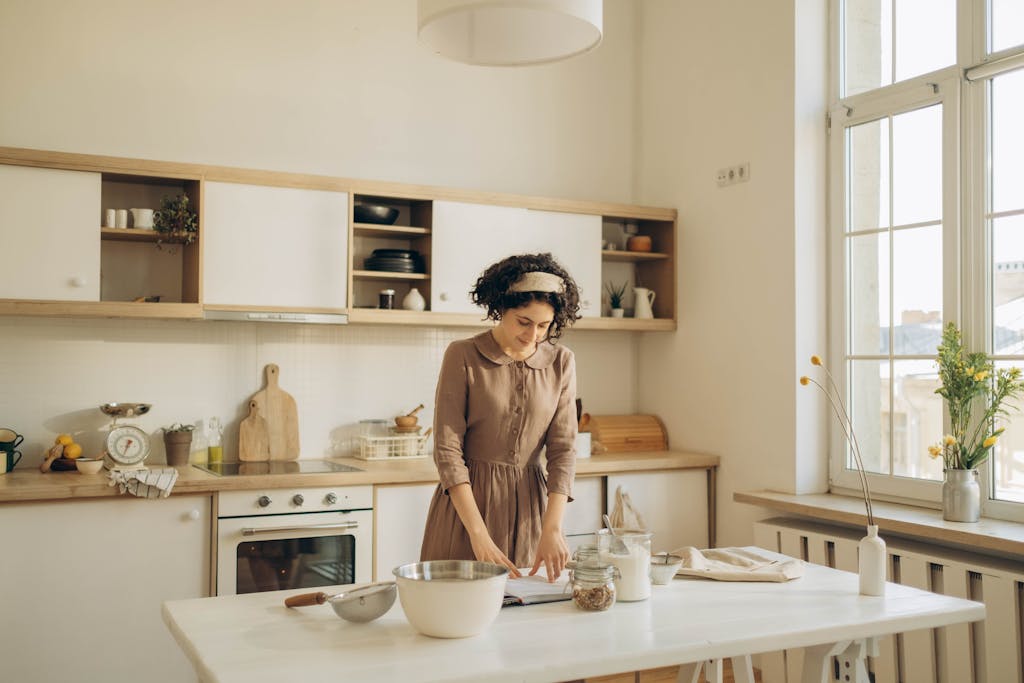
Here is something most meal planning advice overlooks. Introverts actually possess natural advantages when it comes to solo food preparation. Our tendency toward thoughtful planning, preference for routine, and comfort with solitude align perfectly with the requirements of effective meal planning.
According to Psych Central, introverts draw energy from within and often find solitude restorative rather than lonely. This means the quiet act of cooking for yourself can become a meditative practice rather than a chore. You are not missing out on social dinners. You are creating a sanctuary experience in your own kitchen.
I used to feel guilty about eating alone so often. Society seemed to suggest that solo dining was somehow sad or deficient. It took me years to recognize that my quiet evenings with a home cooked meal represented exactly the kind of recharging my introverted brain needed. Those solitary dinners became some of my most peaceful moments.
Creating Your Introvert Friendly Meal Planning System
The key to sustainable meal planning as a solo introvert lies in designing a system that reduces cognitive load rather than adding to it. Forget the elaborate spreadsheets and complex recipes that require seventeen ingredients. Your goal is simplification that serves your actual life.
Start by identifying your anchor meals. These are five to seven dinners you genuinely enjoy, can prepare easily, and feel satisfied eating regularly. For me, this includes things like roasted vegetables with grains, simple stir fries, and sheet pan proteins with whatever vegetables I have on hand. These anchor meals become your rotation foundation.
A recent article in The Conversation highlighted research showing that true solitude requires intentionally carving out time and space to connect with ourselves. Meal preparation offers exactly this opportunity. When you approach cooking as a form of self care rather than a household obligation, the entire experience shifts.
The Sunday Strategy Session
One of the most effective approaches I have found involves spending 15 to 20 minutes each Sunday reviewing the week ahead. This is not about creating elaborate menus. It is about making decisions when your brain has capacity so you do not have to make them when you are depleted.
Look at your calendar first. Which evenings have commitments? Those might need quick, minimal effort meals. Which nights offer you genuine downtime? Those could include more involved cooking if you find it enjoyable. Match your meal complexity to your anticipated energy levels.
During my agency days, Wednesdays were always brutal. Back to back meetings, creative presentations, and often client dinners that left me completely drained. I learned to schedule my simplest meals for Wednesday nights. A grain bowl with pre chopped vegetables and a rotation protein took maybe ten minutes and required almost no mental engagement. That predictability became a small but significant relief during overwhelming weeks.
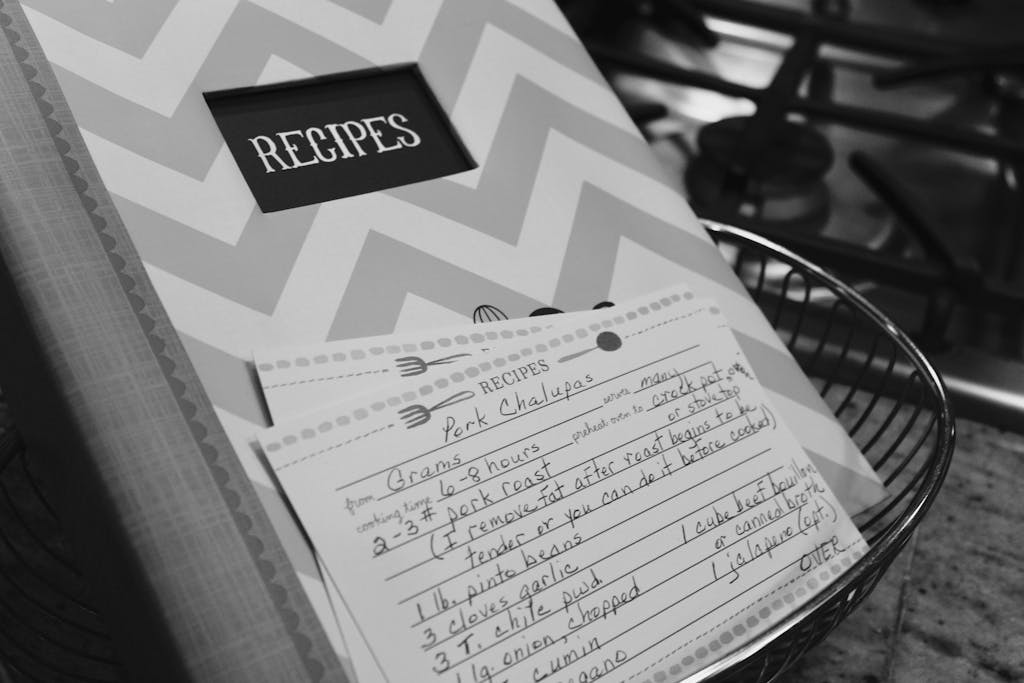
The Healthy Food Guide recommends developing a recipe bible of tested, reliable meals that you know work well in your household. For solo living introverts, this collection becomes particularly valuable because you are the only taste tester who matters.
Batch Cooking Without Burnout
Traditional batch cooking advice often assumes you have endless weekend hours and genuine enthusiasm for spending them in the kitchen. For many introverts, especially those who need weekends to recover from socially demanding work weeks, this approach can feel like yet another obligation.
Instead, consider what I call incremental batch cooking. Rather than dedicating entire afternoons to meal prep, you integrate small batch tasks into your natural rhythm. Making rice for tonight? Double the batch and refrigerate half for later in the week. Roasting vegetables? Add an extra sheet pan that becomes tomorrow’s lunch base.
This approach works because it respects introvert energy patterns. You are not forcing yourself into performative productivity. You are simply making slightly more of things you are already making. The mental overhead stays minimal while the practical benefits accumulate.
The Grocery Store Strategy
For many introverts, grocery shopping presents its own set of challenges. The fluorescent lights, the crowds, the small talk with checkout clerks. All of this depletes energy before you even begin cooking.
Meal planning transforms grocery shopping from a recurring decision making marathon into a simple execution task. When you know exactly what you need for the week, you can move through the store with purpose rather than wandering aisles hoping inspiration strikes.
I eventually developed a system where I shop the same store, follow roughly the same route, and buy largely the same categories of items each week. This routine might sound boring to some, but for my introvert brain, the predictability feels liberating. I am not expending mental energy on navigation or comparison shopping. I am simply restocking my kitchen with known quantities.
Online grocery ordering has also become a valuable tool for solo introverts. Yes, you sacrifice some produce inspection and impulse discovery. But you gain the ability to shop from your couch during your highest energy hours, completely eliminating the sensory overwhelm of physical stores.
Cooking as Quiet Ritual
Something shifts when you begin viewing meal preparation as a form of meditation rather than a task to complete. The chopping becomes rhythmic. The sizzling sounds become grounding. The process of creating something nourishing for yourself becomes an act of self respect.
Many introverts find that mindfulness practices help them process their days and restore equilibrium. Cooking offers a natural opportunity for this kind of present moment awareness. You cannot effectively chop vegetables while ruminating about tomorrow’s meeting. The task requires just enough attention to keep you grounded without demanding excessive cognitive resources.
I learned the hard way that rushing through meal prep while mentally replaying work conversations produced neither good food nor genuine recovery. When I finally slowed down and gave myself permission to treat cooking as transition time between work mode and evening mode, my relationship with food preparation completely changed.

Dealing with Portion Challenges
One of the practical frustrations of solo cooking involves portions. Recipes typically serve four to six people. Produce comes in quantities designed for families. The math of solo eating can feel like it works against you.
The solution lies in reframing leftovers as intentional future meals rather than afterthoughts. When you cook a recipe that serves four, you are not making too much. You are making tonight’s dinner plus two or three lunches or future dinners. This perspective shift transforms what might feel like waste into efficient planning.
For produce, focus on versatile items that work across multiple meals. A head of cauliflower can become roasted florets one night, riced cauliflower the next, and soup base later in the week. Leafy greens serve as salad foundations, cooking greens, or smoothie additions. Buy with multiple uses in mind rather than single recipe requirements.
Understanding your actual eating patterns also helps with developing wellness practices that truly support your introverted nature. Some solo introverts prefer eating the same meal multiple days in a row. Others need variety to stay interested. Neither approach is wrong. Both simply require different planning strategies.
The Freezer as Your Ally
Your freezer represents one of the most underutilized tools for solo introvert meal planning. Those nights when cooking feels impossible but takeout feels like defeat? A well stocked freezer offers a third option.
Soups and stews freeze beautifully and reheat quickly. Cooked grains like rice and quinoa defrost in minutes. Pre portioned proteins thaw overnight in the refrigerator. Building this freezer inventory during higher energy periods creates insurance for lower energy moments.
I think of my freezer stash as a gift from past me to future me. When I am feeling motivated on a Saturday afternoon, I might make a double batch of something and portion half for freezing. Three weeks later, when exhaustion hits, that frozen meal feels like a small miracle of advance planning.
Managing Social Expectations Around Solo Eating
Friends and family sometimes express concern about introverts who eat alone regularly. Their worry, while often well intentioned, can create guilt or pressure to socialize more than feels comfortable. Learning to respond to these concerns with confidence matters for maintaining your boundaries.
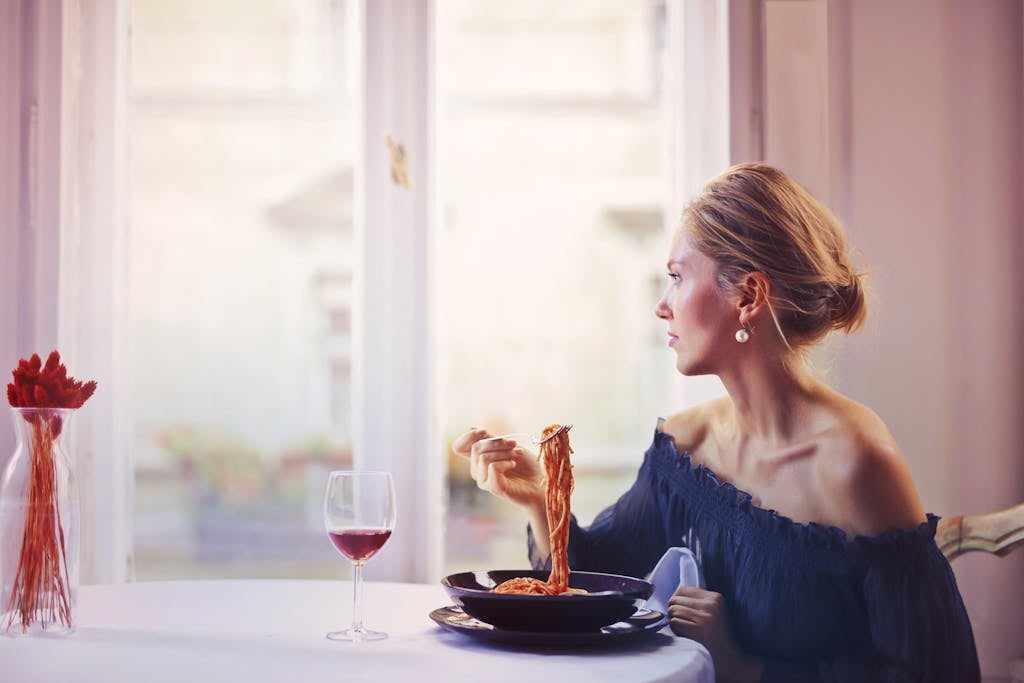
You might explain that solo meals represent intentional self care rather than isolation. The practices that help introverts thrive often look different from what extroverted culture expects. Eating alone allows you to decompress, to enjoy food without performance, and to recharge for future social engagement.
I eventually became comfortable saying something like, “I really enjoy quiet dinners at home. It is how I recharge so I can show up fully for the social events I do choose to attend.” This reframing helps others understand that solo eating is a feature of your self care system, not a problem requiring their solutions.
Building Sustainable Habits
The goal of meal planning for solo introverts is not perfection. It is creating sustainable systems that reduce friction and preserve energy over time. You will have weeks where the plan falls apart. You will order pizza when you intended to cook. You will forget to defrost the thing you planned to make.
What matters is the general trajectory. A system that works 70% of the time still represents significant improvement over constant decision fatigue. Flexibility within structure serves introverts better than rigid rules that generate shame when broken.
According to research on decision fatigue and food choices, even partial implementation of planning strategies produces measurable benefits. You do not need a perfect system. You need a good enough system that you actually use.
Starting Simple
If meal planning feels overwhelming, start with the smallest possible step. Plan just three dinners for the coming week. Write them on a sticky note. Buy only the ingredients you need for those three meals. See how it feels.
The following week, maybe add one more planned dinner. Or stick with three if that feels like the right number. There is no competition here. No achievement unlocked for planning more meals than you actually need to plan. The measure of success is whether the system reduces your stress and supports your wellbeing.
For solo living introverts, meal planning is ultimately about reclaiming agency over one of life’s most fundamental needs. Food preparation does not have to be another source of depletion. With thoughtful systems tailored to your actual energy patterns and preferences, cooking for yourself can become one of the quietest, most satisfying parts of your day.
Your kitchen is not just a place where you make food. It is a space where you practice self care, honor your need for solitude, and nourish both body and mind. That transformation begins with a simple question: What would make feeding yourself feel less like a burden and more like a gift?
Frequently Asked Questions
How do I stay motivated to cook when I am the only one eating?
Reframe solo cooking as self care rather than obligation. Focus on meals you genuinely enjoy rather than what you think you should eat. Create pleasant rituals around mealtime like setting a nice table or playing favorite music. Remember that feeding yourself well is an act of self respect, not a performance for others.
What is the ideal number of meals to plan each week for a solo introvert?
Start with planning three to five dinners weekly and adjust based on your actual patterns. Some solo introverts prefer more structure while others need flexibility. The right number is whatever reduces your stress without creating pressure. Leave room for spontaneity, takeout nights, and eating leftovers.
How can I reduce food waste when cooking for one?
Embrace leftovers as planned future meals rather than waste. Choose versatile ingredients that work across multiple recipes. Use your freezer strategically for portions you cannot eat immediately. Shop with specific meal plans in mind rather than aspirational quantities. Consider smaller package sizes even when they cost slightly more per unit.
Is it normal to prefer eating alone as an introvert?
Absolutely. Introverts often find solo meals restorative because they eliminate social performance pressure and allow genuine decompression. Preferring to eat alone does not indicate isolation or loneliness. It reflects a healthy understanding of how you recharge and a commitment to meeting your own needs.
What should I do on nights when cooking feels completely impossible?
Build a backup system before you need it. Stock your freezer with pre made meals for exhausted nights. Keep simple assembly options available like quality bread, cheese, prepared hummus, and cut vegetables. Accept that some nights call for cereal or takeout without guilt. The goal is sustainable patterns, not perfection every single evening.
Explore more Solitude, Self-Care & Recharging resources in our complete Solitude, Self-Care & Recharging Hub.
About the Author
Keith Lacy is an introvert who’s learned to embrace his true self later in life. With a background in marketing and a successful career in media and advertising, Keith has worked with some of the world’s biggest brands. As a senior leader in the industry, he has built a wealth of knowledge in marketing strategy. Now, he’s on a mission to educate both introverts and extroverts about the power of introversion and how understanding this personality trait can unlock new levels of productivity, self-awareness, and success.