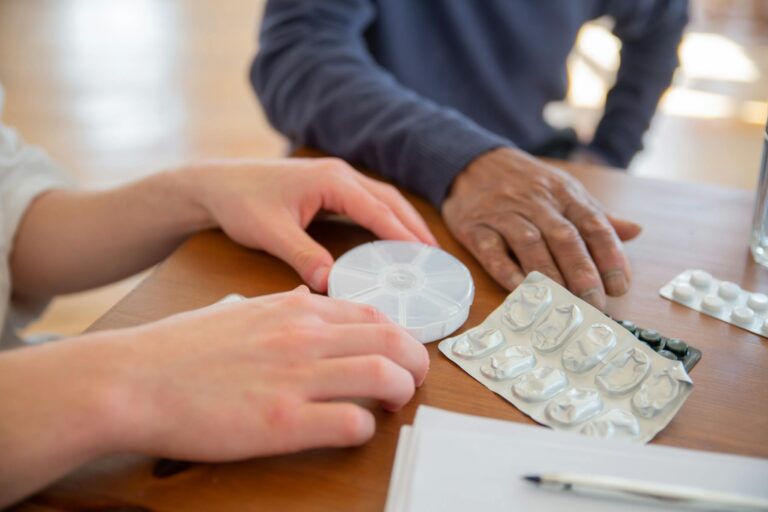

When my psychiatrist suggested trying a third antidepressant after two previous medications failed to lift my depression, I felt exhausted by the prospect. As an introvert who processes everything internally, I had spent months analyzing why the first two treatments hadn’t worked, wondering if something about my wiring made me fundamentally resistant to help. That kind of rumination is common for us.
Treatment-resistant depression affects approximately 30% of people with major depressive disorder. For introverts, this condition carries unique challenges that compound both the biological and psychological dimensions of the illness. Our natural tendency toward internal processing, combined with the exhausting nature of repeatedly explaining symptoms to healthcare providers, creates additional barriers to finding effective treatment.

Understanding Treatment-Resistant Depression
Treatment-resistant depression occurs when depression fails to respond adequately to at least two different antidepressant medications given at appropriate doses for sufficient duration. Evidence from a comprehensive 2023 review in World Psychiatry confirms this affects roughly one-third of people diagnosed with depression, though estimates range from 6% to 55% depending on how you define treatment resistance.
What’s your personality type?
Take our free 40-question assessment and get a detailed personality profile with dimension breakdowns, context analysis, and personalised insights.
Discover Your Type8-12 minutes · 40 questions · Free
The condition differs from simply experiencing a slow medication response. A 2024 study published in Molecular Psychiatry examined 278 subjects who had tried multiple treatments without success. What distinguishes treatment resistance is the pattern of inadequate response despite optimal medication trials, proper dosing, and patient adherence.
During my years leading creative teams in advertising, I observed how depression manifested differently across personality types. The extroverts on my team would often verbalize their struggles, seeking external processing and immediate feedback. When their medications worked, the shift was visible to everyone around them. For introverts like myself, depression operates in a more insidious way internally, making it harder to recognize when treatment is actually working or failing.
Why Medication Resistance Happens
Several factors contribute to medication resistance, and many intersect with introvert characteristics in meaningful ways. Childhood adversity, for instance, significantly predicts poor antidepressant response. Research shows that only 16% of people with early childhood trauma achieved remission after eight weeks of standard antidepressant treatment, compared to 84% without trauma history.
Biological factors include genetic variations in how we metabolize medications. Some people are rapid metabolizers who process antidepressants too quickly for therapeutic effect. Others have enzyme variations that affect drug absorption and effectiveness. A 2025 review examining psychological therapy effectiveness found that multiple biological and environmental factors combine to create treatment resistance.

For introverts specifically, several patterns emerge. We often delay seeking help until depression becomes severe, waiting until internal resources are completely depleted. This delay means we’re starting treatment with more entrenched symptoms. We may also struggle with the inherently extroverted structure of most psychiatric appointments, where rapid disclosure to relative strangers contradicts our natural communication style.
I remember sitting in my first psychiatrist’s office, trying to condense months of internal processing into a fifteen-minute appointment. The mismatch between my internal experience and what I could articulate created diagnostic challenges. My therapist later told me she had initially underestimated the severity of my depression because I presented so calmly and analytically.
The Introvert Experience of Treatment Failure
When antidepressants don’t work, introverts face distinct psychological challenges. We tend to internalize failure, constructing elaborate theories about why we’re “treatment resistant.” This self-analysis, while sometimes insightful, can devolve into harmful rumination that worsens depression.
The process of trying multiple medications exhausts our already limited social energy. Each new medication requires explaining symptoms again, managing side effects, waiting weeks for results, then starting over. For someone who finds even routine medical appointments draining, this cycle becomes particularly depleting. Recognizing depression patterns early becomes crucial for preventing this exhausting cycle.
Anhedonia, the inability to feel pleasure, affects 35% to 75% of depressed patients and may predict medication resistance for those taking SSRIs. For introverts, anhedonia eliminates our core coping mechanism: the ability to recharge through solitary activities we enjoy. When reading, creative projects, or quiet reflection no longer provide satisfaction, we lose access to our natural resilience strategies.
During my worst period, I couldn’t enjoy any of the activities that normally restored me. Books sat unread. Music felt like noise. The strategic thinking that had defined my career became impossible. For introverts, this loss of internal refuge creates a particularly devastating form of depression. Understanding mood optimization strategies tailored to introvert needs becomes essential.
Comprehensive Treatment Approaches Beyond Medication
When medications fail, multiple alternative treatment pathways exist. Evidence from a 2024 randomized controlled trial demonstrated that adding cognitive behavioral therapy to medication management significantly improved outcomes in pharmacotherapy-resistant depression. At 16 weeks, 55% of patients receiving combined treatment achieved remission compared to 31% receiving medication alone.
Cognitive behavioral therapy works particularly well for introverts because it aligns with our natural analytical tendencies. The structured approach to identifying thought patterns, testing assumptions, and gradually modifying behavior suits our preference for logical frameworks. The homework components allow processing between sessions rather than requiring constant real-time emotional expression.
Newer treatments show promise specifically for treatment-resistant cases. Intranasal esketamine, approved by the FDA in 2019, demonstrated rapid antidepressant effects in people who had failed multiple prior treatments. A recent trial reported 27% remission rates at eight weeks with esketamine plus antidepressants, compared to 18% with quetiapine alone.
Brain stimulation therapies offer non-medication alternatives. Repetitive transcranial magnetic stimulation involves using magnetic fields to stimulate specific brain regions. A 2024 effectiveness study comparing augmentation with aripiprazole or rTMS versus switching to venlafaxine found rTMS augmentation produced greater symptom reduction with moderate to large effect sizes.
Electroconvulsive therapy, despite outdated stigma, remains highly effective for severe treatment-resistant depression. Modern protocols use refined techniques that minimize cognitive side effects while maintaining efficacy. Average remission rates approach 48% in non-psychotic treatment-resistant depression.
Managing the process of bipolar management or exploring options for medication decisions requires understanding multiple treatment modalities. When standard approaches fail, knowing the full range of options becomes crucial.
Psychotherapy as a Core Component
Manual-based psychotherapies, while not sufficient as standalone treatments in medication-resistant cases, provide significant symptom relief when combined with other interventions. Meta-analysis from 2025 research showed psychotherapy added to usual treatment produced moderate effect sizes, with Mindfulness-Based Cognitive Therapy, standard CBT, and Cognitive Therapy all showing significant benefits.
For introverts, therapy works best when the therapist understands our communication style. We need time to process before responding. We benefit from written exercises and structured frameworks. We prefer depth over breadth in sessions rather than covering multiple topics superficially.

When I finally found a therapist who understood introversion, treatment became far more effective. She allowed silence for reflection rather than filling every moment with questions. She assigned reading and writing between sessions that let me process at my own pace. Most importantly, she recognized that my analytical approach wasn’t avoidance but rather my genuine path to emotional insight.
Interpersonal psychotherapy addresses relationship patterns and social functioning, areas where introverts often struggle when depressed. The structured format focuses on specific relationship problems, communication patterns, and role transitions. Studies show comparable efficacy to CBT, with response rates around 60% when combined with medication.
Building a Treatment Plan That Works
Creating effective treatment plans for medication-resistant depression requires systematic approaches that acknowledge introvert needs. Start by ensuring accurate diagnosis, as misdiagnosis contributes to pseudo-resistance. Approximately half of treatment resistance cases involve inadequate treatment trials rather than true medication resistance.
Verify that previous medication trials met adequate standards. This means appropriate dosing, sufficient duration (typically 4-6 weeks at therapeutic levels), and proper adherence. Many introverts discontinue medications due to side effects without discussing alternatives with providers. Our tendency to manage problems independently can sabotage treatment adherence.
This connects to what we cover in psychiatric-medication-side-effects-for-introverts.
Consider pharmacogenomic testing for people with multiple medication failures. Some genetic variations affect how we metabolize antidepressants, particularly CYP2D6 and CYP2C19 enzymes. Rapid metabolizers may need higher doses or different medications. While not routine, genetic testing can reveal why certain medications haven’t worked.
Track symptoms systematically rather than relying on memory. Introverts often maintain internal narratives about their depression without documenting objective changes. Use rating scales like the PHQ-9 or mood tracking apps to identify subtle improvements that might otherwise go unnoticed. This data proves invaluable during psychiatric appointments.
During my treatment journey, I created a detailed symptom journal tracking sleep, mood, energy, concentration, and social capacity. This revealed patterns I hadn’t consciously noticed: my medication was helping with sleep and concentration but not addressing the emotional numbness or motivation problems. That specificity let my psychiatrist make more informed adjustments.
Address comorbid conditions that interfere with treatment response. Anxiety disorders, which affect many introverts, predict poorer antidepressant outcomes. Understanding the connection between depression and introversion helps identify when anxiety, personality traits, or environmental factors compound treatment resistance.
Lifestyle Factors That Support Treatment
While medication and therapy form the foundation of treatment, lifestyle factors significantly influence outcomes in medication-resistant depression. Physical activity demonstrates consistent antidepressant effects, with structured exercise programs producing moderate improvements even in treatment-resistant cases.

For introverts, solitary activities like walking, swimming, or yoga work better than group fitness classes. The social demands of group exercise can create additional stress that undermines the mental health benefits. I found that early morning walks before my neighborhood became active provided both physical activity and the solitude I needed to process my day ahead.
Sleep quality profoundly affects depression treatment outcomes. Insomnia and hypersomnia both predict treatment resistance. Introverts often use sleep to escape overwhelming emotions, creating unhealthy patterns that medications alone cannot address. Cognitive behavioral therapy for insomnia, combined with antidepressants, improves outcomes beyond medication alone.
Social connection, even for introverts, plays a protective role. This doesn’t mean constant socializing, but rather maintaining a few meaningful relationships with people who understand your need for solitude. Quality matters more than quantity. Regular contact with one or two trusted people who accept your introversion provides crucial support without overwhelming your social capacity.
Nutrition influences both medication effectiveness and overall mental health. Omega-3 fatty acids, folate, and vitamin D deficiencies correlate with treatment resistance. Mediterranean-style diets rich in vegetables, fish, and whole grains show modest antidepressant effects. For introverts who find meal planning meditative, this represents an area of control in an otherwise frustrating treatment process.
Minimizing alcohol use becomes crucial, as alcohol interferes with antidepressant effectiveness and worsens depressive symptoms. Many introverts use alcohol to manage social anxiety or decompress after overstimulating days. Identifying healthier coping strategies for these specific triggers improves both mood and treatment response. Relapse prevention strategies often include addressing substance use patterns.
For more on this topic, see depression-after-death-of-parent-for-introverts.
Managing the Emotional Burden
The psychological toll of medication-resistant depression extends beyond symptoms themselves. Repeated treatment failures erode hope and self-efficacy. For introverts, who tend toward self-criticism and internal attribution, each failed medication can feel like personal failure rather than a biological reality.
Developing self-compassion becomes essential. Treatment resistance reflects complex biological factors, not personal weakness. Depression itself impairs the cognitive flexibility needed to maintain perspective about treatment setbacks. Recognizing this doesn’t eliminate frustration but can reduce the additional suffering caused by self-blame.
The financial burden compounds the emotional strain. Multiple medication trials, specialist appointments, therapy sessions, and potential alternative treatments create significant costs. For introverts who often work in fields that value deep focus over social performance, depression’s cognitive effects threaten career stability just when financial security becomes crucial.
I spent years justifying every medical expense, calculating the cost-benefit of each appointment, delaying treatment adjustments to avoid additional costs. This financial stress interfered with treatment itself, creating a vicious cycle. Eventually, I had to reframe mental healthcare as essential infrastructure for my life rather than optional spending.
Managing expectations while maintaining hope requires delicate balance. Some people with treatment-resistant depression achieve full remission with the right combination of interventions. Others find that modest improvement in symptom severity significantly enhances quality of life even without complete resolution. Accepting incremental progress while continuing to pursue better outcomes represents a mature approach to chronic illness.
Workplace Considerations
Treatment-resistant depression carries significant workplace implications. Higher rates of disability, absenteeism, and reduced productivity affect approximately 30% of people with this condition. For introverts in professional roles, depression’s cognitive symptoms particularly impair performance.
Strategic thinking, analytical capability, and attention to detail suffer under depression. These are often the exact strengths that allowed introverts to succeed professionally. When depression compromises these abilities, it threatens not just job performance but core identity. Working from home with depression presents both challenges and potential accommodations.
Consider workplace accommodations under disability law. Flexible scheduling for medical appointments, option to work from home, modified deadlines during treatment adjustments, and reduced social requirements during severe episodes can preserve employment while allowing treatment to take effect. Many introverts hesitate to request accommodations, viewing them as admissions of weakness rather than pragmatic adjustments.
During my worst period, I negotiated a temporary reduction in client-facing responsibilities while maintaining my strategic planning work. This allowed me to contribute meaningfully while conserving energy for treatment. The accommodation required advocating for my needs, something that felt deeply uncomfortable but ultimately preserved both my position and my mental health.
When to Consider Specialized Care
If depression fails to respond to two adequate medication trials, consultation with a psychiatrist specializing in treatment-resistant depression becomes advisable. These specialists understand the nuances of medication combinations, augmentation strategies, and alternative treatments. They’re familiar with the latest research and clinical trials that general practitioners may not follow closely.
Comprehensive medication management requires systematic tracking of symptoms, side effects, and functional capacity. Measurement-based care, where specific rating scales inform treatment decisions, improves outcomes. Many specialists use this approach routinely, though it’s less common in general practice.
Consider intensive outpatient or partial hospitalization programs for severe cases. These programs provide structured support without full hospitalization. For introverts, the group therapy components may feel challenging, but the comprehensive treatment approach and daily monitoring can break through treatment resistance when outpatient care hasn’t worked.
Clinical trials offer access to investigational treatments before FDA approval. Participating requires meeting specific criteria and accepting some uncertainty about treatment effects. However, trials studying psilocybin, novel neuromodulation techniques, and new medication classes may provide options when established treatments have failed.
Finding Hope in the Process
Medication-resistant depression challenges everything introverts rely on: our internal resources, analytical capabilities, and self-sufficiency. The condition forces uncomfortable dependence on healthcare systems and other people. For personality types that value independence, this dependency feels like failure.
Recovery from treatment-resistant depression rarely follows linear paths. Improvements may be incremental and uneven. Some symptoms improve while others persist. Setbacks occur during treatment adjustments. For introverts accustomed to solving problems through internal analysis and persistence, accepting the messy reality of psychiatric treatment requires cognitive flexibility.
The experience, however difficult, teaches valuable lessons about resilience and adaptation. Many introverts emerge from treatment-resistant depression with greater self-awareness, more developed coping strategies, and deeper compassion for themselves and others facing similar struggles. The journey itself, not just the destination, provides opportunities for growth.
I eventually found a combination that worked: a medication I’d tried previously at a different dose, coupled with weekly therapy and significant lifestyle modifications. The breakthrough came after three years of various treatment attempts. Looking back, I recognize that each “failed” treatment actually provided information that refined the approach. The analytical thinking I’d considered a liability became an asset in systematically identifying what worked.
Treatment resistance doesn’t mean treatment impossibility. It means the path to recovery requires persistence, creativity, and willingness to try multiple approaches. For introverts, this journey demands both honoring our natural preferences and stretching beyond our comfort zones. The combination of accepting who we are while remaining open to change creates the foundation for eventual improvement.
Explore more Depression & Low Mood resources in our complete hub.
About the Author
Keith Lacy is an introvert who’s learned to embrace his true self later in life. With a background in marketing and a successful career in media and advertising, Keith has worked with some of the world’s biggest brands. As a senior leader in the industry, he has built a wealth of knowledge in marketing strategy. Now, he’s on a mission to educate both introverts and extroverts about the power of introversion and how understanding this personality trait can unlock new levels of productivity, self-awareness, and success.
Frequently Asked Questions
What percentage of people have treatment-resistant depression?
Approximately 30% of people with major depressive disorder meet criteria for treatment-resistant depression, defined as inadequate response to at least two different antidepressant medications at adequate doses and duration. Real-world estimates range from 6% to 55% depending on the definition used and population studied.
Do introverts respond differently to antidepressants than extroverts?
While research hasn’t definitively established different medication response rates between introverts and extroverts, introverts face unique challenges in treatment adherence and communication with providers. Our tendency to delay seeking help, difficulty verbalizing symptoms, and preference for processing internally can affect treatment effectiveness regardless of medication efficacy.
What should I do if two antidepressants haven’t worked?
After two adequate medication trials fail, consult a psychiatrist specializing in treatment-resistant depression. Options include switching to different medication classes, augmentation strategies combining medications, psychotherapy additions like cognitive behavioral therapy, or exploring alternative treatments such as transcranial magnetic stimulation, esketamine, or electroconvulsive therapy.
Can therapy alone treat medication-resistant depression?
Current evidence doesn’t support psychotherapy as a standalone treatment for medication-resistant depression. However, adding cognitive behavioral therapy or other manual-based psychotherapies to medication management significantly improves outcomes. Meta-analyses show moderate effect sizes when psychotherapy augments other treatments in resistant cases.
How long should I try a new antidepressant before considering it ineffective?
Standard recommendation suggests 4-6 weeks at therapeutic dosing before assessing effectiveness. However, some people require 8-12 weeks for full response. Work with your psychiatrist to determine appropriate trial duration based on your symptom changes, side effects, and treatment history. Systematic symptom tracking helps identify subtle improvements.