
Meditation for overwhelm works by giving an overstimulated nervous system a structured pause, a chance to process rather than accumulate. For introverts especially, who tend to absorb more sensory and emotional information than most people realize, a consistent meditation practice can be the difference between functioning and barely surviving a demanding week. It doesn’t require hours of silence or a perfect environment. Even a few deliberate minutes can interrupt the spiral before it takes hold.
My own relationship with overwhelm wasn’t something I understood clearly until my late thirties. Running an advertising agency meant constant input: client calls, creative reviews, staff conflicts, deadline pressure, and the particular exhaustion of performing enthusiasm I didn’t always feel. I thought I was just bad at stress management. What I was actually experiencing was the compounded weight of an introvert’s nervous system pushed far past its natural limit, day after day, with no real recovery built in.
Meditation didn’t fix everything. But it gave me something I hadn’t had before: a way back to myself in the middle of the noise.
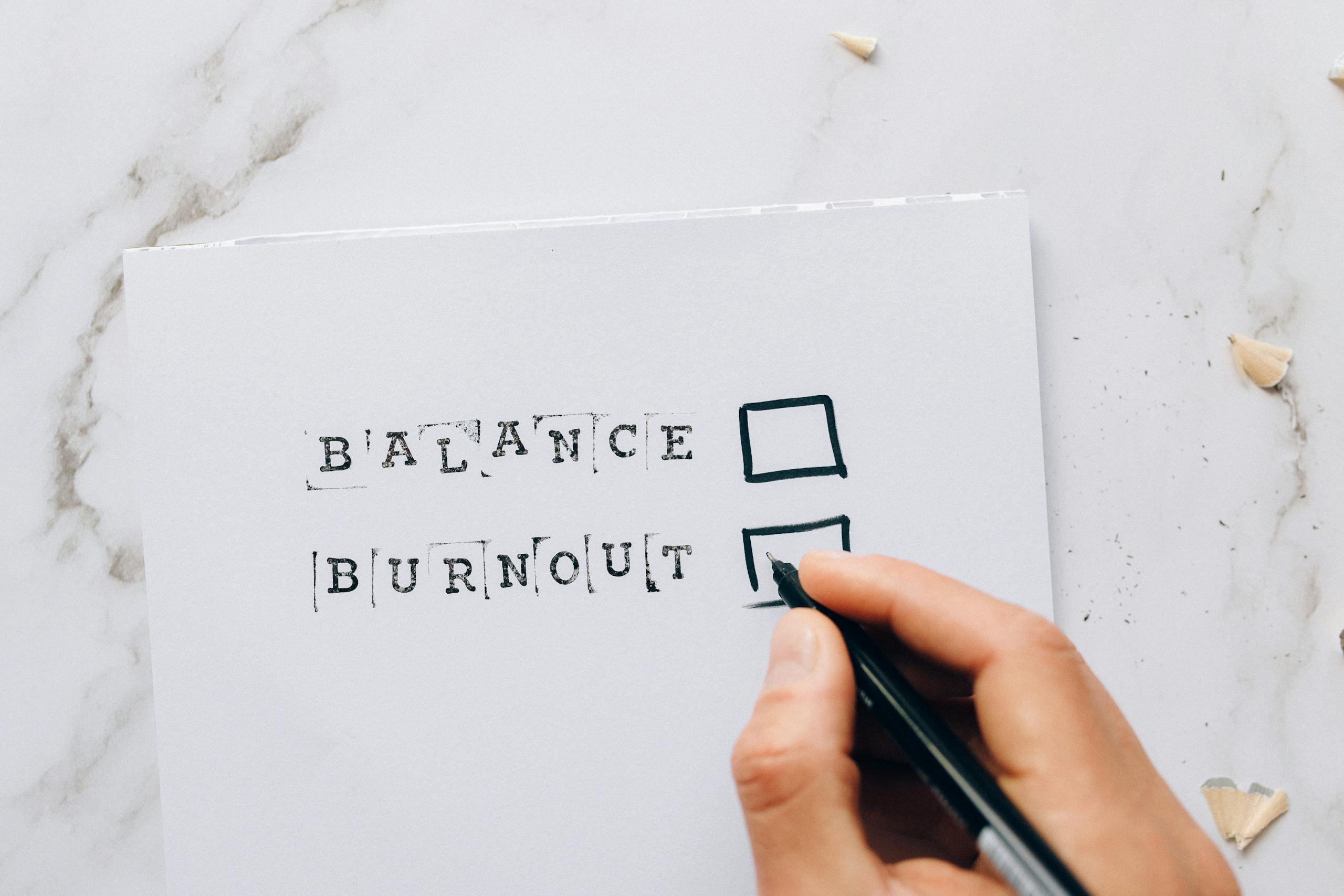
Managing that kind of overwhelm is deeply connected to how introverts handle energy at every level. Our full Energy Management and Social Battery hub explores the broader picture of how introverts can protect and restore their reserves, and overwhelm is one of the central threads running through all of it.
Why Does Overwhelm Hit Introverts So Hard?
There’s a neurological dimension to this that most people overlook. Cornell research into brain chemistry and personality has found that introverts and extroverts differ in how their brains respond to dopamine, the neurotransmitter associated with stimulation and reward. Extroverts tend to seek out more stimulation because their brains respond to it with stronger positive signals. Introverts are more sensitive to that same stimulation, which means what energizes an extrovert can genuinely overwhelm an introvert processing the exact same environment.
What drains your social battery?
Not all social exhaustion is the same. Our free quiz identifies your specific drain pattern and gives you personalised recharging strategies.
Find Your Drain PatternUnder 2 minutes · 8 questions · Free
I saw this play out in my agencies constantly. I’d bring in a new account director, someone socially confident, energized after a long client pitch, wanting to debrief over drinks. And I’d be standing there calculating how many hours until I could be alone in a quiet room. Same meeting. Completely different experience.
Psychology Today’s examination of why socializing drains introverts more than extroverts points to this same underlying difference in arousal thresholds. Introverts aren’t antisocial or fragile. Their nervous systems simply register input more intensely, which means they reach saturation faster and need more time to discharge that accumulated stimulation.
Add to that the introvert tendency to process deeply, to replay conversations, analyze outcomes, and sit with unresolved questions long after others have moved on, and you have a recipe for overwhelm that builds quietly until it becomes impossible to ignore.
This is also why so many introverts who identify as highly sensitive people find that getting drained happens faster than anyone around them seems to understand. It’s not weakness. It’s a nervous system doing exactly what it’s designed to do, just at a higher resolution than most.
What Does Meditation Actually Do for an Overwhelmed Brain?
When I first started meditating, I expected it to feel like rest. What I actually experienced in those early sessions was more like watching a traffic jam from a bridge. All the thoughts, the client I’d disappointed, the email I hadn’t answered, the presentation that needed reworking, they were still moving. But I wasn’t in the traffic anymore. I was watching it.
That shift in perspective is more than a metaphor. Meditation creates a measurable change in how the brain responds to stress. Research published in PubMed Central has examined mindfulness-based interventions and their effects on stress reduction, finding consistent evidence that regular practice changes how the nervous system responds to perceived threats, reducing the reactivity that drives overwhelm in the first place.

For introverts, this matters in a specific way. Our overwhelm often isn’t caused by a single dramatic event. It builds through accumulation, a day of back-to-back meetings, a week of social obligations, months of performing extroversion in a role that demands it. By the time the overwhelm becomes visible, it’s been building for a long time. Meditation doesn’t just treat the acute moment. Practiced consistently, it lowers the baseline level of arousal that makes accumulation possible in the first place.
There’s also something specifically useful about meditation for introverts who are also highly sensitive. If you’re someone who picks up on environmental details that others miss, who feels the tension in a room before anyone speaks, who carries the emotional residue of other people’s stress long after leaving their presence, then the sensory load you’re managing is genuinely heavier than average. Understanding how to work with that sensitivity, rather than against it, is something I’ve written about in more depth in the context of finding the right balance with HSP stimulation. Meditation fits naturally into that framework because it’s one of the few practices that actively reduces incoming stimulation while also building your capacity to handle it.
Which Types of Meditation Work Best for Overwhelm?
Not all meditation practices feel the same, and for introverts dealing with overwhelm, the type you choose matters more than most guides acknowledge.
Breath-Focused Meditation
This is where most people start, and for good reason. Focusing attention on the breath gives an overactive mind something concrete to return to. When thoughts arise, which they will, you notice them and bring your attention back. That act of returning is the practice. Over time, it builds a kind of mental flexibility that makes overwhelm less sticky.
I used breath-focused meditation during one of the most demanding stretches of my agency career, when we were simultaneously managing a product launch for a major consumer brand, onboarding a new creative team, and handling a contract dispute that had everyone on edge. Five minutes in the morning before my phone came off the nightstand. That’s all I could commit to. But those five minutes created a small buffer between waking up and being immediately consumed by the day’s demands, and that buffer changed things.
Body Scan Meditation
Overwhelm doesn’t just live in the mind. It lives in the body, in the tight shoulders, the shallow breathing, the jaw that’s been clenched since Tuesday. Body scan meditation moves attention systematically through different areas of the body, noticing sensation without trying to change it. For introverts who tend to live primarily in their heads, this practice creates a reconnection with physical experience that can interrupt the mental loop that sustains overwhelm.
This is particularly worth exploring if you also experience sensitivity to physical sensation. The way we hold tension in our bodies is often connected to how we process environmental input, and understanding tactile responses as a highly sensitive person can add meaningful context to what you notice during a body scan practice.
Open Monitoring Meditation
Rather than focusing on a single object like the breath, open monitoring meditation involves observing whatever arises in awareness without attachment. Sounds, sensations, thoughts, emotions all pass through the field of awareness without being grabbed onto or pushed away. For introverts who process deeply, this practice can feel more natural than forced concentration, because it works with the tendency to notice everything rather than against it.
The challenge is that open monitoring can initially amplify overwhelm for people who are already overstimulated. Starting with breath focus and moving to open monitoring as your practice stabilizes tends to work better for most introverts I’ve spoken with.
Loving-Kindness Meditation
This one surprised me. Loving-kindness, or metta meditation, involves directing warm attention toward yourself and others through a series of phrases or intentions. It sounds soft, and I’ll admit I was skeptical when a therapist first suggested it during a period when I was carrying a lot of unresolved tension from a difficult agency transition.
What I found was that it addressed a specific kind of overwhelm I hadn’t named clearly: the exhaustion that comes from spending years in a high-stakes environment where vulnerability felt dangerous. Loving-kindness created space to be less armored, which paradoxically made me more resilient. Additional PubMed Central research on mindfulness and wellbeing supports the idea that compassion-based practices have distinct benefits from attention-focused ones, suggesting that a varied meditation approach addresses overwhelm from multiple angles.

How Do You Build a Practice When You’re Already Overwhelmed?
This is the real problem, isn’t it? The time you most need a meditation practice is the time you’re least equipped to start one. When you’re already running on empty, the idea of adding one more thing, even a beneficial one, can feel like a demand rather than a resource.
Start smaller than you think necessary. Not twenty minutes. Not ten. Three minutes. Set a timer, find the least stimulating corner of your environment, and sit with your breath. That’s the whole practice in the beginning. You’re not trying to achieve a state. You’re trying to establish a habit anchor, a moment in your day that belongs to your nervous system and nothing else.
The environment matters more for introverts than most meditation guides acknowledge. Noise is a genuine obstacle, not just a preference. If you’re managing sensitivity to sound, the strategies in this piece on effective coping strategies for HSP noise sensitivity can help you create the conditions that make meditation actually accessible rather than aspirational.
Similarly, light matters. Harsh overhead lighting activates rather than calms the nervous system. Soft, warm light, or even meditating with eyes closed in a darker room, creates conditions that support the parasympathetic response you’re trying to access. This connects to broader patterns around HSP light sensitivity and how to manage it, which is worth understanding if you’ve ever noticed that certain environments make it harder to feel calm regardless of what you’re doing.
Timing also shapes outcomes. Most introverts find that meditating before entering the demands of the day works better than trying to fit it in afterward. Your nervous system is at its most receptive before it’s been loaded with the day’s input. I meditate before I open my laptop, before I check messages, before the world gets access to my attention. That sequence isn’t accidental. It’s protective.
What Happens to Your Energy When You Meditate Consistently?
The effects of consistent meditation on introvert energy management are cumulative and, in my experience, more significant than most people expect from a practice that looks so quiet from the outside.
The first thing I noticed, about six weeks into a daily practice, was that I had a longer runway before hitting overwhelm. The same kinds of days that would have left me completely depleted by early afternoon were now manageable into the evening. My threshold hadn’t changed, but my baseline had dropped enough that I was starting each day with more reserve.
This connects to something important about how introverts manage energy over time. It’s not just about individual recovery moments. It’s about the baseline level of activation you’re carrying into each situation. Truity’s examination of why introverts need their downtime explores this in useful terms, framing introvert energy not as a deficit but as a different relationship with stimulation that requires intentional management.
Meditation is one of the most efficient tools I’ve found for that management, because it doesn’t require you to be somewhere else, spend money, or wait for the right conditions. It’s available in the space between your last meeting and your next obligation. It works in a parked car, in a bathroom, in five minutes before a difficult conversation.
The second shift I noticed was in my emotional reactivity. As an INTJ, I’ve always had strong opinions and a clear sense of how things should work. What meditation gave me was a slightly longer pause between stimulus and response. That pause sounds small. In a client meeting where someone is pushing back on work I believed in, that pause was the difference between a defensive reaction and a considered one. My team noticed it before I did.

Can Meditation Replace Other Forms of Introvert Recovery?
No, and it’s worth being honest about that. Meditation is a powerful tool, but it works best as part of a broader approach to energy management rather than as a standalone solution.
Introverts who are also highly sensitive often need to address multiple dimensions of their sensory experience. The way you manage your physical environment, your exposure to noise, light, and touch, shapes how much you’re carrying into any given moment. Meditation helps process what’s already accumulated, but thoughtful protection of your energy reserves as an HSP is what prevents unnecessary accumulation in the first place. Both matter. Neither replaces the other.
Sleep is non-negotiable. Social boundaries are essential. Solitude isn’t a luxury for introverts, it’s maintenance. Meditation fits into this ecosystem as a daily practice that keeps the system functioning, not as a rescue operation you deploy only when things have gone wrong.
I made the mistake for years of treating recovery as reactive. I’d push through demanding periods telling myself I’d rest when the project was done, when the pitch was over, when things quieted down. Things rarely quieted down in the agency world. What I eventually understood was that recovery had to be structural, built into the architecture of how I worked rather than added on afterward.
Meditation became one of the structural elements. Not because it solved everything, but because it was reliable. I could do it anywhere, in any amount of time I had available, and it consistently moved my nervous system in the direction I needed it to go.
How Do You Know If Your Meditation Practice Is Working?
Most people expect meditation to feel dramatically different from the inside. They expect a sense of peace, a quieting of thoughts, a feeling of arrival. That’s not usually how it works, especially in the beginning.
The signs that your practice is working tend to show up in the rest of your life rather than during the meditation itself. You notice you’re less reactive in a difficult conversation. You catch yourself about to spiral into a familiar anxiety loop and find you can step back from it. You sleep a little more deeply. You recover from a hard day faster than you used to.
A Springer publication examining meditation and psychological wellbeing found that the benefits of mindfulness practice tend to extend beyond the practice session itself, influencing how practitioners respond to stress throughout their day. For introverts managing overwhelm, this generalization of effect is exactly what makes consistent practice worth the investment.
There’s also a subtler signal I’ve come to recognize: the quality of my internal silence. Before I had a consistent practice, silence felt like absence, like waiting for the next thing to happen. After a few months of regular meditation, silence started to feel like presence. That shift is hard to quantify, but it’s real, and it’s one of the clearest indicators that something has genuinely changed in how my nervous system relates to stillness.
Research published in Nature’s Scientific Reports has explored how mindfulness practices affect neural patterns over time, pointing toward measurable changes in how the brain processes experience with sustained practice. The science is still developing, but the direction is consistent: regular meditation changes not just how you feel during the practice, but how your brain handles stress between sessions.

Overwhelm doesn’t have to be the default state for introverts who are living full, demanding lives. The complete range of tools and perspectives for managing your energy as an introvert lives in our Energy Management and Social Battery hub, where meditation fits alongside the broader work of understanding and protecting how you function best.
Running on empty?
Five drain profiles, each with specific triggers, warning signs, and a recharging playbook.
Take the Free QuizUnder 2 minutes · 8 questions · Free
About the Author
Keith Lacy is an introvert who’s learned to embrace his true self later in life. After 20 years in advertising and marketing leadership, including running agencies and managing Fortune 500 accounts, Keith now channels his experience into helping fellow introverts understand their strengths and build fulfilling careers. As an INTJ, he brings analytical depth and authentic perspective to every article, drawing from both professional expertise and personal growth.
Frequently Asked Questions
How long does it take for meditation to help with overwhelm?
Most people notice some shift in their stress response within two to four weeks of consistent daily practice, even with sessions as short as five minutes. The more significant changes, lower baseline anxiety, faster recovery from difficult situations, and improved emotional regulation, tend to emerge over two to three months of regular practice. Consistency matters more than session length, especially in the beginning.
Is meditation for overwhelm different for introverts than for extroverts?
The core mechanics of meditation work the same way for everyone, but introverts often find that the conditions for practice matter more to them. Sensitivity to noise, light, and physical sensation can make certain environments actively counterproductive for meditation. Introverts also tend to find that the internal orientation of meditation feels more natural than extroverts typically report, which can make it easier to sustain as a habit once the initial friction of starting is overcome.
Can I meditate when I’m already in the middle of feeling overwhelmed?
Yes, and even a brief practice during acute overwhelm can help interrupt the stress response. Short breath-focused techniques, even two or three minutes of deliberate, slow breathing with attention on the physical sensation of each breath, can activate the parasympathetic nervous system and reduce the intensity of the overwhelm state. That said, a daily preventive practice works better than relying on meditation only as a crisis response.
Do I need to sit in silence to meditate effectively?
Silence is ideal but not required. Many people use white noise, soft ambient sound, or nature recordings to create a consistent auditory environment that supports focus without adding stimulation. Guided meditations through apps or recordings can also be effective, particularly when you’re new to the practice and find unstructured silence difficult to work with. What matters is reducing the unpredictable, attention-grabbing quality of environmental sound rather than eliminating sound entirely.
What’s the best time of day for introverts to meditate for overwhelm?
Morning practice, before engaging with demands, messages, or other people’s needs, tends to work best for most introverts. Starting the day with a period of intentional stillness creates a buffer that shapes how you enter the rest of the day. Evening practice can also be valuable for processing accumulated stimulation before sleep, particularly if you find that your mind stays active long after the day ends. Many introverts find that combining a brief morning session with a longer evening one addresses both prevention and recovery effectively.