
Meditation can be a powerful tool for processing trauma, but introverts often find that standard mindfulness approaches feel overwhelming rather than healing. Because introverts process emotion deeply and internally, trauma meditation works best when it prioritizes quiet, self-directed practices that honor this natural processing style rather than forcing external group dynamics or high-stimulation techniques.
Sitting quietly with your own mind sounds like it should come naturally to someone wired for solitude. And in many ways, it does. But when trauma is part of the equation, that same inner depth that makes introverts thoughtful and perceptive can also make standard meditation advice feel like it was written for someone else entirely.
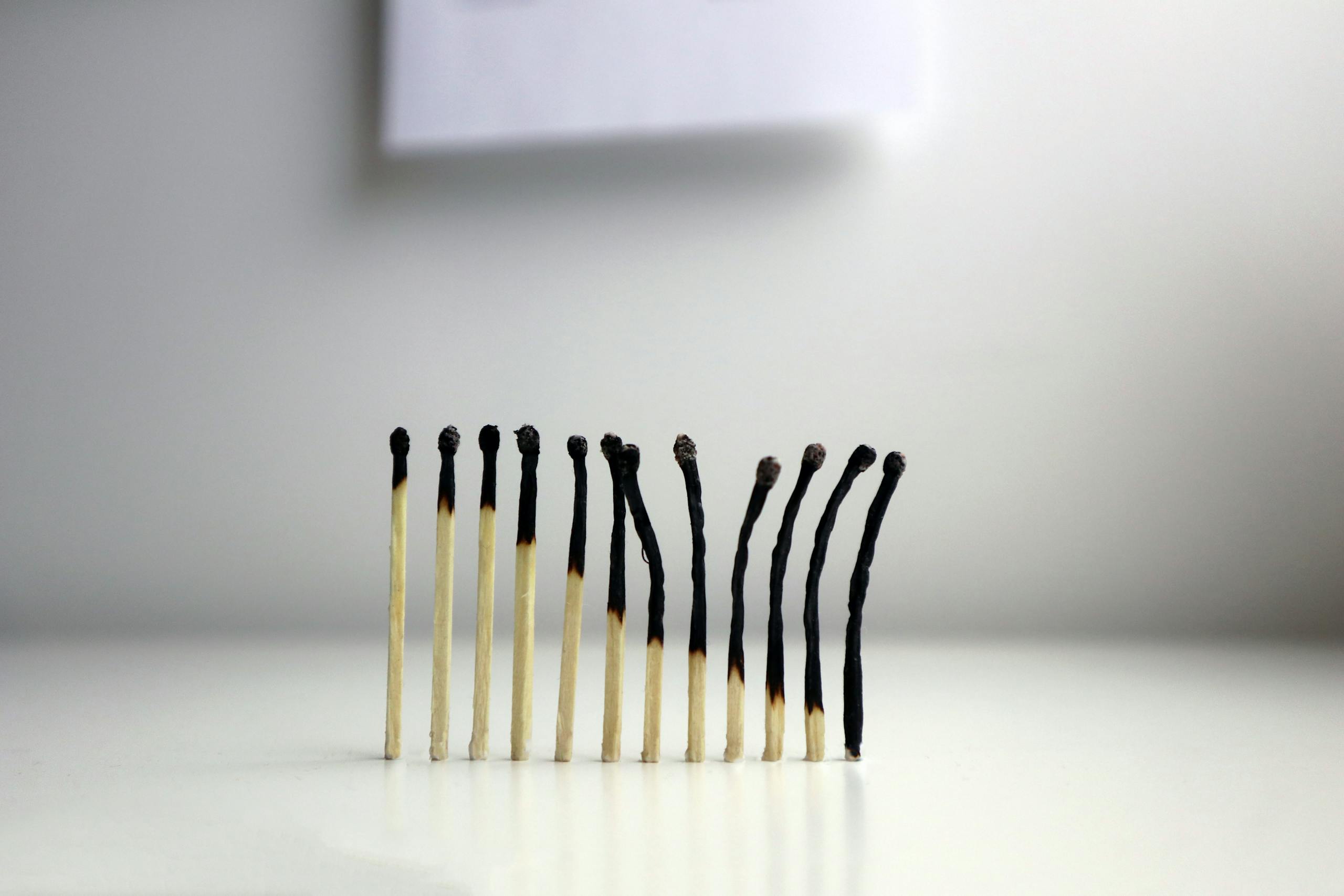
Somewhere around year fifteen of running my advertising agency, I started having what I can only describe as a slow internal unraveling. The pressure of managing large creative teams, presenting to Fortune 500 clients, and performing extroversion eight hours a day had accumulated into something heavier than burnout. A therapist eventually used the word trauma. I balked at it. I thought trauma belonged to people who had survived genuinely catastrophic events, not someone sitting in a corner office in Chicago. She explained that chronic emotional suppression, particularly in people who process deeply and quietly, creates its own form of psychological wound.
She suggested meditation. I tried the apps. I tried the group classes. None of it worked the way the books promised. What I eventually discovered was that the problem wasn’t meditation itself. The problem was that most mainstream meditation guidance assumes a particular kind of nervous system, and mine didn’t match.

Why Do Introverts Experience Trauma Differently?
Introversion isn’t simply a preference for quiet. At a neurological level, introverts tend to have higher baseline arousal in the cortex, which means their brains are already processing more input than their extroverted counterparts. A 2021 study published through the National Institutes of Health found that individuals with higher sensory processing sensitivity, a trait that overlaps significantly with introversion, show stronger emotional reactivity and deeper cognitive processing of interpersonal events.
What’s your personality type?
Take our free 40-question assessment and get a detailed personality profile with dimension breakdowns, context analysis, and personalised insights.
Discover Your Type8-12 minutes · 40 questions · Free
What this means in practical terms is that introverts often absorb and hold onto emotional experiences longer. They replay conversations, analyze interactions, and carry impressions that others might shed within hours. When those experiences involve pain, loss, or chronic stress, the depth of that processing doesn’t disappear. It layers.
Trauma, at its core, is the nervous system’s response to experiences that overwhelmed its capacity to cope. For introverts, that threshold can be reached through accumulation rather than single catastrophic events. Years of masking introversion in extrovert-coded environments, chronic overstimulation, or the quiet grief of never feeling fully understood can leave marks that look a lot like what clinicians call complex trauma.
The American Psychological Association recognizes that trauma responses vary widely between individuals, and that treatment approaches must account for personality, processing style, and nervous system differences. Standard group meditation or high-stimulation mindfulness techniques can actually retraumatize rather than heal when they don’t account for these differences.
What Makes Standard Meditation Advice Fall Short for Introverts Healing from Trauma?
Most popular meditation content is designed for stress reduction in generally healthy nervous systems. Guided group meditation, body scan classes, and even many app-based programs assume you can drop into a relaxed state on command, tolerate external voices directing your inner experience, and return to a calm baseline once the session ends. For introverts working through trauma, none of those assumptions hold.
My first attempt at a group meditation class was at a wellness center near my office. Twelve people in a room, a facilitator with a microphone, and instructions to “let go of whatever you’re carrying.” I lasted about four minutes before the combination of other people’s breathing, the facilitator’s voice, and my own hypervigilant nervous system turned a forty-five minute session into forty-five minutes of quiet panic. I left feeling worse than when I arrived.
The issue wasn’t that meditation was wrong for me. The issue was that group settings amplify stimulation, and for a trauma-affected introvert, amplified stimulation is the opposite of what the nervous system needs. Healing requires a felt sense of safety, and safety, for many introverts, is built in solitude first.
There’s also the matter of emotional flooding. Because introverts process deeply, sitting quietly with trauma-adjacent feelings can quickly move from gentle awareness to overwhelming immersion. Without the right scaffolding, a well-intentioned meditation practice can open doors that don’t have handles on the inside.
Which Meditation Approaches Actually Work for Introverts with Trauma?
The short answer is that the most effective approaches share three qualities: they are self-directed, low-stimulation, and paced by the practitioner rather than an external guide. Beyond that, the specific technique matters less than whether it creates a genuine sense of safety in the body.
Breath-Focused Solo Practice
Breath awareness is one of the most accessible entry points for trauma-affected introverts because it requires no external input and can be practiced anywhere. The key distinction from standard breathwork is pace. Trauma-informed breath practice uses longer exhales than inhales, which activates the parasympathetic nervous system and signals safety to the body. A 2017 study cited by Mayo Clinic found that extended exhale breathing significantly reduces cortisol levels and heart rate variability in individuals with anxiety disorders, many of whom share nervous system characteristics with trauma survivors.
Starting with just five minutes of four-count inhale and six-count exhale, practiced alone in a quiet space, builds the nervous system’s tolerance for stillness without forcing premature emotional exposure.
Writing-Based Contemplative Practice
Many introverts find that processing happens more safely through words than through pure silence. Contemplative journaling, where you write for a set period without stopping and without editing, combines the introvert’s natural strength in internal reflection with the grounding effect of externalizing thought onto a page. This isn’t the same as traditional journaling. The practice involves setting a timer, choosing a single sensation or emotion as a starting point, and following the thread wherever it leads.
During the most difficult period of my agency years, I kept a legal pad in my desk drawer. Every morning before client calls started, I wrote for ten minutes. Not about work. About whatever was sitting heaviest in my chest. I didn’t know at the time that I was doing something that therapists would later describe as somatic processing through language. I just knew it made the next eight hours slightly more bearable.
Movement-Based Grounding
Trauma is stored in the body, not just the mind. Bessel van der Kolk’s research, widely referenced by Psychology Today, established that trauma recovery requires somatic engagement, not just cognitive insight. For introverts who feel overstimulated by group yoga or crowded fitness environments, solo walking meditation offers an accessible alternative.
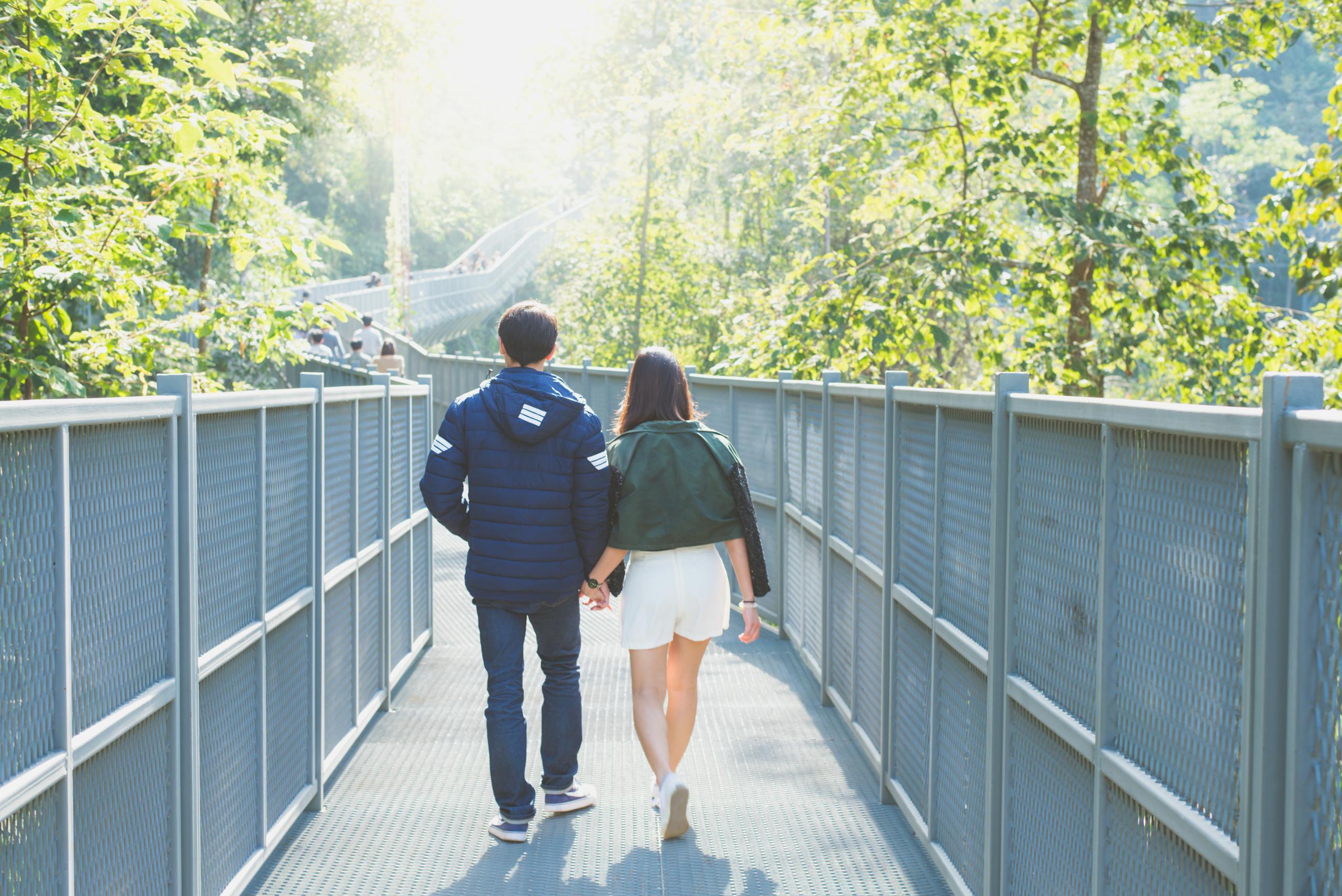
Walking meditation involves moving at a slow, deliberate pace while maintaining sensory awareness of each footfall, the temperature of the air, and the movement of the body through space. Practiced alone, outdoors or in a quiet indoor space, it combines physical grounding with the introvert’s preference for uninterrupted internal attention.

How Does Overstimulation Interfere with Trauma Healing in Introverts?
Overstimulation and trauma share a common mechanism in the nervous system: both activate the threat response. When the amygdala, the brain’s alarm center, is already sensitized by unprocessed trauma, additional stimulation from external sources doesn’t just feel uncomfortable. It can trigger the same physiological state as the original traumatic experience.
This is why introverts healing from trauma often find that the environments designed to help them, wellness centers, group therapy, guided meditation classes, can paradoxically make things harder. The social stimulation, the unfamiliar voices, the lack of control over the sensory environment, all of it competes with the nervous system’s need for predictability and quiet in order to begin healing.
I watched this play out with a senior copywriter at my agency. She was one of the most gifted writers I’d ever worked with, deeply introverted, and clearly carrying something heavy. After a particularly brutal round of client feedback that crossed professional lines, she started showing signs of what I now recognize as acute stress response. Her manager suggested a company wellness program that included group mindfulness sessions. She attended twice and then stopped coming to work entirely for a week.
What she needed wasn’t more group activity. She needed permission to process on her own terms. When we restructured her work environment to include protected quiet time and removed her from open-plan seating, she gradually returned to herself. That experience changed how I thought about introvert wellbeing in high-pressure environments for the rest of my career.
The National Institute of Mental Health notes that effective trauma treatment must be individualized, accounting for how different nervous systems respond to stress and stimulation. One-size-fits-all approaches consistently produce inconsistent results precisely because nervous systems are not uniform.
What Should Introverts Know Before Starting a Trauma Meditation Practice?
Starting a meditation practice while managing trauma requires a different set of expectations than starting one for general stress reduction. A few distinctions are worth understanding before you begin.
Meditation Is Not a Replacement for Trauma Therapy
Meditation can be a meaningful complement to professional trauma treatment, but it works best alongside therapy rather than instead of it. Approaches like EMDR (Eye Movement Desensitization and Reprocessing) and somatic experiencing, both recognized by the American Psychological Association as evidence-based trauma treatments, address trauma at a neurological level that self-directed meditation alone cannot fully reach. A therapist trained in trauma-informed care can also help you identify when a meditation practice is supporting healing and when it might be opening more than you’re ready to process.
Start Shorter Than You Think You Should
Most meditation guidance recommends twenty to thirty minutes per session. For trauma-affected introverts, that duration can be counterproductive in the early stages. Starting with three to five minutes of intentional breath awareness builds the nervous system’s capacity for stillness without overwhelming it. Duration can expand gradually as tolerance increases. Pushing through discomfort in meditation is not the same as building resilience. It can reinforce the nervous system’s association between stillness and threat.
Create a Consistent Physical Environment
Predictability is a core component of felt safety. Practicing in the same space, at the same time, with the same sensory conditions, whether that’s a particular chair, a specific temperature, or a familiar scent, signals to the nervous system that this time is safe. For introverts who are already managing sensory sensitivity alongside trauma, removing environmental variables reduces the cognitive load of the practice itself.

Can Introverts Use Guided Meditation for Trauma, or Is Solo Practice Always Better?
Guided meditation isn’t categorically wrong for introverts healing from trauma. The distinction lies in how and when it’s used. Recorded audio guidance, listened to alone, offers a middle ground: the structure of an external voice without the social stimulation of a group setting. Many introverts find that a familiar recorded voice, heard through headphones in a private space, provides enough scaffolding to feel supported without triggering the hypervigilance that live group settings produce.
The caveat is content selection. Guided meditations designed for trauma should be specifically labeled as trauma-informed, meaning they include explicit permission to pause, modify, or stop at any point, avoid language that commands emotional states rather than inviting them, and include grounding anchors at regular intervals. Generic relaxation meditations often skip these elements because they’re designed for stress reduction in non-traumatized nervous systems.
My own experience with recorded guidance was mixed for years. The turning point came when I stopped using mainstream wellness apps and started working with recordings specifically designed for PTSD and complex trauma recovery. The difference in pacing alone was significant. Trauma-informed guides leave more silence between instructions, which gives the introvert’s deep-processing mind time to actually absorb and integrate rather than rushing to keep up.
How Long Does It Take for Meditation to Help with Trauma?
Honest answer: longer than most wellness content suggests, and the timeline varies considerably based on the nature and duration of the trauma, the consistency of the practice, and whether professional support is also in place.
A 2018 analysis referenced by Psychology Today found that mindfulness-based interventions showed measurable reductions in PTSD symptoms after eight weeks of consistent practice, with the most significant gains appearing in individuals who combined meditation with concurrent therapy. Eight weeks of daily practice to see measurable change is a reasonable expectation. Expecting transformation within days sets up the kind of disappointment that leads people to conclude meditation simply doesn’t work for them.
For introverts specifically, the early weeks of practice often feel less like healing and more like becoming more aware of what needs healing. That heightened awareness can feel uncomfortable, even alarming. It’s worth knowing in advance that this is a normal part of the process rather than evidence that something is going wrong. The introvert’s deep processing capacity, which can make trauma feel more intense, is also what eventually makes healing more thorough.
Patience with the process isn’t passive. It’s one of the more active things you can do for your nervous system. Introverts, who tend to be thorough and thoughtful in how they approach challenges, often find that once they have a framework that actually fits how they’re wired, consistency comes more naturally than they expected.

Healing as an introvert isn’t a linear path, and the practices that support it deserve the same depth of attention you bring to everything else. Our Mindfulness and Meditation hub explores a wide range of approaches to inner work for introverts, from beginner breathwork to advanced contemplative practices designed for the way this personality type actually processes emotion.
About the Author
Keith Lacy is an introvert who’s learned to embrace his true self later in life. After 20 years in advertising and marketing leadership, including running agencies and managing Fortune 500 accounts, Keith now channels his experience into helping fellow introverts understand their strengths and build fulfilling careers. As an INTJ, he brings analytical depth and authentic perspective to every article, drawing from both professional expertise and personal growth.
Frequently Asked Questions
Is meditation safe for introverts with trauma?
Meditation can be safe and beneficial for introverts with trauma when practiced in ways that match their nervous system’s needs. Solo, self-directed practices in quiet environments tend to work better than group or guided classes. Starting with short sessions of three to five minutes and expanding gradually reduces the risk of emotional flooding. Working alongside a trauma-informed therapist provides an important safety net, particularly in the early stages of practice.
Why do group meditation classes feel overwhelming for introverts healing from trauma?
Group settings add social stimulation on top of an already sensitized nervous system. Introverts have higher baseline cortical arousal, meaning they process more sensory input than extroverts at rest. When trauma has also sensitized the threat response, the combination of unfamiliar voices, other people’s physical presence, and lack of control over the environment can trigger hypervigilance rather than relaxation. Solo practice removes these variables and allows the nervous system to build safety on its own terms.
What type of meditation is best for introverts with trauma?
Breath-focused solo practice, contemplative journaling, and walking meditation tend to work well because they are self-directed, low-stimulation, and paced by the practitioner. Extended exhale breathing activates the parasympathetic nervous system and signals safety to the body. Contemplative journaling combines the introvert’s natural reflective strength with the grounding effect of externalizing thought. Walking meditation adds somatic engagement for introverts who find pure stillness activating in early trauma recovery.
Should introverts see a therapist alongside practicing trauma meditation?
Yes, particularly in the early stages. Meditation can open emotional material that benefits from professional guidance to process safely. Trauma-informed therapists can help identify when a practice is supporting healing and when it may be moving faster than the nervous system can integrate. Evidence-based approaches like EMDR and somatic experiencing address trauma at a neurological depth that self-directed meditation alone cannot fully replicate. Meditation works best as a complement to professional treatment, not a replacement for it.
How long should introvert trauma meditation sessions be?
Starting with three to five minutes per session is more effective than beginning with longer durations. Short, consistent sessions build the nervous system’s tolerance for stillness without overwhelming it. Duration can expand gradually as comfort increases, typically adding two to three minutes per week over the course of several weeks. Eight weeks of consistent daily practice is a realistic timeframe to begin noticing measurable reductions in trauma symptoms, based on research into mindfulness-based interventions for PTSD.