Meditation guidance rooted in neuroscience and coaching expertise offers introverts something most wellness advice misses: a framework that works with how your brain actually processes the world, not against it. The introvert nervous system tends toward depth, internal reflection, and heightened sensitivity, and when meditation practice is designed around those traits rather than borrowed from one-size-fits-all wellness culture, the results are meaningfully different.
What neuroscience-informed coaching brings to the table is specificity. Not “sit quietly and breathe,” but a genuine understanding of why quiet and breath affect the introvert brain the way they do, and how to build a sustainable practice around that knowledge.

If you’ve ever felt like standard meditation advice didn’t quite fit, or wondered why your mind races during guided sessions designed for groups, you’re in good company. Much of what I’ve explored on this site traces back to that same disconnect. Our Introvert Mental Health Hub covers the full emotional landscape of introvert wellbeing, and meditation sits right at the center of it, connecting brain science, emotional processing, and the particular way introverts experience stress and recovery.
Why Does the Introvert Brain Respond Differently to Meditation?
There’s a specific quality to the introvert mind that I’ve spent years trying to name. It’s not just that I prefer quiet. It’s that my brain seems to be running more processes simultaneously than most people around me realize. When I was running my agency, I’d sit in a client presentation, tracking the room’s emotional temperature, mentally stress-testing the strategy being pitched, noticing the account manager’s slight hesitation on slide four, and rehearsing three different responses depending on how the client reacted. All of it at once, below the surface.
Career Coaching for Introverts
One-on-one career strategy sessions with Keith Lacy. 20 years of Fortune 500 leadership as an introvert, now helping others build careers that work with their wiring.
Learn More50-minute Zoom session · $175
What I didn’t understand at the time was that this wasn’t a quirk or a distraction. It was my brain doing what introvert brains tend to do: processing deeply, drawing connections, running internal simulations. The neurological basis for this involves the default mode network, a set of brain regions that activate during internal thought, self-reflection, and imaginative processing. Many introverts show higher baseline activity in this network, which explains both the richness of inner life and the exhaustion that follows heavy social demands.
Meditation, when approached with this understanding, becomes less about silencing the mind and more about working with its natural rhythms. A neuroscience-informed coach won’t tell you to stop thinking. They’ll help you understand what your thinking patterns reveal about your nervous system, and how to use focused attention practices to regulate rather than suppress.
This matters especially for introverts who also identify as highly sensitive. HSP overwhelm and sensory overload can make traditional group meditation classes feel counterproductive. The ambient noise, the instructor’s voice, the proximity to other bodies, all of it can trigger the very stress response you’re trying to calm. Neuroscience coaching addresses this directly by tailoring the sensory environment and the meditation modality to the individual’s actual nervous system profile.
What Does Neuroscience-Informed Coaching Actually Look Like in Practice?
I want to be specific here, because “neuroscience coaching” gets used loosely in wellness marketing. At its most credible, it draws on established research about how the brain responds to stress, attention training, and emotional regulation. The work published in PubMed Central on mindfulness and neural plasticity gives a solid foundation for understanding why consistent meditation practice produces measurable changes in brain structure and function, particularly in regions associated with emotional regulation and self-awareness.
A skilled neuroscience-informed coach will typically start with an assessment of your nervous system patterns. Not a personality quiz, but a genuine exploration of how you respond to stress, how quickly you recover, what triggers your fight-or-flight response, and what conditions help you return to baseline. For introverts, this baseline is often richer and more active than for extroverts, which changes what “calm” actually looks like.

From there, the coaching work typically focuses on a few core areas. Attention training, which involves learning to direct and sustain focus without forcing suppression of thought. Interoception, the practice of noticing internal bodily signals, which introverts often have strong natural capacity for. And emotional regulation, building the ability to observe emotional states without being overwhelmed by them.
That last piece connects directly to something many introverts grapple with. HSP anxiety often stems not from external events alone but from the intensity of internal processing. When you feel things as deeply as many introverts do, the gap between stimulus and response can collapse in ways that feel destabilizing. Neuroscience coaching builds that gap back up, creating space between what you feel and how you act on it.
How Does Deep Emotional Processing Shape the Meditation Experience?
One of the things I’ve noticed over years of working with and observing introverts, both on my teams and in my own reflection, is that we don’t just experience emotions. We process them. There’s a difference. Experiencing an emotion might last seconds. Processing it can take hours, sometimes days, as the mind works through implications, memories, patterns, and meaning.
I had a creative director on one of my agency teams, an INFJ, who would go quiet for an entire afternoon after a difficult client call. Not sulking. Processing. She’d emerge with a clearer perspective than anyone else in the room had reached through immediate discussion. That kind of deep internal work is a genuine cognitive strength, but it can also become a loop that’s hard to exit when the content being processed is painful.
This is where meditation guidance that accounts for HSP emotional processing becomes particularly valuable. Standard mindfulness instruction often tells practitioners to observe emotions without attachment, which is sound advice in principle. For deep processors, though, the practice needs more nuance. Observing without attachment is different from bypassing or suppressing, and a good coach helps you find that distinction in your own experience rather than just describing it abstractly.
Neuroscience offers a useful frame here. The prefrontal cortex, involved in executive function and emotional regulation, can be strengthened through consistent meditation practice. Research on mindfulness-based interventions has documented structural changes in brain regions associated with self-awareness and compassion following sustained practice. For introverts who already have strong self-reflective capacity, this kind of practice doesn’t build something new so much as it refines and steadies what’s already there.
Can Meditation Help Introverts Manage the Weight of Empathy?
Empathy is one of the most discussed traits among introverts and highly sensitive people, and it deserves a more honest treatment than it usually gets. It’s not simply a gift. It’s a capacity that, without proper care, becomes a source of exhaustion and even harm.
I’ve felt this personally. Running agencies meant absorbing the emotional states of dozens of people: anxious account managers, frustrated creatives, demanding clients, stressed junior staff. As an INTJ, I process empathic information differently than a feeling type would, but I still absorb it. The difference is that my processing tends to be more analytical, more removed. Even so, after a particularly charged day, I’d come home carrying weight that wasn’t mine.
The concept explored in HSP empathy as a double-edged sword captures something real. The same sensitivity that makes you attuned to others’ needs can leave you depleted, overstimulated, and struggling to locate where your own emotional experience ends and someone else’s begins. Meditation, specifically practices that cultivate what researchers call “empathic concern” rather than “empathic distress,” offers a path through this.
A neuroscience coach working with empathic introverts will often introduce loving-kindness meditation (metta) alongside boundary-setting practices. success doesn’t mean feel less. It’s to feel without losing yourself in the feeling. That distinction, from a neurological standpoint, involves strengthening the insula and anterior cingulate cortex, regions associated with compassion that don’t trigger the same depletion response as distress-based empathy.

What Role Does Perfectionism Play in Why Introverts Struggle to Meditate?
Here’s something I rarely see addressed in meditation content: the perfectionism problem. Many introverts, especially those with high internal standards, approach meditation as something to be done correctly. They read about the practice, research the techniques, set up the ideal environment, and then sit down and immediately judge themselves for not achieving the state they’ve read about.
I did this for years. I’d read about the benefits of consistent practice, commit to a morning routine, and then abandon it after a week because my sessions didn’t feel like what I imagined they should. The internal critic was louder than any external distraction. What I eventually understood was that this wasn’t a meditation problem. It was a perfectionism problem wearing meditation clothes.
The pattern described in HSP perfectionism and the high standards trap is one I recognize deeply. High internal standards are a genuine strength in many contexts. In meditation, they become the obstacle. A neuroscience-informed coach helps reframe what success in practice actually looks like, shifting the metric from “achieving stillness” to “completing the practice,” which is a fundamentally different standard.
The Ohio State University research on perfectionism offers useful context here, documenting how perfectionist tendencies can undermine wellbeing even when they’re rooted in genuinely positive intentions. The same dynamic plays out in meditation practice, where the desire to do it right becomes the barrier to doing it at all.
Neuroscience coaching addresses this by building what’s sometimes called “psychological flexibility,” the capacity to pursue values-based action without requiring perfect execution. For introverts with high internal standards, this is often the most significant shift in the entire coaching process.
How Does Rejection Sensitivity Intersect with Meditation and Coaching?
One thread that runs through much of introvert mental health work, and that rarely gets connected to meditation practice, is rejection sensitivity. Many introverts carry a heightened awareness of social evaluation, a tendency to read disapproval into ambiguous signals, and a particularly sharp response to perceived criticism or exclusion.
This shows up in coaching relationships in interesting ways. I’ve seen it in my own experience of seeking feedback. As an INTJ, I intellectually value direct criticism, but there’s still a visceral response when a client dismisses a strategy I’ve invested significant thought in. The intellectual and emotional responses don’t always align, and the gap between them is where a lot of unnecessary suffering lives.
The experience documented in HSP rejection processing and healing goes deeper than simply feeling hurt. It involves the nervous system’s response to perceived social threat, which for highly sensitive introverts can be as activating as physical danger. Meditation practices that specifically target the threat-detection system, particularly those that work with the amygdala’s response to social stimuli, can meaningfully reduce this reactivity over time.
A neuroscience coach working with rejection-sensitive introverts will often combine meditation with cognitive reframing and somatic awareness practices. The National Institutes of Health’s work on stress response systems provides grounding for understanding why these combined approaches tend to be more effective than meditation alone for people with high threat-sensitivity.
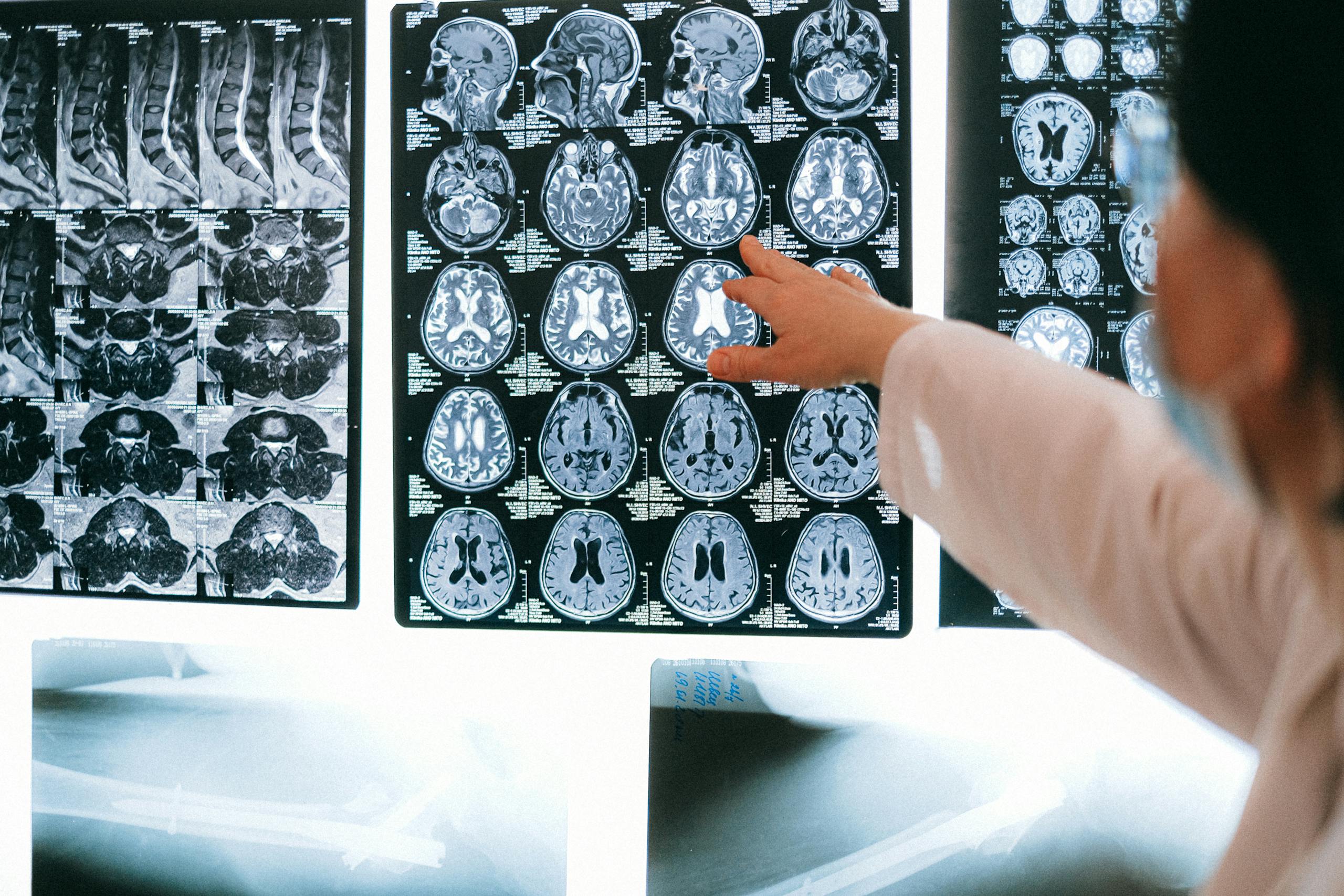
What Should Introverts Actually Look for in a Meditation or Neuroscience Coach?
The coaching industry is largely unregulated, which means the range of quality is enormous. Someone calling themselves a neuroscience coach might have deep training in applied neuroscience and evidence-based practice, or they might have completed a weekend certification and added the word “neuro” to their marketing. Knowing how to evaluate this matters.
From my experience hiring and evaluating people across twenty years in agency leadership, I’ve learned that the best specialists share a few qualities that have nothing to do with credentials on a wall. They ask more questions than they answer in the first session. They’re genuinely curious about your specific experience rather than fitting you into a template. And they can explain the reasoning behind their recommendations in plain language without resorting to jargon as a substitute for clarity.
For introverts specifically, a few additional markers matter. A good coach for introvert clients won’t push you toward extroverted models of wellbeing. They won’t treat your preference for solitude as something to overcome. They’ll understand that recharging through quiet isn’t avoidance, and that deep internal processing isn’t rumination by default.
Look for coaches who reference actual frameworks: polyvagal theory, attachment-based approaches, mindfulness-based cognitive therapy, or acceptance and commitment therapy. The American Psychological Association’s work on resilience offers a useful benchmark for what evidence-informed approaches to psychological wellbeing actually look like. A coach who can situate their work within that landscape is more likely to be offering something grounded rather than something trendy.
Also worth noting: the coaching relationship itself matters as much as the methodology. Introverts tend to do their best work in one-on-one settings where trust has been established over time. A coach who respects your processing pace, who doesn’t fill silence with unnecessary talking, and who allows sessions to go deep rather than staying surface-level is worth considerably more than one with an impressive website and a packed group program.
Building a Sustainable Personal Practice Without a Coach
Not everyone has access to a neuroscience coach, and not everyone needs one to build a meaningful meditation practice. What neuroscience does offer, even without a coach, is a framework for understanding why certain practices work and how to adapt them to your own nervous system.
Start with the basics of what your brain actually needs. Consistency matters more than duration. A five-minute practice done daily produces more measurable change than a forty-minute session done sporadically. The brain builds new patterns through repetition, not intensity. For introverts who tend toward all-or-nothing thinking, this is an important reframe.
Choose your modality based on your actual nervous system profile, not what’s most popular. Body-scan practices work well for introverts with strong interoceptive awareness. Breath-focused practices are effective for those whose minds tend to race. Open-monitoring meditation, where you observe thoughts without directing attention, suits introverts who already have strong reflective capacity and want to deepen it rather than redirect it.
The National Institute of Mental Health’s resources on anxiety are worth reading alongside any meditation practice, particularly for introverts who carry significant anxiety. Understanding the neurological basis of anxiety helps you approach meditation as a genuine regulation tool rather than a performance.
One practical note from my own experience: the environment matters more for introverts than most meditation resources acknowledge. I spent months trying to meditate in a home office that doubled as my workspace, surrounded by visual reminders of unfinished projects. Changing the physical environment, even just moving to a different chair in a different room, shifted my ability to enter a receptive state significantly. Your nervous system responds to context. Use that.

The Longer Arc: What Consistent Practice Actually Changes
I want to be honest about timelines here, because wellness culture tends toward exaggeration. Meditation doesn’t fix anything quickly. What it does, over months and years of consistent practice, is shift your relationship to your own internal experience in ways that compound gradually.
For introverts, the changes I’ve noticed and heard described most often are these: a reduced lag between noticing an emotional state and being able to name it, a greater capacity to stay present in difficult conversations without mentally rehearsing exits, and a quieter internal critic, not silenced, but less authoritative. None of these are dramatic transformations. All of them are meaningful.
The University of Northern Iowa’s research on introversion and wellbeing touches on the relationship between introvert traits and psychological flourishing, offering useful context for understanding what “thriving” actually looks like for people wired toward internal depth rather than external stimulation.
What neuroscience coaching adds to this longer arc is accountability and calibration. A good coach helps you notice when your practice has drifted, when the form of what you’re doing has become disconnected from its function, and when it’s time to adjust the approach. That kind of ongoing relationship with your practice is harder to maintain alone, which is why coaching, even if only periodic, can make a genuine difference in the sustainability of what you build.
There’s also something worth naming about the introvert relationship to expertise and depth. We tend to want to understand things thoroughly before committing to them. That trait, which can look like hesitation from the outside, is actually a form of due diligence. Applying it to your own mental health practice, seeking out well-grounded guidance rather than settling for the first app or the loudest wellness influencer, is entirely consistent with how introverts do their best work.
More resources on building mental and emotional resilience as an introvert are gathered in the Introvert Mental Health Hub, where you’ll find connected pieces on anxiety, emotional processing, sensory sensitivity, and the specific challenges that come with being wired for depth in a world that often rewards breadth.
About the Author
Keith Lacy is an introvert who’s learned to embrace his true self later in life. After 20 years in advertising and marketing leadership, including running agencies and managing Fortune 500 accounts, Keith now channels his experience into helping fellow introverts understand their strengths and build fulfilling careers. As an INTJ, he brings analytical depth and authentic perspective to every article, drawing from both professional expertise and personal growth.
Frequently Asked Questions
What is neuroscience coaching and how does it differ from traditional meditation instruction?
Neuroscience coaching applies findings from brain science to the practice of personal development and mental wellbeing. Where traditional meditation instruction often follows a single lineage or method, neuroscience-informed coaching tailors practices to the individual’s nervous system profile, drawing on research about how attention, emotional regulation, and stress response work neurologically. For introverts, this means working with the brain’s natural tendencies toward internal processing rather than trying to override them.
Why do many introverts find standard meditation classes ineffective or overwhelming?
Group meditation settings often introduce sensory and social stimuli that activate the introvert nervous system in ways that counteract the intended calming effect. Ambient noise, proximity to others, instructor-led pacing that doesn’t match individual processing speed, and the social performance aspect of group practice can all trigger mild stress responses. Introverts who also identify as highly sensitive may find these environments particularly difficult. One-on-one coaching or self-directed practice in a controlled personal environment tends to be more effective for this population.
How long does it take to see benefits from a neuroscience-informed meditation practice?
Measurable changes in emotional regulation and stress response typically emerge over weeks to months of consistent practice, with more significant neurological changes documented after sustained practice over longer periods. Consistency matters more than session length. Short daily practice produces more reliable results than infrequent longer sessions. Many introverts notice qualitative shifts in their relationship to their own internal experience, including reduced reactivity and greater emotional clarity, within the first few months of regular practice.
What meditation modalities are best suited to introvert and HSP nervous systems?
Body-scan meditation works well for introverts with strong interoceptive awareness. Breath-focused practices suit those prone to mental racing. Open-monitoring meditation, which involves observing thoughts without directing attention, aligns naturally with the introvert tendency toward reflective depth. Loving-kindness practices are particularly valuable for empathic introverts who struggle with the depletion that comes from absorbing others’ emotional states. A neuroscience coach can help identify which modality fits your specific nervous system profile rather than relying on trial and error alone.
How do I evaluate whether a neuroscience coach is credible and well-trained?
Look for coaches who can articulate the evidence base behind their methods, referencing established frameworks such as polyvagal theory, mindfulness-based cognitive therapy, or acceptance and commitment therapy. Credible coaches ask substantive questions in initial sessions rather than immediately prescribing solutions. They should be transparent about the limits of coaching versus therapy, and willing to refer clients to licensed mental health professionals when appropriate. Avoid practitioners who rely heavily on proprietary jargon or make dramatic claims about rapid transformation. The coaching industry is largely unregulated, so evaluating the quality of a practitioner’s reasoning and their curiosity about your specific experience matters more than credentials alone.