The question haunted me for years: should I meditate more, or finally call a therapist? As someone who processes everything internally, I found myself paralyzed by the decision itself. My anxiety demanded action, but my introvert brain wanted to analyze every possible outcome before making a move. If you’ve ever sat with racing thoughts at 2 AM wondering which path would actually help quiet the noise in your head, you’re not alone in this particular struggle.
I spent fifteen years in high pressure agency environments where anxiety was practically part of the job description. Pitching to Fortune 500 executives, managing teams through impossible deadlines, pretending the constant networking didn’t drain every ounce of my energy. Somewhere along the way, I convinced myself that meditation apps would fix everything. That if I could just find the right breathing technique, the anxiety would dissolve. It took hitting rock bottom to realize the answer wasn’t quite that simple.
The truth about managing anxiety as an introvert is that there’s no universal solution. Both meditation and therapy offer genuine benefits, but they work differently depending on your specific needs, the severity of your symptoms, and how you naturally process information. Understanding these differences can save you years of trying approaches that don’t match your particular situation.

Understanding Anxiety Through an Introvert Lens
Anxiety manifests differently in introverts than it does in extroverts. While extroverts often externalize their anxiety through restlessness and seeking social support, introverts tend to internalize everything. We ruminate. We replay conversations. We imagine worst case scenarios with cinematic detail. This internal processing style means our anxiety often builds silently until it becomes overwhelming.
According to research published in the journal Dialogues in Clinical Neuroscience, cognitive behavioral therapy demonstrates significant efficacy for anxiety disorders, with effect sizes ranging from medium to large depending on the specific disorder. However, what the research doesn’t always capture is how individual differences in temperament affect treatment outcomes.
For introverts, the very act of seeking help presents its own anxiety challenge. Walking into a therapist’s office, explaining our inner world to a stranger, and being vulnerable in real time contradicts every instinct we have. Meanwhile, meditation feels safer because it’s solitary. No one else needs to know what’s happening in our heads. This apparent advantage of meditation can actually become a trap that prevents us from getting the targeted help we might need.
I used to think my preference for solitary meditation practices was just being authentic to my introvert nature. What I didn’t realize was that I was also using it to avoid the deeper work that therapy could provide. Both approaches have merit, but using one to avoid the other rarely serves us well.
The Science of Meditation for Anxiety
A groundbreaking 2022 study published in JAMA Psychiatry found that Mindfulness Based Stress Reduction performed as well as the anti anxiety medication escitalopram in treating anxiety disorders. This randomized clinical trial of over 200 patients showed that an eight week meditation program produced comparable reductions in anxiety symptoms to pharmaceutical treatment. For introverts skeptical of medication or uncomfortable with traditional therapy, this research offers an evidence based alternative.
A comprehensive meta analysis in the Depression and Anxiety journal reviewed 40 randomized controlled trials examining meditative therapies for anxiety reduction. The researchers found that meditation techniques were more effective than waiting list controls and attention controls, with effect sizes suggesting meaningful clinical benefit. Particularly relevant for introverts, these improvements came without requiring interpersonal interaction.
Meditation works by activating the parasympathetic nervous system, essentially putting the brakes on our fight or flight response. For introverts who already spend significant time in their heads, meditation provides structured tools for managing that internal landscape. Rather than getting lost in anxious thought spirals, regular practice teaches us to observe thoughts without getting swept away by them.
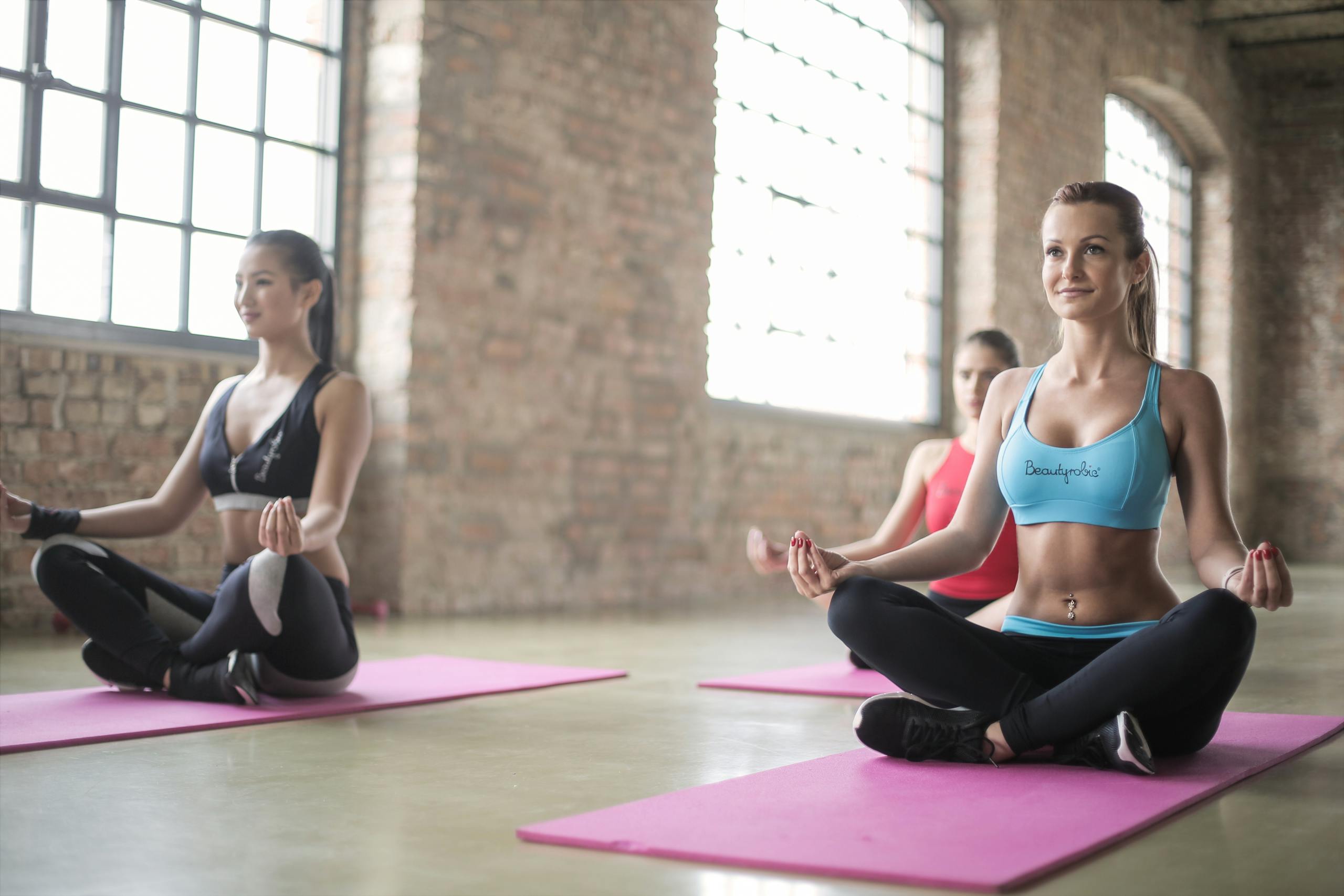
The challenge with meditation for anxious introverts lies in the practice itself. Sitting quietly with racing thoughts feels counterintuitive when your brain is screaming about everything that could go wrong. In my early attempts at meditation, I’d sit down intending to find calm and instead create a mental highlight reel of every embarrassing thing I’d ever said. The technique that finally worked for me was guided meditation, where someone else’s voice provided an anchor that kept my thoughts from spiraling.
The Science of Therapy for Anxiety
Cognitive behavioral therapy remains the gold standard treatment for anxiety disorders according to the Journal of Clinical Psychiatry. CBT works by identifying and restructuring the thought patterns that fuel anxiety. For introverts who naturally engage in extensive self reflection, therapy provides a framework for making that reflection productive rather than circular.
Research from the Journal of Clinical Psychiatry demonstrated that Mindfulness Based Stress Reduction significantly reduced anxiety in patients with Generalized Anxiety Disorder when compared to stress management education. The participants who received mindfulness training showed not only reduced anxiety symptoms but also greater resilience to stress in laboratory testing. This suggests that meditation doesn’t just make us feel better; it actually changes how our brains respond to threatening stimuli.
What makes therapy particularly valuable for introverts is the opportunity to articulate our internal experiences. So much of our anxiety lives in the realm of vague feelings and abstract fears. When we’re forced to put these into words for another person, they often lose some of their power. A skilled therapist helps us see patterns in our thinking that we’re too close to recognize ourselves.
During my own experience with therapy, I discovered that many of my anxious thoughts weren’t actually about current situations at all. They were echoes of past experiences that my brain had generalized into universal rules. No amount of meditation would have helped me uncover those connections without the probing questions of a trained professional.
Comparing the Approaches for Different Anxiety Types
Not all anxiety responds equally to both treatments. For generalized anxiety, the chronic worry that touches everything in your life, meditation provides ongoing symptom management while therapy addresses root causes. Many introverts with generalized anxiety find the combination more effective than either approach alone.
Social anxiety presents a different picture. While meditation can reduce overall arousal levels before social situations, it doesn’t address the specific cognitive distortions that fuel social fears. Research in the Focus journal confirms that exposure based treatments remain most effective for social anxiety, though these can be integrated with mindfulness techniques.
For introverts dealing with panic attacks, both approaches offer distinct benefits. Meditation teaches breath control and body awareness that can help during acute episodes. Therapy, particularly cognitive behavioral approaches, helps identify triggers and reduce the fear of future attacks that often perpetuates the cycle.
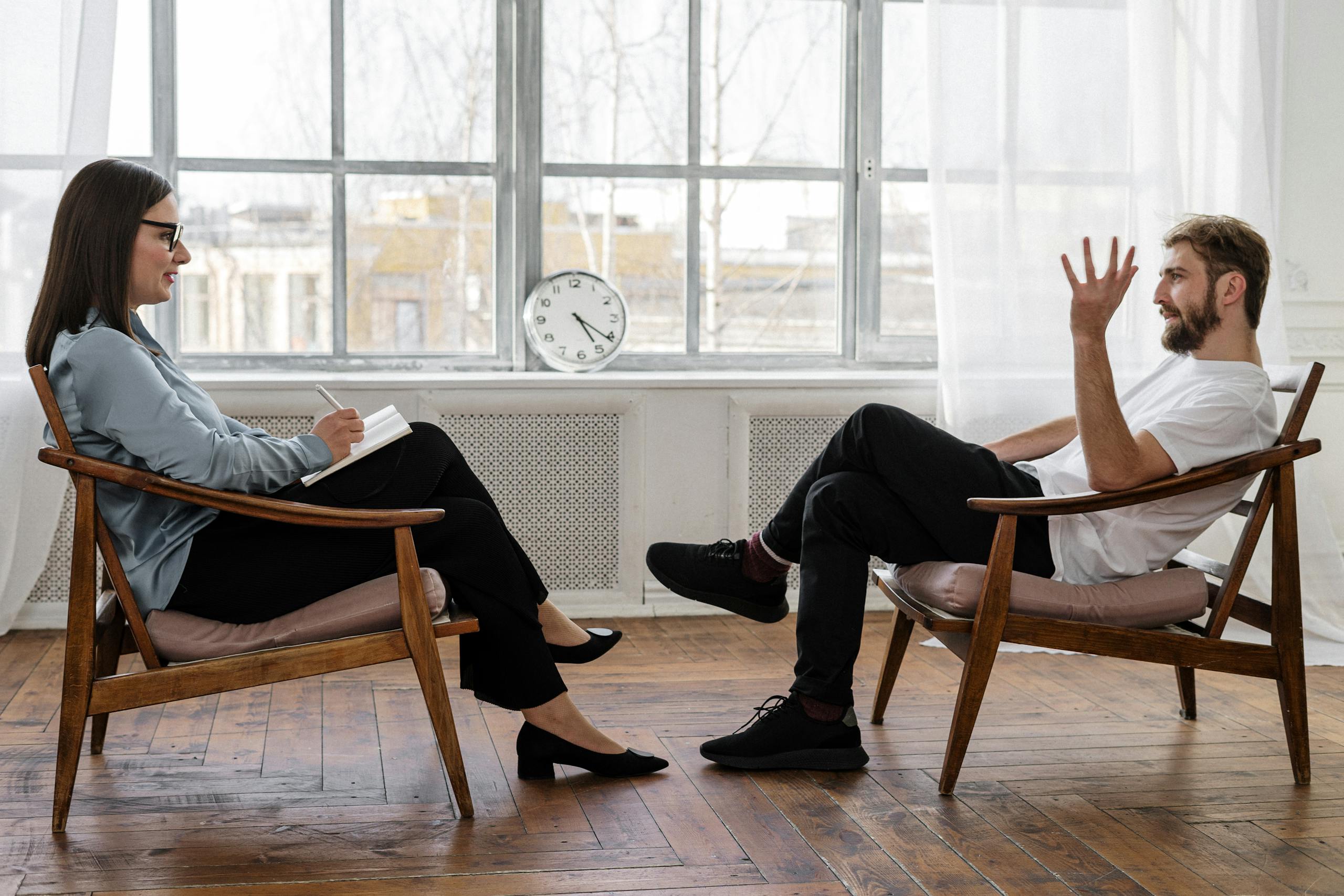
The severity of your anxiety also matters in choosing an approach. For mild to moderate anxiety, meditation may provide sufficient relief. For more severe or debilitating anxiety, professional therapy offers structured intervention that meditation alone cannot match. If your anxiety significantly interferes with work, relationships, or daily functioning, starting with therapy rather than meditation typically produces faster results.
The Introvert Advantage in Both Practices
Introverts actually possess natural advantages when it comes to both meditation and therapy. Our comfort with introspection and internal processing means we’re already practicing skills that both approaches rely on. We’re used to examining our thoughts and sitting with difficult feelings rather than immediately seeking external distraction.
In meditation, introverts often progress faster than extroverts because sustained internal focus feels natural rather than uncomfortable. The ability to maintain attention on breath or body sensations comes easier when you’re not constantly pulled toward external stimulation. Many introverts find meditation particularly rewarding once they move past initial resistance.
In therapy, introverts often engage more deeply with the process because we take homework seriously. Cognitive behavioral therapy requires practicing techniques between sessions, journaling about thoughts and feelings, and honestly examining our patterns. Introverts naturally gravitate toward these reflective activities, which amplifies therapeutic benefit.
The key insight I gained from managing anxiety over two decades is that introversion itself isn’t the problem. Our tendency to process internally becomes problematic only when it turns into isolation and avoidance. Both meditation and therapy, when approached correctly, help us use our natural strengths rather than fight against them.
Practical Considerations for Anxious Introverts
Cost and accessibility differ significantly between meditation and therapy. Meditation apps like Headspace or Calm cost roughly $70 annually, while weekly therapy sessions can run $150 or more even with insurance. For introverts on a budget, starting with meditation while saving for periodic therapy sessions offers a practical compromise.
Time commitment also varies. Meditation can fit into 10 minutes daily, while therapy typically requires hour long sessions plus commute time. For introverts already feeling depleted by work and social obligations, meditation’s flexibility makes consistent practice more achievable.
Finding the right therapist presents unique challenges for introverts. We need someone who respects our communication style, allows silences without rushing to fill them, and doesn’t push for emotional expression we’re not ready to give. Many introverts cycle through several therapists before finding the right fit. Resources for navigating mental health support can help streamline this process.

Online therapy options have expanded accessibility for introverts who find in person sessions overwhelming. Platforms like BetterHelp and Talkspace allow text based communication that feels more natural for many of us. While video sessions remain available, the option to type through difficult topics removes some barriers that keep introverts from seeking help.
When to Choose Meditation
Meditation works best as your primary approach when your anxiety is mild to moderate, manageable but bothersome. If you can still function at work and maintain relationships despite feeling anxious, meditation may provide sufficient relief. It’s also ideal when you’re looking for ongoing maintenance after completing a course of therapy.
Choose meditation when your anxiety stems primarily from present moment stress rather than deep seated patterns. Work pressure, life transitions, or situational challenges respond well to mindfulness techniques. The right meditation app can provide structured guidance that makes starting easier.
Meditation also makes sense when budget constraints limit therapy access or when past therapy experiences left you skeptical. Building a solid meditation practice first can prepare you for more productive therapeutic work later while providing immediate symptom relief.
For introverts who recharge through solitude, meditation doubles as both anxiety treatment and energy restoration. Unlike therapy which requires social engagement, meditation happens entirely within your own mental space. This dual benefit makes it especially valuable for introverts whose anxiety worsens after periods of social interaction.
When to Choose Therapy
Therapy becomes the better choice when your anxiety significantly impacts your functioning. If you’re avoiding situations, struggling at work, or finding relationships strained by anxiety, professional intervention offers more targeted help than self directed meditation.
Choose therapy when your anxiety has identifiable triggers rooted in past experiences. Trauma, difficult childhood experiences, or specific events that initiated your anxiety require processing with a trained professional. Meditation can complement this work but cannot substitute for it.
Therapy also makes sense when you’ve tried meditation consistently without meaningful improvement. Some anxiety patterns are too entrenched to shift through mindfulness alone. If you’ve practiced diligently for months and still struggle, that’s valuable information pointing toward deeper work.
For introverts with co occurring depression or other mental health challenges, therapy provides integrated treatment that addresses multiple issues simultaneously. Anxiety rarely exists in isolation, and a therapist can help untangle interconnected symptoms.
The Combined Approach That Actually Works
For most anxious introverts, the optimal approach combines both meditation and therapy strategically. Start with therapy to identify and address core patterns, then transition to meditation for ongoing maintenance. This sequence uses professional guidance when it’s most needed while building self management skills for the long term.

During active therapy, meditation reinforces what you’re learning in sessions. Practicing mindfulness between appointments helps you catch anxious thoughts in real time, providing raw material for therapeutic exploration. Many therapists now incorporate mindfulness directly into cognitive behavioral approaches, blending both traditions.
After completing a therapy course, regular meditation maintains gains and prevents relapse. The self awareness developed through therapy makes meditation more effective, while meditation’s daily practice keeps therapeutic insights alive. This ongoing maintenance phase suits introverts perfectly because it’s self directed and solitary.
The approach I eventually found was using therapy intensively during crisis periods and maintenance meditation during stable times. Rather than viewing them as competing options, I learned to deploy each strategically based on current needs. This flexibility transformed my relationship with anxiety from constant struggle to manageable reality.
Making Your Decision
The meditation versus therapy question doesn’t have a universal answer, but it does have a personal one. Start by honestly assessing your anxiety’s severity and impact. Consider your budget, time availability, and comfort with different approaches. Remember that choosing one doesn’t mean rejecting the other forever.
If you’re uncertain, starting with meditation carries lower risk. Download an app, commit to ten minutes daily for a month, and evaluate honestly. Did symptoms improve? Can you function better? If meditation alone isn’t enough, you’ve lost nothing and gained insight about what you actually need.
For introverts who’ve been avoiding treatment for social anxiety or other concerns, remember that seeking help is itself a form of self care. Whether through solitary meditation or structured therapy, addressing anxiety directly honors your wellbeing more than continued avoidance ever could.
The goal isn’t perfection or complete freedom from anxiety. It’s developing enough skill and self awareness to navigate anxious moments without being derailed by them. Both meditation and therapy can get you there. The path that works for you depends on factors only you can assess.
Frequently Asked Questions
Can meditation replace therapy for severe anxiety?
For severe anxiety that significantly impairs daily functioning, meditation alone is unlikely to provide sufficient relief. While studies show meditation can match medication effectiveness for some anxiety disorders, severe cases typically require professional intervention. Meditation works best as a complement to therapy for severe anxiety, helping maintain gains and providing daily coping tools while professional treatment addresses underlying patterns.
How long before meditation helps with anxiety?
Most research shows meaningful anxiety reduction after eight weeks of consistent practice. The landmark JAMA Psychiatry study used an eight week Mindfulness Based Stress Reduction program. However, many people notice subtle improvements within the first few weeks. The key is daily consistency rather than duration. Ten minutes daily produces better results than occasional hour long sessions.
Is online therapy effective for anxious introverts?
Research supports online therapy’s effectiveness for anxiety treatment, with outcomes comparable to in person sessions for many people. For introverts specifically, online options remove barriers like commuting, waiting rooms, and face to face intensity that can trigger anxiety. Text based therapy options offer even more comfort for introverts who process better through writing than speaking.
What type of meditation works best for anxiety?
Mindfulness Based Stress Reduction has the strongest research support for anxiety treatment. This approach teaches present moment awareness through breath focus, body scanning, and gentle yoga. Guided meditations work particularly well for anxious beginners because external guidance prevents getting lost in worried thoughts. Avoid meditation styles that emphasize emptying the mind, as this often increases anxiety in novices.
How do I find an introvert friendly therapist?
Look for therapists who mention working with introverts or highly sensitive people in their profiles. During initial consultations, notice whether they allow silences comfortably or rush to fill them. Ask about their approach to homework and independent reflection, as therapists who value these tend to work well with introverts. Psychology Today’s therapist finder allows filtering by specialties and approach styles.
Explore more mental health resources for introverts in our complete Introvert Mental Health Hub.
About the Author
Keith Lacy is an introvert who’s learned to embrace his true self later in life. With a background in marketing and a successful career in media and advertising, Keith has worked with some of the world’s biggest brands. As a senior leader in the industry, he has built a wealth of knowledge in marketing strategy. Now, he’s on a mission to educate both introverts and extroverts about the power of introversion and how understanding this personality trait can unlock new levels of productivity, self-awareness, and success.