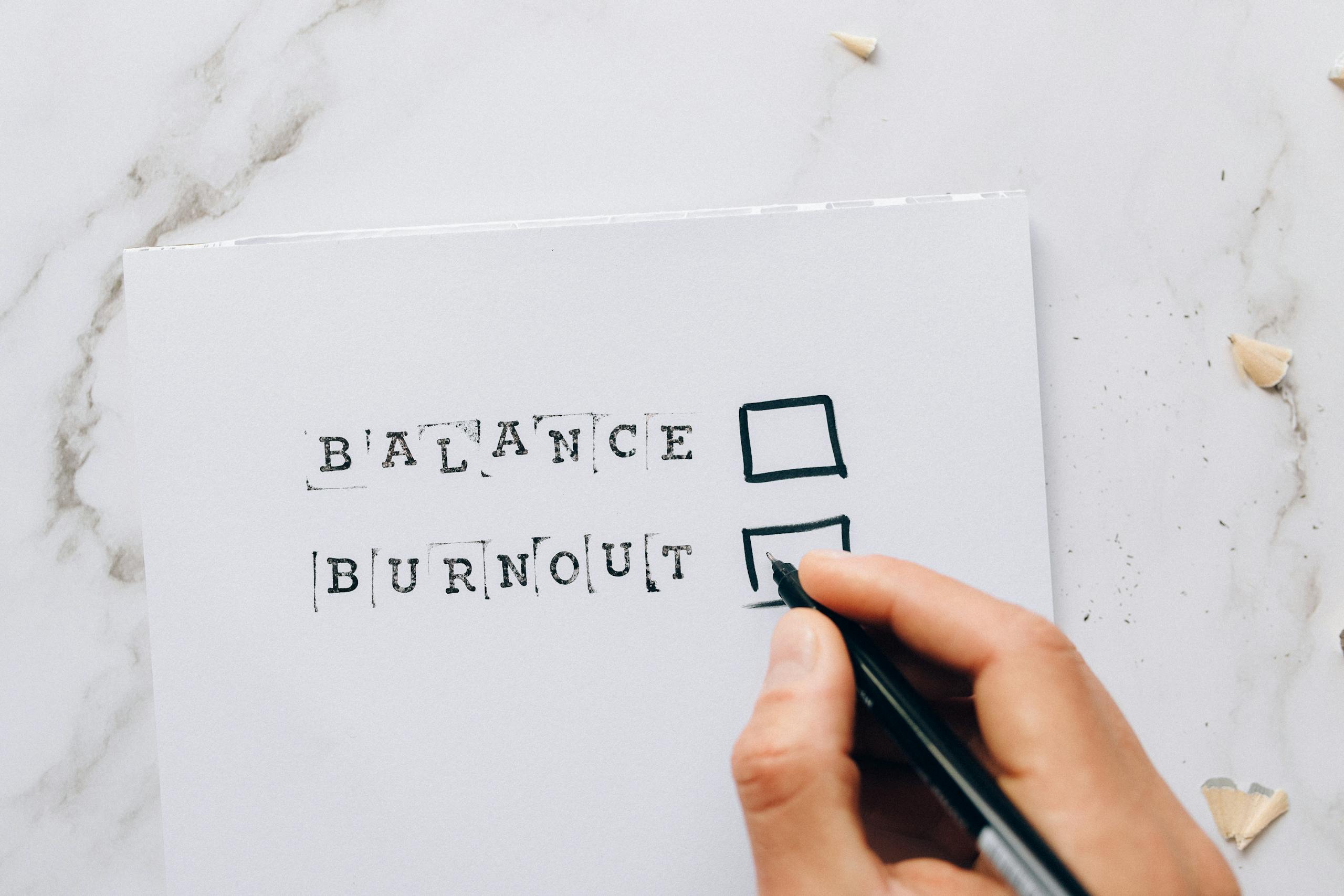
Mental exhaustion isn’t simply feeling tired. It’s a specific kind of depletion where your cognitive and emotional resources have been drawn down so far that thinking clearly, making decisions, or processing new information becomes genuinely difficult. For introverts, this state arrives faster, hits harder, and lingers longer than most people around us ever realize.
What makes mental exhaustion particularly complicated for introverts is that the world rarely slows down long enough for us to recover before demanding more. And when recovery keeps getting interrupted, what starts as tiredness becomes something that colors everything: your work, your relationships, your sense of who you are.

Everything I’ve written about managing your social battery connects to this experience. If you want the full picture of how introverts process and protect their energy, our Energy Management and Social Battery hub covers the whole terrain. But mental exhaustion deserves its own honest conversation, because it’s more than just a depleted social battery. It’s what happens when that battery has been running on empty for too long.
Why Does Mental Exhaustion Hit Introverts So Differently?
There’s a neurological explanation worth understanding here. Cornell researchers have found that introverts and extroverts process stimulation through different neural pathways, with introverts generally showing higher baseline arousal in the cortex. That means we’re already working harder to process the same environment an extrovert moves through without much effort.
What drains your social battery?
Not all social exhaustion is the same. Our free quiz identifies your specific drain pattern and gives you personalised recharging strategies.
Find Your Drain PatternUnder 2 minutes · 8 questions · Free
Add a full day of meetings, ambient office noise, fluorescent lighting, constant context-switching, and the relentless social performance that most workplaces require, and you’re not just tired. You’ve been running a cognitive marathon in conditions that weren’t designed for how your brain works.
I ran advertising agencies for over two decades. The environment was loud, fast, and relentlessly social by design. Clients expected energy. Creative teams ran on chaos. New business pitches meant days of performing confidence and enthusiasm in rooms full of strangers. I did all of it, and I did it well, but I paid a price I didn’t fully understand for years. By Thursday of most weeks, I wasn’t just tired. My thinking had gone flat. I’d sit in a strategy session and feel like I was reading words in a language I used to speak fluently. That wasn’t normal tiredness. That was mental exhaustion, and I kept pushing through it because I didn’t have the vocabulary to name what was happening.
The piece that often gets missed in conversations about introvert energy is that we don’t just drain from social interaction. We drain from processing. Every conversation, every decision, every piece of sensory input gets filtered through a more active internal system. Psychology Today has explored how this deeper processing style means socializing costs introverts more neurological resources than it does extroverts. It’s not a weakness. It’s just a different operating system, one that needs different maintenance.
What Actually Happens Inside an Exhausted Introvert’s Mind?
Mental exhaustion in introverts isn’t a single symptom. It’s a cascade. And understanding the sequence matters, because most of us don’t recognize what’s happening until we’re already deep in it.
The first thing to go is usually the quality of internal processing. Introverts tend to think in layers, connecting ideas, weighing implications, running quiet internal simulations before speaking or deciding. When mental exhaustion sets in, that layered thinking collapses. You start responding reactively instead of reflectively. You say things you’d normally have filtered. You miss connections that would have been obvious on a rested day.
Then comes emotional blunting. Not sadness exactly, more like a gray flatness where things that normally interest you just don’t register. I remember finishing a major campaign launch for a Fortune 500 client, the kind of project I’d genuinely cared about for months, and feeling almost nothing when it went live. My team was celebrating. I was sitting in the conference room wondering why I couldn’t access any feeling about it. That emotional numbness wasn’t depression. It was exhaustion that had gone untreated long enough to shut down the parts of me that actually cared about the work.

Decision fatigue accelerates quickly too. Introverts often approach decisions carefully, gathering information, considering angles, sitting with uncertainty before committing. Mental exhaustion strips that capacity away. Suddenly, even small choices feel impossible. What to order for lunch. Which email to answer first. Whether to take a call or let it go to voicemail. The mental load of ordinary life starts feeling genuinely overwhelming.
And then there’s the irritability that surprises people who know you as calm and measured. When your internal buffer is gone, external input lands differently. Sounds feel sharper. Interruptions feel like intrusions. The colleague who leans into your office to chat feels like a genuine threat to your sanity. You’re not becoming a different person. You’re running without the protective layer that normally helps you process the world gracefully.
Many introverts who also identify as highly sensitive people find this cascade happens even faster. The overlap between introversion and high sensitivity means that sensory input, emotional undercurrents, and environmental noise all pile onto the same depleting system. If that resonates with you, the work of protecting your energy as an HSP adds important nuance to what mental exhaustion actually costs in daily life.
The Specific Drains That Introverts Underestimate
Most introverts know that large social gatherings are draining. That’s practically introvert 101. What gets underestimated are the subtler, more persistent drains that accumulate quietly across a normal day.
Open-plan offices are one of the biggest. I made the mistake early in my agency career of designing our workspace around an open floor plan because that’s what creative agencies were supposed to look like. Collaborative. Energetic. Everyone visible and accessible. What I didn’t account for was what that environment was doing to me and to every introvert on my team. The ambient noise, the constant peripheral movement, the sense of always being potentially interrupted, these aren’t minor inconveniences. They’re active drains on the cognitive resources introverts need to do their best work. Managing noise sensitivity is a real skill, not a preference, and the cost of ignoring it compounds over time.
Meetings are another underestimated drain, particularly back-to-back meetings with no transition time. Introverts need processing time between interactions. Not because we’re slow, but because we’re thorough. Moving directly from one high-engagement conversation into another without any space to integrate what just happened is like trying to fill a glass that’s already full. Something spills.
There’s also the drain of emotional labor, the work of managing how you appear to others regardless of how you actually feel. Truity’s coverage of introvert downtime needs touches on how this performance aspect of social interaction is particularly costly for introverts, who often have to work harder to project the external energy that professional environments expect.
Screen time compounds everything. The constant stream of notifications, the context-switching between platforms, the low-grade cognitive demand of being always reachable, these aren’t neutral. For a brain already running hot from processing a complex social environment, digital stimulation adds another layer of input that needs sorting and filtering. Finding the right balance with stimulation is something I’ve had to actively work on, and it made a measurable difference in how quickly I hit the wall each week.
Physical environment matters more than most people acknowledge too. Harsh lighting, uncomfortable temperature, cluttered spaces, these aren’t just aesthetic concerns. They’re active inputs your brain is processing while simultaneously trying to do everything else you’re asking of it. I’ve written before about how introverts drain very easily from inputs that others barely register. The environment you work and live in is either helping you maintain your reserves or quietly spending them.

How Chronic Mental Exhaustion Changes Who You Think You Are
Here’s the part that doesn’t get talked about enough. When mental exhaustion becomes chronic, when it’s not an occasional bad week but a sustained state you’ve been living in for months or years, it starts to reshape your self-concept in ways that are genuinely damaging.
You start to believe the exhausted version of yourself is the real version. The flat thinking, the emotional blunting, the irritability, the inability to access the depth and creativity that normally define how you engage with the world, you start to accept those as permanent features rather than symptoms of a system under too much strain.
I watched this happen to myself over a particularly brutal stretch in my agency years. We were managing several major accounts simultaneously, all in demanding phases at the same time. I was running on adrenaline and caffeine and the professional obligation to appear competent regardless of what was happening internally. After about four months of that, I genuinely couldn’t remember what it felt like to think clearly. I’d lost access to the strategic depth that I considered my core professional strength. I started wondering if I’d ever actually been as capable as I thought, or if I’d just been lucky.
That kind of self-doubt is one of the most insidious effects of chronic mental exhaustion. It doesn’t announce itself as exhaustion. It announces itself as inadequacy.
There’s also a physical dimension that introverts sometimes overlook. Mental exhaustion isn’t purely psychological. It manifests in the body: tension headaches, disrupted sleep, heightened sensitivity to physical input. Light that seemed manageable starts feeling harsh. Touch that was neutral starts feeling intrusive. The body’s tolerance for stimulation drops alongside the mind’s. Managing light sensitivity and understanding tactile sensitivity both become more relevant when you’re running depleted, because the thresholds for what your system can handle get lower across the board.
A body of research on stress and cognitive performance, including work published in PubMed Central, supports what many introverts already sense intuitively: sustained cognitive and emotional load without adequate recovery doesn’t just make you tired. It measurably impairs the kind of complex thinking and emotional regulation that introverts rely on most.
What Recovery Actually Looks Like (and Why Rest Alone Isn’t Enough)
Sleep matters. Obviously. But if you’ve been chronically mentally exhausted, you’ve probably already noticed that sleeping more doesn’t fully fix it. You can get eight hours and still wake up feeling like you’re starting the day at a deficit. That’s because mental exhaustion isn’t just about sleep debt. It’s about accumulated cognitive and emotional load that hasn’t been processed and released.
Real recovery for introverts requires something more specific: time in low-stimulation environments where your mind can wander without demands on it. Not productive rest. Not “mindful” rest with an app tracking your breathing. Genuinely unstructured time where your brain is free to do whatever it wants, which for many introverts means making quiet internal connections, daydreaming, or simply existing without having to perform or produce anything.

Solitude is the core ingredient, but the quality of that solitude matters. Sitting alone while scrolling through your phone is not restorative solitude. It’s just a different kind of stimulation. The recovery that actually moves the needle happens when you remove input rather than just changing its source.
I started protecting what I came to think of as “dead time” during my agency years, blocks in my schedule with nothing in them. Not catch-up time. Not planning time. Nothing. My assistant thought I was losing my mind. My business partner assumed something was wrong. But those gaps were the only reason I could sustain the pace of everything else. They weren’t wasted time. They were the maintenance my system required to keep running.
Nature helps in a way that’s hard to quantify but hard to argue with once you’ve experienced it. There’s something about environments that offer gentle, non-demanding stimulation, trees, water, open sky, that allows an overloaded nervous system to decompress without requiring more processing. I’m not a person who talks much about wellness practices, but I can tell you that a forty-minute walk outside without my phone consistently did more for my cognitive function than almost anything else I tried.
Creative engagement matters too, but only the right kind. Passive consumption of entertainment often doesn’t restore introverts the way making something does. Writing, drawing, cooking, building, playing music, anything that involves making something with your hands or your mind in a low-pressure context tends to be genuinely restorative in a way that watching television usually isn’t. It’s not about productivity. It’s about engaging your mind on your own terms rather than on someone else’s.
Research published in PubMed Central on attention restoration theory offers one framework for understanding why certain environments and activities recover cognitive resources more effectively than others. The short version: environments that engage your attention gently, without demanding directed effort, allow the mental systems that handle focused work to recover.
Building a Life That Doesn’t Constantly Drain You
Recovery matters. And prevention matters more. Because the real problem with mental exhaustion isn’t any single bad week. It’s a structural mismatch between how you’re living and what your system actually needs.
Most introverts I know, including the version of myself I was for the first decade of my career, are living in structures designed by and for extroverts. Open offices. Constant availability. Collaboration as the default mode for everything. Social performance as a professional expectation. These aren’t just inconveniences. They’re a systematic drain on a specific kind of person, and the solution isn’t just managing symptoms better. It’s changing the structure.
That might mean having an honest conversation with your manager about your working style and what conditions bring out your best thinking. It might mean redesigning your schedule so that your most cognitively demanding work happens during your peak hours, protected from interruption. It might mean saying no to commitments that cost more than they return, not as a permanent policy of avoidance, but as a deliberate choice about where your limited reserves get spent.
A Springer study on workplace wellbeing found meaningful connections between work environment fit and sustained mental health outcomes. For introverts, environment fit isn’t a luxury preference. It’s a functional requirement for sustained performance.
Boundaries are part of this, but not in the way the word usually gets used. I’m not talking about rigid walls or dramatic declarations. I’m talking about the small, consistent choices that protect your capacity: ending meetings on time, not answering emails after a certain hour, building transition time between high-demand activities, being honest with yourself about how much social engagement you can sustain in a given week before the quality of everything else starts to suffer.
Late in my agency career, I finally started being transparent with my leadership team about my working style. Not apologetically, just factually. I told them I did my best strategic thinking alone or in very small groups, that I needed time to process before committing to decisions, and that I wasn’t going to be the person who generated energy in a room full of people. What I could offer was depth, precision, and judgment that held up under pressure. That framing changed how they worked with me, and it changed how much I was able to give without burning out.
Recent work from Nature on individual differences in stress response reinforces what introverts often sense but struggle to articulate: the same environment that energizes one person depletes another. Acknowledging that difference isn’t weakness. It’s accurate self-knowledge, which is the foundation of any sustainable approach to work and life.

And there’s something worth saying about the long game. Mental exhaustion that goes unaddressed long enough becomes something harder to recover from. Harvard’s guidance on introverts and social demands acknowledges that chronic overextension has real cumulative costs. Protecting your mental energy isn’t self-indulgence. It’s the maintenance that keeps you functional over decades, not just weeks.
The version of me that ran on depletion for years wasn’t a harder worker or a more dedicated professional. He was just someone who hadn’t yet learned that sustainability and performance aren’t opposites. Taking care of your mental reserves is what makes it possible to bring your actual best to the things that matter most.
If you want to go deeper on the full spectrum of how introverts manage their energy across different types of demands, everything from social interaction to sensory load to the specific rhythms of recovery, our Energy Management and Social Battery hub is the place to start.
Running on empty?
Five drain profiles, each with specific triggers, warning signs, and a recharging playbook.
Take the Free QuizUnder 2 minutes · 8 questions · Free
About the Author
Keith Lacy is an introvert who’s learned to embrace his true self later in life. After 20 years in advertising and marketing leadership, including running agencies and managing Fortune 500 accounts, Keith now channels his experience into helping fellow introverts understand their strengths and build fulfilling careers. As an INTJ, he brings analytical depth and authentic perspective to every article, drawing from both professional expertise and personal growth.
Frequently Asked Questions
Is mental exhaustion the same thing as burnout?
Mental exhaustion and burnout are related but not identical. Mental exhaustion is a state of depleted cognitive and emotional resources that can develop after a single demanding period and recover with adequate rest. Burnout is a more entrenched condition that develops from prolonged, unrelieved stress and typically involves deeper cynicism, detachment, and a sense of reduced personal effectiveness that doesn’t resolve quickly with rest alone. Mental exhaustion, if consistently ignored and left unaddressed, can progress into burnout over time. Catching and responding to mental exhaustion early is one of the most effective ways to prevent the deeper damage of burnout.
Why do introverts take longer to recover from mental exhaustion than extroverts?
Introverts process experiences more deeply and through more active internal systems than extroverts typically do. That deeper processing style means more cognitive resources are spent on the same inputs, and it also means more thorough internal work is needed to fully integrate and release the accumulated load. Extroverts often recharge through social interaction, which adds energy to their system. Introverts recharge by reducing input and allowing internal processing to complete without new demands being added. When that internal processing gets interrupted repeatedly, the recovery time extends accordingly.
Can mental exhaustion cause physical symptoms?
Yes, and this surprises many people. Mental exhaustion frequently manifests physically, particularly in introverts and highly sensitive people whose nervous systems are already running at higher baseline levels of activation. Common physical signs include tension headaches, disrupted sleep patterns, lowered tolerance for sensory input like noise and light, digestive changes, and a general physical heaviness or fatigue that sleep doesn’t fully resolve. The body and mind aren’t separate systems, and when cognitive and emotional resources are severely depleted, the physical effects are real and measurable.
How do I know if I’m mentally exhausted or just having a hard week?
A hard week feels difficult but temporary. Mental exhaustion has a different quality: your thinking feels flat rather than just stressed, your emotional responses feel muted or disproportionate, and activities that normally engage or interest you feel like effort. Another telling sign is that a single good night’s sleep doesn’t restore you to baseline. If you’ve had several nights of adequate sleep and still feel cognitively slow, emotionally blunted, and unusually irritable or overwhelmed by ordinary demands, mental exhaustion is a more accurate description than a hard week. The duration and the resistance to ordinary recovery are the key distinguishing factors.
What’s the single most effective thing an introvert can do to prevent mental exhaustion?
Protect your transition time. Most mental exhaustion in introverts builds not from any single demand but from the accumulation of demands without adequate space between them. Building deliberate gaps into your schedule, even fifteen to twenty minutes of genuine low-stimulation time between high-demand activities, gives your internal processing system the space it needs to clear before the next load arrives. This isn’t laziness or inefficiency. It’s the maintenance that keeps your cognitive and emotional systems running at full capacity. Over time, consistent protection of transition time is more effective than any recovery strategy applied after exhaustion has already set in.