
Shyness leaves traces. You can see it in the way someone hesitates before speaking, avoids eye contact during introductions, or physically positions themselves at the edge of a room. Measuring shyness through behaviour means looking at these observable patterns rather than relying solely on self-report, because what people do often tells a more honest story than what they say about themselves.
As an INTJ who spent two decades running advertising agencies, I watched people’s behaviour in high-stakes rooms for a living. Reading a room wasn’t a soft skill for me, it was survival. And over time, I came to understand that the behavioural signals I was picking up in colleagues, clients, and direct reports weren’t always introversion. Sometimes they were shyness, and those two things are genuinely different, even though they often travel together.
Understanding how shyness actually manifests in someone’s actions, rather than in their internal experience alone, matters enormously for parents, partners, managers, and anyone trying to support a person who struggles socially. It matters even more when the person you’re trying to understand is a child.
If you’re exploring the intersection of personality and family life, our Introvert Family Dynamics and Parenting Hub covers a wide range of topics, from raising sensitive children to understanding how introverted parents show up in their families. Shyness in children sits squarely in that territory, and the behavioural signals are often the first thing a parent notices.

What Does Shyness Actually Look Like in Observable Behaviour?
Shyness, at its core, is a form of social anxiety that produces avoidance behaviour. It’s the hesitation before entering a room, the dropped gaze when someone speaks directly to you, the voice that gets quieter when attention lands on it. These aren’t random quirks. They’re consistent, measurable patterns that researchers and clinicians have spent decades trying to categorize and assess.
What’s your personality type?
Take our free 40-question assessment and get a detailed personality profile with dimension breakdowns, context analysis, and personalised insights.
Discover Your Type8-12 minutes · 40 questions · Free
What makes behavioural measurement valuable is that it sidesteps the problem of self-awareness. Children especially may not have the language to describe what they feel in social situations. Adults often underreport shyness because it carries a stigma. But behaviour doesn’t lie in the same way. A child who consistently moves to the periphery of group activities, who takes significantly longer than peers to initiate conversation with a new adult, or who shows physical signs of distress before social events is giving you data, whether or not they can articulate what’s happening internally.
The National Institutes of Health has noted that infant temperament, including behavioural inhibition observed in early childhood, can predict introverted and shy tendencies into adulthood. This is meaningful because it suggests that shyness has observable behavioural roots that appear early and remain relatively stable, making behaviour a legitimate and informative lens for measurement.
How Do Researchers and Clinicians Measure Shyness Through Behaviour?
There are several established approaches to measuring shyness behaviourally, and they tend to fall into a few broad categories: structured observation, behavioural coding, self-report scales with behavioural anchors, and parent or teacher report measures for children.
Structured Observation
In research and clinical settings, structured observation involves placing a person in a standardized social situation and recording specific behaviours. For children, this might mean watching how they respond when introduced to an unfamiliar adult or a new peer group. Observers look for things like latency to first vocalization (how long before the child speaks), frequency of social bids, proximity-seeking from a caregiver, and physical signs of inhibition like frozen posture or averted gaze.
I remember something similar playing out in an agency context, though obviously not in a clinical sense. When I was bringing new account executives into client meetings, I’d watch how long it took them to speak unprompted. Some people would jump in within the first two minutes. Others would wait until directly addressed. That latency told me something real about their social comfort level in unfamiliar professional settings, and it informed how I structured their early client exposure.
Behavioural Coding Systems
Behavioural coding involves trained observers watching video or live interactions and marking the presence, absence, or frequency of specific behaviours on a predetermined scale. Shyness-relevant codes might include gaze aversion, self-touching (a known self-soothing behaviour), reduced speech volume, body orientation away from the social partner, and reduced smiling or facial expressiveness.
The advantage of coding systems is their objectivity. Two trained coders watching the same interaction should reach similar conclusions. The limitation is that they’re resource-intensive and not practical outside of research or clinical environments. Still, understanding the logic behind them helps parents and educators recognize the same signals in everyday life.
Self-Report Scales With Behavioural Anchors
For adults and older adolescents, self-report scales remain a primary measurement tool. What distinguishes well-designed scales from simple checklists is the use of behavioural anchors. Rather than asking “Are you shy?”, a behaviourally anchored item might ask “When meeting someone new at a social event, how often do you wait for them to speak first?” That specificity makes responses more reliable because they’re tied to actual actions rather than abstract self-concept.
If you’re curious about how personality traits are measured more broadly, our Big Five Personality Traits Test covers the major dimensions of personality, including the trait of neuroticism, which is closely associated with social anxiety and shyness. Shyness doesn’t map perfectly onto any single Big Five dimension, but it tends to correlate most strongly with high neuroticism and low extraversion.

What Specific Behaviours Signal Shyness Versus Other Traits?
One of the genuine challenges in measuring shyness behaviourally is distinguishing it from other traits that produce similar-looking behaviour. Introversion, social anxiety disorder, autism spectrum traits, and even certain attachment patterns can all produce social withdrawal or reduced verbal output. The behavioural signals overlap, which is why measurement requires looking at clusters of behaviour in context rather than single indicators.
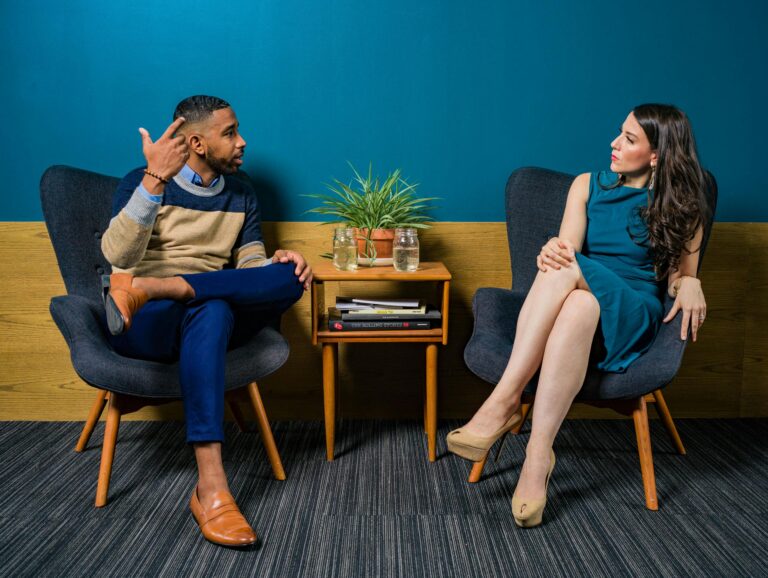
Shyness specifically tends to involve approach-avoidance conflict. A shy person typically wants social connection but fears the evaluation that comes with it. This produces a distinctive behavioural signature: hovering at the edge of a group rather than leaving entirely, making brief eye contact before looking away, speaking when directly addressed but not initiating, and showing visible relief once social pressure decreases.
Introversion, by contrast, doesn’t necessarily involve that conflict. An introverted person may simply prefer less social stimulation without the anxiety component. As an INTJ, I’ve spent years unpacking the difference in myself. My preference for depth over breadth in conversation isn’t fear-based. It’s preference-based. But I’ve managed team members, particularly younger account coordinators, where the social withdrawal I observed had a distinctly anxious quality to it. They wanted to participate but something was holding them back. That’s a different thing entirely.
Distinguishing shyness from social anxiety disorder matters too. Shyness exists on a spectrum and is considered a personality trait rather than a clinical condition. Social anxiety disorder involves significant impairment and distress. The American Psychological Association notes that anxiety-related conditions often have behavioural components that overlap with trait-level shyness, which is precisely why professional assessment matters when the behaviour is causing real functional difficulty.
How Does Shyness Show Up Differently in Children Versus Adults?
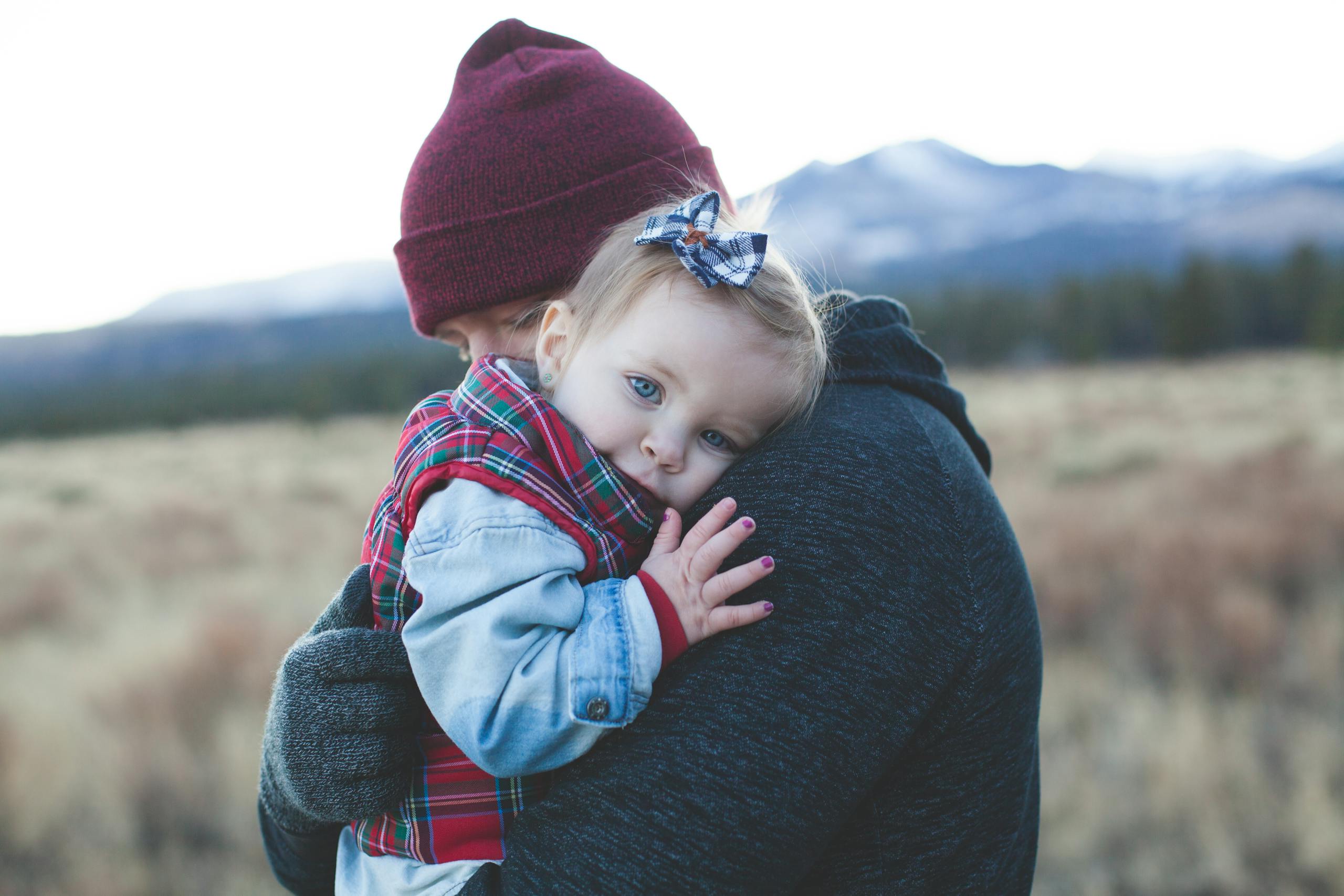
Children’s behavioural expression of shyness is often more visible simply because children have fewer coping strategies and less social masking. A shy five-year-old at a birthday party may hide behind a parent’s leg, refuse to make eye contact with the birthday child, or stand frozen at the edge of a game they clearly want to join. The internal conflict is written on their face and body in ways that adults learn to conceal.
For parents who are themselves highly sensitive or introverted, watching a child struggle with shyness can be particularly activating. You recognize something of yourself in those frozen moments, and that recognition can make it harder to respond with calm neutrality. Our piece on HSP parenting and raising children as a highly sensitive parent addresses exactly this dynamic, because sensitive parents often need strategies for managing their own emotional responses while supporting a child’s social development.
In adults, shyness tends to be more behaviorally subtle. Years of social experience teach people to mask the most obvious signals. An adult who is genuinely shy may appear composed in a meeting while internally experiencing significant distress. The behavioural tells become more specific: they may contribute ideas through writing rather than speaking in groups, they may position themselves near exits at social events, they may over-prepare for any situation where they might be called upon to perform socially.
I saw this pattern clearly in one of my senior creatives at an agency I ran in the early 2000s. She was extraordinarily talented, and her written briefs were some of the best I’d ever read. But put her in a new client presentation and she’d physically shrink. Her voice would drop, her eye contact would disappear, and she’d defer to junior colleagues rather than advocate for her own ideas. Once I understood what I was actually seeing, I stopped interpreting it as a confidence problem and started structuring presentations to play to her strengths while gradually reducing the situations that activated her social anxiety.
What Role Does Context Play in Behavioural Measurement of Shyness?
Context is everything in behavioural measurement, and this is where many informal assessments go wrong. Shyness is not uniformly expressed across all situations. A person who appears confident and socially fluent in familiar environments may show pronounced shyness signals in novel or evaluative situations. Measuring shyness based on behaviour in a single context produces an incomplete picture.
Well-designed behavioural assessments account for this by sampling behaviour across multiple contexts and using novelty as a specific trigger. The logic is that shyness, particularly the behavioural inhibition component, is most reliably activated by unfamiliarity and perceived social evaluation. A child who is perfectly comfortable with their family but consistently freezes with new adults is showing context-specific shyness that a single-context observation would miss.
There’s also the question of relationship context. Shyness tends to diminish with familiarity. Someone who appears withdrawn in a new group may become quite expressive once they’ve established a sense of safety with specific individuals. This is why longitudinal observation, watching behaviour over time rather than in a single snapshot, produces more reliable data than any one-time assessment.
A related consideration is the social role someone occupies. People in helping or caregiving roles often develop a professional persona that masks shyness effectively in role-appropriate situations. Someone assessing for a personal care assistant position might appear socially confident within the structured context of their professional role while still experiencing significant shyness in less structured social settings. Context shapes behaviour, and behaviour shapes what we measure.
Can Behavioural Measurement Miss Important Aspects of Shyness?
Yes, and being honest about this matters. Behavioural measurement captures what’s visible, but shyness has a substantial internal component. The physiological arousal, the rumination before and after social events, the internal narrative of anticipated rejection, these don’t always produce observable behaviour. Someone who has learned to mask their shyness effectively may appear behaviourally indistinguishable from a non-shy person while experiencing significant internal distress.
This is why comprehensive assessment typically combines behavioural observation with self-report measures and, where appropriate, physiological measures like heart rate or cortisol response. No single method captures the full picture. Published research available through PubMed Central has explored the multi-method approach to assessing social anxiety and inhibition, and the consistent finding is that combining methods produces more reliable results than any single approach.
There’s also the problem of observer bias. Parents, teachers, and clinicians bring their own frameworks to behavioural observation. A parent who was themselves shy may over-identify shyness in a child who is simply introverted. A teacher who values verbal participation may interpret a quiet, reflective student as shy when they’re actually just processing differently. Training and standardization exist in research settings precisely to reduce this bias, but in everyday life, it’s worth holding your interpretations loosely.
It’s also worth noting that some conditions can produce shyness-like behaviour for entirely different reasons. Certain presentations that might initially look like shyness warrant careful professional assessment. Our Borderline Personality Disorder Test is one example of a resource that helps distinguish between different patterns of social and emotional experience, because accurate identification matters enormously for finding the right kind of support.
How Can Parents and Educators Use Behavioural Awareness Practically?
You don’t need a clinical training background to become a more accurate observer of shyness in the children or adults you care about. What you need is a framework for what to look for and, equally important, how to respond to what you see.
Start by tracking patterns rather than incidents. A child who hesitates before speaking to a new teacher once is not necessarily shy. A child who consistently shows a cluster of behaviours, delayed speech initiation, physical proximity to a familiar adult, reduced eye contact with strangers, avoidance of group entry, across multiple novel situations over time, is showing you something meaningful.
Pay attention to what triggers the behaviour and what reduces it. Shyness tends to be activated by novelty, evaluation, and unfamiliarity, and reduced by familiarity, low-stakes interaction, and a sense of control. If a child’s withdrawn behaviour is primarily triggered by new situations but resolves relatively quickly as familiarity increases, that’s a different profile than behaviour that persists regardless of familiarity.
Also watch for the approach-avoidance tension I mentioned earlier. A shy child who wants to join the game but can’t quite get themselves to do it is showing you something different from a child who has no interest in joining. That tension, the wanting and the not being able to, is a core behavioural signal of shyness specifically.
In professional contexts, the same observational framework applies. Managers and team leaders who can read these signals accurately are better positioned to structure environments that allow shy team members to contribute fully. Some of the most valuable people I ever worked with were genuinely shy in group settings but extraordinarily capable when given the right conditions. Recognizing the behavioural signals was what allowed me to create those conditions rather than writing them off as disengaged.
What Does Shyness Measurement Tell Us About Social Potential?
One thing I want to be clear about: measuring shyness through behaviour is not about labeling people or predicting limitations. It’s about understanding what someone needs in order to function at their best. Shyness is not a fixed ceiling on social capacity. It’s a trait that responds to experience, environment, and support.
Additional research published through PubMed Central has examined how early social experiences shape the trajectory of shy behaviour over time, with findings suggesting that the right environmental conditions can significantly moderate the expression of shyness even in individuals with a strong temperamental predisposition toward it.
What behavioural measurement gives us is a starting point, not a verdict. Knowing that a child shows consistent behavioural inhibition in novel social situations tells you what kind of support they need, not what they’re capable of. Knowing that an adult colleague shows shyness signals in evaluative contexts tells you how to structure their environment for success, not whether they belong in a particular role.
Shyness and social likeability are also not inversely related, despite what many people assume. Some of the most genuinely warm and likeable people are also quite shy. Our Likeable Person Test explores the qualities that make people appealing and easy to connect with, and many of those qualities, attentiveness, genuine interest in others, thoughtfulness, show up in shy people in abundance. The behaviour that reads as social withdrawal is often the same behaviour that produces deep attentiveness when connection does happen.
Similarly, fields that might seem incompatible with shyness often attract shy individuals who bring something valuable precisely because of how they’re wired. Consider the helping professions. A certified personal trainer who is shy may be an exceptionally attentive listener and observer, picking up on a client’s physical cues and emotional state in ways that a more socially dominant trainer might miss. The behavioural signals of shyness don’t define what someone can offer in a professional relationship.
What I’ve come to believe, after years of observing people in high-pressure professional environments and doing my own internal work, is that the goal of measuring shyness behaviourally is in the end about accuracy. Accurate understanding of a person’s social experience allows for accurate support. And accurate support changes outcomes in ways that misreading someone simply cannot.
There’s much more to explore on this topic within the broader context of personality and family life. Our Introvert Family Dynamics and Parenting Hub brings together resources on sensitive children, introverted parents, and the complex ways personality shapes our closest relationships. Shyness in children is one thread in that larger picture.
About the Author
Keith Lacy is an introvert who’s learned to embrace his true self later in life. After 20 years in advertising and marketing leadership, including running agencies and managing Fortune 500 accounts, Keith now channels his experience into helping fellow introverts understand their strengths and build fulfilling careers. As an INTJ, he brings analytical depth and authentic perspective to every article, drawing from both professional expertise and personal growth.
Frequently Asked Questions
What behaviours are most commonly used to measure shyness?
The most commonly observed behaviours in shyness measurement include delayed speech initiation (how long before someone speaks in a new social situation), gaze aversion, physical proximity to familiar individuals in novel settings, self-soothing behaviours like self-touching, reduced vocal volume, and avoidance of group entry. Researchers also look for the approach-avoidance pattern, where a person shows interest in social connection but hesitates or withdraws when the moment arrives. No single behaviour is definitive. Reliable measurement looks at clusters of behaviour across multiple contexts over time.
How is shyness different from introversion when measured behaviourally?
Behaviourally, shyness and introversion can look similar on the surface but have different underlying drivers. Shyness involves an approach-avoidance conflict rooted in fear of social evaluation. A shy person typically wants social connection but is inhibited by anxiety about how they’ll be perceived. Introversion, by contrast, reflects a preference for less social stimulation without the anxiety component. Behaviourally, a shy person may hover at the edge of a group wanting to join but unable to. An introverted person may simply choose not to join because they find the group interaction draining rather than desirable. Context and the presence or absence of visible distress help distinguish the two.
Can shyness be accurately measured in young children?
Yes, and in some ways behavioural measurement is more straightforward in young children because they have fewer social masking strategies. Children’s shyness signals tend to be visible and consistent: hiding behind a caregiver, refusing eye contact with unfamiliar adults, freezing at the entry point of a new social group, and showing physical signs of distress before novel social situations. Structured observation in standardized settings, combined with parent and teacher report measures, produces reliable data in children as young as toddler age. what matters is sampling behaviour across multiple contexts rather than relying on a single observation.
Does measuring shyness mean predicting limitations?
No, and this distinction matters enormously. Measuring shyness behaviourally is about understanding what someone needs, not setting a ceiling on what they can achieve. Shyness is a trait that responds to experience, environment, and support. Someone who shows consistent behavioural inhibition in novel social situations may function with complete confidence in familiar, low-stakes environments. Accurate measurement informs accurate support, which changes outcomes. The goal is never to label someone as limited but to understand their experience well enough to create conditions where they can participate and contribute fully.
What are the limitations of behavioural measurement for shyness?
Behavioural measurement captures what’s visible, but shyness has a significant internal dimension that behaviour doesn’t always reflect. Adults especially can learn to mask shyness effectively, appearing socially composed while experiencing considerable internal distress. Observer bias is another limitation: parents, teachers, and clinicians bring their own frameworks that can lead to over-identification or under-identification of shyness. Single-context observation is also unreliable because shyness is context-dependent and most pronounced in novel or evaluative situations. Comprehensive assessment combines behavioural observation with self-report measures and, where appropriate, physiological indicators to produce a fuller picture.