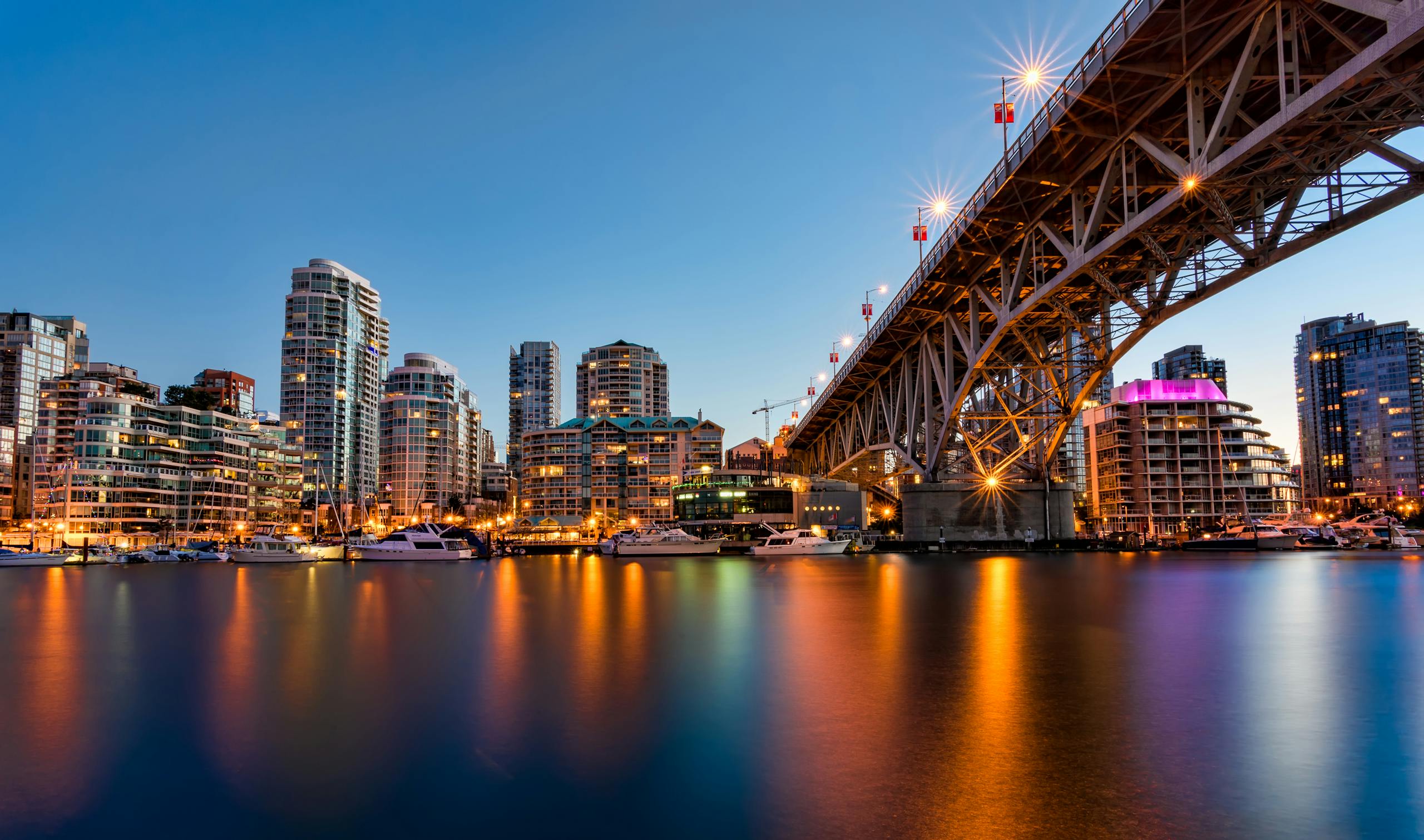

The apartment walls vibrated with bass from a club three blocks away. My neighbor’s television bled through shared walls until 2 AM. The subway platform during rush hour felt like being trapped inside a human compression machine. After eight years in a major metropolitan area, I found myself asking a question that changed everything: what if the city itself was the problem?
Moving to a midsize city wasn’t retreat. It was strategy. The decision grew from years of watching my energy drain faster than I could replenish it, from recognizing that the sensory assault of big city living was extracting a toll my introversion couldn’t sustain. As someone who processes information and emotion through layers of internal reflection, I needed an environment that matched my natural rhythm rather than constantly fighting against it.
Midsize cities occupy a fascinating sweet spot that gets overlooked in our cultural obsession with either massive metropolises or tiny rural escapes. These places, typically ranging from 100,000 to 500,000 residents, offer something neither extreme can provide: genuine urban amenities without the crushing intensity that depletes introverted energy reserves. Understanding why this matters requires looking at what happens when our environments consistently exceed our processing capacity.
The Sensory Equation Nobody Discusses
Research on sensory processing sensitivity reveals that roughly 20% of the population processes environmental stimuli more deeply than average. This heightened sensitivity correlates strongly with introversion, meaning the same city block affects introverts and extroverts differently at a neurological level. What feels energizing to one person registers as overwhelming to another.
What’s your personality type?
Take our free 40-question assessment and get a detailed personality profile with dimension breakdowns, context analysis, and personalised insights.
Discover Your Type8-12 minutes · 40 questions · Free
The noise issue alone deserves more attention than it typically receives. A systematic review on urban noise and psychological distress found that approximately 25% of the European population experiences quality of life deterioration specifically from noise annoyance. For introverts with heightened sensory awareness, that percentage likely runs much higher.

I remember standing on a street corner in Manhattan, trying to have a phone conversation with a client while sirens wailed, construction machinery pounded, and a street performer’s amplified saxophone competed with traffic noise. My brain was working overtime just to filter the relevant audio signal from the chaos. That constant filtering exhausts cognitive resources that introverts need for the deep processing we do naturally.
Midsize cities typically measure 10 to 15 decibels quieter than major metropolitan areas during peak hours. That might sound like a minor difference, but decibel scales are logarithmic. A 10 decibel reduction means the sound intensity is actually ten times lower. For nervous systems calibrated to notice subtle environmental shifts, that reduction creates space for the internal processing that helps us find peace in a world that often feels too loud.
Financial Breathing Room Changes Everything
Housing affordability in midsize cities creates psychological benefits that extend far beyond simple cost savings. When your housing costs consume 25% of income rather than 50%, the financial pressure that generates chronic stress decreases substantially. Recent analysis of housing costs across American cities shows dramatic variations, with midsize markets often offering home ownership at price-to-income ratios that make financial security actually achievable.
During my agency career, I watched colleagues in New York and San Francisco accept increasingly demanding work arrangements simply to maintain housing they could barely afford. The financial pressure created a feedback loop: more stress meant more need for recovery time, but financial constraints eliminated options for that recovery. Many introverts I knew were trapped in expensive cities that drained them while the cost of living prevented them from accumulating resources to leave.
The space equation matters enormously for introvert wellbeing. In midsize cities, the same housing budget that buys a cramped studio in a major metro often secures a two-bedroom apartment or small house. That additional room becomes a home office, a creative studio, or simply a quiet space separate from shared living areas. For those of us who need physical space for mental space, this isn’t luxury. It’s infrastructure for functioning well.
Creating an introvert home environment becomes genuinely possible when square footage isn’t a constant constraint. The sanctuary that supports our energy restoration needs room to exist.
Commute Time and Mental Health Connection
The research on commuting and psychological wellbeing consistently shows negative associations that compound over time. Longitudinal data from Australian cohort studies demonstrates that time spent commuting correlates with increased psychological distress, reduced life satisfaction, and diminished sense of purpose. These effects appear regardless of transportation mode, though crowded public transit seems particularly problematic for those sensitive to overstimulation.

Midsize cities typically offer something remarkable: the ability to live reasonably close to employment without sacrificing affordability. Average commute times in midsize markets often run 15 to 25 minutes compared to 45 to 90 minutes in major metropolitan areas. That time difference represents more than convenience. It represents recovery hours returned to daily life.
I used to lose three hours daily to commuting in my previous city. Three hours of sensory overload on packed trains, navigating crowded stations, walking through overwhelming streetscapes. Moving to a midsize city gave me back nearly 15 hours weekly. That’s 60 hours monthly that shifted from energy depletion to energy restoration. The math alone transformed my capacity to show up fully for work and relationships.
Understanding energy management means recognizing that commute time isn’t neutral. Every minute spent in overstimulating transit environments subtracts from the energy available for everything else.
Access Without Overwhelm
The common assumption holds that smaller cities mean sacrificing cultural amenities, professional opportunities, and quality healthcare. That assumption deserves serious scrutiny. Midsize cities increasingly offer sophisticated dining, performing arts, museums, and medical facilities. The difference lies not in what’s available but in how it feels to access what’s available.
Consider a concert experience. In a major city, attending means navigating packed subway cars, fighting through crowded venues, and dealing with the chaos of thousands of people entering and exiting simultaneously. The event itself might be identical in a midsize city, but the surrounding experience involves less sensory assault, shorter lines, and more manageable crowds. The cultural content remains accessible. The exhausting wrapping paper disappears.
Quality of life measurements increasingly recognize this nuance. The AARP Livability Index evaluates communities across 61 indicators including housing, transportation, neighborhood quality, health services, and civic engagement. Many midsize cities score comparably or higher than major metros when all factors receive appropriate weight. The glamour of big city amenities often obscures the daily friction that accompanies them.

Professional networking in midsize cities operates differently too. The same number of industry contacts feels more manageable because events are smaller, faces become familiar faster, and the networking scene lacks the relentless churn of major metros. For introverts who prefer depth over breadth in professional relationships, this environment enables the connection style that actually works for us.
Nature Proximity Matters More Than We Admit
Midsize cities typically offer something major metros struggle to provide: genuine access to natural environments without requiring significant travel. Parks in midsize cities are usually less crowded. Trails at city edges lead to actual wilderness rather than simply connecting to other urban areas. The ability to reach genuine solitude within 20 minutes changes the practical accessibility of nature-based restoration.
The research on nature exposure and mental health restoration continues strengthening. Natural environments reduce cortisol levels, lower heart rate, and activate parasympathetic nervous system responses. For introverts recovering from social or sensory overload, nature provides something built environments cannot replicate regardless of how well designed those spaces might be.
Understanding the role of solitude in introvert wellbeing means recognizing that quality matters alongside quantity. Solitude in a cramped apartment overlooking a noisy street provides different restoration than solitude beside a quiet river. Midsize cities make the higher-quality version accessible.
My own burnout recovery required weeks of daily nature walks before my nervous system began recalibrating. In my previous city, finding quiet natural space required weekend trips and substantial logistical planning. In my current midsize city, I can reach a peaceful hiking trail in 12 minutes. That accessibility transformed nature from an occasional escape to a daily practice.
The Community Scale Sweet Spot
Midsize cities create social environments that support introvert connection styles surprisingly well. The community is large enough to offer genuine choice in social circles and interest groups, yet small enough that familiar faces begin appearing regularly. This familiarity reduces the constant social cold-starting that exhausts introverts in major metros where anonymity prevails.
Recognizing the same barista, the same people at the farmers market, the same faces on your regular walking route creates a form of community connection that doesn’t require active social effort. These repeated low-intensity interactions build a sense of belonging without demanding the energy investment of constant new relationship initiation.

The pace of social life in midsize cities often better matches introvert rhythms as well. Fewer competing events mean less fear of missing out. The social calendar allows breathing room between engagements rather than the relentless scheduling that characterizes major metro social scenes. Building a sustainable social life becomes possible when the environment doesn’t constantly demand more than you can sustainably give.
Learning to recharge your social battery requires environments that actually allow recharging. The manic energy of major cities often prevents the recovery that would enable showing up fully for the social connections we genuinely want.
Career Considerations for Location Decisions
Remote work has transformed the career calculus for midsize city living. Industries that previously demanded physical presence in specific metropolitan hubs now often allow location flexibility. This shift means the career sacrifice previously associated with leaving major metros has diminished substantially for many professions.
Even for roles requiring some in-person presence, midsize cities increasingly host regional offices, satellite facilities, and distributed team arrangements. The startup ecosystem has expanded beyond traditional tech hubs. Healthcare, education, and government employment have always distributed across city sizes. The assumption that ambitious careers require major metro residence deserves fresh examination.
My own career transition involved recognizing that the networking advantages of a major city mattered less than the sustained performance capacity that a less draining environment would provide. Yes, fewer industry events happened in my new city. But I showed up to the events that did happen with energy and presence rather than the depleted half-engagement that had characterized my final years in the major metro.
Optimizing daily routines for energy and productivity becomes far more achievable when your environment supports rather than undermines those routines.
Practical Assessment Framework
Evaluating midsize cities for introvert compatibility requires looking beyond typical relocation criteria. Start with sensory factors: What are typical decibel levels in residential neighborhoods? How dense is the urban core? What public transit exists and how crowded does it get during peak hours?
Consider recovery infrastructure: How far from your likely residence would natural spaces be? What’s the availability of quiet coffee shops, libraries, and other public spaces that support low-stimulation work or reading? How does the local culture treat solitary activities in public spaces?
Examine the housing possibilities carefully. Price per square foot matters, but so does construction quality affecting noise transmission between units. Neighborhood walkability scores need weighting against crowd density at walking destinations. Access to outdoor space, whether balconies, yards, or nearby parks, deserves prioritization over interior finishes.

Test your assumptions with extended visits before committing. Spend time in the city during ordinary weeks rather than vacation periods. Visit potential neighborhoods at different times of day. Experience the commute you’d likely have. Talk to residents about daily life realities rather than relying on promotional materials or visitor impressions.
What I Wish I’d Understood Earlier
The most significant shift in my own perspective involved recognizing that struggling in a major city didn’t indicate personal weakness. For years, I absorbed the cultural message that successful people thrive in intense urban environments and that needing something different reflected some deficiency in adaptability or ambition.
Understanding my introversion as a neurological reality rather than a character flaw reframed everything. My nervous system processes environmental stimuli in ways that make high-intensity urban environments genuinely more costly to inhabit. Choosing a midsize city wasn’t giving up. It was selecting an environment matched to how I actually function rather than how I imagined I should function.
The energy I recovered through that environmental change enabled professional contributions I couldn’t have made while depleted. Relationships deepened when I had capacity for presence rather than just showing up empty. Creative work flourished once cognitive resources weren’t consumed by constant sensory management. Life improved not because I became less ambitious but because I directed resources toward outcomes rather than environmental survival.
Midsize cities won’t suit everyone. Some introverts genuinely thrive in major metros, and others prefer even smaller settings. The point isn’t prescribing a universal answer but expanding awareness of options that cultural narratives often obscure. If major city living feels harder than it seems to be for others around you, the explanation might be environmental mismatch rather than personal inadequacy.
Related reading: salt-lake-city-for-active-mormon-introverts.
Your introversion isn’t something to overcome through better coping strategies or more determination. It’s information about what environments will support your best functioning. Midsize cities deserve consideration as one option in that environmental search.
Explore more introvert lifestyle resources in our complete General Introvert Life Hub.
About the Author
Keith Lacy is an introvert who’s learned to embrace his true self later in life. With a background in marketing and a successful career in media and advertising, Keith has worked with some of the world’s biggest brands. As a senior leader in the industry, he has built a wealth of knowledge in marketing strategy. Now, he’s on a mission to educate both introverts and extroverts about the power of introversion and how understanding this personality trait can unlock new levels of productivity, self-awareness, and success.
Frequently Asked Questions
What population range defines a midsize city?
Midsize cities typically range from 100,000 to 500,000 residents, though definitions vary by source. The key characteristic is urban infrastructure and amenities without the density and intensity of major metropolitan areas. Some analysts extend the upper range to 1 million residents, particularly when distinguishing from mega-cities of several million or more.
Will moving to a midsize city hurt my career advancement?
Career impact depends heavily on your industry and role. Remote work expansion has reduced location constraints for many professions. For roles requiring in-person presence, midsize cities increasingly host quality employers across diverse sectors. The sustained performance capacity enabled by reduced environmental stress may offset any networking disadvantages of smaller markets.
How do I know if my struggles in a big city relate to introversion specifically?
Consider whether your difficulties center on sensory and energy management rather than social preferences alone. If crowded trains, constant noise, and lack of quiet spaces drain you more than social interactions themselves, environmental factors likely contribute significantly. Track your energy levels in different settings to identify patterns.
What are the best midsize cities for introverts specifically?
Optimal cities vary based on climate preferences, industry needs, and personal priorities. Generally, look for cities with good nature access, reasonable housing costs allowing adequate space, walkable neighborhoods without excessive density, and cultural amenities matching your interests. Portland, Maine; Asheville, North Carolina; Madison, Wisconsin; and Boise, Idaho frequently appear on livability rankings.
How long should I try living in a midsize city before deciding if it works?
Give yourself at least 12 to 18 months for genuine assessment. The first six months involve adjustment stress that may mask the environment’s actual fit. Social connections take time to develop, and discovering local amenities matching your interests requires exploration. Seasonal variation also matters for understanding year-round experience.