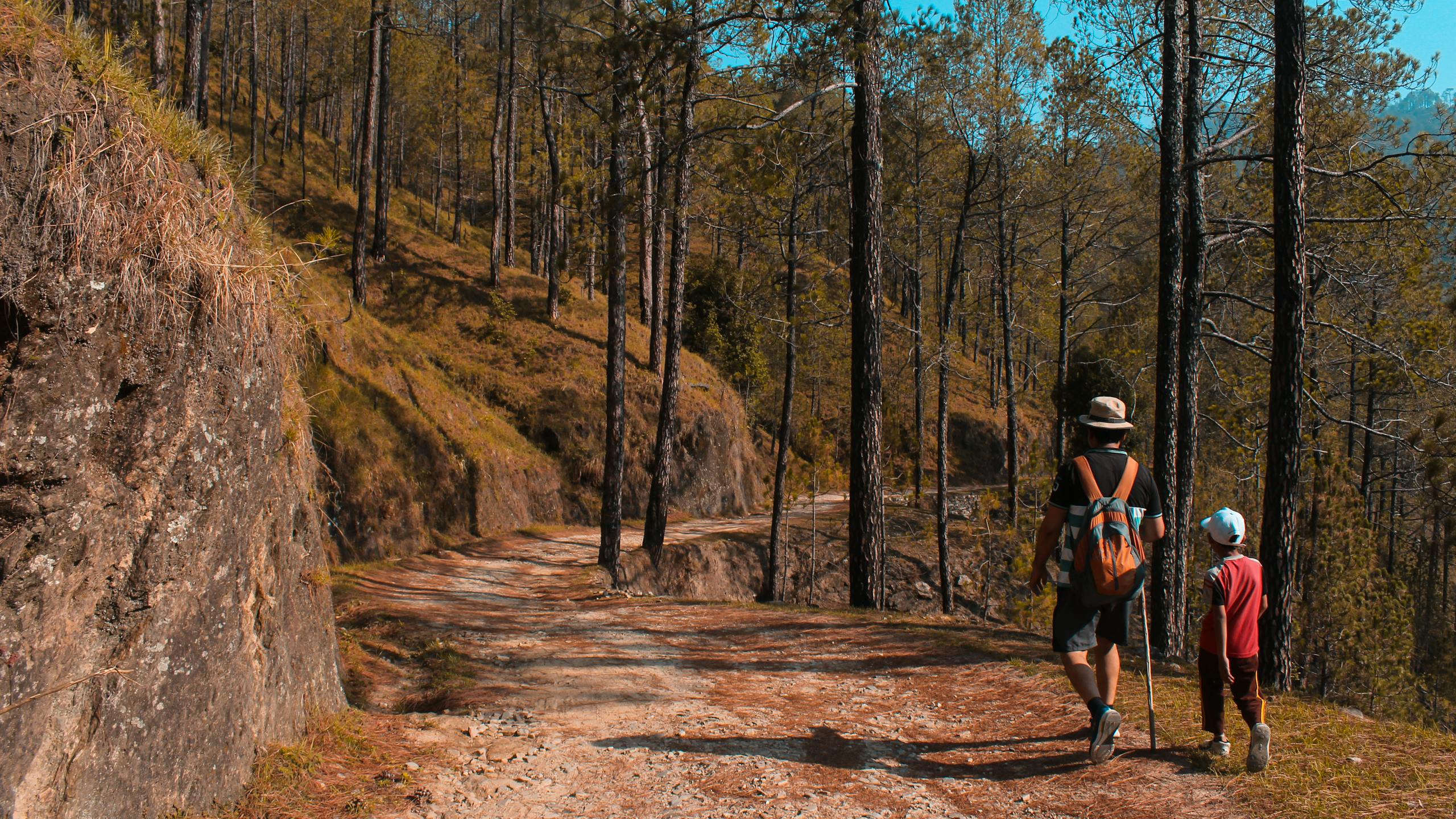
Mindfulness activities for teens work best when they feel less like homework and more like breathing room. The most effective practices give teenagers a way to slow down their inner noise, process emotion without exploding or shutting down, and build a relationship with their own minds that doesn’t depend on a screen or another person’s approval.
As a parent who spent two decades in high-pressure advertising environments, I’ve watched what happens when people, teenagers and adults alike, never learn to sit with themselves. The burnout, the reactive decisions, the chronic sense of being behind. Mindfulness isn’t a cure for any of that. But it builds something underneath: a quiet floor to stand on when everything else gets loud.

If you’re raising a teenager and wondering how to introduce mindfulness without triggering an eye-roll, you’re in good company. And if you’re also an introverted parent, you may find that the practices that restore you look very different from what you see in mainstream wellness content. Our Introvert Family Dynamics and Parenting hub covers the full range of how introversion shapes family life, and mindfulness is one of the most practical places that intersection shows up.
Why Do Teenagers Struggle to Be Present in the First Place?
There’s a reason teenagers often seem like they’re operating at two speeds: completely overwhelmed or completely checked out. The adolescent brain is in a period of significant rewiring. Emotional regulation is genuinely harder during these years, not because teens are dramatic or difficult, but because the parts of the brain responsible for impulse control and long-range thinking are still developing.
Career Coaching for Introverts
One-on-one career strategy sessions with Keith Lacy. 20 years of Fortune 500 leadership as an introvert, now helping others build careers that work with their wiring.
Learn More50-minute Zoom session · $175
Add to that the social pressure, academic stress, identity formation, and constant digital stimulation, and you have a recipe for a mind that never gets a chance to settle. Many teens have never experienced what it feels like to simply be in a room without reaching for something to fill the silence.
I remember watching this play out in my own agency years. We hired young creatives fresh out of college, and some of the most talented ones would completely freeze when given unstructured time to think. They’d been trained to react, scroll, respond. Sitting quietly with a problem felt foreign and uncomfortable. That same pattern starts in adolescence, and it doesn’t resolve itself without some intentional practice.
The American Psychological Association notes that chronic stress without adequate recovery can have lasting effects on development. Mindfulness isn’t just a wellness trend in this context. It’s a genuine tool for helping young people build resilience before they need it most.
What Makes a Mindfulness Practice Actually Work for Teens?
Most mindfulness content aimed at teenagers fails because it’s designed for adults who’ve already bought in. Teens haven’t bought in. They need a different entry point.
What works is meeting them where their attention already lives. That might mean movement-based practices instead of seated meditation. It might mean journaling instead of breathwork. It might mean a five-minute walk without headphones instead of a thirty-minute guided session. The form matters less than the function: giving the mind a chance to slow down and observe itself.
As an INTJ, I naturally gravitate toward structured, internally-focused practices. But I’ve watched introverted teens on my family’s periphery respond very differently depending on how a practice was framed. One of my nephews, who is quietly intense in the way many introverted teenagers are, wanted nothing to do with “mindfulness” as a concept. But he’d spend an hour sketching in silence and come out of it visibly calmer. That was mindfulness. He just didn’t know it had a name.
For parents who are highly sensitive themselves, this kind of attunement to how your child actually processes the world is a real strength. If you’re raising kids as a highly sensitive parent, the article on HSP parenting and raising children as a highly sensitive parent speaks directly to that dynamic and is worth reading alongside this one.

Which Mindfulness Activities Work Best for Introverted Teens?
Introverted teenagers often have a natural advantage with mindfulness: they already spend a lot of time inside their own heads. The challenge isn’t getting them to reflect. It’s helping them reflect with intention rather than spiraling into rumination or anxiety.
These are the practices I’ve seen work consistently for teens who lean inward.
Journaling With a Prompt, Not a Blank Page
Free writing can feel paralyzing for teens who are already in their heads. A simple prompt gives the mind somewhere to start. “What was the loudest moment of your day?” or “What are you carrying right now that you didn’t ask to carry?” These aren’t therapy questions. They’re invitations to observe without judgment.
Five minutes is enough. The goal isn’t a polished entry. It’s the act of translating internal experience into words, which creates just enough distance to see it more clearly.
Mindful Walking Without a Destination
Walking is one of the oldest forms of mental processing. Without headphones, without a podcast, without a goal. Just walking and noticing. What do your feet feel like on the ground? What sounds are layered in the background? What does the air smell like right now?
This isn’t about achieving a meditative state. It’s about giving the senses something concrete to anchor to so the mind stops replaying the same loop. Many introverted teens find this far more accessible than sitting still, because the body’s movement gives the restless mind something to do while the deeper processing happens underneath.
Body Scan Before Sleep
Teenagers who struggle with sleep often lie in bed with a racing mind, reviewing everything that went wrong or anticipating everything that could go wrong tomorrow. A simple body scan, starting at the feet and slowly moving attention upward, gives the mind a structured task that gradually quiets the noise.
This doesn’t require an app or a guided recording, though those can help at first. Once the practice is familiar, it becomes a reliable internal tool. I’ve used a version of this myself during high-pressure agency periods when my mind refused to stop running client strategy at midnight.
Single-Task Focus Practice
Pick one activity. Do only that activity. No second screen, no background music, no notifications. Whether it’s eating breakfast, doing dishes, or reading a chapter of a book, the practice is simply bringing full attention to the one thing in front of you.
This sounds almost too simple to count as mindfulness. But in a world built around divided attention, doing one thing fully is a radical act. For teens who’ve grown up multitasking as a default, this single-task practice can feel genuinely strange at first, which is exactly the point.
Creative Expression as Contemplative Practice
Drawing, playing an instrument, building something, writing poetry, even cooking with full attention. These aren’t traditionally labeled mindfulness activities, but they function the same way when approached with presence rather than performance. The difference is whether the teen is trying to produce something impressive or simply staying with the process.
Many introverted teens already gravitate toward these activities. The reframe is helping them recognize what they’re already doing as a form of mental care, not just a hobby.
How Does Personality Type Shape a Teen’s Relationship With Mindfulness?
Not every teenager will respond to mindfulness the same way, and personality plays a real role in that. An extroverted teen might find seated meditation genuinely painful because they process outwardly, through conversation and movement. An introverted teen might love journaling but resist anything that feels like group sharing or performance.
Understanding your teenager’s personality traits can help you choose practices that actually fit rather than ones that feel imposed. The Big Five personality traits test is a useful starting point for understanding how your teen scores on dimensions like openness, conscientiousness, and neuroticism, all of which shape how they’ll engage with introspective practices.
A teenager high in openness might love exploring different mindfulness traditions and experimenting with new techniques. One high in conscientiousness might respond better to a structured daily practice with clear expectations. Someone with higher neuroticism, meaning they feel emotions more intensely, might need gentler entry points that don’t accidentally amplify anxiety by focusing too much inward too fast.
I ran agencies where understanding personality wasn’t optional. When I was managing a team of twelve creatives and strategists, the ones who burned out fastest were almost always the ones whose work style was completely mismatched with how we were asking them to operate. The same principle applies to how we introduce mindfulness to teenagers. Fit matters more than format.
It’s also worth noting that some teens who seem resistant to mindfulness may be dealing with something deeper. If a teenager seems persistently dysregulated, emotionally volatile in ways that go beyond typical adolescence, or struggles with identity in ways that feel chronic rather than developmental, it may be worth exploring further. The borderline personality disorder test isn’t a diagnostic tool, but it can offer a starting point for reflection if you’re noticing patterns that feel more significant than typical teen stress.
What Role Does the Parent Play in a Teen’s Mindfulness Practice?
Here’s something I’ve noticed in my own life and in conversations with other introverted parents: we often know exactly what our teenagers need, because we needed it too and didn’t get it. We grew up in families where stillness was suspicious, where quiet was interpreted as sulking, where the internal life was never given a name or a place at the table.
That history can make us either the most empathetic guides for our teens or the most anxious ones. We want to give them what we didn’t have, but we also carry some of the same unresolved patterns.
The most effective thing a parent can do is model the practice rather than prescribe it. If your teenager sees you taking ten minutes of quiet time seriously, not as a luxury but as a genuine part of how you function, that communicates something no conversation can. Children and teenagers are extraordinarily sensitive to what their parents actually do versus what they say.
There’s also something to be said for shared practice, done without pressure. Suggesting a walk together, with no agenda and no phones, is an invitation rather than an assignment. Some of the most honest conversations I’ve had with people I care about happened during movement, when the lack of eye contact and the rhythm of walking created space for things that wouldn’t have come out sitting across a table.
Parenting teenagers also requires a kind of social awareness that can feel draining for introverted parents. You’re managing your own energy while staying attuned to someone else’s emotional weather. The likeable person test is a light but useful reflection tool for thinking about how you come across in close relationships, including with your own kids, and whether the warmth you feel internally is actually landing the way you intend.

When Should Mindfulness Be Part of a Larger Support System?
Mindfulness is genuinely valuable, but it isn’t a substitute for professional support when a teenager is struggling significantly. Anxiety disorders, depression, trauma, and other mental health challenges require more than breathing exercises. Mindfulness can be a powerful complement to therapy, medication, or other interventions, but it shouldn’t be the only response to serious distress.
One thing I’ve observed across twenty years of managing people under pressure is that the most resilient individuals weren’t the ones who white-knuckled through hard things alone. They were the ones who knew when to bring in support and weren’t ashamed to do it. That’s a lesson worth passing on to teenagers explicitly.
If your teenager is dealing with chronic stress, emotional dysregulation, or difficulty functioning in daily life, a mental health professional is the right starting point. Mindfulness practices can then be integrated as part of a broader plan. Some therapists who specialize in adolescents incorporate mindfulness-based cognitive approaches, which have a solid evidence base for stress and mood-related challenges.
For parents who are caregivers in a more formal sense, or who are thinking about how to support a teenager with specific needs, the personal care assistant test online offers a useful framework for thinking about caregiving strengths and approaches, which translates well to parenting contexts too.
Wellness also extends to the physical. Teenagers who are physically active, getting adequate sleep, and eating reasonably well have a much easier time with emotional regulation than those who aren’t. Mindfulness doesn’t exist in isolation from the body. If your teen is interested in understanding how physical wellness connects to mental wellbeing, the certified personal trainer test is an interesting resource for anyone thinking about fitness as part of a comprehensive wellness picture.
How Do You Introduce Mindfulness Without Making It a Power Struggle?
Teenagers are exquisitely sensitive to being managed. The moment a practice feels like something being done to them rather than something they’re choosing, resistance kicks in. This is developmentally appropriate. Autonomy is the central psychological project of adolescence.
So the framing matters enormously. “I want you to try meditation” lands very differently than “I’ve been doing this thing in the mornings and it’s helped me. Want to try it once and see what you think?” One is a directive. The other is an invitation into something real.
Give them agency over the form. Let them choose whether they want to journal, walk, draw, or sit quietly. Let them decide the duration. Let them tell you what worked and what didn’t. Their feedback is data, not defiance.
I learned this the hard way in my agency years. When I tried to impose systems on creative teams without buy-in, I got compliance at best and sabotage at worst. When I invited people into the design of how we’d work, I got ownership. Teenagers aren’t so different from talented creatives who need to feel that their autonomy is respected before they’ll genuinely engage.
It also helps to normalize struggle. Mindfulness isn’t immediately comfortable for most people. The first few times you sit quietly, the mind gets louder before it gets quieter. That’s not failure. That’s what’s supposed to happen. Letting your teenager know that in advance removes the expectation that they should feel instantly peaceful, which is both unrealistic and counterproductive.
A 2019 analysis published in PubMed Central looked at mindfulness-based interventions in adolescent populations and found that practices tailored to the developmental needs of teens, particularly around autonomy and relevance, showed stronger engagement and outcomes than those adapted directly from adult programs. The design of the practice matters as much as the practice itself.
Temperament also plays a role in how quickly a teenager takes to mindfulness. NIH research on temperament and introversion suggests that early temperament traits are fairly stable over time, which means a teenager who was always more internally oriented may find mindfulness more natural, while one who’s always been highly active and outward-facing may need a more movement-based entry point.
What Does a Sustainable Teen Mindfulness Routine Actually Look Like?
Sustainable means five minutes a day that actually happens, not forty minutes a week that gets skipped. Consistency matters more than duration, especially in the beginning.
A realistic starting point for most teenagers might look something like this: one to three minutes of intentional breathing before school, a brief journal entry at the end of the day, and one technology-free walk per week. That’s it. That’s a mindfulness practice. It doesn’t require a meditation cushion, a subscription app, or a complete lifestyle overhaul.
As the practice becomes more familiar, it naturally expands. The teenager who starts with two minutes of breathing often finds themselves wanting five. The one who starts journaling with a single prompt often ends up writing more than they planned. Momentum builds from small, consistent actions, not from ambitious starts that collapse under their own weight.
One more thing worth saying directly: the goal of a teen mindfulness practice isn’t to produce a perfectly calm, perpetually regulated teenager. Adolescence is supposed to be intense. Emotions are supposed to run high. The point of mindfulness isn’t to flatten that experience. It’s to give teenagers a relationship with their inner life that’s curious rather than afraid, observant rather than reactive. That relationship, built slowly and without pressure, is one of the most valuable things they’ll carry into adulthood.
There’s a broader conversation about how introversion, temperament, and family dynamics all intersect in the way teenagers develop. If this article has been useful, the full range of resources on raising and understanding introverted family members lives in our Introvert Family Dynamics and Parenting hub, and there’s a lot there worth exploring.
Personality research also continues to shed light on why some teens respond to introspective practices more readily than others. A PubMed Central study on personality and wellbeing offers relevant context for understanding how individual differences shape the way people, including teenagers, engage with practices designed to support mental health. And for parents curious about the broader personality landscape, Truity’s exploration of rare personality types is a useful reminder of just how much variation exists in how people are wired, and why one-size-fits-all wellness advice so often misses the mark.
Understanding family dynamics through the lens of Psychology Today can also help parents see how the relational patterns in a household shape a teenager’s capacity for self-regulation. Mindfulness doesn’t happen in a vacuum. It happens inside a family system, and that system either supports or undermines the practice.
About the Author
Keith Lacy is an introvert who’s learned to embrace his true self later in life. After 20 years in advertising and marketing leadership, including running agencies and managing Fortune 500 accounts, Keith now channels his experience into helping fellow introverts understand their strengths and build fulfilling careers. As an INTJ, he brings analytical depth and authentic perspective to every article, drawing from both professional expertise and personal growth.
Frequently Asked Questions
What are the best mindfulness activities for introverted teenagers?
Introverted teenagers tend to respond well to practices that honor their natural preference for inner reflection. Journaling with a prompt, mindful walking without technology, body scan exercises before sleep, and creative activities approached with full attention all work well. The common thread is that these practices deepen an existing inner orientation rather than pushing against it. Starting small, even two to five minutes daily, is more effective than longer sessions that feel overwhelming.
How do I get my teenager to try mindfulness without resistance?
Framing matters enormously with teenagers. Inviting them into a practice you personally use, rather than assigning them something to do, tends to generate far less resistance. Giving them genuine choice over the format, duration, and timing respects their developmental need for autonomy. Avoid presenting mindfulness as a fix for a problem, which can feel like criticism. Present it as something that helps you manage your own mental noise, and let curiosity do the rest.
How long does it take for mindfulness to help a teenager?
There’s no universal timeline, but many teenagers report noticing a difference in their ability to pause before reacting within a few weeks of consistent practice. The word “consistent” is more important than the word “long.” A two-minute breathing practice done daily will build more capacity than a thirty-minute session done occasionally. Sustainable small habits compound over time in ways that ambitious but inconsistent efforts don’t.
Can mindfulness help teenagers with anxiety?
Mindfulness can be a meaningful support for teenagers dealing with anxiety, particularly when it’s part of a broader approach that may include professional guidance. Practices like focused breathing, body awareness, and single-task attention can help interrupt the rumination loops that feed anxiety. That said, mindfulness alone isn’t sufficient for teenagers with significant anxiety disorders. A mental health professional should be involved in those cases, with mindfulness as a complement rather than a replacement for appropriate care.
Do introverted and extroverted teenagers need different mindfulness approaches?
Yes, and the difference is meaningful. Introverted teenagers often find it easier to sit with inward-focused practices like journaling or quiet breathing because they already spend time in their own heads. Extroverted teenagers may find those same practices frustrating and do better with movement-based mindfulness, partner breathing exercises, or practices embedded in physical activity. Matching the practice to the teenager’s natural processing style dramatically increases the likelihood that they’ll actually use it.