Most people hear “Minneapolis winter” and immediately picture something to survive. Subzero temperatures. Mountains of snow. The kind of cold that makes your nose hairs freeze the moment you step outside. And yet, for introverts who understand that weather shapes culture just as much as geography, Minneapolis offers something surprisingly rare: a city that actually encourages staying in, slowing down, and finding comfort in quiet spaces.
I spent years working in advertising agencies where the expectation was constant visibility. Always networking. Always performing energy I didn’t have. What nobody told me was that some cities are built for that relentless extroversion, and some cities understand that human beings occasionally need permission to retreat. Minneapolis, with its Scandinavian roots and genuine respect for coziness, falls firmly into the second category.
This isn’t a city that apologizes for winter. It builds infrastructure around it. Creates culture within it. And for introverts who’ve learned to find restoration in stillness rather than stimulation, that philosophy changes everything about what daily life can feel like.

Why Cold Weather Cities Work for Introverts
There’s a psychological phenomenon that happens in cities with brutal winters. People develop what researchers call indoor orientation as a coping mechanism, and that orientation shapes everything from social expectations to urban planning. In Minneapolis, winter means approximately five months where outdoor socializing becomes impractical. The result is a culture that genuinely values indoor spaces, solitary activities, and the art of comfortable hibernation.
What’s your personality type?
Take our free 40-question assessment and get a detailed personality profile with dimension breakdowns, context analysis, and personalised insights.
Discover Your Type8-12 minutes · 40 questions · Free
For introverts, this creates a kind of social permission that warmer climates often lack. Nobody questions why you’re spending Saturday reading in a coffee shop. Nobody expects you to attend every outdoor festival. The weather provides built-in boundaries, and over generations, those boundaries have shaped a population that understands the difference between isolation and intentional solitude.
The Scandinavian influence runs deep here. Minneapolis has one of the largest populations of Scandinavian descendants in the United States, and that heritage brought with it a cultural concept that introverts everywhere should know about: hygge. This Danish word, roughly translated as “cozy contentment,” describes the practice of finding warmth and comfort in simple pleasures during dark winter months. Candles. Warm drinks. Soft blankets. Quiet evenings. It’s essentially a cultural endorsement of introvert restoration practices.
Understanding how to thrive as an introvert in different environments often comes down to finding places where your natural rhythms align with local culture. Minneapolis offers that alignment in ways that surprised me when I first started researching cities where quiet people genuinely flourish.
The Neighborhoods Where Introverts Actually Belong
Not every Minneapolis neighborhood suits the introvert sensibility. Some areas pulse with nightlife and constant social energy. Others offer the kind of tree-lined streets, walkable lakeshores, and quiet residential blocks where you can build a life that doesn’t require constant performance.
Linden Hills sits at the top of my list for introverts seeking neighborhood roots. Located between Lake Harriet and Lake Calhoun, this area feels almost village-like despite being part of a major metropolitan area. The streets are quiet. The local businesses are small and independently owned. Sebastian Joe’s ice cream shop has been serving neighbors for decades. There’s a farmers market in summer where you can pick up produce without navigating overwhelming crowds. The pace here is genuinely slower, and the community respects that slowness.
Bryn Mawr offers something different: proximity to nature without sacrificing urban convenience. The neighborhood borders Theodore Wirth Park, which provides over 600 acres of trails, woods, and water. Introverts who recharge through solitary walks in nature can find that restoration without driving anywhere. The neighborhood itself maintains a small-town atmosphere where neighbors know each other but don’t necessarily expect constant interaction. That balance between community and privacy is harder to find than most people realize.
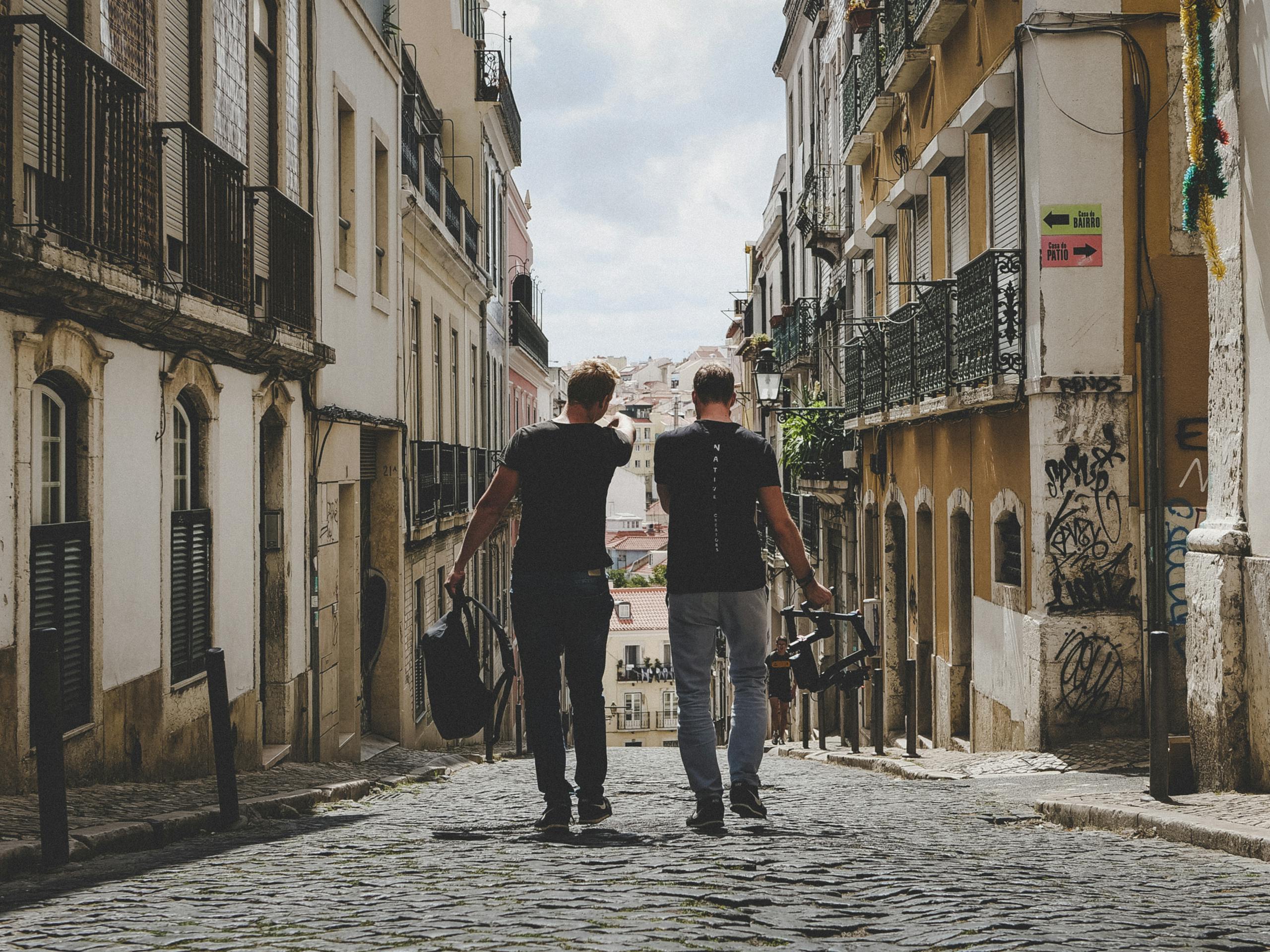
Nokomis surrounds one of Minneapolis’s most beautiful urban lakes and attracts residents who prioritize outdoor access over nightlife. The housing stock dates primarily to the 1920s, giving the area character that newer developments lack. Lake Nokomis itself offers year-round activities for introverts: summer paddleboarding, winter ice skating, and shoulder-season walking paths that rarely feel crowded. The neighborhood’s relaxed vibe draws people who value experiences over appearances.
Macalester-Groveland technically sits in St. Paul, but the Twin Cities function as one metropolitan area. This neighborhood offers quiet suburban streets within fifteen minutes of both downtowns. Grand Avenue provides walkable access to independent bookstores, coffee shops, and restaurants without the intensity of more central commercial districts. For introverts who want cultural access without cultural overwhelm, the location strikes an excellent balance.
Choosing the right neighborhood matters more than most people realize when they’re considering a move. The factors that create genuine introvert fulfillment often depend on daily environment rather than occasional experiences. A neighborhood that drains you every morning will undermine whatever benefits the broader city offers.
The Skyway System: Nine Miles of Indoor Walking
Minneapolis built something that every cold-weather introvert should know about: the world’s largest continuous indoor pedestrian network. The Minneapolis Skyway system connects over 80 city blocks through climate-controlled walkways on the second floor of buildings. You can walk nearly ten miles without ever stepping outside, accessing restaurants, shops, hotels, and office buildings through this elevated network.
For introverts, the skyway offers something beyond weather protection. It provides an alternative to street-level crowds, a quieter commute during off-peak hours, and a way to move through the city at your own pace without the sensory overwhelm that sidewalks sometimes create. During winter months, approximately 300,000 people use the skyway daily, but the network is extensive enough that you can usually find less-trafficked routes if you learn the system.
The skyway connects to both the Target Center and U.S. Bank Stadium, which means you can attend major events and retreat to climate-controlled comfort before and after. For introverts who want cultural experiences without weather-related anxiety, this infrastructure removes a significant barrier. You can plan an evening out knowing that every transition between buildings happens in warmth and relative quiet.
I think about this kind of urban planning when I consider how cities either support or undermine finding peace in noisy environments. Minneapolis invested in infrastructure that happens to serve introvert needs, whether intentionally or not. That investment shapes what living here actually feels like.
Bookstores, Libraries, and Quiet Spaces Worth Knowing
Every introvert-friendly city needs sanctuaries. Places where you can exist without performing. Where quiet is expected rather than interrupted. Minneapolis has developed a remarkable ecosystem of such spaces, and knowing where to find them makes the difference between surviving winter and genuinely thriving in it.
Magers and Quinn Booksellers in Uptown is the largest independent bookstore in the Twin Cities, and it rewards long visits. Three floors of new and used books create the kind of browsing experience that can absorb an entire afternoon. The staff understands that customers sometimes need to disappear into the stacks without assistance. That respect for solitary exploration is rarer than it should be.
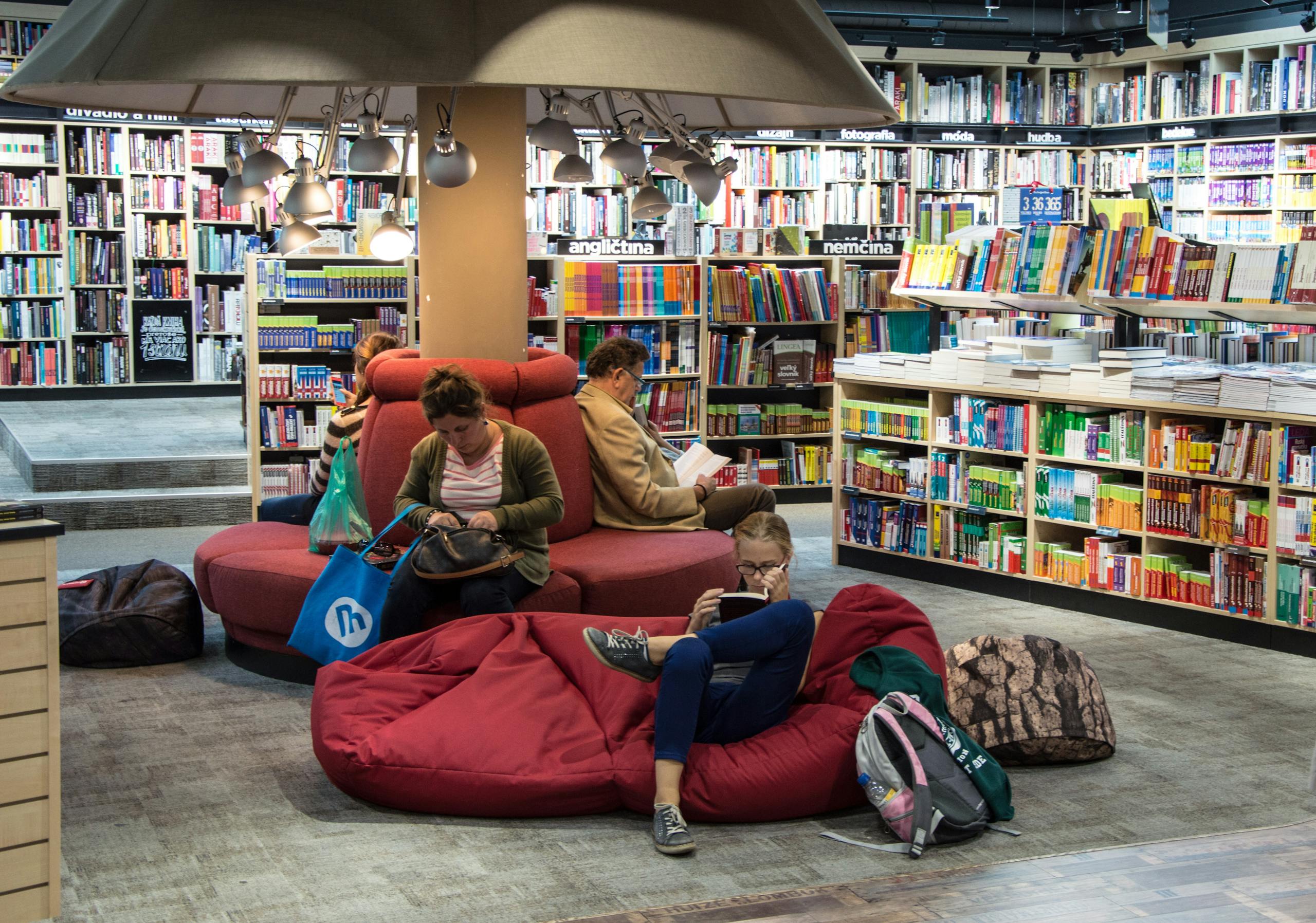
Milkweed Books occupies space within the Open Book building, which also houses the Loft Literary Center and other literary organizations. The bookstore specializes in poetry and experimental nonfiction, attracting readers who appreciate depth over popularity. The surrounding literary community creates an atmosphere where serious reading is valued rather than questioned.
Wild Rumpus in Linden Hills is technically a children’s bookstore, but adults without children visit regularly because the space is genuinely magical. Live chickens roam the store. Cats nap in corners. Fish swim in floor-embedded tanks. The sensory experience is unusual without being overwhelming, and the staff creates an environment where browsing is encouraged regardless of age or purchasing intent.
The Minneapolis Central Library deserves special mention for introverts seeking extended quiet work sessions. The building spans four floors with increasingly quiet spaces as you ascend. The upper levels provide the kind of concentrated silence that creative work requires, while the main floor offers a Dunn Brothers coffee shop for those who want caffeine with their reading. The architecture itself is worth experiencing: clean lines, abundant natural light, and thoughtful spaces for solitary work.
Minneapolis also hosts a Silent Book Club chapter that meets monthly at various cafes and breweries. The format is perfect for introverts who want community without conversation: everyone brings their own book, reads quietly for 45 minutes, then shares briefly what they’re reading. It’s social connection structured around silence rather than constant talking.
Coffee Shops That Understand Quiet
The coffee shop that works for studying or deep work is not the same coffee shop that works for casual socializing. Introverts know this instinctively, and Minneapolis offers options across that spectrum.
Northern Coffeeworks near Lake Nokomis attracts people who genuinely want peace with their pour-over. The atmosphere is calm rather than buzzy. The seating invites settling in. The Minnesota-themed roasts provide something distinctive without demanding attention. When I think about the kind of environment where my mind can actually slow down enough to process complex thoughts, spaces like this come to mind.
FRGMNT Coffee operates multiple locations with a minimalist aesthetic that reduces visual stimulation. Some locations include fireplaces, which contribute to that hygge atmosphere the city does so well. The design choices feel intentional: calm colors, comfortable seating, and a sense that the space was created for people who need their environment to support their mental state.
For introverts who also love music, Disco Death Records combines a vinyl shop with specialty coffee. You can browse records while sipping espresso, moving between activities without leaving the space. The combination attracts a crowd that appreciates solitary pursuits, creating ambient energy without aggressive socializing.
Working from coffee shops requires understanding your own introvert nature and choosing environments accordingly. Minneapolis offers enough variety that you can match your location to your energy level on any given day.
The Cultural Infrastructure Introverts Need
Beyond bookstores and coffee shops, Minneapolis has built cultural institutions that serve introvert sensibilities. The American Swedish Institute combines a historic mansion with galleries exploring Nordic art and culture. The on-site FIKA cafe serves traditional Swedish pastries in a space designed around the Scandinavian concept of taking meaningful breaks. The entire institution embodies the idea that culture can be absorbed slowly, thoughtfully, and without overwhelming crowds.
The Minneapolis Institute of Art offers free general admission, which allows for short, focused visits rather than marathon sessions trying to justify ticket prices. You can spend thirty minutes with a single painting, then leave without feeling like you wasted money. That flexibility matters for introverts who know their capacity limits and want to honor them.
Theater culture thrives here too, with the Guthrie Theater anchoring a vibrant scene. For introverts who find live performance restorative rather than draining, the city provides options ranging from major productions to intimate black box spaces. The key is choosing venues sized to your comfort level and arriving with energy reserves for the social exposure involved.
Sometimes planning adventures as an introvert means choosing experiences that expand your world without depleting your reserves. Minneapolis cultural institutions generally respect that balance better than I’ve experienced in larger coastal cities.
Cost of Living: What You Actually Need to Know
Minneapolis costs less than most major metropolitan areas, and for introverts building lives around quality of space rather than proximity to scenes, that affordability translates directly into wellbeing. According to cost of living data, housing here runs approximately 18% cheaper than the national average. Median home prices hover around $320,000, significantly lower than coastal alternatives.
Rent averages around $1,400 monthly for one-bedroom apartments, with variation depending on neighborhood. The introvert-friendly neighborhoods I mentioned earlier fall within reasonable price ranges, which means you don’t have to sacrifice quiet surroundings for affordability. That tradeoff destroys quality of life in cities where peaceful neighborhoods carry premium prices.
Groceries run slightly above national average at about 2% higher, but transportation costs come in 3% lower. The city’s extensive bike infrastructure helps explain those savings. Minneapolis ranked as one of America’s most bikeable cities, with protected lanes and trails making car-free living genuinely viable for much of the year.
Winter heating does increase utility costs from November through March. Budget for that reality. But overall, the cost of living allows introverts to afford the kind of home spaces that support restoration: quiet neighborhoods, enough square footage for dedicated work areas, and locations that don’t require constant car dependency.
Winter Survival: Practical Tips for the Cold
Let me be direct about Minneapolis winter: it gets genuinely cold. Subzero temperatures are normal, not exceptional. Wind chill can make conditions dangerous. If you hate cold weather fundamentally and permanently, this city will not change that.
But if you’re open to adapting, the residents here have developed strategies worth learning. Layering matters more than individual garment quality. Wool base layers against skin, insulating middle layers, and windproof outer shells create a system that handles the extremes. Investing in proper winter boots with insulation ratings for negative temperatures prevents the foot discomfort that ruins outdoor time.

The locals embrace winter rather than merely enduring it. Ice fishing becomes social activity. Cross-country skiing replaces summer jogging. The chain of lakes freezes over and transforms into public gathering spaces. This cultural attitude makes a psychological difference. When everyone around you treats winter as a season to enjoy rather than survive, your own relationship with cold begins shifting.
For introverts specifically, winter provides something valuable: legitimate reason to stay home. The social pressure to be constantly active, constantly visible, constantly engaged relaxes when going outside requires genuine preparation. That breathing room allows for deeper restoration than perpetually pleasant weather sometimes permits.
The key is not forcing yourself into patterns that don’t fit. If you thrive in winter coziness, Minneapolis will feel like permission. If you need warmth and sunshine to function, no amount of hygge philosophy will compensate for five months of gray skies and frozen ground.
Making the Decision: Is Minneapolis Right for You?
Every city has tradeoffs. Minneapolis offers affordable living, excellent cultural institutions, a population that values quiet competence over loud performance, and infrastructure genuinely designed for indoor living during harsh months. The Scandinavian cultural influence means that introvert tendencies receive more acceptance here than in cities built around extroverted norms.
The challenges are real. Winter is long and genuinely cold. The city lacks the population density and economic diversity of coastal alternatives. Professional opportunities in certain fields may be limited compared to larger metropolitan areas. And if you have family or close friends in other regions, the distance creates ongoing relationship challenges.
I’ve found that the introverts who thrive in Minneapolis share certain characteristics. They appreciate routine and find comfort in predictability. They value depth of experience over breadth of options. They understand that quality of daily environment matters more than proximity to occasional excitement. And they’ve made peace with weather as a shaping force rather than an obstacle to overcome.
If that description resonates, Minneapolis deserves serious consideration. The city won’t transform your personality or solve problems rooted in other areas of life. But it might offer an environment where your introvert nature feels like an asset rather than a limitation. And after years of navigating cities designed for different kinds of people, that alignment is worth pursuing.
Frequently Asked Questions
What makes Minneapolis particularly suitable for introverts compared to other cold-weather cities?
Minneapolis combines Scandinavian cultural heritage with practical infrastructure like the skyway system and abundant indoor spaces. The hygge philosophy embedded in local culture provides social permission for quiet, cozy activities that other cold-weather cities may lack. The population tends toward understated interaction styles rather than aggressive socializing.
How do introverts handle the extreme cold during Minneapolis winters?
Successful winter living requires proper layering with wool base layers, insulating mid-layers, and windproof outer shells. The skyway system allows downtown navigation without outdoor exposure. Most introverts find that winter provides legitimate reason for staying home, which actually reduces social pressure compared to year-round pleasant climates.
Which Minneapolis neighborhoods offer the best environment for introverts?
Linden Hills provides village-like atmosphere near lakes with quiet streets and local businesses. Bryn Mawr offers proximity to Theodore Wirth Park’s 600+ acres of trails. Nokomis surrounds a beautiful urban lake with 1920s housing stock. Macalester-Groveland in St. Paul provides quiet suburban streets with easy access to both downtowns.
What quiet spaces and activities does Minneapolis offer for introverts?
The city features excellent independent bookstores like Magers and Quinn, Milkweed Books, and Wild Rumpus. The Minneapolis Central Library provides four floors of increasingly quiet spaces. Coffee shops like Northern Coffeeworks and FRGMNT offer calm atmospheres. The Silent Book Club meets monthly for community reading without constant conversation.
Is Minneapolis affordable for introverts building a comfortable home environment?
Minneapolis housing costs approximately 18% below national average, with median home prices around $320,000 and average one-bedroom rent around $1,400 monthly. The introvert-friendly neighborhoods remain reasonably priced, allowing residents to afford quiet surroundings and adequate home space for restoration without excessive financial strain.
Explore more introvert lifestyle resources in our complete General Introvert Life Hub.
About the Author
Keith Lacy is an introvert who’s learned to embrace his true self later in life. With a background in marketing and a successful career in media and advertising, Keith has worked with some of the world’s biggest brands. As a senior leader in the industry, he has built a wealth of knowledge in marketing strategy. Now, he’s on a mission to educate both introverts and extroverts about the power of introversion and how understanding this personality trait can unlock new levels of productivity, self-awareness, and success.