

Some relationships feel effortless from the start, while others seem to require constant repair work no matter how much both people care. A significant piece of that puzzle comes down to attachment styles, the emotional blueprints we developed early in life that shape how we seek closeness, handle conflict, and respond when love feels threatened. The most compatible attachment styles tend to pair low anxiety with low avoidance, meaning secure individuals tend to build the most stable connections, but compatibility is far more nuanced than a simple match chart.
As an INTJ who spent two decades running advertising agencies, I processed most of my emotional life through the lens of strategy and analysis. I could dissect a campaign brief in minutes, but understanding why certain relationships in my life felt like constant static while others felt like clear signal, that took me much longer to figure out. Attachment theory gave me a framework that finally made sense of patterns I’d been living inside without fully seeing.

Our Introvert Dating and Attraction hub covers the full range of how introverts build romantic connections, but attachment style compatibility adds a specific psychological layer that shapes everything from how you handle disagreements to how much closeness feels comfortable. It’s worth examining closely, especially if you’ve noticed recurring patterns in your relationships that seem to follow you from one partner to the next.
What Are Attachment Styles and Why Do They Matter in Relationships?
Attachment theory, developed by John Bowlby and later expanded by researchers like Mary Ainsworth and Mary Main, describes the emotional bonding system humans develop in early childhood. The way our caregivers responded to our needs, whether consistently, inconsistently, or not at all, shaped our internal working model of relationships. That model becomes the unconscious lens through which we experience intimacy as adults.
What’s your personality type?
Take our free 40-question assessment and get a detailed personality profile with dimension breakdowns, context analysis, and personalised insights.
Discover Your Type8-12 minutes · 40 questions · Free
There are four primary adult attachment styles. Secure attachment sits at low anxiety and low avoidance, meaning securely attached people feel comfortable with both closeness and independence. Anxious-preoccupied attachment involves high anxiety and low avoidance, creating a pattern of intense focus on the relationship and fear of abandonment. Dismissive-avoidant attachment shows up as low anxiety but high avoidance, where emotional closeness triggers a deactivating response and self-sufficiency becomes a kind of armor. Fearful-avoidant (also called disorganized) attachment combines high anxiety with high avoidance, creating a push-pull dynamic where intimacy feels both desperately wanted and genuinely threatening.
One important clarification before going further: introversion and avoidant attachment are not the same thing. An introvert may be completely securely attached and simply prefer quieter, more intentional ways of connecting. Avoidant attachment is about emotional defense, not energy preference. I’ve seen this confusion come up repeatedly, and it matters because misidentifying your attachment style based on your introversion can lead you in the wrong direction entirely.
Also worth noting: attachment styles are not permanent labels. Through therapy, particularly approaches like Emotionally Focused Therapy, schema therapy, or EMDR, and through corrective relationship experiences, people genuinely shift their attachment orientation over time. “Earned secure” attachment is well-documented and represents real, lasting change.
Which Attachment Style Pairings Tend to Work Best?
Secure with secure is the pairing most likely to produce a stable, satisfying relationship. Two people who are comfortable with both closeness and autonomy, who can communicate needs without panic and offer reassurance without feeling smothered, tend to build the kind of partnership that weathers difficulty without fracturing. That said, securely attached people still experience conflict and hard seasons. Secure attachment means better tools for handling difficulty, not immunity from it.
Secure with anxious-preoccupied is another pairing that often works well. A securely attached partner can provide the consistent reassurance and emotional availability that someone with anxious attachment genuinely needs, without feeling burdened by it. Over time, the anxiously attached partner often moves toward greater security through that consistent experience of being reliably met. I’ve watched this play out in professional relationships too. During my agency years, I had a creative director who needed frequent check-ins and reassurance about where projects stood. My instinct as an INTJ was to give people space and trust them to work, but I learned that for her, those brief touchpoints weren’t neediness, they were her nervous system seeking confirmation that everything was still on track. Once I understood that, I stopped reading it as insecurity and started responding to it as a communication style.
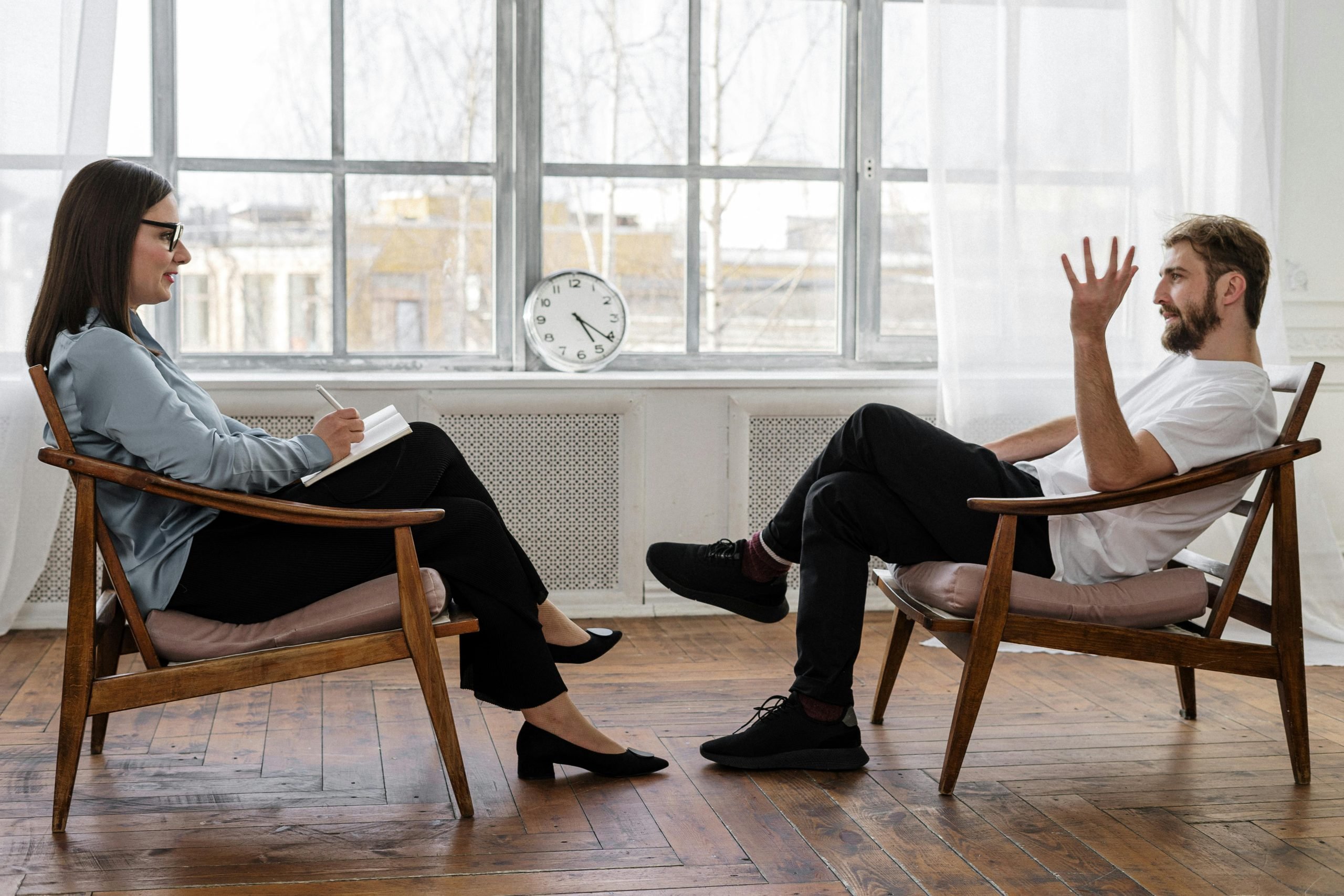
Secure with dismissive-avoidant can also function well, though it requires patience and a particular kind of understanding. The securely attached person must be able to give space without interpreting it as rejection, while the dismissive-avoidant partner ideally has some self-awareness about their deactivating tendencies. One critical correction worth repeating: dismissive-avoidant people do have feelings. Their emotional responses are real but often unconsciously suppressed as a defense strategy. Physiological evidence suggests that avoidants register emotional arousal internally even when they appear outwardly calm. Treating avoidance as indifference rather than defense is one of the most common and damaging misreads in these relationships.
Understanding how introverts fall in love and the relationship patterns that follow becomes especially relevant here, because many introverts who lean toward needing space may be misread as avoidant when they’re actually securely attached people who simply recharge alone. The distinction matters enormously for how both partners interpret behavior.
Why Does the Anxious-Avoidant Pairing Feel So Intense?
The anxious-avoidant pairing is probably the most written-about dynamic in attachment literature, and for good reason. It creates a cycle that feels almost magnetic in its pull and almost impossible to escape without conscious effort. The anxiously attached person pursues connection and reassurance. The dismissive-avoidant partner, feeling crowded, withdraws. The withdrawal triggers more anxiety and more pursuit. The pursuit triggers more withdrawal. Both partners end up feeling misunderstood and exhausted.
What makes this pairing so common is that it often activates deep attachment systems in both people. The avoidant partner may feel more alive in this dynamic than in calmer relationships, where the lack of emotional charge can feel flat. The anxious partner may interpret the avoidant’s periodic warmth as evidence of deep connection, making the distance feel worth tolerating. Neither experience is accurate, but both feel very real.
Anxious-avoidant relationships can work. That’s not a consolation, it’s a genuine clinical observation. Couples with this dynamic have developed secure functioning together, particularly when both partners understand their patterns, can name what’s happening in real time, and are willing to do the work, often with professional support. The challenge is that it typically requires more sustained effort than other pairings, and both people have to want that work equally.
handling the emotional complexity in these relationships connects directly to what I explore in the context of introvert love feelings and how to work through them. Introverts with anxious attachment often process their relationship fears very internally, which can make the cycle even harder to break because the partner never sees the full scope of what’s happening emotionally.
How Does Introversion Interact With Attachment Style in Practice?
Here’s where things get genuinely interesting for those of us who identify as introverts. Because introversion involves a preference for less stimulation and a need for solitude to recharge, it can create surface-level behaviors that look like avoidant attachment even when the underlying attachment system is completely secure. An introvert who needs an evening alone after a demanding social week isn’t withdrawing from the relationship. They’re regulating their nervous system. A partner who doesn’t understand introversion might read that as emotional distance and respond with anxiety or hurt feelings, which then creates the very dynamic neither person wanted.
I experienced a version of this in my own life. Running a mid-size agency means you’re in client meetings, staff reviews, and creative presentations constantly. By Thursday evening, I had nothing left for social interaction. My need to decompress quietly was misread by people close to me as withdrawal or disengagement. Learning to name that need explicitly, rather than just disappearing into it, changed how those situations landed for everyone involved.
The way introverts express affection is also worth understanding in this context. How introverts show love often looks different from extroverted expressions of affection, and a partner with anxious attachment may struggle to feel loved when the signals are quieter and less frequent. That mismatch doesn’t mean incompatibility, but it does mean both partners need to develop a shared vocabulary for what love looks and feels like between them specifically.

A Psychology Today piece on what it means to be a romantic introvert touches on this beautifully, noting that introverted partners often express deep care through presence, attention, and meaningful gestures rather than high-volume affection. Understanding that register is part of reading attachment compatibility accurately.
What Happens When Two Introverts With Different Attachment Styles Partner Up?
Two introverts in a relationship share a baseline understanding of needing space, preferring depth over breadth in social engagement, and finding quiet evenings genuinely restorative rather than depressing. That shared orientation removes a significant source of friction that introvert-extrovert pairings often face. Yet two introverts can still have very different attachment styles, and those differences shape the relationship just as powerfully.
Two securely attached introverts tend to build remarkably stable partnerships. They can spend hours in the same room doing separate things and feel deeply connected. They can take space without it meaning anything ominous. They communicate needs clearly without drama. 16Personalities explores some of the less obvious challenges in introvert-introvert pairings, including the tendency to avoid necessary conflict because both people prefer harmony, which is worth reading if you’re in or considering this kind of relationship.
Two anxiously attached introverts can create a dynamic where both partners are simultaneously seeking reassurance and fearing rejection, with neither feeling fully settled. Two dismissive-avoidants may find a comfortable distance but struggle to build genuine emotional intimacy over time. The pairing of one anxious introvert with one avoidant introvert creates the same push-pull dynamic described earlier, just played out more quietly and internally.
There’s a fuller exploration of what happens when two introverts fall in love that covers the specific dynamics of these pairings in more depth, including the particular strengths and blind spots that come with matching introvert energy.
Where Do Highly Sensitive People Fit Into Attachment Compatibility?
Many introverts are also highly sensitive people (HSPs), a trait characterized by deeper processing of sensory and emotional information, stronger emotional reactivity, and greater awareness of subtlety in their environment. HSPs who are anxiously attached face a particular challenge: their nervous systems are already processing more intensely than average, and anxious attachment adds a layer of hypervigilance about the relationship on top of that baseline sensitivity.
For HSPs, secure attachment in a partner isn’t just preferable, it’s often genuinely necessary for the relationship to feel sustainable. A dismissive-avoidant partner who frequently withdraws or minimizes emotional experience can leave an HSP feeling chronically unseen and overstimulated by the effort of managing their own emotional responses without support. The complete guide to HSP relationships and dating covers this dynamic in detail, including what to look for in a compatible partner when sensitivity is part of your baseline.
Conflict is particularly challenging for HSPs regardless of attachment style. Their nervous systems process disagreement more intensely, which means even minor friction can feel disproportionately significant. Understanding how HSPs can handle conflict more peacefully is a genuinely useful skill set for anyone in this category, because the way conflict gets managed often determines whether attachment patterns shift toward security or entrench further.
A PubMed Central study on emotional sensitivity and relationship functioning provides useful context for understanding how heightened emotional processing affects relationship dynamics, supporting the idea that compatibility for HSPs involves more than just personality alignment.

Can You Actually Change Your Attachment Style for Better Compatibility?
Yes, and this matters more than most people realize. One of the most damaging myths about attachment theory is that your style is fixed from childhood and you’re simply working with whatever hand you were dealt. The reality is more hopeful and more demanding than that.
Earned secure attachment describes people who began with insecure attachment patterns and shifted toward security through a combination of therapeutic work, self-awareness, and corrective relationship experiences. It’s well-documented and represents genuine neurological and psychological change, not just a new way of thinking about old behavior.
Therapy approaches that tend to support this shift include Emotionally Focused Therapy, which works directly with attachment patterns in couples, schema therapy, which addresses the early maladaptive schemas that often underlie insecure attachment, and EMDR, which can process the early experiences that created the attachment wound in the first place. Online quizzes can give you a rough orientation, but formal assessment through tools like the Adult Attachment Interview or the Experiences in Close Relationships scale provides a more accurate picture, because dismissive-avoidants in particular may not recognize their own patterns through self-report alone.
In my own experience, the shift from a more defended relational style toward genuine openness didn’t happen through insight alone. Insight was necessary but not sufficient. What actually moved things was repeated experiences of being vulnerable and not having that vulnerability used against me. That’s a corrective experience in the truest sense, and it’s available to anyone willing to stay in that discomfort long enough for the nervous system to update its predictions.
A PubMed Central analysis on attachment style change across adulthood supports the view that attachment orientation is genuinely malleable over time, particularly in response to significant relationships and intentional developmental work.
What Practical Steps Actually Improve Attachment Compatibility?
Knowing your attachment style is useful. Knowing your partner’s is more useful. Knowing how those styles interact and having language for it in real time is where the actual change happens.
Start by identifying your own patterns honestly. Notice what happens in your body when a partner doesn’t respond to a text promptly. Notice whether you tend to minimize your own emotional needs or amplify them. Notice whether closeness feels comforting or slightly suffocating. Those physical and emotional reactions are data about your attachment system, and they’re more reliable than any quiz result.
From there, developing a shared vocabulary with a partner makes an enormous difference. When an avoidant partner can say “I need some space right now, and it’s not about you” and actually mean it, and when an anxious partner can hear that without catastrophizing, the cycle begins to break. That kind of communication doesn’t come naturally to most people. It gets built through practice, often with professional support.
A Psychology Today piece on how to date an introvert touches on the importance of understanding a partner’s specific needs rather than projecting general assumptions, which applies directly to attachment dynamics. What looks like avoidance in an introvert is often simply a different rhythm of connection.
For those doing this work, Healthline’s breakdown of common myths about introverts and extroverts is worth reading alongside attachment material, because separating personality traits from attachment patterns is foundational to understanding what’s actually happening in a relationship versus what you’re projecting onto it.
I spent years in agency environments where emotional intelligence was treated as a soft skill, meaning nice to have but not essential. What I learned over time was that the leaders who could read relational dynamics accurately, who understood what their team members needed to feel safe enough to do their best work, consistently outperformed those who couldn’t. Attachment awareness is emotional intelligence applied to its most intimate context. It’s not soft at all.

There’s also a useful Loyola University dissertation examining attachment theory and relationship outcomes that provides academic grounding for the practical claims made throughout this field, if you want to go deeper into the research foundation.
Attachment compatibility isn’t about finding someone whose style perfectly mirrors yours. It’s about finding someone whose style you can work with, and who is willing to work with yours. That requires honesty, self-awareness, and a willingness to be changed by the relationship. Which, when you think about it, is exactly what love asks of all of us.
If you’re exploring more about how introverts build and sustain romantic connections, the full Introvert Dating and Attraction hub brings together everything from early attraction through long-term partnership, with a consistent focus on what actually works for people wired the way we are.
About the Author
Keith Lacy is an introvert who’s learned to embrace his true self later in life. After 20 years in advertising and marketing leadership, including running agencies and managing Fortune 500 accounts, Keith now channels his experience into helping fellow introverts understand their strengths and build fulfilling careers. As an INTJ, he brings analytical depth and authentic perspective to every article, drawing from both professional expertise and personal growth.
Frequently Asked Questions
What is the most compatible attachment style pairing?
Secure with secure is generally the most compatible pairing because both people are comfortable with closeness and independence, communicate needs without panic, and have the emotional tools to handle conflict without it destabilizing the relationship. Secure with anxious-preoccupied can also work very well, as the secure partner’s consistency tends to create a calming effect on the anxious partner’s nervous system over time.
Are introverts more likely to be avoidantly attached?
No. Introversion and avoidant attachment are independent traits. An introvert may be completely securely attached and simply prefer quieter, more intentional expressions of connection. Avoidant attachment is a defensive emotional strategy, not an energy preference. Confusing the two leads to misreading behavior and misidentifying attachment style, which makes it harder to address what’s actually happening in the relationship.
Can an anxious-avoidant pairing ever work long-term?
Yes, though it typically requires more sustained effort than other pairings. Couples with this dynamic have developed secure functioning together when both partners understand their patterns, can name what’s happening in real time, and commit to the work, often with professional support such as Emotionally Focused Therapy. The challenge is that both people need to want that work equally and consistently.
Can you change your attachment style as an adult?
Yes. Attachment styles can shift through therapy, particularly Emotionally Focused Therapy, schema therapy, and EMDR, as well as through corrective relationship experiences where old predictions about intimacy get updated by new, safer experiences. “Earned secure” attachment is well-documented and represents genuine change, not just a new perspective on old behavior. The process takes time and usually requires more than insight alone.
How does being a highly sensitive person affect attachment compatibility?
Highly sensitive people process emotional information more intensely than average, which means attachment dynamics affect them more acutely. An HSP with anxious attachment experiences both the hyperactivated attachment system and the deeper sensory processing of their HSP trait simultaneously, which can be exhausting. For HSPs, a securely attached partner who offers consistent emotional availability tends to be particularly important for the relationship to feel sustainable rather than draining.