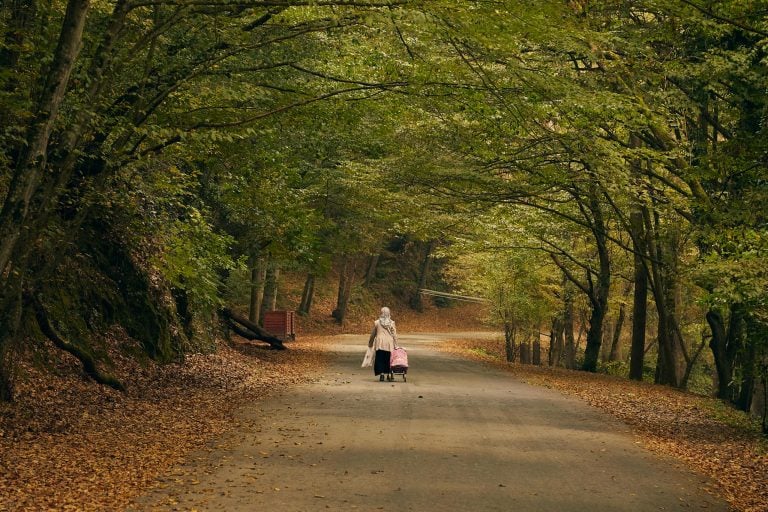
Silence fills our living room most evenings, and nobody feels the need to fill it. My wife reads in the corner chair while I work through strategy documents on the couch, and our daughter sketches in her room with headphones on. Visitors sometimes find our household unsettling, all that quiet punctuated only by the occasional murmured exchange or shared laugh. But for us, this peaceful atmosphere feels like home in the truest sense.
Growing up in an extroverted family where noise was constant and privacy nearly impossible, I spent decades believing something was fundamentally off about my need for solitude. Managing a busy advertising agency, I performed the gregarious leader role that seemed expected, coming home each night utterly depleted. When I finally embraced my introversion in my forties, I discovered that my wife and daughter shared this temperament. What once felt like isolation became intentional connection, and our home transformed into a sanctuary that energizes rather than drains us.
Living in a household where multiple introverts coexist presents unique dynamics that differ dramatically from mixed temperament families. A 2021 study published in PubMed found that introversion has approximately 50% heritability, meaning genetics play a significant role in whether family members share this trait. When two introverts partner together and raise children who inherit similar temperaments, the resulting family culture often develops distinct patterns around communication, space, and emotional connection that outsiders may find puzzling.
Why Introvert Families Often Cluster Together
Introverts frequently partner with other introverts because they understand each other’s need for downtime without explanation or apology. During my years running an agency, I watched many mixed temperament couples struggle with fundamental incompatibilities around socializing, vacation styles, and weekend plans. Meanwhile, my wife and I never argued about attending parties because neither of us wanted to go in the first place. Our dating life consisted of long conversations over quiet dinners and Saturday afternoons reading in coffee shops, which suited us perfectly.
Children born to two introverted parents have a higher likelihood of inheriting this temperament themselves. Genetic factors account for roughly half of personality trait variation, with environmental influences shaping the remaining expression. When children grow up watching their parents model healthy introvert behaviors like requesting alone time, maintaining firm family boundaries, and finding restoration through quiet activities, they develop similar coping mechanisms naturally.
My daughter never questioned whether needing time alone after school was acceptable because she watched both her parents do exactly that. Our household normalized introversion before she had language to describe it. By contrast, introverted children in predominantly extroverted families often internalize shame about their temperament, spending years trying to fix something that was never broken.
The Unique Advantages of a Quiet Household
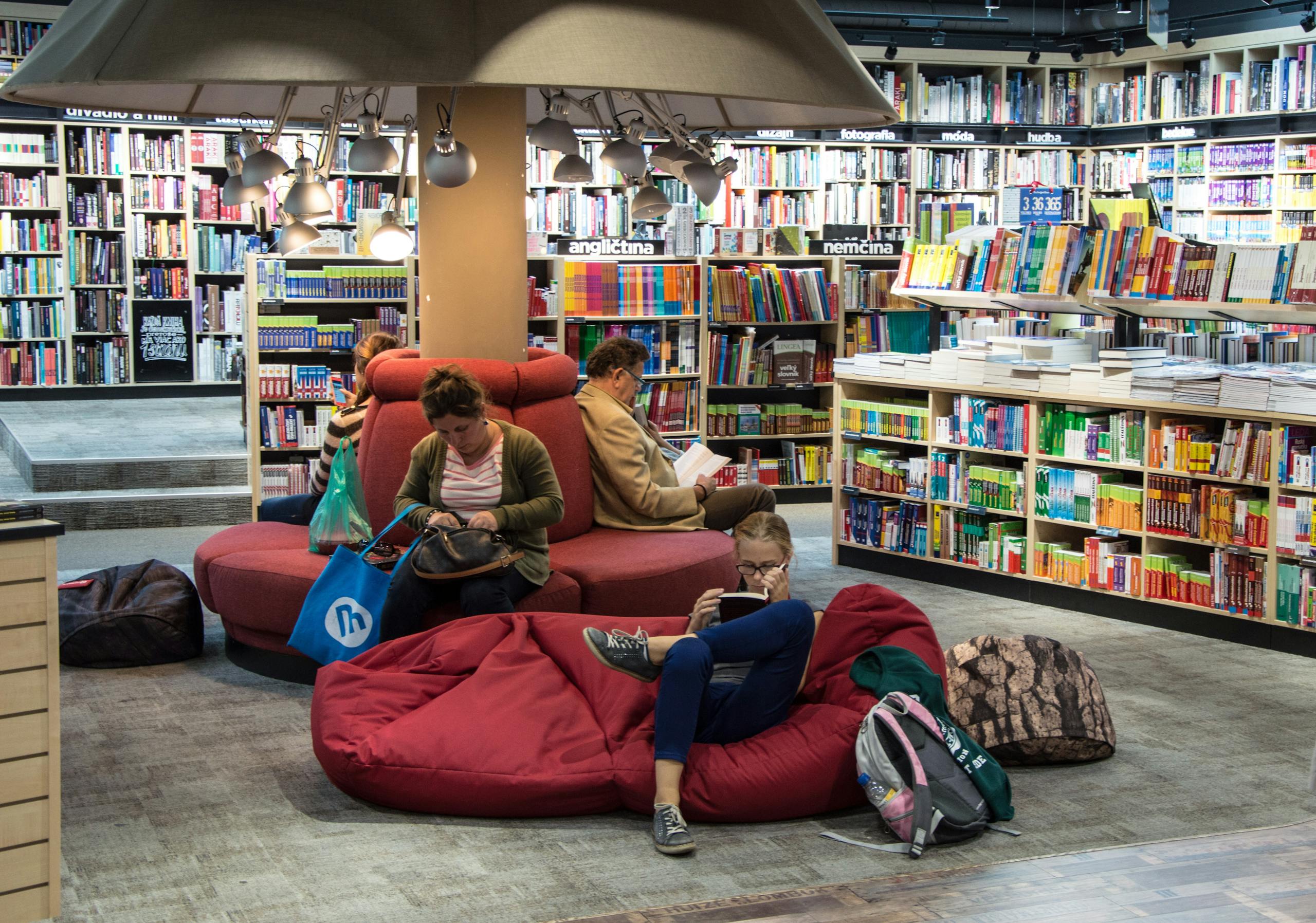
A household populated by introverts develops communication patterns that prioritize depth over frequency. We rarely engage in small talk at dinner because everyone understands the value of comfortable silence. When conversation happens, it tends toward meaningful topics that all family members find genuinely engaging. My wife and I can sit together for hours without speaking, each absorbed in our own activities, feeling completely connected through proximity alone.
Psychologists call this phenomenon parallel play, a concept originally describing how toddlers play alongside each other without direct interaction. Psychology Today explains that adult parallel play involves sharing the same space while pursuing individual activities, providing connection without the pressure of constant engagement. For introvert families, this becomes a default mode of togetherness that feels natural rather than disconnected.
Our home environment reflects this shared temperament in practical ways. Every family member has a designated retreat space where they can decompress without interruption. Sound travels minimally between rooms because we invested in rugs, curtains, and soft furnishings that absorb noise. Evening lighting stays dim and calming rather than harsh overhead fluorescents. These environmental choices emerged organically from having four people who all preferred the same atmospheric conditions.

Potential Challenges When Everyone Prefers Solitude
All introvert households face a counterintuitive risk: too much isolation even from each other. When every family member defaults to alone time, intentional connection can slip through the cracks. During particularly demanding work periods at my agency, I would come home seeking solitude while my wife did the same, and we could go days barely speaking beyond logistics. Our daughter, absorbed in her own world, noticed nothing amiss because she valued the space.
A 2023 study in Scientific Reports found that increased solitude time correlated with both reduced stress and increased feelings of loneliness. Choosing solitude intentionally provided benefits, but excessive isolation without connection created negative outcomes. Introvert families must actively balance their shared preference for quiet with deliberate relationship maintenance, which does not happen automatically when everyone gravitates toward their separate corners.
Social skill development also requires attention in predominantly introvert households. Children need exposure to various social situations to build confidence in different contexts. My daughter initially struggled with group activities at school because our home provided so few opportunities to practice those dynamics. We had to consciously create experiences that stretched her comfort zone without overwhelming her system, creating traditions that energized rather than exhausted her.
External family relationships sometimes suffer when an entire household prefers staying home. Extroverted relatives may interpret our lack of visiting as rejection rather than temperament. I have watched my mother struggle to understand why her grandchildren prefer video calls to in person visits, interpreting their preference as coldness rather than sensory management. Explaining introversion to extended family becomes an ongoing educational effort that not all relatives accept gracefully.
Creating Intentional Connection in a Quiet Home
Successful introvert families develop rituals that ensure regular connection without draining anyone’s social battery. Our household instituted a nightly dinner rule where we eat together with phones banned from the table. Nobody has to talk if they do not feel like it, but the shared meal creates a daily touchpoint that prevents us from becoming roommates rather than family.
Mental Health America emphasizes that home environment directly impacts psychological wellbeing, with organized and comfortable spaces promoting emotional stability. Introvert families already excel at creating calm physical environments, but must extend that intentionality to emotional connection. Physical proximity without emotional presence creates the loneliness in togetherness that parallel play researchers warn against.

Quality conversation matters more than quantity in introvert households. Rather than expecting daily debriefs about feelings, we schedule weekly family meetings where everyone shares one highlight and one challenge from their week. My years managing diverse personality types in agency settings taught me that introverts communicate best when given time to prepare their thoughts. Spontaneous emotional processing feels invasive, but scheduled check ins allow reflection beforehand.
Shared activities that accommodate introvert preferences strengthen bonds without depleting energy. Our family enjoys puzzles that we work on over several days, leaving them out on a table where anyone can contribute whenever they feel like it. Board game nights happen when the mood strikes naturally rather than as forced weekly obligations. Hiking together provides companionship alongside individual contemplation as each person can find their own pace and mental space on the trail.
Managing External Expectations and Social Obligations
Society frequently misunderstands introvert family dynamics, viewing our household as antisocial or dysfunctional. Party invitations that other families fight over we decline without internal conflict, which confuses extroverted friends. Neighbors who pop over unannounced encounter a household that does not welcome spontaneous visitors, and our reputation as unfriendly persists despite our genuine warmth toward people we have energy for.
Learning to approach introvert family dynamics with confidence rather than apology took years of practice. We no longer fabricate excuses for declining invitations, instead simply saying we are unavailable. My professional experience presenting to Fortune 500 clients taught me that delivery matters more than content when setting boundaries. Saying no with confidence reads differently than mumbled deflection, even when the words are identical.
Holiday gatherings require strategic planning when your entire family needs recovery time afterward. We host small gatherings on our terms rather than attending large extended family events that leave everyone depleted for days. Surviving holidays as introverts means accepting that our celebrations look different from television portrayals without feeling deficient. Our quiet Christmas morning with just immediate family feels more magical than any crowded party ever could.
Research on personal space and proxemics confirms that comfortable interpersonal distance varies significantly among individuals and cultures. Introvert families often prefer larger personal space bubbles than average, which reads as standoffish to those accustomed to closer physical contact. Understanding that this preference has psychological foundations rather than reflecting relationship quality helps both family members and outsiders interpret our behavior more accurately.
Building Emotional Intimacy Without Constant Talking
Emotional intimacy in introvert families develops through presence rather than perpetual dialogue. Sitting together in comfortable silence communicates care as powerfully as verbal affirmation for those who process internally. My wife knows I love her not because I declare it constantly but because I choose her presence when I could be alone. Acts of service, quality time, and physical presence often matter more than words in introvert communication styles.
Written communication sometimes bridges gaps that verbal conversation cannot in introvert households. We leave each other notes, send thoughtful text messages, and occasionally write letters expressing feelings that feel too vulnerable for face to face delivery. My daughter first told me about her college anxieties through a three page letter she left on my desk, knowing I would read it carefully and respond with equal thoughtfulness. Introverts often express themselves more authentically through writing than speech.
Physical affection in introvert families tends toward meaningful gestures rather than constant touch. A hand on the shoulder while passing by, sitting close on the couch during movies, or a long hug when someone seems stressed communicate connection without demanding verbal processing. These small physical touchpoints maintain intimacy without overwhelming sensory systems that may already feel taxed from daily demands.
Raising Introvert Children in an Introvert Household
Parenting introverted children as an introvert carries both advantages and blind spots. We understand their need for downtime instinctively and never push them toward social activities they dread. However, we may fail to provide sufficient opportunities for developing social skills because we ourselves prefer avoiding such situations. Parenting as introverts requires conscious effort to expose children to experiences that stretch their comfort zones appropriately.
Advocating for introvert children in educational settings feels natural when you share their temperament. Parent teacher conferences no longer fill me with the dread they once did because I can articulate exactly why my daughter needs quiet processing time after group activities. Teachers sometimes mistake introversion for anxiety or disengagement, and having language to explain the difference protects children from being pathologized for normal temperament variation.
Mixed temperament families sometimes assume raising extroverted children as introverts presents the greatest challenge. While that combination certainly requires adaptation, raising exclusively introverted children brings its own considerations. Without extroverted siblings modeling different social approaches, introvert children may not recognize that their temperament represents one valid option among several rather than the only way to be.

Embracing Your Quiet Family Culture
A household where multiple introverts coexist creates a unique family culture that deserves celebration rather than apology. Our quiet evenings, minimal entertaining, and individual retreat spaces work for us regardless of how they appear to outsiders. The connection we share runs deep precisely because it does not exhaust itself through constant verbal processing. We recharge together in comfortable silence, occasionally punctuated by meaningful conversation that lands differently because of its rarity.
Years of managing creative teams taught me that diversity strengthens organizations, but alignment around core values creates culture. Our family culture values depth over breadth, quality over quantity, and presence over performance. These shared values make our household function smoothly despite each person’s strong need for individual space. Rather than competing for airtime or attention, we give each other room to exist fully while remaining available when connection calls.
If your household contains multiple introverts, recognize this as a gift rather than a deficit. Your children learn that different ways of being in the world are valid. Your partnership demonstrates that love does not require constant external expression. Your home provides sanctuary in a world that often feels overwhelming for those who process deeply. Embrace your quiet house as the sanctuary it truly is, and build intentional connection practices that honor everyone’s temperament while preventing isolation.
Frequently Asked Questions
Is it common for multiple family members to be introverts?
Yes, introversion has approximately 50% heritability according to genetic research. When two introverted parents have children together, those children have a higher likelihood of inheriting this temperament. Environmental factors also play a role, as children model behaviors they observe at home. Families where introversion clusters are more common than many people realize.
How can introvert families ensure they stay emotionally connected?
Introvert families benefit from scheduled connection rituals like shared meals, weekly family meetings, or parallel play activities where everyone is together while pursuing individual interests. Quality conversation during designated times prevents isolation while respecting everyone’s need for solitude. Written communication also helps introverts express feelings they find difficult to verbalize.
What challenges do all introvert households face?
All introvert households risk excessive isolation even from each other when everyone defaults to alone time. Children may lack sufficient social skill development opportunities. External family relationships can suffer when the household prefers staying home. Intentional effort to balance solitude with connection becomes essential for healthy family functioning.
How should introvert families handle social expectations from extended family?
Setting confident boundaries without excessive explanation works best for introvert families managing external expectations. Hosting smaller gatherings on your own terms rather than attending large events preserves energy while maintaining relationships. Educating extended family about introversion helps them understand that declining invitations reflects temperament rather than rejection.
Can introvert children thrive in a household with introvert parents?
Introvert children often thrive with introvert parents who instinctively understand their need for downtime and quiet processing. However, parents must consciously create opportunities for social skill development that they might personally avoid. Advocating for introvert children in educational settings becomes easier when parents share and understand the temperament themselves.
Explore more resources for introvert families in our complete Introvert Family Dynamics and Parenting Hub.
About the Author
Keith Lacy is an introvert who’s learned to embrace his true self later in life. With a background in marketing and a successful career in media and advertising, Keith has worked with some of the world’s biggest brands. As a senior leader in the industry, he has built a wealth of knowledge in marketing strategy. Now, he’s on a mission to educate both introverts and extroverts about the power of introversion and how understanding this personality trait can unlock new levels of productivity, self-awareness, and success.