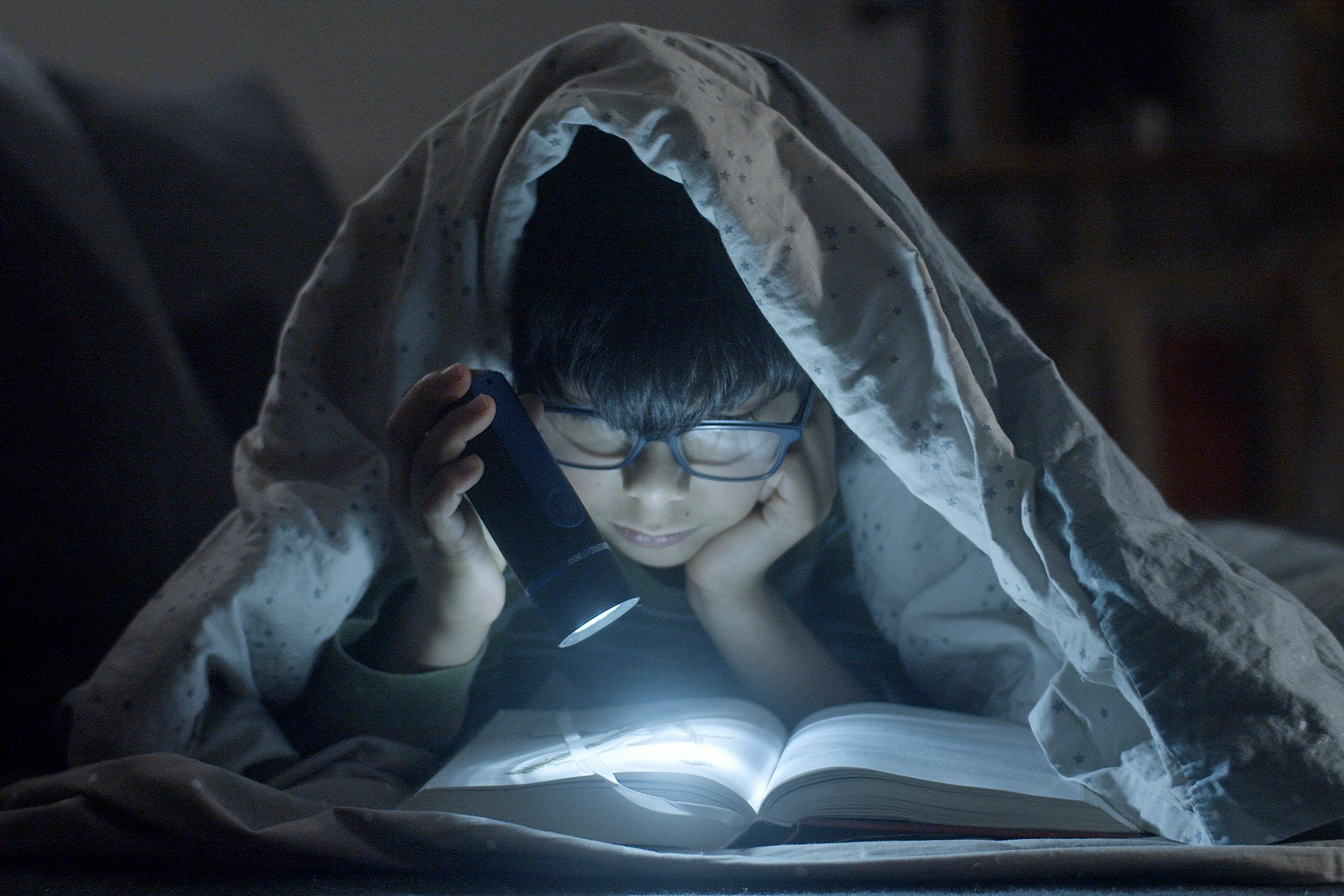

My alone time is sometimes for your safety. Not a metaphor, not a joke. When I haven’t had enough solitude to recharge, I become a version of myself that nobody, including me, wants to deal with. Stripped of the quiet I need to process the world, I get sharp where I should be patient, distant where I should be present, and reactive where I should be measured.
That’s the honest version of what introvert recharging actually looks like from the inside. It’s not about being antisocial or precious about personal space. It’s about the hard biological and psychological reality that some of us need solitude the way other people need sleep. Without it, things go sideways, and fast.

Solitude, self-care, and recharging are connected in ways that go much deeper than bubble baths and journaling prompts. If you want to explore that full picture, our Solitude, Self-Care & Recharging hub covers the whole terrain. But this particular piece is about something more specific: what happens to an introvert who doesn’t protect their alone time, and why that protection isn’t selfishness. It’s self-preservation, and it’s consideration for the people around you.
What Does “Alone Time for Your Safety” Actually Mean?
There’s a mug, a T-shirt, and approximately ten thousand memes that carry some version of this phrase. I get why people find it funny. But underneath the humor is something real that introverts have been trying to communicate for years without quite landing the message.
What’s your personality type?
Take our free 40-question assessment and get a detailed personality profile with dimension breakdowns, context analysis, and personalised insights.
Discover Your Type8-12 minutes · 40 questions · Free
Running an advertising agency means you spend a lot of time performing. Client presentations, staff meetings, new business pitches, creative reviews, budget conversations. All of it is high-contact, high-stakes, and relentlessly social. As an INTJ, I could do all of that. I was actually reasonably good at it. What I couldn’t do was sustain it indefinitely without cost.
The cost showed up in predictable ways. After a particularly brutal week of back-to-back client travel, I remember sitting in a debrief with my senior team and realizing I had nothing left. Not tired-nothing. Empty-nothing. Someone asked a reasonable question about a campaign direction and I responded with something clipped and dismissive that I immediately regretted. The room got quiet. My creative director, someone I genuinely respected, looked at me with this careful, measured expression. She’d seen this version of me before. She knew what it meant.
That’s what “alone time for your safety” means in practice. When an introvert is running on empty, the filters come down. The patience wears thin. The warmth that normally softens our directness disappears, and what’s left is just the directness. For a personality type that tends toward bluntness anyway, that’s not a great combination.
A piece from Psychology Today on embracing solitude for your health frames it well: solitude isn’t withdrawal from life. It’s a condition that allows you to return to life more fully. That reframing matters, because too many introverts feel guilty about needing alone time rather than recognizing it as part of responsible self-management.
Why Does Social Depletion Hit Introverts So Hard?
The introvert-extrovert distinction isn’t really about shyness or social skill. It’s about where your energy comes from and where it goes. Extroverts tend to gain energy from social interaction. Introverts spend it. That’s not a flaw in the design. It’s just a different operating system.
What makes the depletion hit hard is that most professional and social environments are built around extroverted norms. Open offices, collaborative workflows, spontaneous drop-ins, after-work events. The assumption baked into most workplaces is that more interaction is better, and that anyone who needs to step back from it is either antisocial or not a team player.
I spent years internalizing that assumption. As a young agency leader, I believed that being “on” all the time was part of the job. So I pushed through. I stayed in the open bullpen instead of retreating to my office. I took every lunch meeting. I said yes to every after-hours client dinner. And I paid for it in ways I didn’t fully understand until much later.
The article on what happens when introverts don’t get alone time maps out the specific consequences in detail. Irritability is just the visible surface. Underneath that, there’s cognitive fog, emotional numbness, a flattening of creativity, and a kind of low-grade resentment that builds toward the people and situations that are draining you. None of that is fair to the people around you. And none of it is sustainable.

There’s a useful distinction worth holding here, too. Solitude and isolation are not the same thing. Harvard Health’s breakdown of loneliness versus isolation makes the point clearly: chosen solitude is restorative, while forced isolation is harmful. The introvert who closes their office door for an hour isn’t suffering. They’re refueling. The distinction matters when you’re trying to explain your needs to people who don’t share them.
Is Protecting Your Alone Time Selfish?
This is the question I spent years arguing with myself about, and I want to address it directly because I know I’m not the only one who has.
Selfish implies taking something at someone else’s expense. When I protect my alone time, I’m not taking anything from the people around me. I’m maintaining the conditions that allow me to show up for them fully. That’s not the same thing.
Think of it this way. An athlete who skips recovery days in favor of more training doesn’t become a better athlete. They become an injured one. The recovery isn’t selfishness. It’s what makes the performance possible. Introvert solitude works the same way.
When I finally started protecting my mornings at the agency, taking the first hour of the day before anyone could schedule me, my team actually got a better version of me for the remaining seven hours. My creative reviews became more thoughtful. My feedback was more considered. My patience in difficult client conversations extended further. The hour I “took” paid dividends that far outweighed the cost.
Highly sensitive people often wrestle with this question even more intensely. The piece on HSP solitude and the essential need for alone time captures why: when you’re wired to absorb and process more than average, the need for decompression isn’t optional. It’s structural. Framing that need as selfish is like calling sleep selfish.
The CDC’s work on social connectedness and health risk factors actually underlines a related point: the quality of our social connections matters more than the quantity. An introvert who protects their energy and shows up meaningfully for fewer interactions contributes more to healthy social fabric than someone who shows up depleted for many. Presence matters. Depletion undermines it.
What Does Healthy Alone Time Actually Look Like?
Not all solitude is created equal. I learned this the hard way. There were periods in my agency years where I would come home from a brutal week, plant myself on the couch, and watch television for most of the weekend. I was technically alone. I was not recharging. I was just numbing out, which is a different thing entirely.
Genuine recharging involves some degree of intentionality. It’s the difference between passive disengagement and active restoration. For me, the most reliable forms of restoration involve something that occupies the thinking mind without depleting it: reading, walking, cooking something complicated, working through a strategic problem I actually find interesting.
The essential daily practices for HSP self-care are worth reading even if you don’t identify as highly sensitive, because the underlying principles apply broadly. Consistency matters. Small daily doses of restorative solitude are more effective than occasional weekend marathons. Building restoration into your routine rather than waiting until you’re depleted is the actual strategy.
Sleep is also a non-negotiable part of this picture. The connection between introvert recharging and sleep quality is real and underappreciated. Rest and recovery strategies for HSPs addresses this directly, and the core insight applies here: when you’re running on poor sleep, your tolerance for social input drops dramatically, which means you need even more solitude to compensate. The systems are interconnected.

Nature also plays a role that I didn’t take seriously until relatively recently. There’s something about physical outdoor space that clears the cognitive residue of social interaction in a way that indoor solitude doesn’t always replicate. The healing power of nature connection for HSPs speaks to this in depth. For me, it took a therapist basically prescribing daily walks before I made them a habit. Now they’re one of the most reliable tools in my recharging toolkit.
A piece from UC Berkeley’s Greater Good Science Center on solitude and creativity adds another dimension worth considering: solitude isn’t just restorative, it’s generative. Time alone allows the mind to make connections it can’t make in the noise of constant social input. Some of my best strategic thinking for client campaigns happened not in brainstorming sessions but in the quiet hour before anyone else arrived at the office.
How Do You Communicate This Need Without Sounding Like You’re Making Excuses?
This is where it gets practically complicated, and I want to be honest about that rather than pretending there’s a clean script that works every time.
Most of the people in your life, whether they’re partners, colleagues, or friends, don’t have a framework for understanding introvert energy depletion. They see someone who seems fine and then suddenly seems irritable or withdrawn, and they fill in the blank with whatever explanation makes sense to them. Often that explanation involves something they did wrong.
The most useful thing I’ve done is explain the mechanism before the moment of need, not during it. Having a calm conversation with my wife about how I process social input, what the warning signs look like when I’m depleted, and what I need to recover, was infinitely more effective than trying to explain it in the moment when I was already running on empty and not at my most articulate.
At work, the framing I found most effective was practical rather than personal. “I do my best thinking in the morning before meetings start” is easier for most people to accept than “I need quiet time to function.” Same underlying need, different packaging. I’m not suggesting you hide who you are. I’m saying that meeting people where they are, in terms of how they understand productivity and performance, can reduce friction considerably.
One of my account directors was an ENFJ who genuinely couldn’t understand why I didn’t want to debrief every client meeting immediately afterward in the hallway. For her, talking through the meeting was how she processed it. For me, talking through it immediately was the last thing I wanted. We eventually worked out a system: she’d send me a quick written summary of her takeaways, I’d have thirty minutes to think, and then we’d connect. It worked because we both named the need clearly instead of just tolerating the friction.
There’s also something to be said for the humor in the phrase itself. “My alone time is sometimes for your safety” is disarming in a way that a serious explanation often isn’t. It invites the other person into the joke rather than putting them on the defensive. Used at the right moment, it can open a conversation that a more earnest approach might shut down.
What Happens to Your Relationships When You Get This Right?
Something shifts when you stop apologizing for needing solitude and start treating it as part of how you operate. The guilt lifts. The resentment toward social obligations fades, because you’re no longer running toward them already depleted. You show up differently.
My relationships got better when I got more deliberate about recharging. Not because I became more extroverted or more available in a raw quantity sense, but because the quality of my presence improved. When I’m adequately recharged, I’m genuinely interested in the people around me. I ask better questions. I listen more carefully. I’m less likely to be mentally composing my exit strategy while someone is still talking.

There’s also a modeling effect worth considering if you have children or lead a team. When you treat your own needs as legitimate and manageable rather than shameful, you give the people around you permission to do the same. Several people on my teams over the years have told me that watching me protect my recharge time made them feel less guilty about their own needs. That’s not a small thing.
The research on this is actually encouraging. Work published in PubMed Central examining solitude and wellbeing suggests that people who choose solitude intentionally, as opposed to experiencing it as forced isolation, report higher levels of emotional regulation and personal clarity. The choosing matters. It’s the difference between solitude as a resource and solitude as a symptom.
A separate PubMed Central study on introversion and psychological wellbeing reinforces the same basic point from a different angle: when introverts have adequate alone time, their social functioning improves. The solitude isn’t in competition with connection. It’s what makes genuine connection possible.
Can You Take Alone Time Too Far?
Yes. And I think it’s worth being honest about this because the introvert conversation sometimes tips into an overcorrection where any amount of social engagement becomes framed as an imposition.
There’s a version of “protecting my alone time” that is actually avoidance. Where the solitude stops being restorative and starts being a way to sidestep the discomfort of connection, conflict, or vulnerability. I’ve been there. After a particularly difficult client relationship ended badly, I went through a period where I used introvert recharging as cover for just not wanting to deal with people at all. That’s not self-care. That’s retreat.
The signal I’ve learned to watch for: am I choosing solitude because I need to restore, or am I choosing it because something in my life feels too hard to face? The first is healthy maintenance. The second deserves a different kind of attention.
Mac’s story on alone time captures this tension in a way I find genuinely relatable. The line between restorative solitude and protective withdrawal isn’t always obvious from the inside. Having people in your life who know you well enough to notice the difference is one of the best safeguards against sliding from one into the other.
The Frontiers in Psychology research on solitude and social functioning makes a nuanced point here: the benefits of solitude are most strong when it’s balanced with meaningful social connection. Not constant connection. Not performative connection. But genuine engagement with people who matter to you. The solitude and the connection aren’t opposites. They’re in a relationship with each other.
How Do You Build a Life That Actually Accommodates This?
Practically speaking, this is where the rubber meets the road. Knowing you need alone time is one thing. Structuring a life that actually provides it is another, especially when you’re managing a career, relationships, family obligations, and the general chaos of being a person in the world.
What worked for me was treating solitude like a meeting I couldn’t cancel. At my agency, I blocked time on my calendar the same way I blocked client meetings. It felt almost absurdly formal at first. But it worked, because it created a visible signal to my team that this time was committed, and it created an internal commitment I was less likely to override when something “urgent” came up.
Travel was one of the places where this got complicated. Client trips meant shared schedules, group dinners, back-to-back presentations. Very little built-in recovery time. I eventually started building in what I called buffer blocks: thirty minutes before a major client meeting, an hour after a full-day session, a solo breakfast before a group dinner. Small pockets, but they made a measurable difference in how I performed in the high-contact moments.

The Psychology Today piece on solo travel as a preferred approach touches on something relevant here: many introverts find that solo time away from familiar environments offers a particular kind of restoration that ordinary daily solitude doesn’t quite replicate. I’ve found this to be true. Some of my most genuinely restorative experiences have been solo trips where I had complete control over the pace and the people.
At home, the structures look different but the principle is the same. Communicating clearly with the people you live with about what you need, when you need it, and what it looks like when you’re not getting enough of it. Not as a complaint or a demand, but as information they can actually use. The people who love you generally want to support you. They just need to know what support looks like.
If you want to go deeper on the practical side of all this, the full range of strategies and perspectives lives in our Solitude, Self-Care & Recharging hub. There’s a lot more ground to cover beyond what any single article can hold.
About the Author
Keith Lacy is an introvert who’s learned to embrace his true self later in life. After 20 years in advertising and marketing leadership, including running agencies and managing Fortune 500 accounts, Keith now channels his experience into helping fellow introverts understand their strengths and build fulfilling careers. As an INTJ, he brings analytical depth and authentic perspective to every article, drawing from both professional expertise and personal growth.
Frequently Asked Questions
Is it normal for introverts to get irritable without alone time?
Completely normal, and very common. When introverts are socially depleted, the cognitive and emotional resources that normally buffer their responses get stretched thin. What’s left is a more reactive, less patient version of themselves. It’s not a character flaw. It’s a sign that the system needs to recharge. Recognizing the pattern early, before you hit the wall, is the most useful skill you can develop.
How much alone time do introverts actually need?
There’s no universal number, and anyone who gives you one is oversimplifying. The amount varies by individual, by the intensity of the social demands they’re facing, and by how well other restorative factors like sleep and physical activity are functioning. A useful starting point is to pay attention to your own patterns: when do you start feeling the edges of depletion, and how much solitude does it take to feel genuinely restored? That self-knowledge is more valuable than any general guideline.
How do you explain your need for alone time to a partner who is extroverted?
Have the conversation when you’re both calm and not in the middle of a moment of friction. Frame it around the mechanism, not the outcome. Instead of “I need you to leave me alone,” try explaining that social interaction uses up a resource for you that quiet time replenishes, and that when you’re depleted, you’re genuinely not at your best for anyone. Most extroverted partners respond better to understanding the why than to being handed a rule. Specific examples from your own experience help make it concrete rather than abstract.
What’s the difference between healthy solitude and unhealthy isolation?
The most reliable distinction is intentionality and direction. Healthy solitude is chosen, purposeful, and temporary. You go into it knowing you’ll come back out, and you feel more capable of connection when you do. Unhealthy isolation tends to be driven by avoidance, and it often intensifies rather than reduces distress over time. If your alone time leaves you feeling more anxious, more disconnected, or less willing to engage with the world, that’s worth paying attention to rather than defending as an introvert need.
Can protecting alone time actually improve your relationships?
Yes, and this is one of the most counterintuitive things about introvert self-care. When you’re adequately recharged, your capacity for genuine presence, patience, and engagement increases substantially. The quality of your attention in social interactions improves. You’re less likely to be running a mental countdown to when you can leave. Many introverts find that protecting their solitude makes them better partners, parents, friends, and colleagues, not because they’re spending more time with people, but because the time they do spend is more fully inhabited.