
Needing alone time during quarantine sounds like it should have been an introvert’s dream. No commutes, no open-plan offices, no forced small talk by the coffee machine. Yet many introverts found the experience exhausting in ways they couldn’t quite explain. Alone time and restorative solitude are not the same thing, and quarantine made that distinction painfully clear.
Our guide to Energy Management and Social Battery covers the full spectrum of how introverts recharge and protect their mental reserves. Quarantine added a layer that most of us hadn’t prepared for: the collision of constant proximity to others and the simultaneous disappearance of the structured solitude we’d quietly built our lives around.
Why Did Quarantine Feel So Draining When Introverts Were Finally “Home”?
My agency had roughly forty people spread across two floors when the lockdowns hit in early 2020. Within seventy-two hours, those forty people were in my house. Not literally, of course. But their emails, their Slack messages, their video calls, their anxieties about client budgets and campaign pivots, all of it followed me into spaces I’d previously kept separate. My home office, which had been a quiet place where I did my best strategic thinking, became indistinguishable from the office I’d spent years carefully managing.
What’s your personality type?
Take our free 40-question assessment and get a detailed personality profile with dimension breakdowns, context analysis, and personalised insights.
Discover Your Type8-12 minutes · 40 questions · Free
What I realized fairly quickly was that the physical location of “home” had never been what made it restorative. The restoration came from the psychological boundary between work and rest, between performance and authenticity, between being “on” and being genuinely off. Quarantine dissolved that boundary completely. And for someone wired the way I am, that dissolution was quietly devastating.
Psychology Today’s overview of introversion describes the introvert’s need for solitude not as antisocial preference but as a genuine neurological requirement for processing and recovery. That framing matters, because it shifts the conversation away from “introverts just don’t like people” toward something more accurate: introverts process stimulation differently, and that difference has real consequences when environments stop offering any relief from input.
Many introverts also found that the quality of their alone time degraded even when they technically had it. Being alone in a house where a partner was working in the next room, or where children needed attention every twenty minutes, is not the same as being genuinely alone. The body might be stationary, but the nervous system stays alert, waiting for the next interruption. That vigilance is exhausting. It’s the same kind of exhaustion I’d feel after a full day of back-to-back client presentations, even if I’d technically been sitting down the whole time.
What Happens to an Introvert’s Energy When Solitude Becomes Impossible?
There’s a particular kind of depletion that sets in when an introvert can’t find genuine quiet. It doesn’t arrive dramatically. It accumulates. One day you notice you’re snapping at people you love. Another day you realize you’ve been staring at the same paragraph for forty minutes and absorbed nothing. By the third week of quarantine, I was doing something I hadn’t done in years: I was dreading my own thoughts, because my thoughts had nowhere quiet to go.
The concept of the social battery captures this well. As someone who writes extensively about how an introvert gets drained very easily, I know that depletion isn’t always tied to social interaction in the traditional sense. Noise drains the battery. Unpredictability drains it. Constant low-level vigilance drains it. Quarantine delivered all three simultaneously, often for months at a stretch.

Neurologically, there’s something real happening here. Cornell University’s research on brain chemistry and personality points to differences in how introverts and extroverts process dopamine, with introverts generally more sensitive to stimulation. That sensitivity doesn’t switch off because you’re at home. If anything, the lack of control over your environment amplifies it. At the office, I could close my door. In a shared quarantine household, that door had a different meaning, and everyone knew it.
For those who are also highly sensitive, the challenge ran even deeper. The principles behind HSP energy management and protecting your reserves apply directly here: when you can’t control your sensory environment, you burn through reserves faster than you can replenish them. Many people who’d never identified as highly sensitive found themselves overwhelmed by sounds, light levels, and the sheer density of other people’s emotional states during lockdown. Quarantine was, in many ways, an involuntary experiment in what happens when sensitive people lose their coping infrastructure.
How Did Sensory Overload Compound the Problem?
One of the things nobody prepared us for was the sensory texture of lockdown life. Suddenly every house on the street was occupied all day. Neighbors were doing home renovations. Kids were playing in yards that had been empty on weekdays. Delivery trucks appeared constantly. The ambient noise profile of residential neighborhoods changed completely, and for introverts and highly sensitive people, that change was not neutral.
Sound became a particular pressure point. The strategies outlined in resources on HSP noise sensitivity and effective coping became survival tools for many people who’d never needed them before. Noise-canceling headphones sold out. White noise machine searches spiked. People who’d never given much thought to ambient sound suddenly found themselves cataloging every creak, every voice through a wall, every bass note from a neighbor’s speaker.
Light was another factor that went largely undiscussed. Working from home often meant improvising workspaces in rooms not designed for extended screen time. Kitchens with harsh overhead lighting. Living rooms with windows that created glare across laptop screens all afternoon. For those with genuine sensitivity to light, the kind explored in depth in resources on HSP light sensitivity and its management, these weren’t minor inconveniences. They were constant low-grade stressors that accumulated across the workday.
And then there was physical proximity. Sharing space with family members or housemates for twenty-four hours a day introduced a level of incidental physical contact that many introverts found quietly draining. A hand on the shoulder while looking at a shared screen. Sitting closer together on a couch because the dining table had become a workspace. Small touches that would have been unremarkable in normal circumstances became noticeable when there was no break from them. The dynamics around HSP touch sensitivity and tactile responses help explain why this mattered more than most people expected.
What Did Introverts Actually Need That Quarantine Couldn’t Provide?
Solitude and isolation are not synonyms, and quarantine forced that distinction into sharp relief. Solitude is chosen. It has edges. You know when it begins and when it ends. Isolation is imposed, indefinite, and arrives without the psychological safety of knowing you could leave if you wanted to. Many introverts spent years building lives that contained generous amounts of chosen solitude. Quarantine replaced that with isolation, and the difference was profound.
What introverts actually needed wasn’t more time alone in the abstract. They needed predictable, protected time that belonged entirely to them. They needed solitude that wasn’t haunted by the awareness of other people just behind a closed door. They needed the restorative kind of quiet that comes when you’re not waiting for something to interrupt it.
During the early months of lockdown, I started waking up at five in the morning. Not because I’m naturally an early riser. I’m not. But five AM was the only hour that felt genuinely mine. The house was quiet. No one needed anything. No client emails had arrived yet from the East Coast. That hour became something I protected fiercely, not because I was being antisocial, but because without it, I couldn’t function at the level my team needed from me. An INTJ running a forty-person agency in a crisis needs to think clearly, and clear thinking requires mental space that quarantine made scarce.
There’s also a dimension here that involves stimulation calibration, not just quantity of alone time. The concept explored in HSP stimulation and finding the right balance applies broadly to introverts managing their environments. Too much stimulation overwhelms. Too little leads to a different kind of flatness. Quarantine often delivered too much of the wrong kind of stimulation (noise, anxiety, unpredictability) while stripping away the right kind (meaningful work, chosen social connection, purposeful activity).
How Did Introverts Cope When Their Usual Strategies Stopped Working?
Most introverts have developed a fairly reliable set of recovery strategies over the years. Mine included long walks without headphones, driving alone to client meetings (genuinely one of my favorite parts of agency life), and the quiet ritual of being the last one to leave the office on a Friday afternoon. Quarantine eliminated all of them in a single week.
What I observed in myself and in the introverted members of my team was a period of genuine disorientation before adaptation. The people who adapted fastest were those who could identify specifically what function their old strategies had served, and then find a quarantine-compatible substitute for that function. Not the activity itself, but what the activity was actually doing for them.
Walking without headphones had given me unstructured thinking time. I could replicate that by sitting in the backyard with my phone face-down for twenty minutes. Driving to client meetings had given me transition time between modes. I could replicate that with a short walk around the block before and after video calls. The office ritual of quiet Friday afternoons had given me a sense of completion. I started building a small end-of-week review into my Friday schedule, done alone, that served the same psychological purpose.
None of these substitutes were perfect. But they were functional. And they were grounded in a clear understanding of what the original strategies were actually doing, which is something many introverts had never had to articulate before because the strategies had always just been available.
What About Introverts Who Lived Alone During Quarantine?
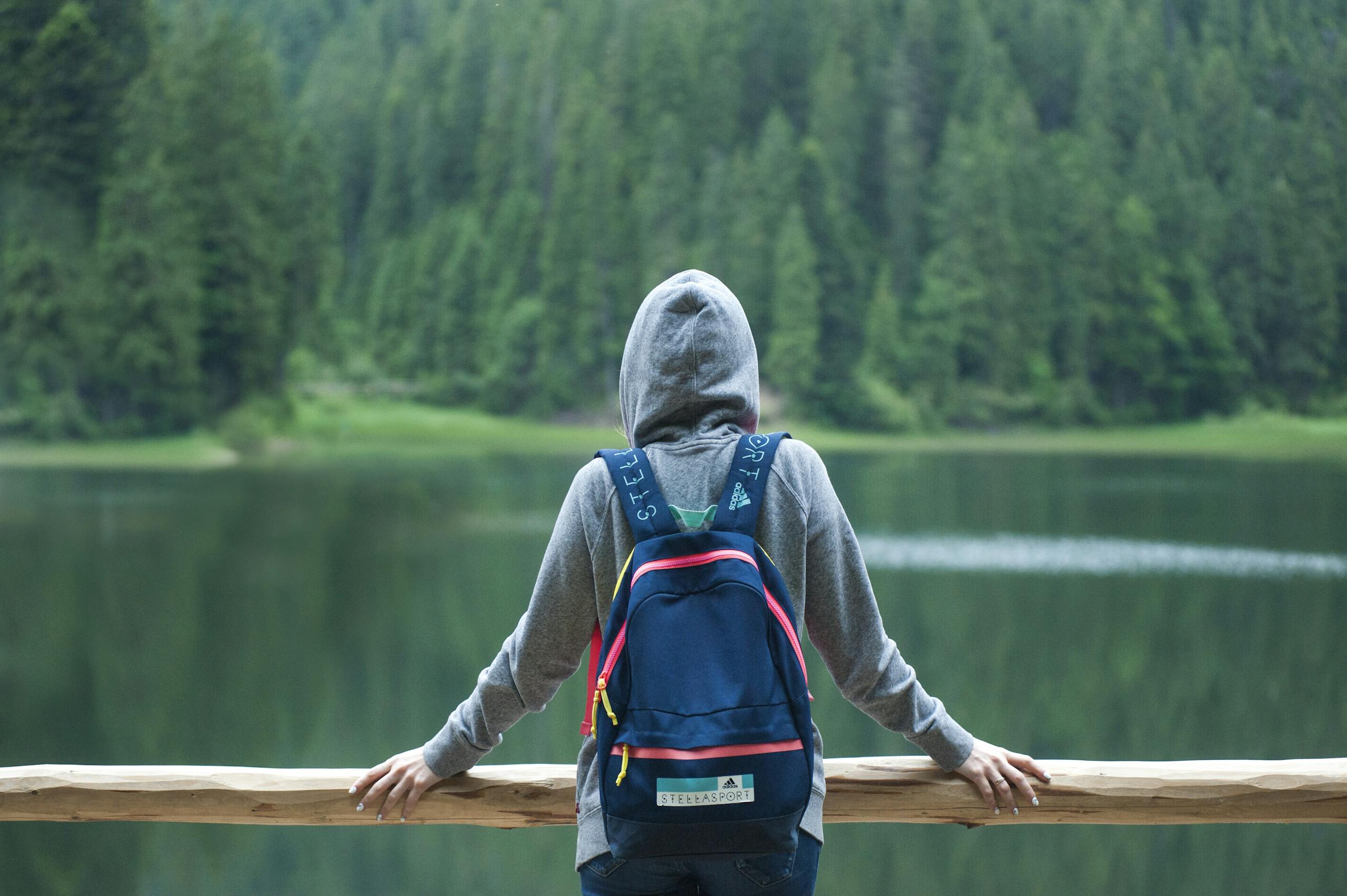
Living alone during quarantine presented a different set of challenges, and it’s worth addressing them directly because the experience was often mischaracterized from the outside. People assumed introverts who lived alone were fine, even thriving. Some were. Many weren’t.
The issue is that introverts, despite their preference for solitude, are not indifferent to connection. They prefer depth over breadth, and they prefer chosen connection over obligatory interaction. Quarantine didn’t eliminate the need for connection. It eliminated the infrastructure through which introverts had been meeting that need on their own terms.
A one-on-one lunch with a colleague I genuinely liked was something I looked forward to. Video calls with twelve people where everyone talked over each other were not a substitute. Many introverts living alone during quarantine found themselves with all the solitude they could want and none of the specific, chosen connection that had balanced it. That imbalance produced its own kind of exhaustion, closer to loneliness than to the comfortable solitude they’d expected.
Research published in PubMed Central examining social isolation and mental health outcomes during the pandemic period found that the quality and intentionality of social contact mattered significantly, not just the quantity. That finding aligns with what many introverts reported anecdotally: a single meaningful conversation did more for their wellbeing than hours of group video calls.
How Did Quarantine Change the Way Introverts Understand Their Own Needs?
Something unexpected happened for many introverts during the extended quarantine period. They came to understand their own needs more precisely than they ever had before. When everything is stripped away, you find out quickly what you actually require versus what you’d simply gotten used to.
I’d spent twenty years in advertising telling myself that my need for quiet was something I managed around my work, rather than something my work needed to accommodate. Quarantine made that framing untenable. When the structures that had allowed me to manage around it disappeared, I had to get honest about what I actually needed to function well. That honesty was uncomfortable and genuinely useful.
Many introverts came out of the quarantine period with clearer language for their needs. They could articulate, for the first time, the difference between being alone and being restored. They could identify which sensory inputs depleted them most. They understood, in a way they hadn’t before, that their need for solitude wasn’t a personality quirk to apologize for. It was a genuine requirement for cognitive and emotional functioning.
A study available through PubMed Central examining psychological responses to pandemic conditions found that individuals who could accurately identify and articulate their emotional and sensory needs showed greater resilience over extended isolation periods. Self-awareness, in other words, was a practical coping resource, not just a therapeutic concept.
That tracks with what I observed in my own agency. The team members who struggled most weren’t necessarily the ones with the most difficult home situations. They were often the ones who had the least clarity about what they personally needed and therefore couldn’t advocate for it or build it into their days.
What Can Introverts Take Forward From the Quarantine Experience?
Quarantine was, among other things, an involuntary audit of how introverts had been managing their energy. The strategies that survived the audit were the ones worth keeping. The ones that collapsed were often revealed to have been coping mechanisms rather than genuine solutions.
One thing that emerged clearly from my own experience was the importance of environmental design. Before quarantine, I’d relied heavily on physical separation between contexts: the office for work, home for rest, the car for transition. Once those contexts collapsed into one space, I had to learn to create psychological separation through time and ritual rather than through physical location. That skill turned out to be genuinely transferable and more resilient than location-based strategies.
Another takeaway was the value of communicating needs clearly to the people you share space with. I’m not naturally inclined toward that kind of explicit conversation. As an INTJ, my instinct is to solve problems internally and present solutions rather than to narrate my internal state. Quarantine made internal solving impossible in a household context. Saying “I need ninety minutes where I’m genuinely unreachable” was more effective than trying to create that space through implication or withdrawal.
The National Institutes of Health has documented extensively how chronic stress and disrupted routines affect cognitive function and emotional regulation. What introverts experienced during quarantine wasn’t weakness or excessive sensitivity. It was a predictable response to the removal of the environmental conditions their nervous systems had been calibrated around.
The broader lesson, one I’ve carried into how I think about remote work and hybrid arrangements now, is that introverts need to treat their solitude as infrastructure rather than luxury. It’s not something to fit in when everything else is handled. It’s a foundational requirement that makes everything else possible.
Harvard Business Review has published extensively on the relationship between psychological safety, recovery time, and sustained performance in professional contexts. The argument for protecting introvert energy isn’t soft. It’s structural. People perform better when their basic operating requirements are met, and for introverts, genuine solitude is one of those requirements.
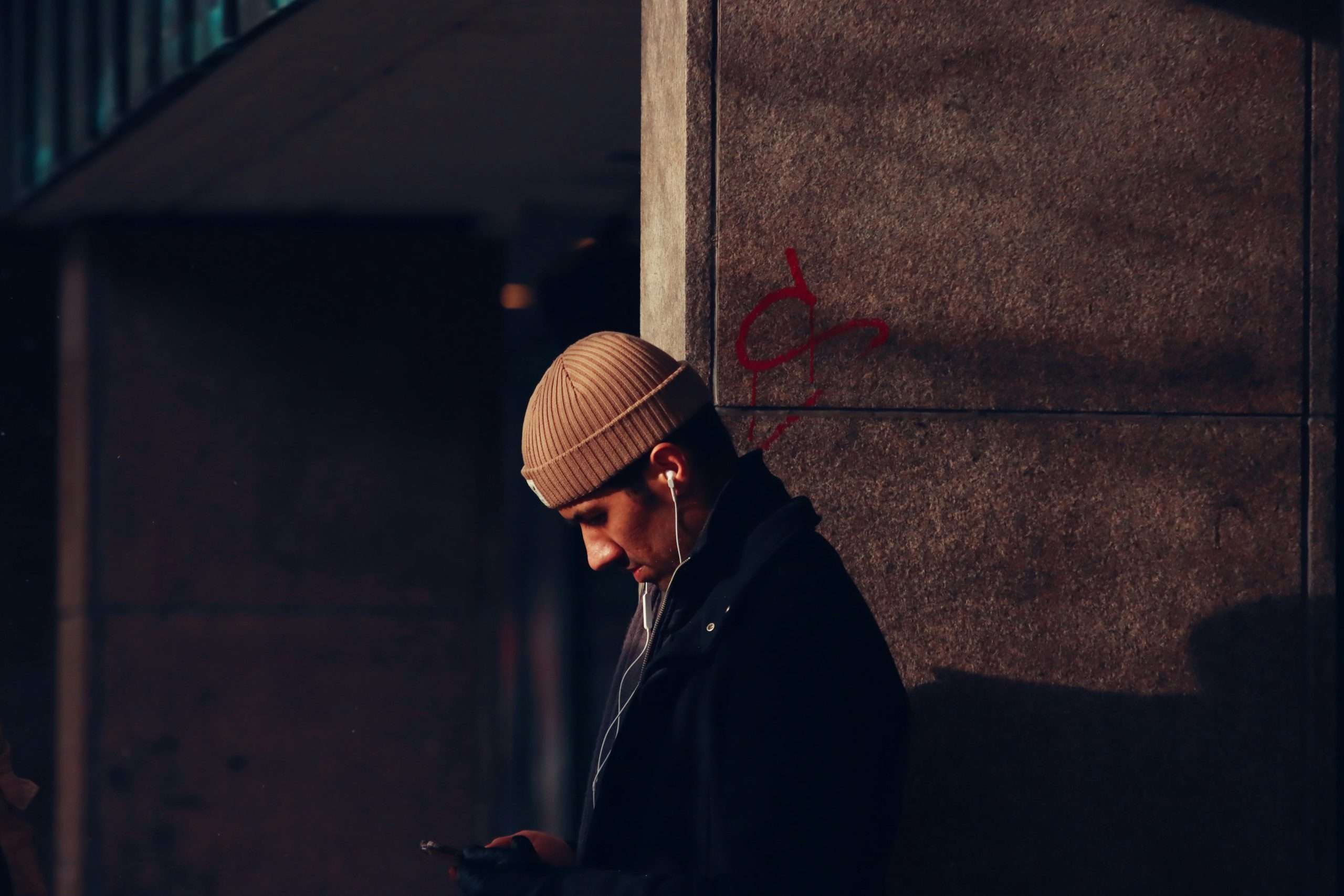
There’s also something worth naming about the collective experience. Quarantine was difficult for most people, and introverts weren’t uniquely exempt from that difficulty. Yet the specific texture of introvert struggle during that period was often invisible, even to the introverts themselves, because the cultural narrative said they should have been fine. Recognizing that the narrative was wrong is part of how introverts build better self-understanding going forward.
Psychology Today’s coverage of the highly sensitive person offers useful context for understanding why some introverts found the quarantine experience particularly acute. Sensitivity isn’t a flaw in the design. It’s a different design, one that requires different environmental conditions to function well. Quarantine removed those conditions broadly, and the effects were real.
What introverts can take forward is a clearer map of their own needs, built from the experience of having those needs go unmet for an extended period. That map is genuinely valuable. It’s worth keeping, and it’s worth using to make deliberate choices about how you structure your time and environment now that you have more control over them again.
If you want to go deeper on how introverts manage their energy across different contexts and challenges, the complete Energy Management and Social Battery hub is a good place to continue that exploration.
About the Author
Keith Lacy is an introvert who’s learned to embrace his true self later in life. After 20 years in advertising and marketing leadership, including running agencies and managing Fortune 500 accounts, Keith now channels his experience into helping fellow introverts understand their strengths and build fulfilling careers. As an INTJ, he brings analytical depth and authentic perspective to every article, drawing from both professional expertise and personal growth.
Frequently Asked Questions
Why did introverts struggle with quarantine if they prefer being alone?
Introverts prefer chosen solitude, not imposed isolation. Quarantine removed the control that makes solitude restorative. Being at home with family members, constant background noise, and the blurring of work and rest boundaries created a form of chronic low-level stimulation that many introverts found genuinely exhausting, even without significant social interaction.
What is the difference between solitude and isolation for an introvert?
Solitude is chosen, bounded, and accompanied by the knowledge that you could end it if you wanted to. Isolation is imposed, indefinite, and often comes with anxiety rather than peace. Introverts thrive in solitude and struggle in isolation for the same reason: it’s the sense of agency that makes the difference, not simply the absence of other people.
How can introverts protect their alone time when sharing a home?
Explicit communication works better than hoping others will intuit the need. Naming a specific time block and making it consistent helps others respect it. Creating physical or auditory signals, like headphones or a closed door with a simple sign, reduces the ambiguity that leads to interruptions. The goal is to make the need legible without making it a recurring negotiation.
Did quarantine affect introverts and highly sensitive people differently than others?
Many introverts and highly sensitive people found the sensory and social density of quarantine life particularly taxing. The combination of noise, light, physical proximity, and emotional intensity in shared spaces created conditions that depleted their energy faster than the same conditions would affect people with lower sensory sensitivity. That said, the experience varied widely depending on living situation, household dynamics, and individual coping resources.
What strategies helped introverts manage their energy during quarantine?
The most effective strategies involved identifying the specific function that pre-quarantine routines had served and finding substitutes for that function rather than the activity itself. Early morning quiet time, short outdoor walks as transition rituals between work and rest, scheduled one-on-one calls with people they genuinely wanted to talk to, and deliberate sensory management (noise-canceling headphones, adjusted lighting, designated quiet spaces) all helped introverts maintain some level of energy balance during extended lockdown periods.