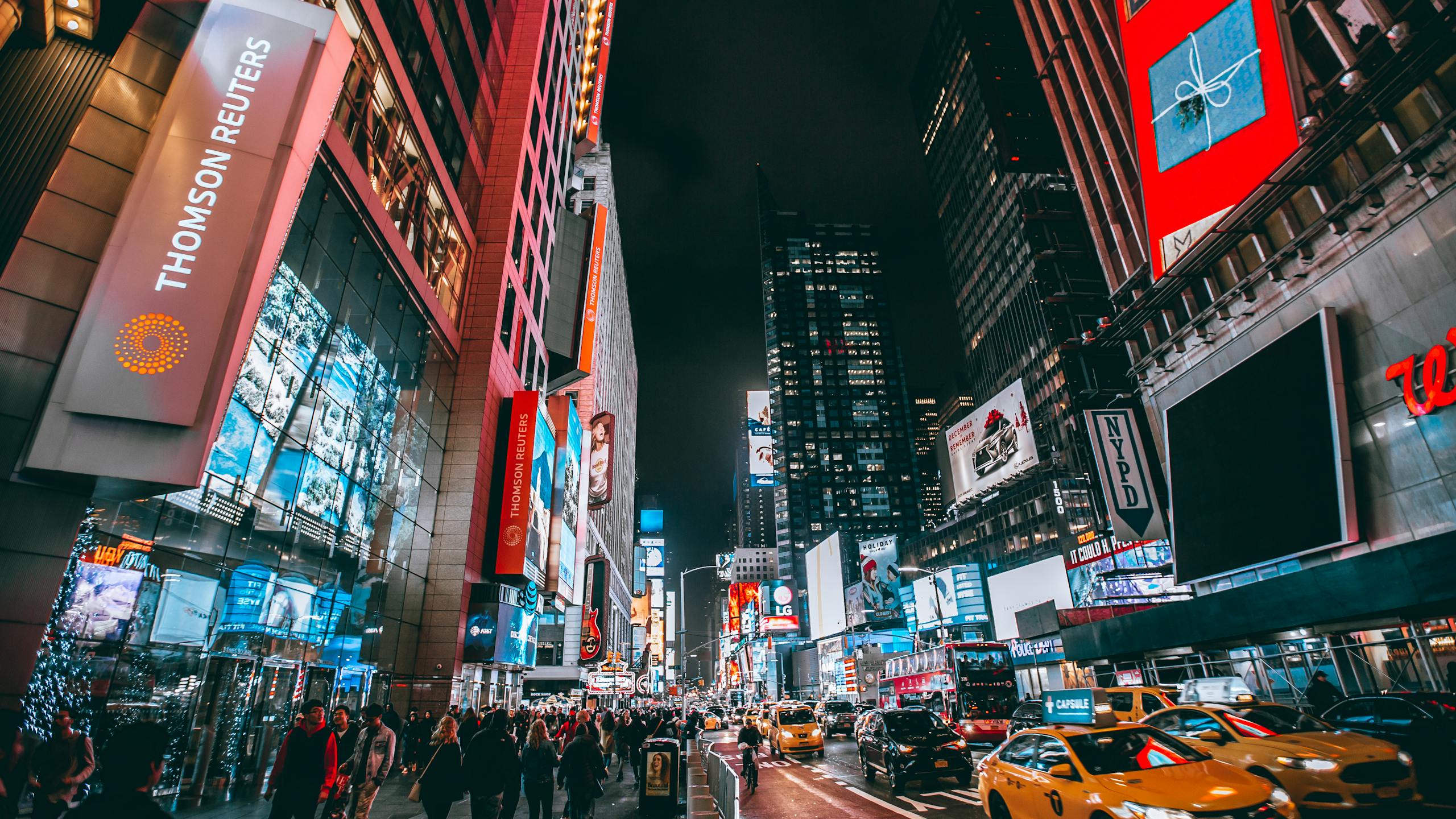

The apartment listing looked perfect on paper. Modern building, great location, walkable to everything I needed. What the photos failed to capture was the perpetual construction noise from the high-rise going up next door, the bar downstairs that transformed my living room into a bass-thumping nightclub every weekend, and the narrow corridor entrance that guaranteed awkward small talk with neighbors every single time I left my unit.
I learned the hard way that choosing a neighborhood as an introvert requires an entirely different evaluation framework than what real estate websites prioritize. After twenty years navigating urban environments while building my career in advertising and marketing, I discovered that the factors determining whether a neighborhood will energize or deplete you rarely show up in listing descriptions or neighborhood ratings.
The stakes are higher than most people realize. Your neighborhood shapes the texture of your daily existence, influencing everything from your morning commute stress levels to your evening recovery capacity. For introverts especially, the wrong neighborhood choice creates a constant energy drain that compounds over months and years, affecting work performance, relationships, and overall wellbeing.
- Evaluate neighborhoods using introvert-specific criteria like noise levels and visual privacy, not just walkability scores.
- High social density and constant neighbor interactions drain introvert energy more than traditional ratings acknowledge.
- Urban noise pollution and crowded environments physically alter brain structure, affecting mental health and work performance.
- Test neighborhoods during peak hours before committing to assess your actual daily stress and recovery capacity.
- Prioritize acoustic privacy and retreat spaces in your living situation to prevent chronic energy depletion.
Why Standard Neighborhood Criteria Fail Introverts
Most neighborhood guides emphasize walkability scores, nightlife options, and “vibrant communities.” These metrics work well for extroverts who draw energy from constant social opportunities and busy streetscapes. For introverts, however, high walkability combined with intense social density can create exhausting environments where simple tasks become energy expenditures.
What’s your personality type?
Take our free 40-question assessment and get a detailed personality profile with dimension breakdowns, context analysis, and personalised insights.
Discover Your Type8-12 minutes · 40 questions · Free
Traditional neighborhood ratings rarely account for factors like acoustic privacy, visual retreat opportunities, or the density of obligatory social interactions built into daily routines. A neighborhood with a perfect walkability score might also mean sharing elevator rides multiple times daily, navigating crowded sidewalks during commute hours, and facing constant exposure to noise pollution that accumulates into chronic stress.
Research published in the journal Nature Medicine found that specific urban environmental profiles correlate with distinct mental health outcomes. Urban areas characterized by high social density, air pollution, and noise exposure showed associations with affective symptoms, mediated through measurable changes in brain structure. This scientific validation confirms what many introverts intuitively sense: your neighborhood physically shapes your mental state.
I remember consulting with a Fortune 500 executive who relocated to what her real estate agent described as the “most desirable” neighborhood in the city. Within six months, she was experiencing burnout symptoms despite loving her new role. The culprit was not her job, but her supposedly perfect apartment in a building with a social-forward design emphasizing communal spaces, shared amenities requiring interaction, and floor plans that prioritized entertaining over retreat. The constant low-grade social exposure was depleting her reserves before she even arrived at work.
The Acoustic Reality of Urban Living
Noise represents perhaps the most underestimated factor in neighborhood selection for introverts. Most apartment hunters check noise levels during daytime showings, completely missing the soundscape that emerges after dark or during weekends. Research from Harvard Medical School has documented that chronic noise exposure contributes to cardiovascular disease, sleep disturbances, and cognitive impairment, with effects that persist even in people who believe they have adapted to the noise.
For introverts who need quiet to process, recover, and recharge, acoustic intrusions represent more than mere annoyance. They interrupt the internal reflection that constitutes a fundamental need. Every unexpected noise triggers a neurological response, pulling attention outward and disrupting the internal processing that introverts rely upon for equilibrium.
A comprehensive review in the Journal of Exposure Science and Environmental Epidemiology found that noise exposure increases susceptibility to depression, anxiety, and behavioral problems. The mechanisms involve both direct effects on brain tissue and indirect pathways through disrupted sleep and chronic stress activation. For introverts whose nervous systems already process stimuli more deeply, these effects amplify significantly.

When I managed teams across different personality types during my agency years, I noticed a pattern. Introverted team members who reported living in quieter neighborhoods consistently showed stronger sustained performance and lower burnout rates than equally talented introverts in noisier areas. The difference was not work ethic or capability; it was recovery capacity. Those in quieter neighborhoods could actually rest during off-hours, while others never fully escaped the stimulation cycle.
Evaluating acoustic reality requires visiting potential neighborhoods at multiple times, including late night weekend hours, early mornings, and during any nearby recurring events. Ask current residents about sounds that apartment walls cannot block: delivery trucks, bar crowds, emergency vehicle routes, construction schedules. These details rarely appear in listings but profoundly shape daily experience. Understanding how to live as an introvert in a loud, extroverted world starts with making intentional choices about your immediate environment.
Green Space as Mental Health Infrastructure
Access to green space represents one of the most scientifically validated factors in neighborhood mental health outcomes. Research tracked by NASA’s Earth Observatory from Denmark’s Aarhus University found that people who grew up with less green space nearby had up to 55 percent increased risk of developing psychiatric disorders including depression and anxiety in later years.
The benefits extend beyond childhood exposure. A review in BJPsych International documented that adults living in areas with more greenspace show less mental distress, reduced anxiety and depression, and healthier stress hormone profiles compared to those in less green environments. Critically, these benefits appear even when controlling for socioeconomic factors, suggesting that greenspace itself provides protective effects independent of wealth.
For introverts specifically, green spaces provide something beyond stress reduction. They offer visual and psychological retreat opportunities within urban environments. A park visible from your window, a tree-lined walking route, or a nearby nature reserve creates options for restorative solitude without requiring extensive planning or travel. These micro-retreats can transform the rhythm of daily recovery.
Research from the U.S. Forest Service found that higher levels of residential tree cover, particularly within 250 meters of an individual’s home, associated significantly with better mental health outcomes. For introverts evaluating neighborhoods, this proximity metric provides practical guidance: greenspace across the city matters less than greenspace you can access within a short walk from your door.
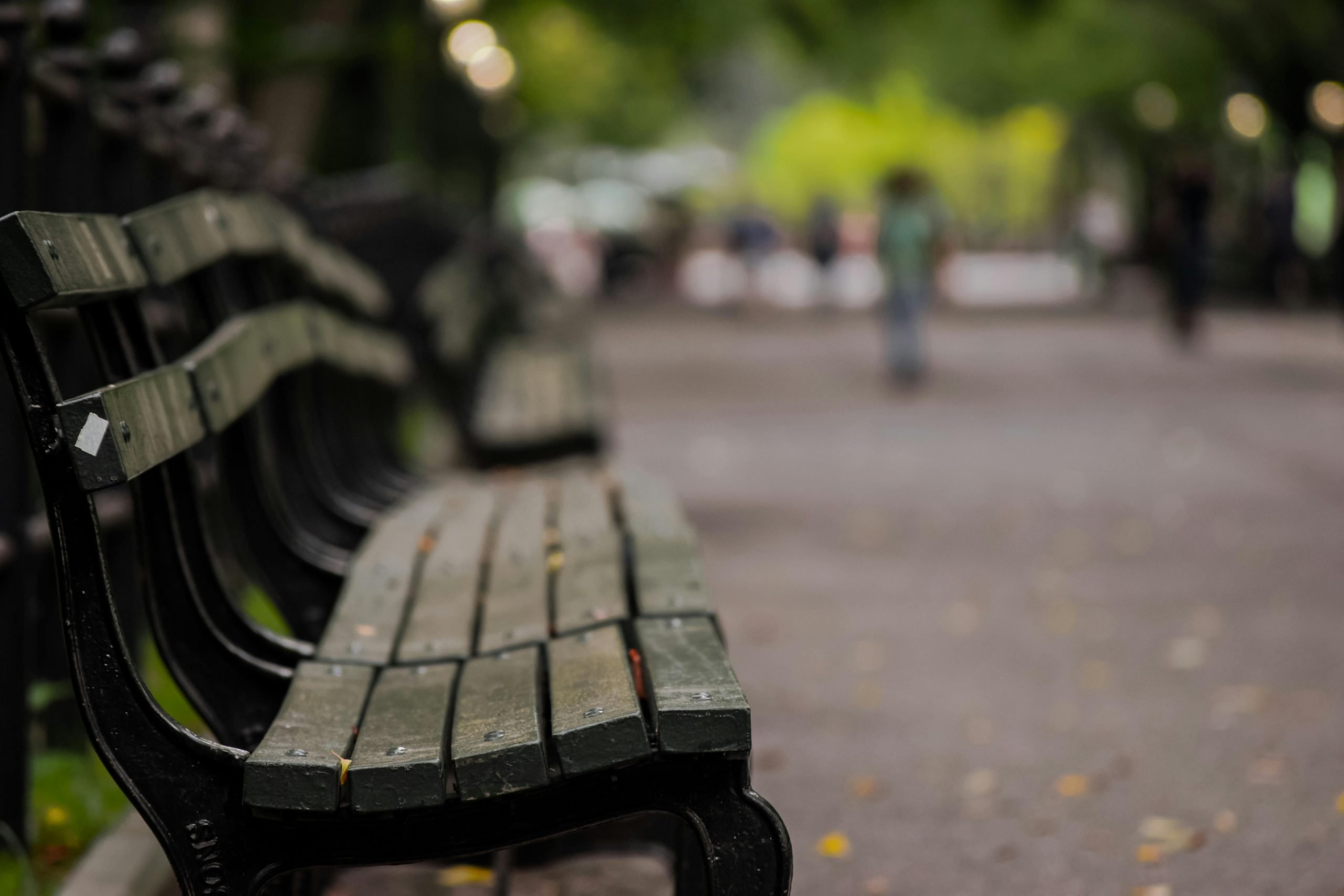
I discovered this firsthand when I relocated from a buzzy downtown area to a neighborhood adjacent to a large urban park. The difference in my energy levels became noticeable within weeks. Morning walks before work became possible. Weekend recovery no longer required escaping the city entirely. The greenspace essentially extended my living space, providing options for solitude and restoration that my apartment square footage alone could never offer. This access became essential to finding peace in a noisy world.
Social Architecture and Interaction Density
Every neighborhood has an implicit social architecture that shapes how frequently you encounter others and what those encounters require. Some neighborhoods feature front porches, shared courtyards, and communal spaces that assume and encourage regular social interaction. Others offer more private entry points, individual balconies, and layouts that allow residents to maintain distance without seeming unfriendly.
Research published in the Journal of Research in Personality found that introverts show distinct preferences for secluded spaces where they are less visible to others. This is not antisocial behavior but rather a recognition that constant visibility creates constant social processing demands. Even brief encounters require energy expenditure: the smile, the nod, the potential for extended conversation.
Building layouts matter enormously. A building with one elevator serving many units means repeated encounters with the same neighbors. A walk-up with your own entrance means leaving home without obligatory interaction. Parking structures with narrow spaces between cars versus street parking with direct home access. Mailrooms requiring passes through common areas versus boxes at your door. These design details accumulate into significant daily differences in social load.
The surrounding neighborhood follows similar patterns. Some streets have restaurant patios that spill onto sidewalks, creating gauntlets of diners to navigate. Others offer clear walking routes with natural separation between pedestrians. Some grocery stores feature narrow aisles encouraging interaction; others offer self-checkout and wider spacing. These might seem like minor considerations, but for introverts running everyday errands, the accumulated effect shapes whether leaving home feels restorative or depleting.
During my executive coaching work, I often help clients audit their daily interaction loads. The results frequently surprise them. One client discovered she was averaging over forty brief social interactions daily just through her building, commute, and neighborhood routine, none of which qualified as meaningful connection but all of which drew from her limited social energy budget. Reducing that number by choosing a different building style and adjusting her routes freed capacity she could redirect toward relationships she actually valued.
The Walkability Paradox
High walkability scores generally correlate with health benefits, but for introverts, the relationship is more nuanced. Walkability combined with high density can create environments where leaving home always means navigating crowds. The benefits of walking become offset by the stimulation costs of constant crowd navigation.
The ideal for many introverts involves what urban planners might call “strategic walkability”: essential services within walking distance, but via routes that allow quiet passage. Tree-lined residential streets connecting to commercial nodes. Parks that function as through-routes. Timing options that allow errand completion during lower-traffic hours. The goal is access without constant immersion.

Neighborhood “edge” locations often provide this balance well. Areas at the boundary between residential quiet and commercial convenience offer access to amenities without immersion in their busiest zones. You can walk to restaurants, shops, and services, but your immediate home environment remains calmer. These edge locations rarely top “best neighborhood” lists because they lack the concentrated excitement that drives typical ratings, which makes them more affordable while better serving introvert needs.
Some introverts thrive in surprisingly urban environments precisely because density provides anonymity. In a truly crowded city, nobody notices or expects acknowledgment from every passerby. The constant crowd becomes a kind of privacy screen. This counterintuitive pattern means some introverts prefer dense urban cores to friendly suburban neighborhoods where everyone knows everyone and expects ongoing social maintenance. Understanding your relationship with density helps you identify which urban environments will actually support your authentic introvert nature.
Practical Evaluation Framework
When evaluating a potential neighborhood, I recommend a systematic assessment across several dimensions. First, conduct multiple visits at different times: weekend mornings, weekday evenings, late weekend nights. Note noise levels, foot traffic, and general energy. What you observe during a Tuesday afternoon showing will differ dramatically from Saturday at midnight.
Second, map your daily routes. Walk from the potential home to your workplace, your grocery store, your gym, your preferred coffee shop. Count the number of potential interaction points along each route. Assess whether alternative routes exist for high-energy versus low-energy days. Consider how those routes change in different weather and seasons.
Third, evaluate building and unit design for privacy. How many units share your elevator or stairwell? Where is the mailbox relative to common areas? What sightlines exist from neighbors’ units into your space? How much sound transfers between units and from common areas? These questions matter as much as square footage and finishes.
Fourth, locate recovery options. Identify the nearest green space and how easily you can access it. Find quiet cafes where you could work alone. Note libraries, museums, or other spaces offering social solitude. These become essential infrastructure for creating your personal sanctuary extending beyond your apartment walls.
Fifth, research the neighborhood’s trajectory. A quiet area scheduled for major development may transform within your lease term. Check for planned construction, zoning changes, and transit expansions. A neighborhood perfect today might become unlivable for introverts within two years as density increases.

Compromise and Priorities
Perfect neighborhoods rarely exist, especially within budget constraints. The key lies in identifying which factors matter most to your specific introversion pattern and which compromises you can tolerate. Some introverts prioritize acoustic privacy above all else and will accept longer commutes for genuine quiet. Others need green space access more than building privacy. Some function well with social interaction density but require visual retreat options.
When I coach clients through relocation decisions, we rank these factors before starting the search. Knowing your non-negotiables prevents you from falling in love with a space that fails on your most essential criteria. It also helps you recognize when a neighborhood meets your priorities even if it lacks conventional appeal.
Budget constraints force most of us toward tradeoffs. If you cannot afford quiet and greenspace and low interaction density, which matters most? This self-knowledge transforms apartment hunting from an overwhelming process into a focused evaluation. Rather than comparing every possible option, you can filter for your essential criteria and compare only viable candidates.
Sometimes the right choice involves accepting apparent inconvenience for essential comfort. A longer commute might be worthwhile if it buys you genuine quiet at home. A smaller apartment in a better neighborhood might serve you better than a larger space in a draining location. The cost-per-square-foot calculation misses the value of environment entirely.
Beyond the Apartment
Your neighborhood selection shapes more than your home life. It influences your entire capacity for engagement with the world. The wrong neighborhood depletes you before you even begin your workday, leaving less energy for the activities and relationships that matter. The right neighborhood provides ongoing restoration that compounds into greater capacity over time.
This is why neighborhood selection deserves the careful analysis we typically reserve for major career decisions. The accumulated effects rival those of job choice in their impact on daily experience and long-term wellbeing. Yet most people spend more time researching restaurants than neighborhoods, trusting ratings designed for different priorities.
Urban living works brilliantly for many introverts when they choose environments aligned with their needs. Cities offer unparalleled access to culture, career opportunities, and diverse social options that introverts can engage with on their own terms. The key lies in selecting the specific neighborhood, building, and unit that supports rather than drains your natural rhythm. Sometimes this means accepting locations that seem less exciting by conventional measures. Often, those quieter pockets become the foundation for thriving urban introvert lives.
My own journey through multiple urban relocations taught me that the “best” neighborhood is always relative to the person living there. What depletes one introvert energizes another. What feels like peaceful solitude to one feels like isolating loneliness to another. The goal is not finding an objectively perfect neighborhood but identifying the specific environment that supports your particular introvert pattern and life priorities. That match transforms urban living from constant adaptation into sustainable thriving, preventing the common ways introverts sabotage their own success by ignoring environmental factors.
Explore more introvert life resources in our complete General Introvert Life Hub.
About the Author
Keith Lacy is an introvert who’s learned to embrace his true self later in life. With a background in marketing and a successful career in media and advertising, Keith has worked with some of the world’s biggest brands. As a senior leader in the industry, he has built a wealth of knowledge in marketing strategy. Now, he’s on a mission to educate both introverts and extroverts about the power of introversion and how understanding this personality trait can unlock new levels of productivity, self-awareness, and success.
Frequently Asked Questions
What neighborhood features matter most for introverts?
Acoustic privacy, access to green space, and low-density social architecture typically matter most for introverts. Unlike standard neighborhood ratings that emphasize nightlife and walkability, introvert-friendly neighborhoods prioritize opportunities for quiet recovery, visual retreat, and daily routines that minimize obligatory social interactions.
Is it better for introverts to live in cities or suburbs?
Neither is universally better. Dense cities can provide anonymity that some introverts prefer, while suburbs might require more social maintenance with neighbors. The key factors are acoustic environment, green space access, and building design rather than urban versus suburban location. Many introverts thrive in city “edge” neighborhoods that balance access with quiet.
How can I evaluate noise levels before moving somewhere?
Visit the neighborhood at multiple times including late weekend nights, early mornings, and during any recurring nearby events. Ask current residents about sounds that walls cannot block. Research nearby construction projects, bar and restaurant concentrations, emergency vehicle routes, and delivery schedules. Daytime showings rarely reveal the actual acoustic reality of a space.
Why does green space matter so much for introvert mental health?
Research consistently shows that green space access reduces mental distress, anxiety, and depression while supporting stress recovery. For introverts who need solitude to recharge, nearby parks and tree cover provide accessible retreat options without requiring extensive planning. Studies show that greenspace within 250 meters of home provides the strongest mental health benefits.
What building design features should introverts look for?
Consider private or low-traffic entrances, the number of units sharing elevators or stairwells, mailbox locations relative to common areas, sight lines from neighboring units, and sound transfer between spaces. Buildings with individual entrances or fewer shared amenities typically create lower daily interaction loads than designs emphasizing communal spaces.