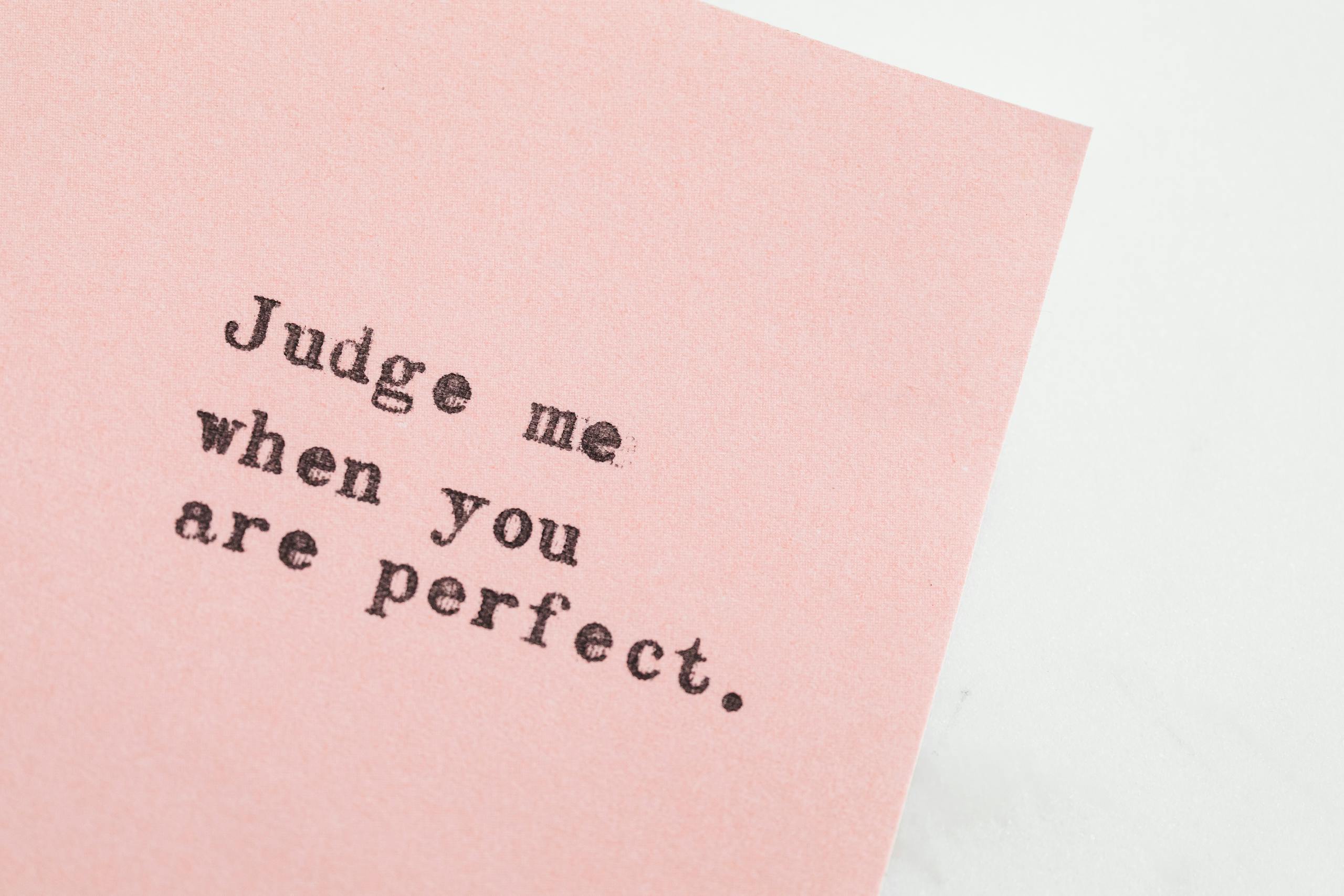

Friedrich Nietzsche once wrote that shyness is the skin of the soul, a protective layer that keeps something tender and essential from being exposed too soon. That single observation, tucked inside the work of one of history’s most provocative philosophers, captures something that most personality frameworks miss entirely: shyness and introversion are not the same thing, and conflating them does a real disservice to people who are simply wired to process the world from the inside out.
Nietzsche’s shyness quote resonates because it reframes what many people treat as a flaw into something more like a form of self-preservation. Shyness is rooted in fear of judgment. Introversion is rooted in how the nervous system draws and spends energy. They can overlap, but they don’t have to, and understanding that difference changes how you see yourself.

My broader exploration of where introversion ends and other traits begin lives in the Introversion vs Other Traits hub, which covers everything from energy dynamics to personality spectrum comparisons. This article focuses specifically on what Nietzsche’s framing of shyness can teach us about the quiet interior life, and why it matters more now than ever.
What Did Nietzsche Actually Mean by That Quote?
Nietzsche wrote prolifically about solitude, individuality, and the tension between the inner life and social performance. His observation about shyness being the skin of the soul points to something he valued deeply: the idea that certain people carry a rich interior world that they instinctively shield from casual exposure. Not because they are broken or fearful, but because what lives inside them is worth protecting.
What’s your personality type?
Take our free 40-question assessment and get a detailed personality profile with dimension breakdowns, context analysis, and personalised insights.
Discover Your Type8-12 minutes · 40 questions · Free
That framing is worth sitting with. Shyness, in Nietzsche’s reading, isn’t a failure to perform confidence. It’s a signal that something genuine is present underneath. He was, by most biographical accounts, a deeply solitary man who found crowds exhausting and preferred the company of his own thoughts. His philosophical output, much of which he produced in near-isolation, reflects that preference for depth over breadth.
What strikes me about this framing is how different it is from the clinical or pop-psychology definition of shyness, which tends to treat it as a form of social anxiety waiting to be treated. Nietzsche wasn’t pathologizing the quiet person. He was suggesting that the quiet person might be carrying something the loud room can’t hold.
I spent years in advertising where the loudest voice in the room got the most credit. Pitching to Fortune 500 clients meant performing confidence even when you were running on four hours of sleep and a strategy that hadn’t fully solidified. I watched colleagues mistake volume for vision. What Nietzsche understood, and what took me a long time to accept, is that the person carefully choosing their words might be protecting something more valuable than the person filling every silence.
Why Shyness and Introversion Get Tangled Together
Part of the confusion comes from surface behavior. Both shy people and introverts tend to speak less in groups, prefer smaller gatherings, and sometimes appear reserved to people who don’t know them well. From the outside, the behaviors can look identical. From the inside, the experience is completely different.
Shyness is driven by anxiety. A shy person wants to connect but fears the social consequences of doing so. The hesitation comes from worry about judgment, rejection, or embarrassment. Introversion, by contrast, is about energy. An introverted person may feel completely comfortable in social settings but finds them draining in a way that requires recovery time afterward. The introvert at the party isn’t necessarily afraid of anyone there. They’re calculating, often unconsciously, how much of themselves this interaction will cost.
If you’ve ever wondered where you fall on this spectrum, the Introvert Extrovert Ambivert Omnivert Test can give you a clearer starting point. It’s more nuanced than a simple binary, which matters because personality rarely fits into clean boxes.
Some people are both shy and introverted. Some are shy and extroverted, which surprises people who assume extroverts are naturally confident. Some introverts are remarkably bold in one-on-one conversations and simply prefer that depth to the noise of a crowd. The categories don’t nest the way most people assume.
What Does Extroversion Actually Look Like From the Inside?
To understand where introversion and shyness diverge, it helps to get specific about what extroversion actually means, not as a stereotype but as a genuine orientation. If you want a grounded definition, the breakdown of what does extroverted mean goes into the real mechanics of extroverted energy, not just the caricature of the gregarious salesperson who loves attention.
Extroverts tend to process externally. They think by talking, energize through interaction, and often feel restless or flat when they spend too much time alone. That’s not a character strength or a flaw. It’s a wiring difference. An extrovert who spends a weekend in complete solitude may feel genuinely depleted by Sunday evening, the same way an introvert feels after a week of back-to-back client meetings.
At my agencies, some of my best creative directors were extroverts who needed the energy of a brainstorm to do their best thinking. I learned to structure meetings differently for them, giving them space to process out loud, because that’s where their ideas actually formed. As an INTJ, my own process was the opposite. I’d sit with a brief for hours before a meeting and arrive with conclusions already drawn. Neither approach was superior. They just required different conditions.
Understanding that distinction helped me stop resenting the extroverts on my team for needing what felt to me like excessive conversation. They weren’t being inefficient. They were doing their actual thinking.
The Spectrum Between Introversion and Extroversion Is Wider Than You Think
Most people don’t sit cleanly at either pole. Personality exists on a spectrum, and there are meaningful distinctions between people who lean slightly introverted and those who are deeply introverted. The difference between being fairly introverted vs extremely introverted matters practically, because it affects how much social recovery time you need, how you structure your work, and how you interpret your own reactions to social situations.
A fairly introverted person might genuinely enjoy a dinner party but need a quiet Sunday morning to recover. An extremely introverted person might find the dinner party genuinely taxing from start to finish, not because of shyness or social anxiety, but because the sustained performance of social presence depletes something fundamental in them.
Nietzsche’s shyness quote speaks more directly to the extremely introverted end of the spectrum, where the interior life is so rich and carefully guarded that exposure feels like a genuine risk. That protective instinct isn’t weakness. It’s discernment.
There’s also the question of what happens when people don’t fit neatly into either category. The distinction between an omnivert vs ambivert is worth understanding here. An ambivert draws energy from both social and solitary situations depending on context. An omnivert swings more dramatically between states, sometimes craving deep social connection and other times needing complete withdrawal. Neither is the same as shyness, even when the behaviors can look similar from the outside.
How Nietzsche’s Framing Changes the Way You See Yourself
There’s something quietly powerful about reframing shyness as protection rather than deficiency. Nietzsche wasn’t writing a self-help manual. He was making a philosophical observation about the relationship between the interior self and the social world. But the practical implications of that observation are significant for anyone who has spent years feeling like their quietness was something to apologize for.
When I was running my first agency, I hired a communications coach because a mentor told me I needed to “project more energy” in client presentations. The coach spent three sessions trying to get me to use bigger gestures and speak faster. None of it felt authentic. What eventually worked was something different entirely: learning to let the depth of my preparation speak louder than my volume. Clients didn’t need me to perform extroversion. They needed to trust that I understood their problem. Depth was always my actual advantage.
Nietzsche’s framing validated something I’d felt but couldn’t articulate: that the quiet exterior wasn’t a failure to show up. It was a sign that something substantive was happening underneath.
Psychology research on introversion and depth of processing supports this intuition. Work published in PubMed Central on sensory processing sensitivity suggests that people who process deeply tend to pause before acting, reflect on their experiences more thoroughly, and notice subtleties in their environment that others miss. That’s not shyness. That’s a cognitive style, and it carries real advantages when the conditions support it.
The challenge is that most professional environments are not designed to reward that style. They reward speed, visibility, and vocal confidence. Which is why so many introverts spend years feeling like they’re performing a version of themselves that doesn’t quite fit.
Are You Shy, Introverted, or Something Else Entirely?
One of the most useful things you can do is get genuinely clear on which trait is actually driving your experience. Shyness responds well to gradual exposure and confidence-building. Introversion doesn’t need to be treated at all, but it does need to be accommodated. Trying to “fix” introversion with the same tools you’d use for social anxiety is like trying to treat nearsightedness with hearing aids. The tools don’t match the actual condition.
If you’ve ever wondered whether you might be more of an extrovert than you think, the introverted extrovert quiz can help clarify where your tendencies actually land. Sometimes people who identify strongly as introverts discover they have more extroverted tendencies in specific contexts, which doesn’t invalidate the introvert label but does add nuance to how they understand themselves.
There’s also a category that doesn’t get discussed enough: the person who is genuinely neither. The otrovert vs ambivert distinction explores what happens when someone’s energy patterns don’t fit the standard introvert or extrovert model at all. Understanding these variations matters because self-knowledge is the foundation of everything else, how you structure your work, how you communicate your needs, how you build relationships that actually sustain you.
A piece in Psychology Today on why introverts need deeper conversations captures something I’ve observed in myself for decades: the small talk that extroverts often find energizing is precisely what introverts find most depleting. It’s not rudeness or social anxiety. It’s a mismatch between the depth of connection the introvert is seeking and the surface-level exchange on offer.

The Quiet Strength That Nietzsche Was Pointing Toward
Nietzsche wasn’t celebrating weakness. His entire philosophical project was about strength, specifically the kind of strength that comes from knowing yourself deeply enough to live on your own terms rather than performing the values someone else handed you. When he described shyness as the skin of the soul, he was pointing to a form of self-awareness that he considered rare and worth protecting.
That framing maps surprisingly well onto what we now understand about introversion as a genuine personality orientation rather than a developmental deficit. Research published through PubMed Central on personality and cognitive processing suggests that introverted individuals often demonstrate stronger performance on tasks requiring sustained attention and careful deliberation. The quiet exterior frequently reflects a more active interior process, not a less engaged one.
At one of my agencies, I managed a senior strategist who was consistently passed over for promotion because she “didn’t speak up enough in meetings.” What her managers were missing was that her written briefs were the ones that won pitches. Her thinking was exceptional. Her delivery was quiet. The organization was measuring the wrong thing entirely.
Helping her articulate her value in ways the organization could recognize wasn’t about making her louder. It was about helping her find the contexts where her depth was visible. That’s a leadership challenge I encountered repeatedly over two decades, and it always came back to the same core misunderstanding: confusing presentation style with intellectual substance.
Nietzsche’s shyness quote is, at its core, a defense of the person who holds something back not because they have nothing to offer but because they are selective about when and to whom they offer it. That selectivity is not a flaw. In a world that rewards constant visibility, it’s actually a form of integrity.
What Happens When Introverts Stop Apologizing for Their Interior Life
The shift I’ve seen in myself and in people I’ve worked with over the years isn’t about becoming more extroverted. It’s about stopping the performance of extroversion and investing that energy into the things that actually work. When I stopped trying to fill every silence in a client meeting and started letting my preparation do the work, something changed. Clients trusted me more, not less. The quiet projected competence rather than uncertainty.
There’s a reason introverts often excel in roles that require careful listening, deep analysis, and thoughtful communication. Work from Frontiers in Psychology on personality and professional performance points to introversion as a meaningful predictor of certain kinds of analytical and creative output, particularly in environments that allow for focused, independent work.
Even fields that seem to require constant extroversion have more room for introverted approaches than people assume. Marketing, for instance, rewards the kind of deep audience understanding that introverts often develop naturally. A piece from Rasmussen University on marketing for introverts makes the case that the analytical and empathetic strengths common among introverts translate directly into effective marketing strategy, even if the networking and self-promotion aspects require intentional adaptation.
Negotiation is another area where introverts are often underestimated. Perspectives from Harvard’s Program on Negotiation suggest that introverts bring genuine strengths to the negotiating table, particularly in their tendency to listen carefully, think before responding, and avoid the reactive decisions that can derail a negotiation. The introvert who pauses before countering an offer isn’t hesitating out of weakness. They’re processing.
What Nietzsche understood philosophically, and what I’ve come to understand practically, is that the protective layer around the quiet person’s inner world isn’t an obstacle to effectiveness. It’s often what makes the effectiveness possible. The depth has to be protected in order to be preserved.

If this piece has you thinking more carefully about where introversion ends and other traits begin, the full Introversion vs Other Traits hub covers the complete range of comparisons, from personality spectrum distinctions to energy dynamics across different contexts.
About the Author
Keith Lacy is an introvert who’s learned to embrace his true self later in life. After 20 years in advertising and marketing leadership, including running agencies and managing Fortune 500 accounts, Keith now channels his experience into helping fellow introverts understand their strengths and build fulfilling careers. As an INTJ, he brings analytical depth and authentic perspective to every article, drawing from both professional expertise and personal growth.
Frequently Asked Questions
What is the Nietzsche shyness quote and what does it mean?
Nietzsche described shyness as the skin of the soul, suggesting it functions as a protective layer around something genuine and tender within a person. Rather than treating shyness as a social deficiency, he framed it as a sign that the person carries a rich interior life worth guarding. The quote reflects his broader philosophical interest in solitude, individuality, and the tension between authentic selfhood and social performance.
Is shyness the same as introversion?
No. Shyness is rooted in fear of social judgment and can cause genuine anxiety around interaction. Introversion is about how a person’s nervous system manages energy: introverts tend to find sustained social interaction draining and need solitary time to recover. A person can be shy without being introverted, or introverted without being shy. The behaviors can look similar from the outside, but the internal experience is quite different.
Can shyness be a strength?
In the context Nietzsche intended, yes. Shyness as a protective instinct around one’s inner life reflects a kind of discernment about when and to whom you reveal yourself. That selectivity can translate into deeper, more meaningful relationships and a stronger sense of personal integrity. The challenge is distinguishing between shyness as protection and shyness as anxiety, since the latter can limit connection in ways that don’t serve the person well.
How do I know if I’m introverted, shy, or somewhere in between?
Pay attention to what’s driving your quietness in social situations. If you feel genuine fear of judgment or embarrassment, shyness may be a factor. If you feel comfortable but simply prefer smaller gatherings and need time alone to recharge afterward, introversion is likely the better description. Many people experience both, and the proportions can shift depending on context, life stage, and the specific social environment. Taking a structured personality assessment can help clarify where your tendencies actually land.
Did Nietzsche consider himself introverted or shy?
Nietzsche didn’t use those modern psychological terms, but his biography and writing suggest he was deeply introverted in the contemporary sense. He lived much of his adult life in near-isolation, found sustained social interaction exhausting, and produced his most significant philosophical work in solitary conditions. He wrote extensively about the value of solitude and the dangers of losing oneself in the crowd, themes that resonate strongly with the introverted experience even if the vocabulary is different.