
Older adults spending time alone are not automatically suffering. For many, especially those wired for introspection, solitude is not a warning sign but a genuine source of renewal, clarity, and emotional strength. The assumption that old people shouldn’t spend time alone collapses the moment you separate loneliness from chosen solitude, and that distinction matters enormously.
Solitude and social isolation are not the same thing. One is a condition imposed by circumstance. The other is a deliberate state that many older introverts have spent a lifetime learning to value. Conflating the two does real harm, particularly when well-meaning family members, caregivers, and healthcare providers push constant socialization as a cure for something that isn’t actually broken.
Much of my thinking on solitude, aging, and introversion lives within a broader conversation I return to often. Our Solitude, Self-Care and Recharging hub covers the full terrain of what it means to restore yourself as an introvert, and the question of whether older adults should be alone sits right at the center of that conversation.
Why Does Society Assume Older Adults Shouldn’t Be Alone?
There’s a cultural script about aging that most of us absorbed without questioning. Older adults should be surrounded by family. They should join clubs, attend community events, and fill their calendars. Silence in a senior’s home is read as sadness. A preference for evenings spent reading instead of socializing gets reframed as withdrawal.
What’s your personality type?
Take our free 40-question assessment and get a detailed personality profile with dimension breakdowns, context analysis, and personalised insights.
Discover Your Type8-12 minutes · 40 questions · Free
Some of this concern is legitimate. Genuine social isolation among older adults is a documented public health concern. The Centers for Disease Control identifies social disconnection as a risk factor linked to serious health outcomes in older populations. No one is arguing against meaningful human connection. What deserves scrutiny is the assumption that any time spent alone is a problem requiring intervention.
Part of what drives this assumption is that extroversion has long been treated as the default setting for health and happiness. Activity equals vitality. Socializing equals engagement. Quiet equals decline. Those of us who have spent decades as introverts know how exhausting that framing can be at any age. At 70 or 80, when people are watching more closely and worrying more openly, that pressure intensifies.
I ran advertising agencies for over two decades, and the culture was relentlessly social. Client dinners, team happy hours, industry conferences, open-plan offices designed to maximize spontaneous interaction. I understood the value of those connections. I also understood, probably more clearly than I admitted at the time, that I needed to disappear afterward. Not because something was wrong with me, but because something was right. I needed quiet to process, to recharge, to think. That need didn’t diminish as I got older. It became more refined.
What’s the Real Difference Between Loneliness and Solitude?
Loneliness is the ache of unwanted disconnection. Solitude is the satisfaction of chosen quiet. They can look identical from the outside and feel completely opposite from the inside.
Harvard Medical School has written thoughtfully about this distinction. As Harvard Health notes, loneliness and isolation are not interchangeable terms, and the subjective experience of being alone matters far more than the objective fact of it. Two people can spend the same Friday evening at home. One feels abandoned. The other feels free.
For introverted older adults, the experience of solitude often carries decades of intentionality behind it. These are people who have learned, sometimes through years of trial and error, what their nervous systems actually need. They’ve earned the right to an evening without visitors. They’ve figured out that a morning walk alone is more restorative than a group fitness class. They know themselves.
What concerns me about the “old people shouldn’t spend time alone” narrative is how easily it overrides that self-knowledge. A well-meaning adult child sees a parent reading quietly and worries. A caregiver schedules activities the older adult didn’t ask for. The message, however kindly delivered, is that your preference for solitude is a symptom rather than a choice.
Can Solitude Actually Benefit Older Introverts?
Solitude has a measurable upside that often gets buried under the noise of loneliness research. The Greater Good Science Center at Berkeley has explored how time alone supports creativity, self-awareness, and the kind of deep thinking that gets crowded out by constant social engagement. These benefits don’t expire at a certain age.
For older introverts specifically, solitude often serves functions that are hard to replicate in group settings. It provides space to process the accumulated weight of a long life. Grief, meaning-making, reflection on what mattered and what didn’t. That kind of internal work requires quiet. It can’t happen in a bustling senior center common room.
There’s also a physiological dimension worth considering. Many older adults, particularly those who identify as highly sensitive, find that overstimulating environments create real stress. The research on highly sensitive people points toward a nervous system that processes sensory and emotional input more deeply than average. For those individuals, a crowded social environment isn’t neutral. It’s depleting. The piece on HSP solitude and the essential need for alone time captures this dynamic well. What looks like withdrawal may actually be self-preservation.
I think about a creative director I worked with in my agency years. She was in her late sixties, deeply introverted, and absolutely brilliant. She would disappear after every major client presentation, sometimes for hours. Her colleagues read it as aloofness. What she was actually doing was recovering. When she came back, she was sharper, more generous, more present. Solitude wasn’t her retreat from work. It was part of how she did her best work.
Older introverts have often spent a lifetime learning exactly this about themselves. Respecting that knowledge is not the same as ignoring their wellbeing.
What Does the Research Actually Say About Aging and Alone Time?
The picture is more nuanced than the “don’t leave older adults alone” messaging suggests. A paper published in PubMed Central examining solitude across the lifespan found that the relationship between being alone and wellbeing depends heavily on individual factors, including personality, autonomy, and whether the solitude is chosen or imposed. Personality type matters. Introversion matters. Agency matters.
Additional research published through PubMed Central on solitude and psychological health reinforces that time alone is not inherently harmful. Context, quality, and the individual’s own orientation toward aloneness all shape the outcome. For introverts who have always found solitude restorative, that pattern tends to persist and sometimes deepen with age.
What the evidence does support is that involuntary isolation, the kind driven by mobility limitations, loss of a partner, or geographic distance from family, carries genuine health risks. That’s a different conversation from the one about introverted older adults who are choosing quiet evenings, solo walks, and time for their own thoughts.
Psychology Today has explored this territory directly, with one piece examining how embracing solitude can benefit health rather than undermine it. The framing matters. When solitude is approached as something to be embraced rather than endured, its effects shift accordingly.
How Does Introversion Shape the Way Older Adults Experience Being Alone?
Introversion isn’t a phase that people grow out of. It’s a stable orientation toward how the world is processed and how energy is managed. An introverted 75-year-old has been an introvert their entire life. Their relationship with solitude has been shaped by decades of experience, self-awareness, and refinement.
For many older introverts, retirement and the natural narrowing of social obligations that comes with age can actually feel like relief. The performance of extroversion that was required in professional and parenting years finally eases. There’s space to live in a way that matches their actual wiring.
What can happen, though, is that the people around them misread this shift. A parent who seems “withdrawn” may simply be finally free. An older friend who declines social invitations more often isn’t necessarily depressed. They may be doing exactly what they’ve always needed to do, just with fewer external pressures pulling them away from it.
Understanding what happens when introverts don’t get alone time helps explain why forced socialization can backfire. Introverts who are pushed into constant activity without adequate recovery time don’t become more engaged. They become more depleted, more irritable, and less themselves. That’s true at 35. It’s equally true at 75.
I’ve watched this play out in my own life. During the busiest years of running my agency, I was constantly “on.” Client calls, team meetings, new business pitches, industry panels. I was performing extroversion at a level that looked functional from the outside. Inside, I was running on empty in a way that took me years to fully recognize. The relief I felt when I finally gave myself permission to structure my life differently was profound. I imagine that relief multiplied many times over for older introverts who finally have the autonomy to live on their own terms.
What Role Does Nature Play in Healthy Solitude for Older Introverts?
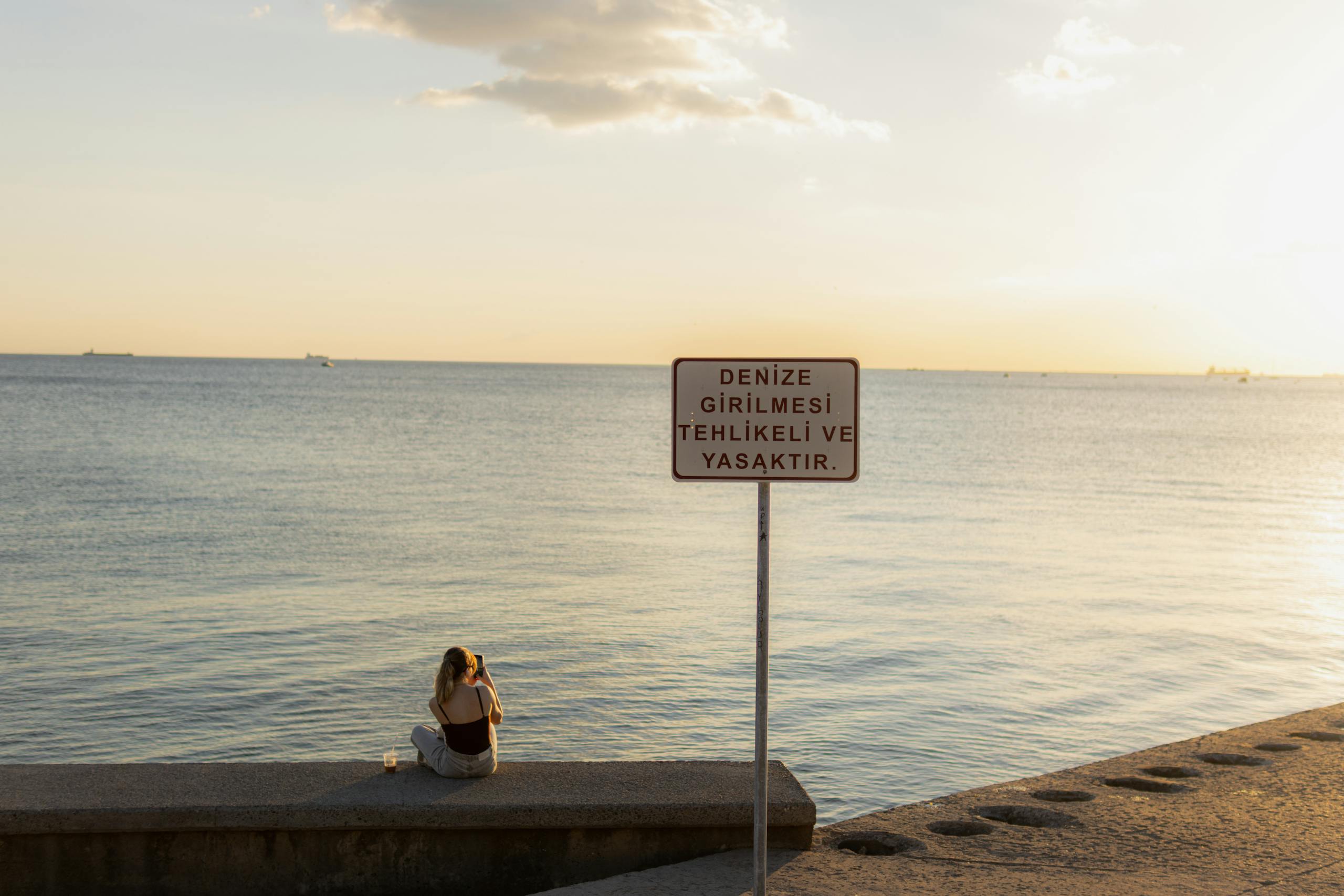
One of the most accessible and restorative forms of solitude for older adults is time spent in natural environments. A solo walk through a park, time in a garden, sitting near water, these aren’t passive activities. They’re active forms of restoration that engage the senses without the social demands that drain introverts.
The connection between nature and wellbeing is particularly meaningful for those who process the world deeply. The piece on HSP nature connection and the healing power of the outdoors speaks to something I’ve observed in myself and in others over the years. There’s a quality of attention that becomes possible in natural settings that crowds and built environments simply don’t allow. For older introverts, that quality of attention is often where meaning lives.
Interestingly, solo travel among older adults is a growing phenomenon. Psychology Today has explored whether solo travel in later life represents a new behavior or a longstanding preference finally being acted on. For many older introverts, the answer is the latter. They’ve always wanted to experience the world at their own pace, on their own terms. Retirement gives them the chance.
Solo time in nature also sidesteps the false binary between being alone and being well. You can be physically alone on a trail and feel deeply connected, to the environment, to your own thoughts, to something larger than the daily routine. That kind of connection doesn’t require another person in the room.
How Should Families and Caregivers Think About This Differently?
The concern that drives the “old people shouldn’t spend time alone” narrative is real and often comes from genuine love. No one wants to watch a parent or grandparent suffer in isolation. That protective instinct is worth honoring. What needs to change is how that concern gets expressed.
Asking an older adult whether they’re lonely is more useful than assuming they must be. Listening to how they describe their time alone, whether with contentment or with longing, tells you far more than observing that they spent Saturday afternoon without visitors. Treating their preferences as valid rather than symptomatic respects the decades of self-knowledge they’ve accumulated.
There’s also a practical dimension to self-care that families can support without overriding autonomy. The practices explored in HSP self-care and essential daily practices apply broadly to introverted older adults. Consistent sleep, manageable routines, sensory environments that don’t overwhelm, these aren’t luxuries. They’re foundations. Families who help older introverts maintain those foundations are doing something genuinely useful.
Sleep deserves particular attention. The strategies around HSP sleep and recovery point toward something that matters for introverted older adults too. Poor sleep erodes the emotional resilience that makes solitude feel restorative rather than empty. When an older introvert is sleeping badly, their relationship with alone time can shift in ways that look like loneliness but are actually exhaustion. Supporting good sleep is one of the most concrete things a family can do.
What families should resist is the impulse to fill every quiet moment. Silence in an older introvert’s home is not an emergency. It may be exactly what they need.
What Does Healthy Solitude Actually Look Like in Later Life?
Healthy solitude in later life tends to have a few recognizable qualities. It’s chosen rather than imposed. It’s punctuated by meaningful connection rather than completely replacing it. It serves a purpose the person can articulate, even loosely: rest, reflection, creative engagement, spiritual practice, simple enjoyment of quiet.
The distinction between healthy solitude and concerning isolation often comes down to what the Frontiers in Psychology research on solitude describes as the quality of the alone time rather than its quantity. An older adult who spends hours alone reading, gardening, writing, or simply sitting with their thoughts is engaging in something qualitatively different from someone who has withdrawn because they feel forgotten or incapable of connection.
My neighbor, a retired architect in his late seventies, spends most mornings alone in his studio working on architectural sketches he’ll never submit to a client. He has a warm marriage and close friendships. He’s also deeply, happily solitary for significant portions of every day. Watching him, I recognize something I’ve spent years learning about myself. Solitude isn’t the opposite of a full life. For the right person, it’s part of what makes a life feel full.
There’s also something worth naming about the particular richness that solitude can hold in later life. Older adults who have accumulated genuine experience, loss, love, professional challenge, the slow accumulation of knowing themselves, often find that time alone carries a depth it didn’t have at 30. The internal landscape is more populated. Sitting with your own thoughts is less empty and more inhabited.
The piece on Mac alone time touches on something related: that alone time has its own texture and character, and that learning to inhabit it well is a skill worth developing at any age. Older introverts who have spent decades doing exactly that are often the most articulate about what solitude actually gives them.

What Should We Actually Be Worried About?
The real concern isn’t that older introverts are spending time alone. It’s that we sometimes fail to distinguish between the introvert who is thriving in solitude and the person, introverted or not, who is suffering from involuntary disconnection.
Genuine isolation, the kind driven by grief, mobility limitations, cognitive decline, or the loss of a partner, deserves serious attention and support. That’s not what we’re talking about when we talk about an introverted 70-year-old who prefers quiet evenings and solo mornings. Lumping those two situations together under the same worried headline does a disservice to both.
What we should be watching for is change. An older adult who was previously engaged and connected and who suddenly withdraws may be signaling something worth exploring. An older introvert who has always been this way, who has always needed significant solitude and has always found it restorative, is not sending a distress signal. They’re living consistently with who they’ve always been.
As an INTJ, I’ve spent years learning to read the difference in myself between the solitude that restores me and the withdrawal that signals something is off. That discernment is something older introverts often have in abundance. The most respectful thing the people around them can do is trust it.
There’s more to explore on all of this, from the daily rhythms of self-care to the deeper questions of rest and restoration. Our complete Solitude, Self-Care and Recharging hub is a good place to keep going if this conversation resonates with you.
About the Author
Keith Lacy is an introvert who’s learned to embrace his true self later in life. After 20 years in advertising and marketing leadership, including running agencies and managing Fortune 500 accounts, Keith now channels his experience into helping fellow introverts understand their strengths and build fulfilling careers. As an INTJ, he brings analytical depth and authentic perspective to every article, drawing from both professional expertise and personal growth.
Frequently Asked Questions
Is it unhealthy for older adults to spend a lot of time alone?
Not necessarily. The health impact of time alone depends heavily on whether it’s chosen or imposed, and on the individual’s personality. For older introverts who have always found solitude restorative, significant alone time is often a sign of wellbeing rather than decline. The concern arises when isolation is involuntary, when someone is alone because of circumstances rather than preference, not when an introvert is living consistently with their lifelong nature.
How can you tell the difference between healthy solitude and harmful isolation in an older adult?
The most reliable indicator is change. An older adult who has always been introverted and has always preferred significant alone time is likely thriving in solitude. Someone who was previously engaged and connected and who suddenly withdraws may be experiencing something worth exploring. Other signals worth noting include whether the person seems content in their solitude, whether they still maintain some meaningful connections even if fewer than before, and whether they can articulate what they value about their alone time.
Do introverts experience aging and retirement differently than extroverts?
Many introverts describe retirement as a relief, a chance to finally structure their days around what their nervous systems actually need rather than performing extroversion for professional and social demands. The narrowing of obligatory social activity that often accompanies aging can feel like freedom for introverts who spent decades managing energy-draining environments. That said, even introverts benefit from some meaningful connection, and the quality of their relationships matters even if the quantity is lower than an extrovert might prefer.
What can family members do to support an introverted older adult without overriding their need for solitude?
Ask rather than assume. Asking an older adult whether they’re lonely, and genuinely listening to the answer, is more useful than filling their calendar based on your own comfort. Supporting the practical foundations of their wellbeing, good sleep, manageable routines, sensory environments that don’t overwhelm, is more helpful than scheduling activities they didn’t request. Respecting their expressed preferences as valid rather than treating those preferences as symptoms worth correcting honors the decades of self-knowledge they’ve built.
Can solitude benefit cognitive and emotional health in older adults?
For many older adults, particularly introverts, solitude supports the kind of deep reflection and internal processing that crowded social environments don’t allow. Time alone provides space to integrate experience, engage in creative activity, and maintain a sense of self that can get crowded out by constant social demands. The research on solitude and wellbeing consistently points to individual factors, including personality and whether the alone time is chosen, as the primary determinants of whether solitude helps or harms. For introverts who have spent a lifetime finding solitude restorative, that pattern tends to hold and often deepens with age.