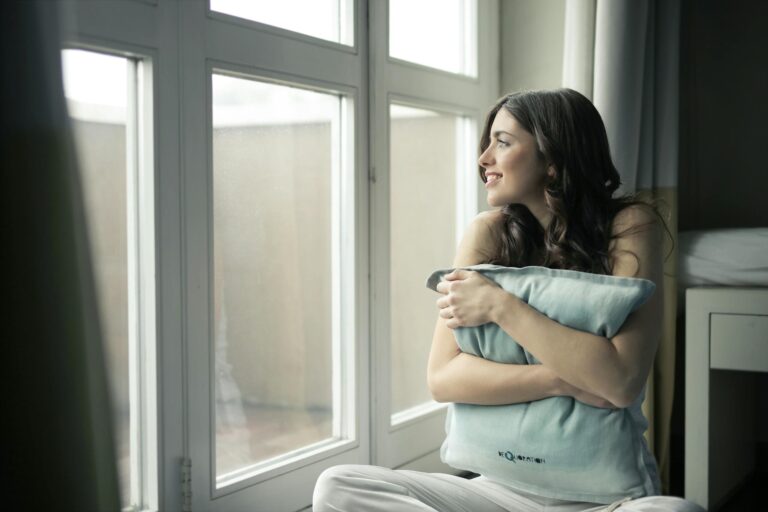

Other words for homebody include homebody synonyms like homebody, stay-at-home, nester, hearth-keeper, and introvert, but the richer vocabulary runs deeper than any single label. Words like “homebody,” “nester,” “hearth-lover,” “domestic soul,” and “house cat” all describe someone who finds genuine comfort, meaning, and restoration within the walls of home rather than in the noise of constant social activity.
What strikes me about this vocabulary is how much it reveals. The words we reach for when describing someone who prefers home say a great deal about whether we see that preference as a personality trait or a character flaw. Some of these synonyms carry warmth. Others carry judgment wrapped in a thin layer of politeness.
I want to pull all of it apart, word by word, and look at what each label actually means, where it comes from, and whether it fits the people it’s meant to describe.

If you’ve been exploring what it means to build a life centered around home, our Introvert Home Environment hub gathers everything we’ve written on this topic in one place. The language we use to describe that life is worth examining closely, which is exactly what this article does.
What Does “Homebody” Actually Mean as a Word?
The word “homebody” has been in the English language since at least the mid-1800s. Its construction is straightforward: home plus body, meaning a person whose body tends to stay at home. No hidden meaning, no clinical diagnosis, no moral verdict. Just a description of where someone prefers to be.
What’s your personality type?
Take our free 40-question assessment and get a detailed personality profile with dimension breakdowns, context analysis, and personalised insights.
Discover Your Type8-12 minutes · 40 questions · Free
Yet somewhere along the way, the word picked up connotations it was never designed to carry. Depending on who’s using it and how, “homebody” can sound like a compliment, a gentle observation, or a subtle dismissal. Context does a lot of heavy lifting with this one.
My own relationship with the word has shifted over time. In my agency years, I never would have called myself a homebody out loud. The advertising world ran on visibility, on being seen at the right events, at the right tables, with the right people. Admitting you’d rather be home on a Friday night felt like professional suicide. So I showed up. I performed the extroversion my industry seemed to demand. And I came home exhausted in ways that took the entire weekend to recover from.
It wasn’t until I started being honest with myself about how I’m wired as an INTJ that the word “homebody” stopped feeling like something I needed to hide. My home was where I did my best thinking. Where I processed the week’s decisions. Where I came back to myself. That’s not a flaw. That’s just how I function.
Which Words Carry Warmth and Which Carry Weight?
Language around the homebody experience splits into two rough camps: words that feel affirming and words that feel like they’re apologizing for you.
On the affirming side, you find words like “nester,” “hearth-keeper,” “domestic,” and “home-lover.” These carry a sense of intentionality. A nester builds something. A hearth-keeper tends something. There’s agency in these words, a sense that the person has made a considered choice about where to invest their energy.
“Nester” in particular has always resonated with me. It implies that home isn’t just a place you retreat to but something you actively create and curate. The research on how physical environments affect mental wellbeing supports this instinct. A study published in PubMed Central found meaningful connections between home environments and psychological restoration, which suggests that the nesting impulse isn’t mere preference but something with real cognitive and emotional function.
On the heavier side of the vocabulary, you find words like “shut-in,” “recluse,” and “hermit.” These words don’t describe a preference. They describe an extreme, often one associated with isolation, social phobia, or withdrawal from life rather than a healthy orientation toward it. Applying them to someone who simply prefers evenings at home over crowded bars is a category error, and not a small one.
“Loner” sits somewhere in between. It can be used neutrally, but it carries an undercurrent of loneliness that doesn’t always apply. Many people who prefer home aren’t lonely at all. They’re solitude-seekers, which is a fundamentally different state. Solitude is chosen. Loneliness is imposed. Conflating the two does a disservice to people who’ve built rich inner lives and genuinely satisfying home environments.

What Are the Actual Synonyms Worth Knowing?
Let me walk through the vocabulary that actually exists for this personality orientation, because the range is wider than most people realize.
Nester. Someone who creates comfort and meaning within a domestic space. Implies active investment in the home environment. Carries almost no negative connotation in common usage.
Hearth-lover. An older, somewhat literary term for someone drawn to the warmth and intimacy of home. You’ll find it more in writing than in speech, but it captures something the blunter words miss: the emotional pull of a specific kind of comfort.
Domestic soul. Less a single word than a phrase, but worth including because it reframes the homebody orientation as a character quality rather than a behavioral pattern. A domestic soul doesn’t just stay home. They find meaning there.
House cat. Informal and affectionate in most contexts. Usually used by someone who sees the trait as charming rather than problematic. Has a feline connotation of self-sufficiency and comfort-seeking that many homebodies will recognize immediately.
Couch philosopher. This one’s more playful, and it’s underrated. It suggests someone who does their best thinking from a position of physical comfort, which honestly describes a lot of introverts I know. The right homebody couch isn’t a symbol of laziness. It’s a thinking environment.
Introvert. Often used interchangeably with homebody, though the two aren’t identical. Not all introverts are homebodies, and not all homebodies are introverts. Still, there’s significant overlap, and the introvert label carries its own rich vocabulary and framework for understanding why some people genuinely need home as a restoration space.
Recluse. Worth understanding even if it doesn’t fit most homebodies. A recluse withdraws from society to a significant degree, often cutting off relationships and social contact almost entirely. Most homebodies don’t do this. They have relationships, communities, and connections. They just prefer to maintain them on their own terms, often from home.
Homebody. Still the most accurate and widely understood term. It’s direct, it’s honest, and it’s increasingly being reclaimed by people who wear it with pride rather than apology.
How Does Personality Type Shape the Homebody Experience?
Not every homebody experiences home the same way, and personality framework can help explain why.
As an INTJ, my relationship with home is fundamentally about cognitive space. I need an environment where my mind can operate without constant interruption. The open-plan offices of my agency years were genuinely difficult for me, not because I couldn’t function in them, but because I was burning extra energy managing the sensory and social input they generated. Home, by contrast, is calibrated to my needs. I control the noise level, the light, the pace of interaction. That control isn’t antisocial. It’s how I do my best work.
Highly sensitive people, a group that overlaps significantly with introverts but isn’t identical to them, often experience the homebody orientation with even greater intensity. Their nervous systems process sensory information more deeply, which means the outside world can feel genuinely overwhelming in ways that aren’t always visible to others. The principles behind HSP minimalism speak directly to this: when you’re wired to absorb more from your environment, curating that environment becomes an act of self-preservation rather than mere preference.
I managed a creative director at one of my agencies who I’d describe as highly sensitive, though she didn’t use that language at the time. She produced her most original work in the early morning hours before the office filled up, and she was visibly depleted by afternoon client calls. Once I understood what was actually happening, I stopped scheduling her for late-day presentations. Her output improved significantly. The lesson wasn’t that she needed to toughen up. The lesson was that her environment needed to match her wiring.
A PubMed Central article on sensory processing sensitivity examines how this trait affects how people respond to their environments, which helps explain why the home preference runs so deep for certain personality types. It’s not a choice to be more comfortable at home. For many people, it’s a neurological reality.

Why Does the Language Around Homebodies Matter So Much?
Words shape perception. The vocabulary we use to describe a personality orientation signals whether we see it as valid or as something to be fixed.
When the dominant language for preferring home is borrowed from clinical descriptions of isolation and social withdrawal, it pathologizes what is, for many people, a healthy and intentional way of living. Calling someone a recluse when they’re actually a nester isn’t just inaccurate. It’s subtly corrosive to how that person understands themselves.
I spent years absorbing the implicit message that my preference for quiet evenings and home-based thinking was something to overcome. The advertising world had a particular vocabulary for people like me: “reserved,” “hard to read,” “not a team player.” None of those labels were accurate. They were just descriptions of an extroverted culture encountering someone who didn’t match its assumptions.
The Psychology Today piece on why introverts need deeper conversations touches on something related: introverts aren’t avoiding connection. They’re seeking a different quality of it. The same logic applies to homebodies. Preferring home isn’t avoiding life. It’s choosing a specific relationship with it.
When the language shifts from “recluse” to “nester,” from “antisocial” to “home-centered,” something changes in how people understand themselves. And self-understanding matters enormously for how people make choices, set boundaries, and build lives that actually suit them.
What Words Do Homebodies Use to Describe Themselves?
Something interesting has happened in the past decade or so. People who prefer home have started claiming the vocabulary rather than accepting whatever labels others assign.
Online communities built around introversion and the homebody lifestyle have developed their own internal language. “Cozy culture,” “hygge” (the Danish concept of comfortable conviviality), “slow living,” and “intentional living” have all found their way into how homebodies describe their preferences. These words carry dignity. They suggest a philosophy rather than a deficit.
The rise of online connection has also changed what “staying home” means socially. Chat rooms and online spaces for introverts have created communities where people can maintain meaningful social connection without the sensory demands of in-person gatherings. Homebodies who use these spaces aren’t isolated. They’ve found a mode of connection that suits their wiring.
I’ve watched this shift happen in real time. When I started writing about introversion and the homebody orientation, the comment sections were full of people who’d never had language for what they were experiencing. Finding the right words, even something as simple as “nester” instead of “loner,” seemed to matter to them in ways that went beyond semantics. It gave them a framework for understanding themselves that didn’t begin with an apology.
The books people read also reflect this shift. A good homebody book isn’t just entertainment. It’s validation. It says someone else has thought carefully about this way of living and found it worth writing about at length.

How Do Other Languages and Cultures Name This Experience?
English isn’t the only language grappling with how to name the preference for home, and looking at how other cultures handle it reveals something about which words carry judgment and which carry acceptance.
The Danish word “hygge” has become well-known in English-speaking countries, but its original meaning goes deeper than “cozy.” It describes a quality of togetherness and comfort, often centered in home, that Danish culture treats as genuinely valuable rather than as a consolation prize for people who couldn’t get invited out. The cultural framing matters. When a society treats home-centeredness as a positive quality, the vocabulary around it reflects that.
Japanese culture offers “komorebi” (the interplay of light and leaves) and “ma” (the appreciation of negative space and quiet intervals), concepts that don’t translate directly but speak to a cultural comfort with stillness and interiority that English often lacks. The Swedish concept of “lagom,” meaning just the right amount, applies to social activity as much as anything else. Not too much, not too little. Enough.
The German “Gemütlichkeit” describes a quality of warmth, coziness, and belonging that’s often associated with domestic settings. Like hygge, it’s culturally affirmed rather than apologized for.
What these cross-cultural comparisons suggest is that the pathologizing of the homebody orientation is not universal. It’s a cultural artifact, and like all cultural artifacts, it can be examined and, where it doesn’t serve people well, revised.
Thinking about what to give someone who has built a life centered on home, a life that deserves to be honored rather than questioned, is worth doing thoughtfully. The right gifts for homebodies reflect an understanding of this orientation rather than a gentle suggestion that they should get out more. And a well-curated homebody gift guide starts from the premise that the homebody lifestyle is worth celebrating.
What Does the Right Word Actually Change?
There’s a version of this conversation that stays purely academic, cataloging words and their etymologies without asking what any of it means in practice. That version doesn’t interest me much.
What interests me is the practical question: does it actually matter which word someone uses to describe themselves?
My experience says yes, and the reasoning is straightforward. The words we use to describe ourselves shape the internal narrative we carry. Someone who thinks of themselves as a “recluse” is operating from a framework that implies something is wrong with them. Someone who thinks of themselves as a “nester” or a “hearth-lover” or simply a “homebody” is operating from a framework that treats their preference as legitimate.
That internal narrative affects decisions. It affects how people respond when someone questions their choices. It affects whether they feel they need to justify staying home or whether they can simply do it without apology.
A Frontiers in Psychology paper on personality and environmental preferences points toward something relevant here: the relationship between self-concept and behavioral choices is bidirectional. How we describe ourselves shapes what we do, and what we do shapes how we describe ourselves. Getting the language right isn’t a small thing.
In my years running agencies, I watched this play out in how people described their own work styles. The employees who had language for their needs, who could say “I work best with focused blocks of time” rather than “I’m not good in open offices,” were far more effective at advocating for environments that suited them. Language gave them a framework for making requests that felt professional rather than apologetic.
The same principle applies to the homebody orientation. Calling yourself a nester rather than a loner, a hearth-lover rather than antisocial, changes the conversation you’re able to have, with others and with yourself.
A Psychology Today article on introvert-extrovert dynamics makes a related point about how self-awareness shapes interpersonal communication. Knowing how you’re wired, and having words for it, changes what you’re able to say and how others receive it.

Building a Personal Vocabulary That Actually Fits
The most useful outcome of thinking through all these synonyms isn’t picking the “correct” one. It’s developing a personal vocabulary that accurately describes your actual experience.
Some people will resonate with “nester” because it captures the active, creative dimension of how they relate to home. Others will prefer “introvert” because it connects their home preference to a broader personality framework they find useful. Still others will simply own “homebody” without qualification, because the word is honest and they’re done apologizing for it.
What matters is that the word you choose fits your reality rather than someone else’s assumption about what your reality means. A word that makes you feel seen is doing its job. A word that makes you feel like a problem is not.
My own vocabulary has settled around a few anchors. I’m an introvert. I’m an INTJ. I’m someone who does his best thinking at home. I’m someone who finds large social gatherings draining and small, meaningful conversations sustaining. None of those descriptions apologize for anything. They just describe how I’m wired, which is all any personality label should do.
The Rasmussen piece on introverts in professional contexts makes a point worth borrowing here: knowing your own strengths and preferences isn’t a limitation. It’s a foundation. The same applies to knowing what kind of environment you need in order to function well. Naming that need accurately is the first step toward meeting it.
There’s more to explore on this topic across our Introvert Home Environment hub, where we cover everything from how to design restorative spaces to the deeper psychology of why home matters so much to people wired the way many of us are.
About the Author
Keith Lacy is an introvert who’s learned to embrace his true self later in life. After 20 years in advertising and marketing leadership, including running agencies and managing Fortune 500 accounts, Keith now channels his experience into helping fellow introverts understand their strengths and build fulfilling careers. As an INTJ, he brings analytical depth and authentic perspective to every article, drawing from both professional expertise and personal growth.
Frequently Asked Questions
What is another word for homebody?
Common synonyms for homebody include nester, hearth-lover, domestic soul, house cat, and stay-at-home. Each carries slightly different connotations. “Nester” emphasizes active investment in creating a comfortable home. “Hearth-lover” has a warmer, more literary quality. “House cat” is informal and affectionate. The word that fits best depends on which aspect of the homebody orientation you’re trying to capture.
Is being a homebody the same as being an introvert?
Not exactly, though there’s significant overlap. Introversion describes how someone gains and spends energy, with introverts typically recharging through solitude rather than social activity. Being a homebody describes a preference for spending time at home. Many introverts are homebodies because home provides the solitude they need to restore their energy. Yet some introverts enjoy being out in the world and some extroverts prefer staying in. The two traits correlate but aren’t identical.
Is “recluse” a synonym for homebody?
Technically, a recluse is someone who withdraws significantly from social life, often cutting off most relationships and contact with the outside world. Most homebodies don’t do this. They have relationships, communities, and connections. They simply prefer to maintain those connections on their own terms and from the comfort of home where possible. Using “recluse” as a synonym for homebody is a significant overstatement that pathologizes a preference that, for most people, is healthy and intentional.
What cultural words describe the homebody experience?
Several non-English words capture dimensions of the homebody experience that English sometimes misses. The Danish “hygge” describes a quality of cozy togetherness often centered in home. The German “Gemütlichkeit” conveys warmth, comfort, and belonging in domestic settings. The Swedish “lagom” suggests finding just the right amount of social activity, not too much and not too little. These words are useful because they come from cultures that treat the homebody orientation as something to be valued rather than explained away.
Why does the language we use to describe homebodies matter?
The words we use to describe personality orientations shape how people understand themselves. Someone who thinks of themselves as a “recluse” is working from a framework that implies something is wrong with them. Someone who thinks of themselves as a “nester” or “homebody” is working from a framework that treats their preference as legitimate. This internal framing affects decisions, self-advocacy, and the ability to build a life that genuinely suits one’s wiring. Getting the language right is a practical matter, not just a semantic one.