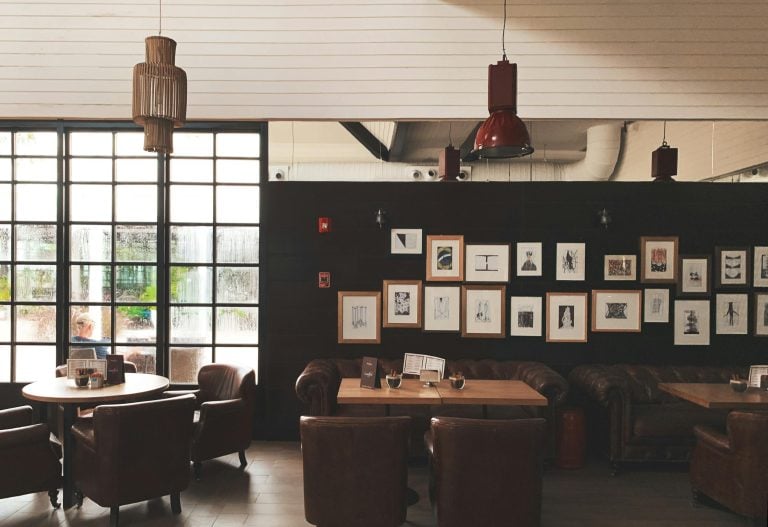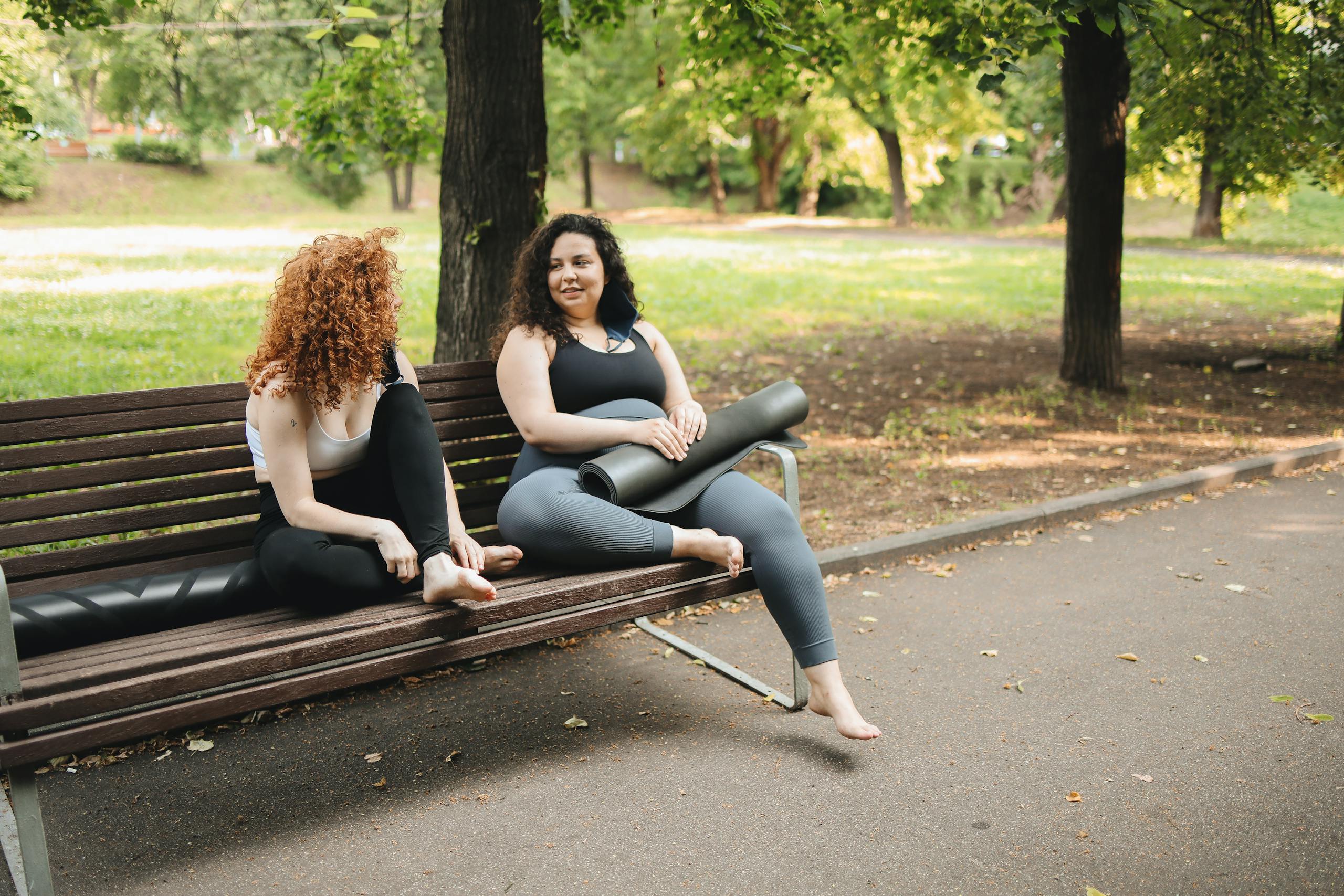

An outdoor woman dating a homebody can absolutely build something lasting and real, but it takes more than compromise. It takes genuine curiosity about how the other person is wired, and the willingness to stop treating difference as deficiency. The friction between someone who recharges in open air and someone who recharges in quiet, familiar spaces is real, but it doesn’t have to be a dealbreaker.
What I’ve come to understand, both through my own marriage and through watching relationships unfold among people I’ve managed and mentored, is that the outdoor-homebody dynamic often gets misread. The adventurous partner assumes the homebody is holding them back. The homebody assumes they’re being dragged somewhere they don’t belong. Neither read is quite right.

If you’re thinking through the broader landscape of how introverts show up in romantic relationships, our Introvert Dating and Attraction hub covers the full range of those patterns, from early attraction through long-term compatibility. This article focuses on one specific pairing that comes up more than most people expect: the woman who lives for the outdoors and the partner who’d genuinely rather stay home.
Why Does This Pairing Happen More Than You’d Expect?
Opposites attract is a cliché because it keeps proving itself true in specific, predictable ways. An outdoor woman who’s energized by movement, nature, and physical challenge often finds something genuinely appealing in a partner who is grounded, calm, and deeply present. The homebody, meanwhile, is often drawn to someone who carries a kind of aliveness that feels expansive rather than exhausting.
What’s your personality type?
Take our free 40-question assessment and get a detailed personality profile with dimension breakdowns, context analysis, and personalised insights.
Discover Your Type8-12 minutes · 40 questions · Free
I saw this dynamic play out in my own agency years. My creative director, one of the most talented people I ever hired, was married to a woman who competed in trail ultramarathons. He was the kind of person who spent weekends reading, cooking elaborate meals, and watching documentaries. She was out at 5 AM logging miles. They’d been together eleven years when I knew them. What struck me was that they weren’t just tolerating each other’s differences. They were genuinely fascinated by them.
He told me once that her energy made him feel like the world was bigger than his apartment. She told him his stillness made her feel like she could actually stop running, metaphorically, when she was with him. That’s not compromise. That’s complementarity.
The pairing works because the two orientations, outward and inward, don’t actually cancel each other out. They can anchor each other. An outdoor woman who dates a homebody often finds that she has more permission to go on solo adventures without guilt, because her partner genuinely doesn’t feel abandoned when she disappears for a weekend hike. The homebody finds that he’s occasionally pulled into experiences he wouldn’t have chosen alone, and sometimes those experiences expand him in ways he didn’t expect.
What Does the Homebody Partner Actually Need?
There’s a persistent misunderstanding about homebodies, and I say this as someone who spent two decades trying to perform a version of myself that didn’t match my actual wiring. A homebody isn’t someone who is afraid of the world. They’re someone who processes the world internally, who finds restoration in familiar environments, and who often has a rich interior life that doesn’t require constant external stimulation to feel full.
What the homebody partner needs most is not to be treated as a project. In my years running agencies, I watched well-meaning extroverted managers try to “fix” their quieter team members by pushing them into social situations they hadn’t asked for. The result was never expanded confidence. It was resentment and withdrawal. The same dynamic plays out in relationships.
An outdoor woman who genuinely loves her homebody partner will eventually need to reckon with a simple truth: his need for quiet, familiar, low-stimulation environments is not a flaw in his character. It’s how he’s built. Healthline’s breakdown of common introvert myths makes this point clearly, noting that introversion is a stable personality trait, not a phase to outgrow or a fear to overcome.
What the homebody needs in this relationship is a partner who respects his recharge rhythms, who doesn’t interpret his preference for staying in as rejection, and who understands that his love for her doesn’t diminish just because he’d rather express it from the couch than from a summit.

Understanding how introverts express love is genuinely important here. The way a homebody shows affection often looks different from what an outdoor woman might expect. He might not be the one planning the grand gesture or the spontaneous road trip, but he notices things. He remembers. He creates comfort. If you want a deeper look at this, how introverts show affection through their love language covers the specific ways quieter partners communicate care, and it’s worth reading before you decide his low-key approach means he’s not invested.
What Does the Outdoor Woman Actually Need?
Outdoor women who are drawn to homebody partners often carry a quiet guilt about their need for adventure. They’ve internalized the idea that wanting to disappear into the wilderness for three days makes them a bad partner, or that their restlessness is somehow unfair to someone who prefers stillness.
That guilt is usually misplaced, and it often creates more problems than the actual difference in preferences does. An outdoor woman who suppresses her need for movement and nature to keep her homebody partner comfortable will eventually become resentful. That resentment rarely stays contained to the specific issue that created it.
What she actually needs is explicit permission, given freely and genuinely, to pursue her outdoor life without it becoming a source of tension. She needs a partner who can say, “Go. Do the thing. I’ll be here when you get back,” and mean it without a layer of martyrdom underneath. She also needs to feel that her partner is curious about her world, even if he doesn’t want to live in it full-time.
I’ve thought about this a lot in the context of how introverts fall in love. There’s a pattern I’ve noticed: when an introvert commits to someone, the attachment tends to run deep and consistent rather than dramatic and visible. Understanding the relationship patterns that emerge when introverts fall in love can help an outdoor woman recognize that her homebody partner’s quiet, steady presence is its own form of devotion, even when it doesn’t look like what she expected love to look like.
She also needs to feel seen in her adventurous identity, not just tolerated. There’s a difference between a partner who says “I’m glad you went on that hike” and one who asks, “What did it feel like when you reached the top?” The homebody who can be genuinely curious about his partner’s experiences, even from a distance, is the one who makes this pairing sustainable.
Where Does This Pairing Actually Break Down?
Every relationship dynamic has its fault lines, and this one is no different. The outdoor woman and homebody pairing tends to fracture in a few specific, predictable places.
The first is the slow accumulation of unspoken expectation. She starts assuming he’ll eventually come around and want to join her on trips. He starts assuming she’ll eventually want to stay home more. Neither assumption gets voiced, and both partners spend months or years waiting for a shift that isn’t coming. By the time the conversation finally happens, there’s frustration on both sides that feels disproportionate to the actual issue.
The second fault line is social life. An outdoor woman often has an active community of friends who share her interests, and group adventures are a normal part of her social world. A homebody partner may feel increasingly peripheral to that world, not because she’s excluding him, but because he keeps opting out. Over time, he can start to feel like a guest in her life rather than a central figure in it.
The third is what I’d call the energy mismatch on return. She comes back from a weekend in the mountains feeling restored and expansive. He’s spent the weekend in exactly the kind of quiet he needed and is equally restored. But her restored state is energetic and social. His restored state is still quiet and internal. She wants to tell him everything. He’s happy to listen, but he doesn’t have the same outward energy to meet her with. That asymmetry, repeated often enough, can feel like disconnection even when both people are actually doing fine.
Conflict in these moments often gets mishandled because both partners are operating from different emotional baselines. The patterns explored in handling disagreements peacefully in sensitive relationships apply here, particularly the insight that conflict timing matters enormously when one partner processes internally and the other externally.

How Do You Build a Rhythm That Actually Works?
The couples I’ve seen make this dynamic work long-term share one thing in common: they stopped trying to meet in the middle and started building a rhythm that honors both orientations without requiring either person to abandon their core needs.
Practically, that looks like a few things.
Scheduled solo adventures. Not as a concession, but as a genuine structural feature of the relationship. The outdoor woman has trips she takes alone or with her outdoor community, and these are planned in advance so neither partner feels ambushed by them. The homebody knows when they’re coming, has his own plans for that time, and isn’t sitting home feeling abandoned.
Occasional shared experiences that are genuinely accessible to both. Not every outdoor activity requires a 14-mile ridge hike. A slow walk through a nature preserve, a picnic in a state park, a morning at a botanical garden, these are experiences that put the outdoor woman in the natural environment she loves while keeping the stimulation level manageable for her homebody partner. success doesn’t mean force him into her world. It’s to find the edges of his comfort zone where genuine enjoyment is still possible.
Reciprocal investment in each other’s home territory. She comes into his world too. She watches the documentary he’s been excited about. She lets him cook the elaborate dinner without suggesting they go out instead. She sits with him in the quiet without filling it. These moments matter because they signal that she values what he values, not just what she values.
This kind of mutual investment is what separates couples who thrive from couples who merely coexist. A PubMed Central study on relationship satisfaction points to responsiveness, the sense that your partner genuinely understands and values your needs, as one of the strongest predictors of long-term relationship quality. That finding holds across personality types and lifestyle differences.
What Does Emotional Intimacy Look Like in This Pairing?
One of the things I’ve noticed in my own marriage, and in the relationships of people I’ve known well, is that emotional intimacy doesn’t require shared activities. It requires shared attention.
An outdoor woman and her homebody partner can build profound emotional closeness even if they spend a significant portion of their leisure time apart, as long as the time they spend together is genuinely present and connected. The danger isn’t the time apart. It’s the emotional distance that can develop when two people stop being curious about each other’s inner worlds.
For the homebody partner, emotional intimacy often develops through conversation, through quiet shared time, through the kind of deep one-on-one connection that doesn’t require a backdrop of activity. Psychology Today’s exploration of romantic introversion describes how introverted partners often express love through focused, undivided attention rather than grand gestures or constant togetherness, and that quality of attention can be extraordinarily meaningful when an outdoor woman learns to receive it on its own terms.
For the outdoor woman, intimacy may be more embodied and experiential. She might feel closest to her partner during a shared walk, or while recounting a story about her latest trail, or in the physical comfort of coming home to someone who’s genuinely glad she’s back. Learning to recognize these as valid forms of connection, even when they don’t look like the deep conversations her homebody partner prefers, is part of what makes this pairing work.
The emotional landscape of introvert relationships has some specific patterns worth understanding. How introverts experience and express love feelings gets into the nuance of why quieter partners may take longer to verbalize what they’re feeling, and why that delay shouldn’t be mistaken for absence of feeling.

What Happens When Both Partners Are Introverted?
It’s worth noting that outdoor women aren’t always extroverts. Some of the most dedicated hikers, climbers, and wilderness enthusiasts I’ve encountered are deeply introverted people who find nature restorative precisely because it offers solitude and sensory richness without social demand. So the outdoor woman and homebody pairing doesn’t always map neatly onto extrovert-introvert.
Sometimes both partners are introverted, and the difference is simply in what kind of environment they find restorative. She finds restoration in physical movement through natural landscapes. He finds it in the controlled, familiar environment of home. Both are seeking the same thing, quiet, reduced social demand, sensory input they can control, through different channels.
When two introverts are in this dynamic, the communication challenges are often different. There’s less conflict about social calendars and more potential for parallel loneliness, two people who are comfortable in solitude but not always comfortable being emotionally vulnerable with each other. The patterns that emerge when two introverts fall in love include a particular tendency toward assuming the other person is fine because they seem fine, when in reality both partners may be quietly craving more connection than either is initiating.
In my years managing creative teams, I often worked with pairs of introverted collaborators who produced exceptional work together but rarely talked about how the collaboration was actually going. They’d both assume the other was satisfied, and small frustrations would compound silently until they surfaced as something much larger. Relationships follow the same pattern.
Is High Sensitivity a Factor in This Dynamic?
Highly sensitive people show up in both categories here. A homebody who is also highly sensitive may find that outdoor environments feel genuinely overwhelming rather than simply unappealing. Bright light, unpredictable terrain, physical discomfort, and the social demands of group hikes can combine into a sensory experience that’s genuinely taxing rather than just unfamiliar.
An outdoor woman who understands this distinction, who recognizes that her partner’s reluctance isn’t laziness or lack of interest in her world, but a genuine sensitivity to environmental stimulation, will approach the dynamic with more patience and creativity. The complete dating guide for HSP relationships covers how high sensitivity shapes relationship needs in ways that go beyond simple introversion, and it’s worth reading if your homebody partner seems to have strong reactions to sensory environments.
Conversely, some outdoor women are themselves highly sensitive, drawn to nature precisely because it offers a kind of sensory experience they can control and that feels nourishing rather than overwhelming. For these women, the natural world is actually a regulation strategy, a way of managing a nervous system that finds crowded, loud, artificial environments depleting. Understanding this about herself can help her communicate her outdoor needs to her partner in terms that go beyond preference and get at something more fundamental.
Research on sensory processing sensitivity published in PubMed Central suggests that highly sensitive individuals process environmental and emotional stimuli more deeply than average, which helps explain why the same environment can feel restorative to one person and exhausting to another.
What Does Long-Term Success Actually Require?
After twenty years in advertising, I learned something about sustainable partnerships that applies equally to business and to relationships: the arrangements that last are the ones where both parties feel genuinely valued for what they bring, not just tolerated for what they are.
An outdoor woman who dates a homebody long-term needs to feel that her adventurous spirit is celebrated rather than accommodated. And the homebody needs to feel that his preference for depth, quiet, and home is respected rather than treated as a limitation to work around.
As an INTJ, I’ve always been drawn to systems that work elegantly over time rather than requiring constant maintenance. The most functional version of this pairing operates the same way. It’s not held together by ongoing negotiation and compromise. It’s built on a foundation of genuine appreciation for difference, clear communication about needs, and enough structural flexibility that neither person feels perpetually constrained.
One of the most useful things I’ve seen couples in this dynamic do is establish what I’d call anchor rituals, small, consistent practices that belong to both of them regardless of their differences. Sunday morning coffee before she heads out for her trail run. A shared meal every evening where phones stay in another room. A weekly check-in that’s explicitly about the relationship rather than logistics. These rituals don’t require either person to be different. They just require both people to show up.
Psychology Today’s guide on dating an introvert emphasizes the importance of consistency and predictability in how introverts experience relationship security, which speaks directly to why these anchor rituals matter more than grand gestures in this kind of pairing.
Long-term success also requires both partners to resist the cultural narrative that one of them is doing it wrong. The outdoor woman isn’t too much. The homebody isn’t too little. They’re just oriented differently, and orientation isn’t a character flaw.
There’s a broader conversation about introvert relationships worth having beyond this specific dynamic. Our Introvert Dating and Attraction hub pulls together everything we’ve written on this topic, from early-stage attraction through the long arc of committed partnership, and it’s a good place to keep exploring if this article raised questions you want to think through further.
About the Author
Keith Lacy is an introvert who’s learned to embrace his true self later in life. After 20 years in advertising and marketing leadership, including running agencies and managing Fortune 500 accounts, Keith now channels his experience into helping fellow introverts understand their strengths and build fulfilling careers. As an INTJ, he brings analytical depth and authentic perspective to every article, drawing from both professional expertise and personal growth.
Frequently Asked Questions
Can an outdoor woman and a homebody really build a lasting relationship?
Yes, and many do. The pairing works when both partners stop treating their differences as problems to solve and start treating them as features of the relationship that require thoughtful structure. The outdoor woman needs genuine freedom to pursue her adventures without guilt, and the homebody needs genuine respect for his preference for quiet, familiar environments. When both needs are honored explicitly rather than negotiated around, the relationship tends to be more stable than many same-orientation pairings.
How do you handle the guilt of leaving a homebody partner home alone?
The guilt usually comes from an assumption that the homebody is suffering in your absence. Most of the time, that assumption is wrong. A genuine homebody finds restoration in solitude and familiar surroundings, so your absence on a hiking weekend may actually give him exactly what he needs. The most effective approach is to have an explicit conversation about this rather than projecting. Ask him directly how he feels when you’re away. His answer may surprise you, and it will almost certainly reduce the guilt more effectively than any internal reassurance you give yourself.
What if the homebody partner never wants to try outdoor activities?
It’s worth distinguishing between “never wants to try” and “needs a different kind of outdoor experience.” Many homebody partners are willing to engage with nature in low-stimulation, low-demand ways: a slow walk through a park, a picnic, a drive through a scenic area. These aren’t compromises. They’re genuine points of overlap. If a partner truly has no interest in any shared experience that connects to her outdoor world, the more important question is whether he’s curious about her experience of it, even if he doesn’t share it. Curiosity is the bridge when shared activity isn’t possible.
How does introversion factor into the homebody’s behavior in this relationship?
Introversion and homebody tendencies often overlap but aren’t identical. An introverted homebody recharges through solitude and low-stimulation environments, which means his preference for staying home isn’t avoidance or fear. It’s a genuine energy management strategy. Understanding this distinction helps an outdoor partner respond to his needs with curiosity rather than frustration. His need for quiet time at home is as legitimate as her need for movement in open air. Both are forms of self-regulation, just pointed in different directions.
What are the most common mistakes couples in this dynamic make?
The most common mistake is unspoken expectation: she assumes he’ll eventually want to join her adventures, and he assumes she’ll eventually want to stay home more. Neither assumption gets voiced, and both partners spend months waiting for a change that isn’t coming. The second most common mistake is treating the difference as a hierarchy, where one person’s preferences are treated as more valid or more evolved than the other’s. The outdoor life isn’t more virtuous than the home life, and the home life isn’t more mature than the outdoor life. They’re just different, and the relationship needs both partners to hold that truth consistently.