
Overstimulation and social anxiety often feel like the same storm, but they start from different places. Overstimulation is a nervous system response to too much sensory or emotional input. Social anxiety is a fear-based response to perceived judgment or threat in social situations. For many introverts and highly sensitive people, the two conditions overlap so frequently that they become nearly impossible to separate in the moment.
My mind has always processed the world in layers. A conversation isn’t just words. It’s tone, subtext, facial micro-expressions, the energy in the room, the unspoken tension between two people across the table. By the time most people have registered what was said, I’ve already processed four other things that weren’t. That depth of processing is genuinely useful in some contexts. In others, it turns a simple networking event into something that feels like standing in a wind tunnel with no coat.
Running advertising agencies for two decades meant I spent a significant portion of my professional life in exactly the kinds of environments that strain introverted nervous systems. Loud creative departments. Client presentations with fifteen stakeholders in a glass-walled conference room. Agency pitches where the energy was deliberately ramped up to signal enthusiasm. I learned a great deal about how overstimulation and social anxiety interact, mostly by experiencing both simultaneously and trying to figure out which one was actually running the show.
If you’ve ever wondered why a social situation leaves you feeling both anxious and exhausted in ways that don’t quite match how tired the activity should have made you, you’re dealing with something worth understanding. The distinction matters because the solutions are different, and conflating the two can keep you spinning without making real progress on either.
Our Energy Management and Social Battery hub covers the broader landscape of how introverts and sensitive people manage their social reserves. This article focuses specifically on the intersection where overstimulation tips into anxiety, and what you can actually do when you find yourself there.

What Is Actually Happening When You Feel Overstimulated in Social Situations?
Overstimulation is not a character flaw or a weakness. It’s a measurable difference in how the nervous system processes incoming information. Some people’s brains filter aggressively, letting only the loudest signals through. Others process more of what’s coming in, more deeply, and with greater emotional and sensory detail. Neither approach is superior in every context, but the second one carries a real cost in high-stimulation environments.
What’s your personality type?
Take our free 40-question assessment and get a detailed personality profile with dimension breakdowns, context analysis, and personalised insights.
Discover Your Type8-12 minutes · 40 questions · Free
The trait researchers call Sensory Processing Sensitivity describes this deeper processing tendency. People with this trait, often called Highly Sensitive People or HSPs, notice more, feel more, and process longer after the fact. Crucially, this is an innate temperament trait, not a disorder. It’s not something you developed because of bad experiences, and it’s not something you can simply decide to stop having. What you can develop are better strategies for managing the environments and situations that trigger overload.
Worth noting: HSP and introversion are related but distinct. Introversion describes where you direct your attention and how you recharge. Sensory Processing Sensitivity describes the depth of your nervous system’s processing. About 30 percent of people with high sensitivity are actually extroverts, which means they crave social connection while simultaneously getting overstimulated more easily than their less-sensitive peers. The overlap between the two traits is real, but they’re not the same thing.
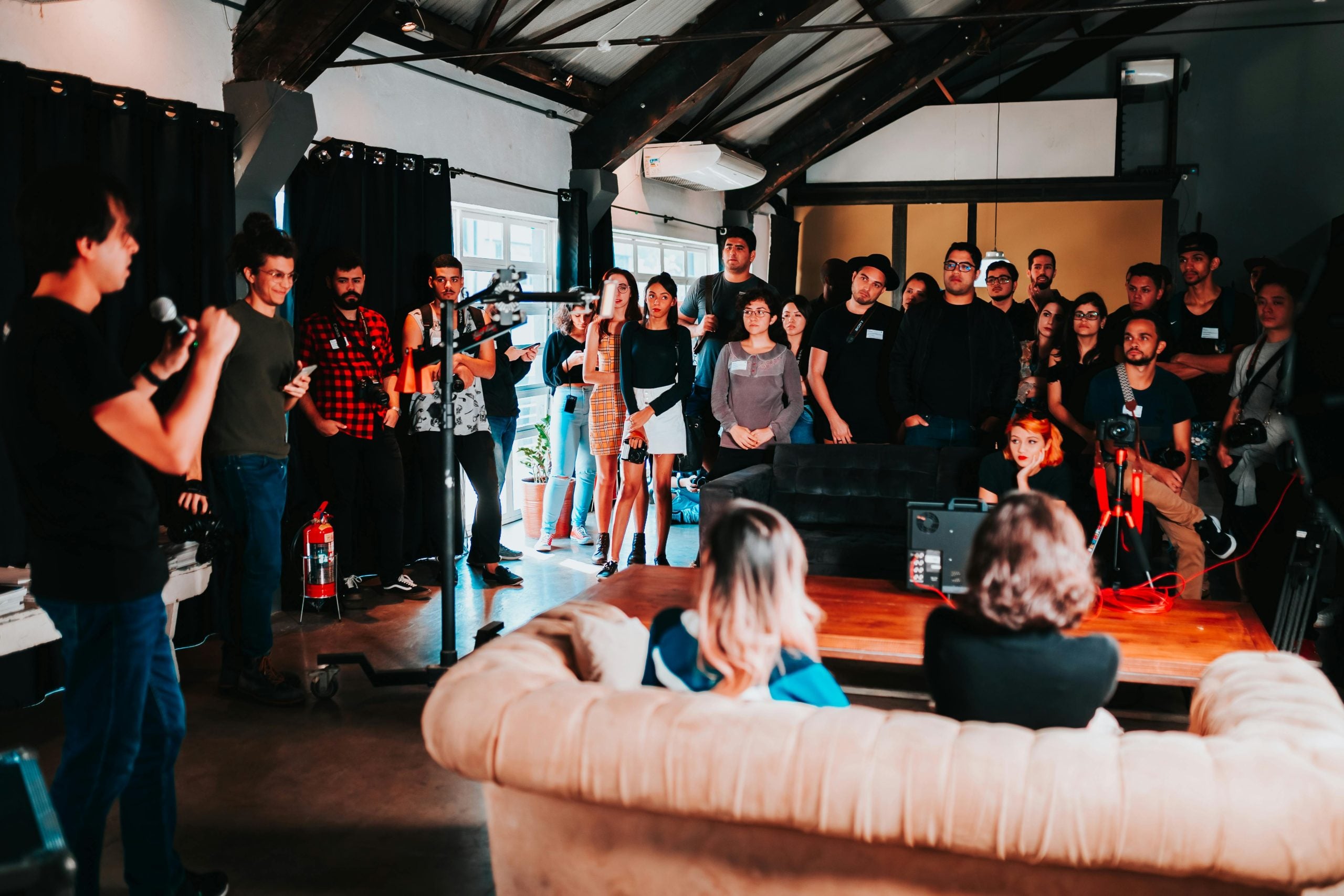
Social situations add a specific layer to overstimulation because they combine multiple sensory inputs simultaneously. There’s the noise, the light, the physical proximity of other bodies, the emotional weight of reading people’s faces and moods, and the cognitive load of conversation itself. Each of those channels demands processing bandwidth. When you’re already running close to capacity on sensory input, the social demands that layer on top can push you past your threshold quickly.
I remember a particular pitch meeting early in my agency career. We were presenting to a Fortune 500 consumer goods brand, about twelve people in the room, fluorescent lighting, a projector humming loudly, and two competing conversations happening simultaneously before the meeting even officially started. By the time I stood up to present, I wasn’t nervous in the traditional sense. I was already at the edge of my capacity from the environment alone. The social performance layer on top of that felt crushing in a way that pure nervousness wouldn’t have explained.
How Does Overstimulation Become Social Anxiety?
The pathway from overstimulation to social anxiety is more direct than most people realize, and it often runs through a process of learned association.
When your nervous system is pushed past its comfortable threshold in a social setting, the physical sensations that follow, racing heart, shallow breathing, difficulty concentrating, heightened self-consciousness, are identical to the symptoms of anxiety. Your brain doesn’t always distinguish between “I am overstimulated by the sensory environment” and “I am in social danger.” Both produce the same alarm signals. Over time, if this happens repeatedly in social contexts, your brain can begin to anticipate the alarm before the situation even reaches its peak. That anticipatory response is the beginning of social anxiety.
There’s also a cognitive loop that develops. Overstimulation impairs your ability to think clearly, retrieve words quickly, and regulate your emotional responses in real time. When that happens in a social setting, you notice yourself performing below your own standards. You stumble over a sentence. You miss a social cue you’d normally catch. You go quiet when you meant to contribute. And because you’re a deep processor, you notice this happening, and you notice other people potentially noticing, and the self-monitoring layer of your brain kicks into overdrive. That’s when overstimulation and social anxiety become genuinely entangled.
The Psychology Today piece on why socializing drains introverts touches on the neurological differences in how introverted and extroverted brains respond to social stimulation. The dopamine pathways work differently. What registers as energizing for one type of nervous system registers as depleting for another. That’s not metaphorical. It’s biochemistry.

Why Sensitive People Feel This Intersection More Intensely
If you identify as highly sensitive, the overstimulation-to-anxiety pipeline tends to be shorter and more reactive. That’s not because you’re weaker or more fragile. It’s because your nervous system is doing more work per unit of experience. You’re processing more data from the same room than someone without high sensitivity, which means you reach capacity faster and recover more slowly.
Managing the sensory environment strategically becomes genuinely important, not as a luxury, but as a functional necessity. Understanding how to protect your energy reserves before social situations is part of what makes the difference between showing up as your best self and barely surviving the event. The guidance in HSP energy management: protecting your reserves is directly relevant here because the depletion that happens before a social event shapes how much capacity you have left when the social demands actually begin.
Noise is often the first environmental factor to tip sensitive people toward overload. Open-plan offices, crowded restaurants, networking events in loud venues, all of these create a baseline sensory load before any social interaction has even occurred. The strategies in HSP noise sensitivity: effective coping strategies are worth having in your toolkit specifically because reducing that baseline load gives you more bandwidth for the social demands that matter.
Light sensitivity compounds the problem in ways that often go unrecognized. Fluorescent lighting, bright screens, harsh overhead lights in conference rooms, these aren’t just aesthetic annoyances. For sensitive nervous systems, they’re a continuous low-level stressor that chips away at your capacity throughout the day. What I’ve found useful in managing this, and what’s covered in detail in HSP light sensitivity: protection and management, is treating your visual environment as something you actually have agency over, not just something that happens to you.
Physical touch and proximity add yet another layer. Crowded spaces where bodies are close, handshakes, the general physical contact that comes with social events, all of this registers more strongly in a sensitive nervous system. The tactile dimension of social situations is one of the least-discussed aspects of overstimulation, and it’s worth understanding through the lens of HSP touch sensitivity: understanding tactile responses, particularly if you’ve ever noticed that crowded spaces drain you in ways that quieter social settings don’t.
The American Psychological Association’s work on differential susceptibility offers an important reframe here. Sensitive people aren’t uniformly disadvantaged. In supportive, well-matched environments, people with high sensitivity often outperform their less-sensitive peers. The nervous system that gets overwhelmed in a loud, chaotic environment is the same nervous system that picks up on subtle dynamics, builds genuine rapport, and processes complex situations with unusual depth. The trait is context-dependent, not inherently limiting.
What Does the Anxiety Layer Actually Feel Like, and How Do You Identify It?
One of the more disorienting aspects of this overlap is that overstimulation and social anxiety produce similar physical symptoms but have meaningfully different internal textures, and learning to distinguish them in the moment is genuinely useful.
Overstimulation tends to feel like fullness or saturation. There’s a sense of too much coming in, a mental noise that makes it hard to focus, a physical heaviness that builds gradually. You might feel irritable, foggy, or unusually sensitive to small things. Your capacity for patience shrinks. Your ability to filter what you say before you say it decreases. The experience is more about volume than threat.
Social anxiety has a different quality. It’s forward-facing and evaluative. There’s a sense of being watched, assessed, or found wanting. The internal monologue focuses on performance and judgment, on what you said wrong, on what the other person thinks, on whether you’re coming across as awkward or strange or too quiet. The physical sensations are similar to overstimulation, but the cognitive content is specifically about social threat.
When both are present simultaneously, the anxiety tends to amplify the overstimulation and vice versa. The more anxious you are about how you’re coming across, the more you monitor yourself, and self-monitoring is cognitively expensive. That additional load pushes you further into sensory overload. The overload then impairs your social performance, which feeds the anxiety. It’s a genuinely vicious cycle, and recognizing when you’re in it is the first step toward interrupting it.
I watched this cycle play out in a team member during my agency years. She was brilliant, perceptive, and one of the most effective strategists I’d ever worked with. But in large client meetings, she would almost visibly shut down. What I eventually understood, after many conversations, was that she wasn’t struggling with the content or the relationships. She was hitting sensory and social overload simultaneously, and the two were feeding each other in real time. Once we restructured how she participated in those meetings, her contribution became far more visible. The capability had always been there. The environment had been working against it.
Why Introverts Drain Faster in Social Settings Than People Realize
There’s a popular misconception that introverts simply prefer to be alone, as if it’s a personality quirk or a preference for quiet. The reality is more physiological than that. The introvert nervous system processes social stimulation differently, and the depletion that follows isn’t just tiredness. It’s a genuine recovery need.
The piece at Truity on why introverts need their downtime explains some of the neurological underpinnings here. The short version is that introverted brains tend to have higher baseline arousal, which means social stimulation pushes them past their optimal zone more quickly than it does for extroverts. Recovery isn’t laziness or avoidance. It’s the nervous system doing necessary maintenance work.
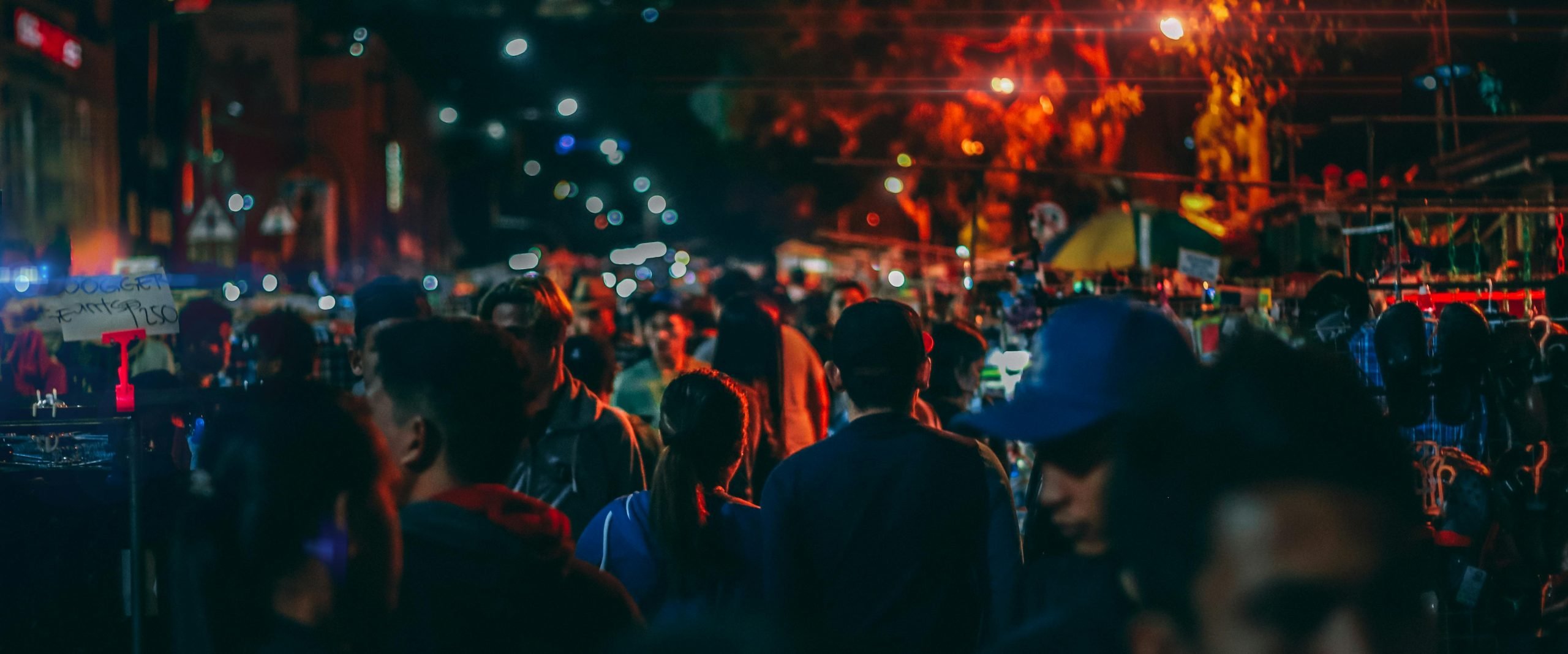
What this means practically is that an introvert arriving at a social event already depleted is in a fundamentally different position than one who arrives with reserves intact. The same event, with the same people, at the same noise level, can feel completely manageable in one state and genuinely overwhelming in another. This is why understanding how quickly an introvert gets drained matters so much for planning and self-management. It’s not about whether you can handle social situations. It’s about what condition you’re in when you enter them.
In my agency years, I eventually developed what I privately called a pre-event protocol. Before any major client meeting or high-stakes social situation, I’d build in at least thirty minutes of genuine quiet beforehand. No phone, no email, no ambient office noise. Just space to let my nervous system settle to its baseline. It made a measurable difference in how I showed up, and it had nothing to do with whether I was anxious about the meeting. It was purely about arriving with capacity rather than already in deficit.
Cornell’s research on brain chemistry and extroversion offers useful context for understanding why the same social environment affects different nervous systems so differently. The dopamine response to stimulation varies across personality types in ways that are neurochemical, not just attitudinal. Knowing this helped me stop framing my own depletion as a personal failing and start treating it as information about what my system needs.
What Helps When Overstimulation and Anxiety Are Both Active?
Managing the intersection of overstimulation and social anxiety requires addressing both simultaneously, because treating only one while the other continues to feed it tends to produce limited results.
On the overstimulation side, the most effective interventions are environmental and preemptive. Reducing sensory load before it peaks is far easier than recovering from full overload. That means being strategic about which environments you enter, where you position yourself within them, how long you stay, and what kind of recovery you build in afterward. Finding the right balance of HSP stimulation isn’t about avoiding all stimulation. It’s about calibrating your exposure to match your current capacity and building in the recovery time that keeps your baseline from creeping upward over time.
Grounding techniques are particularly useful when overstimulation is already active during a social situation. The physical grounding approaches outlined at Healthline’s guide to grounding techniques work by redirecting the nervous system’s attention from the overwhelming flood of incoming stimuli to specific, concrete physical sensations. Pressing your feet into the floor, noticing the texture of what you’re touching, focusing on a single point in the room, these aren’t just anxiety management tools. They’re genuine circuit breakers for an overstimulated nervous system.
On the anxiety side, the most useful reframe I’ve found is separating the social threat from the sensory load. When I’m in a high-stimulation environment and I notice my performance degrading, the anxious interpretation is “I’m failing socially.” The more accurate interpretation is often “my system is at capacity and I need to reduce the load, not perform better under it.” Those two interpretations lead to completely different responses. The first leads to increased self-monitoring, which makes things worse. The second leads to practical adjustments, stepping outside briefly, finding a quieter corner, shortening the interaction, that actually address the root cause.
There’s also real value in the preparation work that happens before social events. Not rehearsing conversations or scripting interactions, but doing the energy management work that ensures you arrive with capacity. Sleep, nutrition, physical movement, and the deliberate reduction of sensory load in the hours before a high-demand social situation all contribute to how much bandwidth you have available when it matters. This isn’t overthinking. It’s treating your nervous system as the precision instrument it actually is.
When Does This Pattern Become Something to Address More Seriously?
There’s a meaningful difference between managing a sensitive nervous system strategically and avoiding life because social situations feel too threatening. Both can look like the same behavior from the outside, but the internal experience and the long-term consequences are quite different.
Strategic management looks like making informed choices about which environments to enter, how long to stay, and how to recover afterward. It involves some limitation, but it’s in service of showing up well in the situations that matter most. The goal is calibration, not avoidance.
Avoidance driven by anxiety looks like declining opportunities because the anticipatory dread is too uncomfortable, withdrawing from relationships because the social demands feel unmanageable, or organizing your life around minimizing any situation that might trigger the anxiety-overstimulation cycle. Over time, avoidance tends to strengthen anxiety rather than reduce it, because the feared situation never gets the chance to be experienced as survivable.
The relationship between sensitivity and anxiety is worth understanding clearly. High sensitivity is an innate temperament trait. Anxiety is a clinical condition. Not all sensitive people develop anxiety, and not all anxious people are highly sensitive. The two can coexist and influence each other, but they’re not the same thing. The Healthline piece on sensitivity and anxiety addresses some of the ways these experiences overlap and where they diverge.
If you find that the overstimulation-anxiety cycle is consistently limiting your life in ways that feel outside your control, working with a therapist who understands both sensory sensitivity and anxiety is genuinely useful. Cognitive behavioral approaches can help interrupt the learned association between social situations and the anticipatory alarm response. Somatic approaches can help with the physical regulation piece. Neither replaces the environmental and lifestyle adjustments that address the overstimulation directly, but they can make those adjustments more effective by reducing the anxiety layer that amplifies everything else.
There’s also something to be said for the relief that comes from simply understanding what’s happening. Many people spend years interpreting their overstimulation-driven social struggles as evidence that something is fundamentally wrong with them. The realization that their nervous system is working as designed, just with different parameters than the dominant culture assumes, can shift the entire frame. You’re not broken. You’re calibrated differently, and that calibration has real costs in certain environments and real advantages in others.
Building a Personal Framework That Actually Works
What I’ve found most useful, both personally and in watching others manage this intersection effectively, is developing a personal framework rather than trying to apply generic advice. The reason generic advice often fails is that the specifics of what triggers overstimulation, how quickly anxiety follows, and what recovery actually looks like are genuinely individual. Two introverts with high sensitivity can have completely different profiles in terms of which sensory inputs are most depleting, how long recovery takes, and which social contexts are most challenging.
Building your own framework starts with honest observation. Which specific environments consistently push you toward overload? Is it primarily noise, light, physical crowding, emotional intensity, or some combination? How much lead time do you need before a high-demand social situation to arrive with reasonable reserves? How long does recovery take afterward, and what does effective recovery actually look like for you specifically?
The second component is identifying your early warning signals. Most people have a predictable sequence that leads from manageable stimulation to full overload. There are usually clear signs at the earlier stages, increased irritability, difficulty concentrating, heightened sensitivity to small things, a desire to escape, that appear before the system is actually overwhelmed. Learning to recognize these signals early gives you the option to intervene before the cycle escalates.
The third component is having concrete, pre-decided responses for each stage. When I notice the early signals in a social situation, I have a small set of specific actions I take: finding a quieter physical location within the venue, stepping outside briefly, reducing the number of simultaneous conversations I’m tracking, or simply giving myself permission to contribute less for a period. These aren’t improvised in the moment. They’re decided in advance, which means I can execute them even when my capacity is already compromised.
The research on temperament and stress reactivity supports the idea that individual differences in nervous system sensitivity are stable and meaningful, not random variation. Working with your specific profile rather than against it isn’t accommodation of weakness. It’s intelligent adaptation to your actual operating parameters.
Late in my agency career, I became considerably more direct with clients and colleagues about my working style. Not in terms of explaining my introversion or sensitivity in detail, but in terms of the practical parameters that allowed me to do my best work. I stopped scheduling important creative reviews in loud, open spaces. I built in transition time between high-stimulation meetings. I stopped treating my need for recovery as something to hide or apologize for. The quality of my work improved measurably, and perhaps more importantly, I stopped arriving home every evening feeling like I’d been scraped hollow.
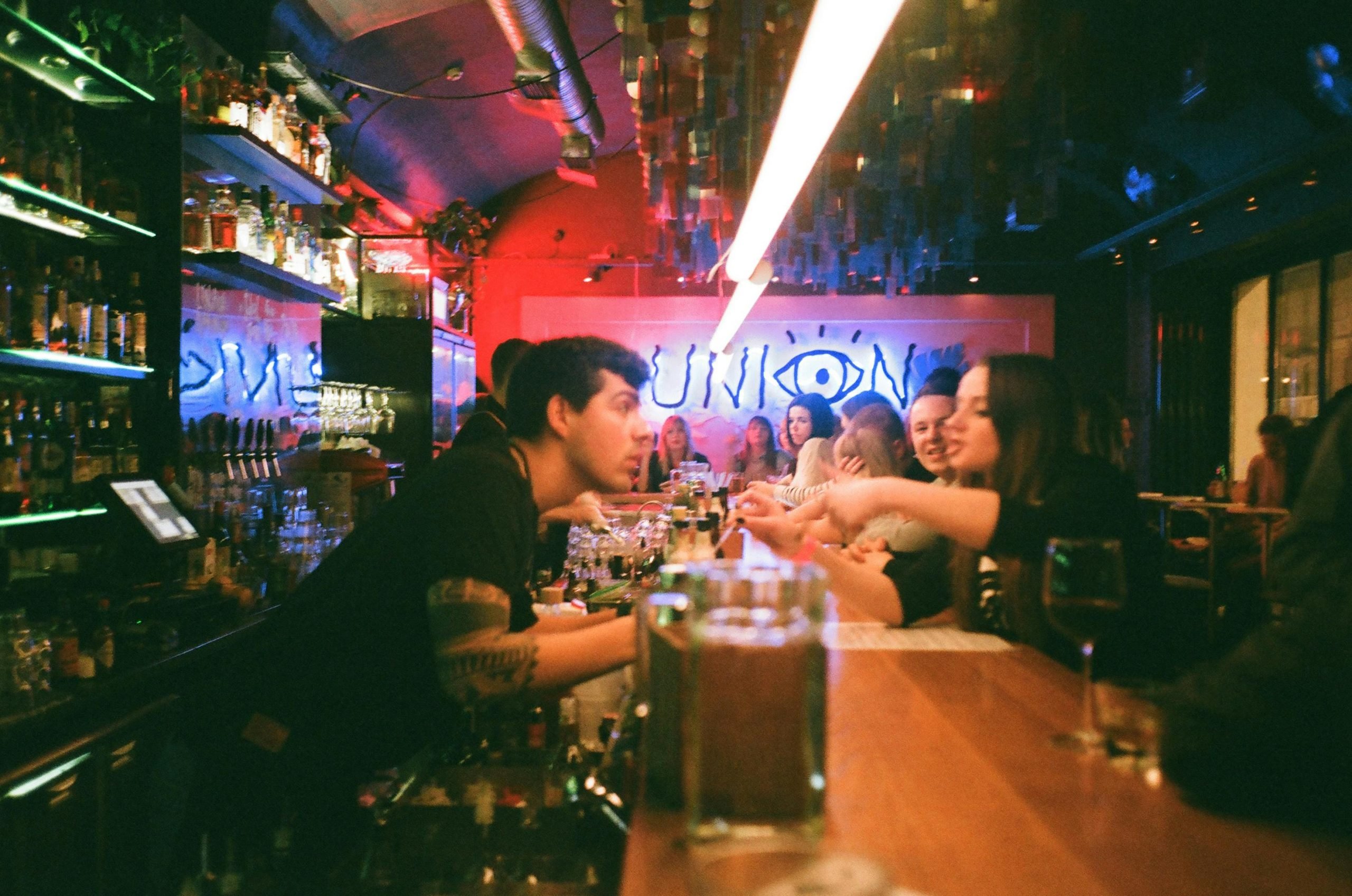
The broader research on sensory processing and emotional regulation makes clear that the relationship between environmental stimulation and emotional response is bidirectional. Managing your sensory environment isn’t just about comfort. It’s about maintaining the regulatory capacity that allows you to function well socially, professionally, and personally. The two are not separate concerns.
There’s more on the full spectrum of how introverts and sensitive people manage their energy across different contexts in the Energy Management and Social Battery hub, including articles that address specific situations and recovery strategies in more depth.
About the Author
Keith Lacy is an introvert who’s learned to embrace his true self later in life. After 20 years in advertising and marketing leadership, including running agencies and managing Fortune 500 accounts, Keith now channels his experience into helping fellow introverts understand their strengths and build fulfilling careers. As an INTJ, he brings analytical depth and authentic perspective to every article, drawing from both professional expertise and personal growth.
Frequently Asked Questions
Is overstimulation the same thing as social anxiety?
No, though the two frequently occur together and can reinforce each other. Overstimulation is a nervous system response to excessive sensory or emotional input, and it’s rooted in how your nervous system processes information. Social anxiety is a fear-based response involving anticipation of negative judgment or social threat. They produce similar physical symptoms, which is why they’re easy to confuse, but they have different origins and respond to somewhat different interventions. Many introverts and highly sensitive people experience both simultaneously, particularly in high-stimulation social environments.
Can you be highly sensitive without being an introvert?
Yes. Sensory Processing Sensitivity and introversion are related but distinct traits. Introversion describes how you direct your attention and where you draw energy, preferring internal reflection over constant external stimulation. High sensitivity describes the depth at which your nervous system processes all incoming information. Approximately 30 percent of people with high sensitivity are extroverts. They crave social connection and external engagement, yet their nervous systems still process stimulation more deeply and can reach overload more quickly than less-sensitive people. The two traits overlap significantly but are not interchangeable.
Why does overstimulation get worse in social situations specifically?
Social situations layer multiple sensory and cognitive demands simultaneously. There’s the physical environment, noise, light, crowding, and then the social performance demands on top of that, reading facial expressions, tracking conversation, managing your own responses, monitoring how you’re coming across. Each of these channels requires processing bandwidth. When you’re already near your sensory threshold from the environment, the additional cognitive and emotional load of social interaction can push you past your capacity quickly. The social context also adds an anxiety component for many people, which itself consumes cognitive resources and amplifies the overload experience.
What’s the most effective way to recover from social overstimulation?
Recovery from social overstimulation is most effective when it genuinely reduces sensory input rather than simply changing the type of stimulation. Scrolling a phone in a quiet room, for example, is not the same as sitting in genuine quiet. Effective recovery typically involves low-stimulation environments, minimal demands on your attention, and enough time for your nervous system to return to its baseline. The specific duration and form of recovery varies considerably between individuals. Some people recover significantly in thirty minutes. Others need several hours. Tracking your own patterns over time is more useful than following generic advice about recovery timelines.
When should overstimulation and social anxiety be addressed with professional support?
Professional support is worth considering when the overstimulation-anxiety cycle is consistently limiting your life in ways that feel outside your control, when avoidance of social situations is expanding rather than remaining stable, or when the anticipatory anxiety around social events is causing significant distress before they even occur. A therapist familiar with both sensory sensitivity and anxiety can help address the learned associations that amplify the cycle, while also supporting the development of practical coping strategies. High sensitivity itself is not a clinical condition and doesn’t require treatment, but when anxiety develops alongside it, that combination responds well to appropriate therapeutic support.