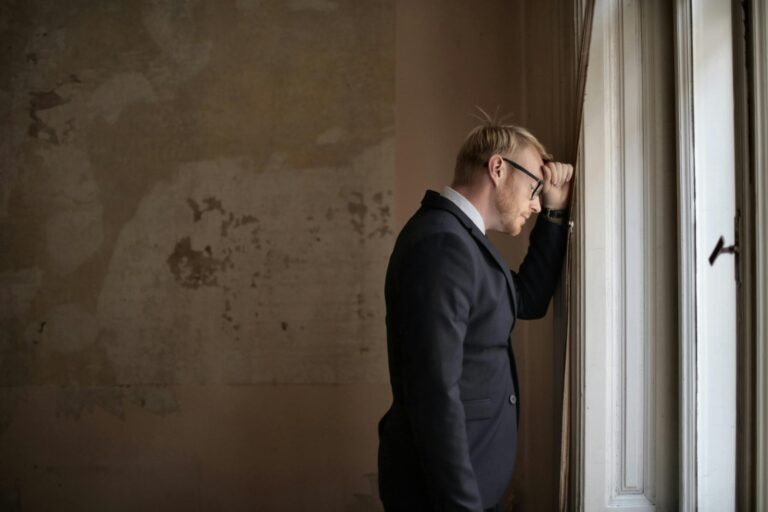

Pathological shyness, as defined by Professor Philip Zimbardo and later expanded by researchers including Professor Brian King, describes a level of social fear so intense it begins to interfere with daily functioning, relationships, and quality of life. Unlike ordinary shyness or introversion, pathological shyness isn’t a preference for quiet or a need for solitude. It’s a painful, involuntary response that can leave someone feeling trapped in their own skin.
Most people who identify as introverts aren’t experiencing pathological shyness. But the confusion between the two is widespread, and that confusion carries real consequences for how people understand themselves and the support they seek.
If you’ve ever wondered whether your discomfort in social situations is simply who you are or something that deserves more attention, this article is worth reading slowly.
The broader conversation about personality and social behavior spans a wide spectrum. Our Introversion vs Other Traits hub explores how introversion relates to shyness, anxiety, and the many personality dimensions that often get lumped together. Pathological shyness sits at one edge of that spectrum, and understanding where it begins helps clarify what introversion actually is.

What Did Professor King Actually Say About Pathological Shyness?
Professor Brian King is a psychologist, author, and speaker who has written and lectured extensively on happiness, stress, and human behavior. His work on shyness draws a clear line between shyness as a common social experience and shyness that has crossed into something clinically significant. He argues that the label “shy” is often applied too broadly, which both minimizes genuine suffering and creates unnecessary shame for people who are simply introverted.
What’s your personality type?
Take our free 40-question assessment and get a detailed personality profile with dimension breakdowns, context analysis, and personalised insights.
Discover Your Type8-12 minutes · 40 questions · Free
King’s framework, shaped by decades of psychological research, positions pathological shyness as a condition where the fear of negative social evaluation becomes so dominant that it overrides a person’s ability to act in their own interest. Someone might desperately want to speak up in a meeting, ask someone on a date, or even order food at a restaurant, but the fear locks them in place. The desire is there. The capacity, in that moment, feels completely inaccessible.
That distinction matters enormously. An introvert who prefers not to attend a party isn’t struggling with pathological shyness. They’re honoring a genuine preference. Someone who wants to attend but can’t bring themselves to walk through the door because the anxiety is overwhelming, that’s a different experience entirely.
I spent years in advertising, managing teams, presenting to boardrooms, and pitching Fortune 500 clients. From the outside, I looked like someone who thrived in social environments. Inside, I was running constant calculations about every interaction, every word, every impression I might be leaving. At the time, I assumed that was just what leadership felt like. It took me years to understand the difference between the productive self-awareness of an INTJ and the kind of social fear that actually holds people back from what they want.
How Does Pathological Shyness Differ From Introversion?
Introversion is about energy, not fear. An introvert recharges through solitude and finds extended social interaction draining. That’s a neurological and temperamental reality, not a problem to be fixed. Shyness, even ordinary shyness, involves some degree of discomfort or nervousness in social situations. Pathological shyness takes that discomfort and amplifies it to the point where it becomes a barrier to living the life a person actually wants.
Plenty of extroverts experience shyness. Plenty of introverts never do. The two traits operate on entirely separate axes, which is why understanding what it actually means to be extroverted is so useful. Extroversion describes a preference for external stimulation and social engagement, not an absence of fear or anxiety. An extrovert can be deeply shy. An introvert can be completely comfortable in social settings, simply preferring to limit how long they stay.
Professor King’s work emphasizes this distinction because conflating shyness with introversion creates two problems. First, it pathologizes introverts who are functioning well and simply have different social preferences. Second, it normalizes genuine social anxiety under the umbrella of “just being shy,” which can prevent people from seeking help that would genuinely improve their lives.
One of the most useful ways to start sorting this out is to ask a simple question: Am I avoiding this situation because I prefer not to engage, or because I want to engage but feel unable to? The first is introversion at work. The second may be something worth exploring further.

Where Does Social Anxiety Fit Into This Picture?
Social anxiety disorder is the clinical diagnosis most closely related to what King and others describe as pathological shyness. According to the research published in PubMed Central, social anxiety disorder is one of the most common anxiety disorders, characterized by intense fear of social situations where one might be scrutinized, embarrassed, or humiliated. The fear is persistent, disproportionate to the actual situation, and significantly impacts daily life.
Pathological shyness, as King frames it, occupies similar territory. It may or may not meet the full clinical threshold for social anxiety disorder, but it shares the core feature: the fear of social evaluation is powerful enough to limit a person’s choices and wellbeing. Some researchers treat pathological shyness as a precursor to social anxiety disorder. Others see it as a milder expression of the same underlying experience.
What’s important for introverts to understand is that neither pathological shyness nor social anxiety disorder is a personality type. They’re conditions that can affect anyone across the personality spectrum. An introvert can have social anxiety. An extrovert can have social anxiety. Treating social anxiety as “just being introverted” is one of the most common and damaging misunderstandings I encounter in this space.
I managed a creative director at one of my agencies who was brilliant, deeply introverted, and also, I came to understand, dealing with genuine social anxiety that went beyond preference. She would avoid client presentations not because she lacked confidence in her work but because the anticipatory dread was genuinely debilitating. When she eventually got support for it, her work didn’t change. Her ability to advocate for that work changed dramatically. Those are different things.
Can Someone Be Both Introverted and Pathologically Shy?
Absolutely, and this is where things get genuinely complex. An introvert who also experiences pathological shyness carries two separate realities at once. They have a genuine preference for less social stimulation, and they also have a fear response that makes social situations feel threatening rather than simply tiring.
For this person, solitude isn’t just restorative. It’s also a refuge from fear. That distinction matters because it changes what kind of support is actually helpful. Validating someone’s introversion is meaningful and important. But if pathological shyness is also present, validation alone won’t address the fear. The introvert who prefers a quiet evening at home is fine. The introvert who wants to go out but can’t because the anxiety is overwhelming needs something more than reassurance that introverts are valid.
Personality testing can help clarify some of this. Taking something like the introvert extrovert ambivert omnivert test can help you get a clearer picture of where your social preferences actually land. If your results suggest strong introversion but your daily experience feels more like dread than preference, that gap is worth paying attention to.
It’s also worth noting that introversion exists on a spectrum. Someone who is fairly introverted versus extremely introverted will have different baseline tolerances for social stimulation, and that affects how shyness or anxiety might show up in their life. An extremely introverted person who avoids social situations might be doing exactly what their temperament requires. Or they might be using introversion as a framework that masks something more painful. Only honest self-reflection, and sometimes professional support, can sort that out.

What Are the Signs That Shyness Has Become Pathological?
Professor King’s framework, along with the broader psychological literature, points to several markers that distinguish ordinary shyness from its more severe form. None of these are diagnostic criteria in the clinical sense, but they’re useful signals worth sitting with honestly.
The first is the gap between desire and action. If you consistently want to do something socially but find yourself unable to follow through because of fear rather than preference, that gap is significant. Introversion explains preference. It doesn’t explain paralysis.
The second is the physical experience of social anticipation. Ordinary shyness might produce some nervousness. Pathological shyness often produces physical symptoms: racing heart, sweating, nausea, difficulty breathing, the kind of physical response that signals genuine threat even when no threat exists. If preparing for a social event feels physically similar to preparing for danger, that’s worth noting.
The third is the aftermath. Ordinary shyness fades once the social situation is over. Pathological shyness often involves extended rumination afterward, replaying every interaction, cataloguing perceived failures, anticipating judgment. That rumination cycle is exhausting and can make future social situations feel even more threatening.
The fourth is the scope of avoidance. Introversion might lead someone to skip optional social events. Pathological shyness can lead to avoiding things that matter deeply, career opportunities, relationships, medical appointments, anything that involves potential social evaluation. When avoidance begins to shrink your world in ways you don’t actually want, that’s a meaningful signal.
A study published in PubMed Central examining the relationship between shyness and social anxiety found that while the two constructs overlap significantly, pathological shyness is particularly associated with this pattern of behavioral avoidance and post-event rumination. The research helps explain why people with pathological shyness often feel stuck in a cycle that ordinary introvert coping strategies don’t address.
Why Does the Mislabeling Matter So Much?
Calling pathological shyness “just introversion” is one of the more harmful things our culture does with personality language. It does several things at once, none of them helpful.
It prevents people from seeking appropriate support. If someone believes their social fear is simply their personality type, they’re unlikely to explore therapy, medication, or other interventions that could meaningfully improve their quality of life. As Point Loma University’s counseling psychology resources note, introversion and social anxiety require very different approaches, and conflating them leads to mismatched support.
It also reinforces the cultural narrative that introverts are simply shy or socially broken, which isn’t true. Introverts aren’t afraid of people. They’re calibrated differently around social stimulation. Treating introversion as a milder form of pathological shyness does a disservice to both introverts and to people who are genuinely struggling with social fear.
There’s also the question of how this mislabeling affects professional life. Many introverts I know have been told they need to “come out of their shell” or “push through” their shyness, advice that applies to pathological shyness (with appropriate support) but is completely irrelevant to introversion. Introversion isn’t a shell. It’s a preference. Treating it as something to overcome wastes everyone’s time and erodes self-trust.
In my agency years, I watched talented introverts get passed over for leadership roles because they were perceived as shy or lacking confidence. Some of them were simply introverted and would have thrived with the right environment. Others were dealing with genuine social anxiety that, with support, they could have worked through. Treating both situations identically, by pushing everyone toward extroverted performance, helped nobody.
How Do Ambiverts and Omniverts Experience Shyness Differently?
One of the more interesting questions in this space is how pathological shyness shows up for people who don’t sit at the clear introverted end of the spectrum. Ambiverts, people who fall somewhere in the middle of the introvert-extrovert continuum, and omniverts, people whose energy preferences shift more dramatically depending on context, have their own complex relationship with social fear.
The difference between omniverts and ambiverts is subtle but meaningful. An ambivert tends to have a relatively stable middle-ground experience of social energy. An omnivert swings more dramatically, sometimes craving deep social connection and sometimes needing complete withdrawal. For an omnivert, pathological shyness can be particularly confusing because their social fear doesn’t show up consistently. They might feel completely at ease in some situations and completely paralyzed in others, which can make it harder to recognize a pattern.
If you’re not sure where you fall on the spectrum, taking something like the introverted extrovert quiz can help you get a clearer baseline. Understanding your natural social energy preferences is a useful first step before trying to assess whether shyness or anxiety is layered on top of them.
There’s also an interesting overlap with what some researchers call the “otrovert” experience. Exploring the nuances between otrovert and ambivert tendencies reveals how people who appear socially flexible might still carry significant internal social discomfort that isn’t visible from the outside. Social performance and social ease aren’t the same thing, and pathological shyness can hide behind a well-practiced social mask.

What Does the Research Suggest About Treating Pathological Shyness?
Professor King’s work, like most serious psychological writing on this topic, points toward cognitive behavioral approaches as among the most effective for pathological shyness. The core idea is that the fear isn’t rooted in reality but in a pattern of thought that predicts catastrophic social outcomes. Challenging those predictions, gradually exposing oneself to feared situations, and building evidence that the feared outcomes rarely materialize, these are the mechanisms through which pathological shyness can genuinely shift.
That’s meaningfully different from what helps an introvert thrive. An introvert doesn’t need exposure therapy for preferring quiet evenings. They need permission to honor their preferences and environments that don’t punish them for doing so. Applying the same approach to both situations, pushing everyone toward more social engagement, helps the person with pathological shyness (when done carefully and with support) and harms the introvert (by treating their preferences as problems).
There’s also meaningful evidence that social connection itself is important for wellbeing across the personality spectrum. Psychology Today’s work on the value of deeper conversations highlights how even introverts benefit from meaningful connection, just not necessarily in high-volume, high-stimulation social contexts. For someone with pathological shyness, the goal of treatment isn’t to become extroverted. It’s to reclaim the ability to connect in ways that actually matter to them.
A useful framework from Psychology Today’s research on introvert-extrovert dynamics also applies here: understanding the difference between what you prefer and what you fear is foundational to any kind of personal growth. Preference can be honored. Fear can be worked through. Confusing the two keeps people stuck.
What Introverts Can Take From King’s Framework
Even if you’re not dealing with pathological shyness, Professor King’s framework offers something genuinely valuable: a clearer language for the difference between who you are and what you fear. Introverts, particularly those who grew up in cultures that prize extroversion, often carry layers of accumulated shame about their social preferences. That shame can look a lot like shyness from the outside, even when it isn’t.
Sorting through those layers honestly is worthwhile work. Some of what I thought was introversion early in my career was actually a kind of learned social performance anxiety, a fear of being seen as inadequate that had nothing to do with my genuine preference for depth over breadth in relationships. And some of what I thought was anxiety was simply my INTJ wiring processing social situations more slowly and deliberately than the extroverts around me. Those are different things, and treating them differently changed how I led.
King’s work also offers introverts a useful reframe: your social preferences are not a disorder. They don’t need to be treated or overcome. What might need attention is any fear layered on top of those preferences, fear of judgment, fear of rejection, fear of being seen as broken or inadequate. That fear isn’t introversion. It’s something that can be addressed, and addressing it doesn’t change who you fundamentally are.
Understanding the full range of personality expression, from deeply introverted to strongly extroverted and everywhere in between, gives you better tools for this kind of self-assessment. Research published in Frontiers in Psychology examining personality and social behavior continues to refine our understanding of how these dimensions interact, and the picture that emerges is consistently more nuanced than simple introvert-extrovert categories allow.
For introverts building careers, the distinction matters practically too. Rasmussen University’s resources on marketing for introverts highlight how introverts can leverage their natural strengths in professional contexts without having to perform extroversion. That’s only possible when you understand what’s actually introversion and what’s fear masquerading as preference.

Sitting With the Question Honestly
What I’ve come to appreciate about Professor King’s framework is that it asks us to be honest with ourselves in a way that most personality conversations don’t. It’s comfortable to identify as an introvert and leave it there. It’s harder to ask whether some of what you’re calling introversion might actually be fear that’s worth examining.
That honesty isn’t about pathologizing yourself or deciding something is wrong with you. It’s about understanding yourself clearly enough to know what you actually need. An introvert who needs quiet and solitude needs permission and space. An introvert who also carries pathological shyness needs that, and more. Getting clear on the difference is an act of genuine self-care, not self-criticism.
If any of this resonates and you’re not sure where you land, start with honest self-observation. Notice the gap between what you want and what you do. Notice whether your social discomfort feels like preference or like fear. Notice whether solitude feels restorative or whether it’s become a way of hiding from something you genuinely want. Those distinctions, held with curiosity rather than judgment, will tell you more than any personality test.
And if you want to keep exploring the full landscape of personality and social behavior, the Introversion vs Other Traits hub is a good place to continue. There’s a lot of nuance in this space, and the more clearly you understand the terrain, the better equipped you are to understand yourself.
About the Author
Keith Lacy is an introvert who’s learned to embrace his true self later in life. After 20 years in advertising and marketing leadership, including running agencies and managing Fortune 500 accounts, Keith now channels his experience into helping fellow introverts understand their strengths and build fulfilling careers. As an INTJ, he brings analytical depth and authentic perspective to every article, drawing from both professional expertise and personal growth.
Frequently Asked Questions
What is pathological shyness according to Professor King?
Professor Brian King describes pathological shyness as a level of social fear so intense that it interferes with a person’s ability to act in their own interest. Unlike ordinary shyness, which fades with familiarity, pathological shyness involves persistent fear of social evaluation, physical anxiety responses, and behavioral avoidance that limits life choices. King distinguishes it clearly from introversion, which is a preference for less social stimulation rather than a fear of social judgment.
Is pathological shyness the same as social anxiety disorder?
They overlap significantly but aren’t identical. Social anxiety disorder is a clinical diagnosis with specific criteria around duration, severity, and functional impairment. Pathological shyness describes a similar experience that may or may not meet the full clinical threshold. Some researchers treat pathological shyness as a precursor to social anxiety disorder, while others see it as a milder expression of the same underlying fear of negative social evaluation. Both are distinct from introversion.
Can an introvert also have pathological shyness?
Yes. Introversion and pathological shyness operate on separate dimensions, so they can absolutely coexist. An introvert who also experiences pathological shyness has both a genuine preference for less social stimulation and a fear response that makes social situations feel threatening. The important distinction is that their solitude may be serving two functions at once: genuine restoration and avoidance of feared situations. Recognizing that difference matters for understanding what kind of support would actually help.
How can I tell if my social avoidance is introversion or pathological shyness?
The most useful question to ask is whether you’re avoiding a situation because you prefer not to engage or because you want to engage but feel unable to. Introversion explains preference. It doesn’t explain paralysis. Other signals worth noticing include physical anxiety symptoms when anticipating social situations, extended rumination afterward, and avoidance that’s shrinking your world in ways you don’t actually want. If your social behavior consistently contradicts what you genuinely want, that gap is worth examining honestly.
Does treating pathological shyness mean becoming more extroverted?
No. Effective treatment for pathological shyness aims to reduce fear and restore a person’s ability to make choices that align with what they actually want, not to change their fundamental personality. An introvert who works through pathological shyness doesn’t become extroverted. They become an introvert who can choose connection when they want it, rather than being prevented from it by fear. The goal is access to your own preferences, not the adoption of someone else’s.