
My perception of time slows down when I’m alone, and for years I thought something was wrong with me because of it. An hour in solitude felt like three. A quiet Saturday morning stretched into what seemed like an entire weekend. What I’ve come to understand is that this isn’t a glitch in my wiring. It’s actually one of the more meaningful gifts that comes with being an introvert.
When the noise drops away and I’m finally by myself, my mind shifts into a different gear entirely. Thoughts that had been queued up behind a wall of meetings, phone calls, and social obligations start moving through with clarity and weight. Time doesn’t disappear. It expands. And in that expansion, I find something I can’t get anywhere else.
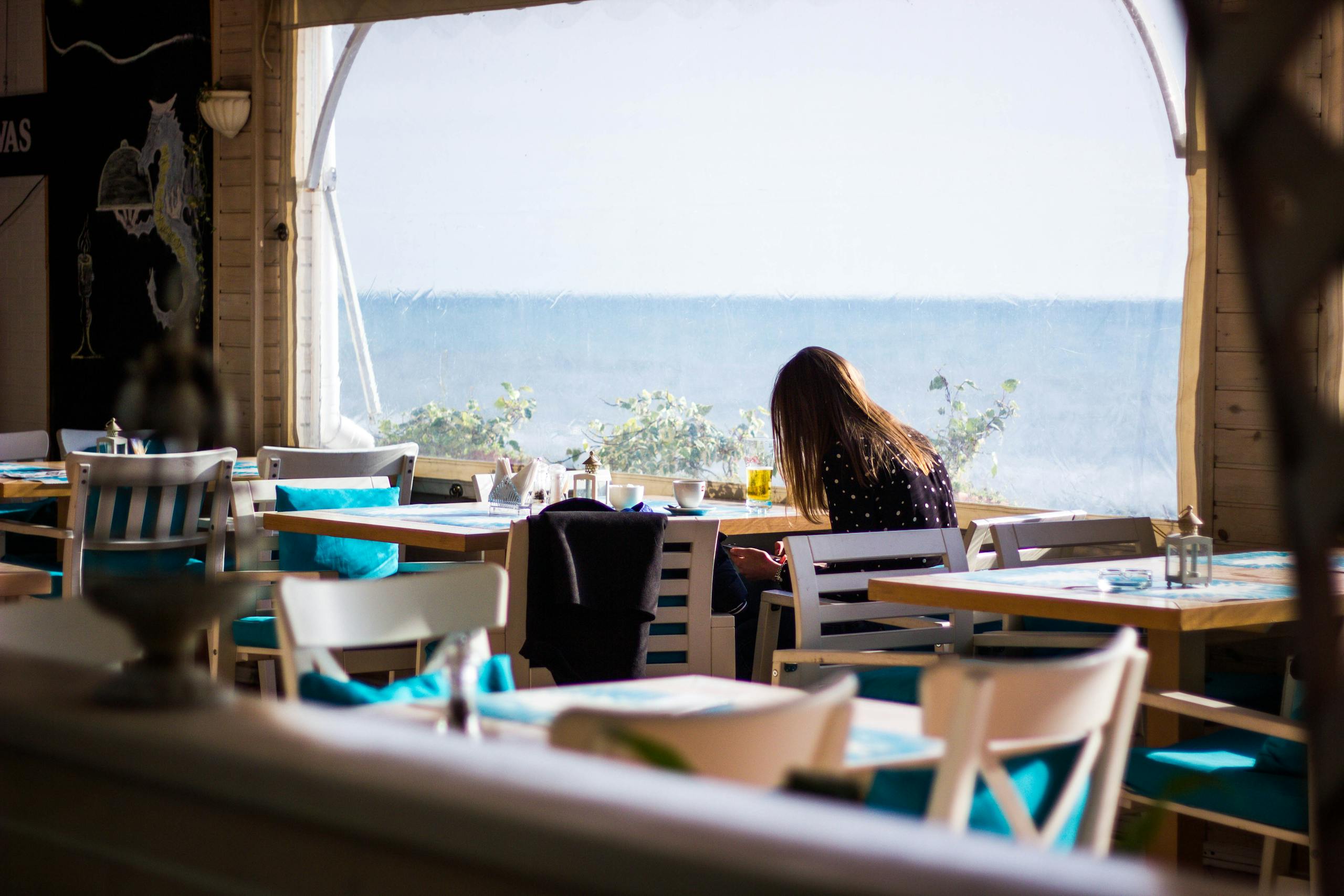
If you’ve ever noticed that solitude feels qualitatively different from time spent around other people, you’re picking up on something real. Our Solitude, Self-Care and Recharging hub explores the many dimensions of what alone time actually does for introverts, from sleep and recovery to the deeper psychological need to simply be with yourself. This article focuses on one specific thread within that larger conversation: the way time itself seems to change when introverts are finally, genuinely alone.
Why Does Time Feel Different When You’re Alone?
There’s a real psychological explanation for why solitude feels temporally different. Our brains process time partly through attention and arousal. When we’re in high-stimulation environments, social situations, busy offices, loud restaurants, our attention is constantly being pulled outward. We’re tracking other people, monitoring tone, reading the room. That cognitive load actually compresses our sense of time because we’re not processing our own internal experience with any depth.
What’s your personality type?
Take our free 40-question assessment and get a detailed personality profile with dimension breakdowns, context analysis, and personalised insights.
Discover Your Type8-12 minutes · 40 questions · Free
Alone, that changes. Attention turns inward. We notice more. A single thought can unspool across twenty minutes of quiet reflection. A walk that takes thirty minutes feels rich enough to have lasted an hour. That’s not distortion. That’s depth of processing.
I noticed this pattern vividly during my agency years. Some of my most demanding periods involved back-to-back client presentations, internal reviews, and new business pitches that could run from 8 AM straight through to 7 PM. By the end of those days, I had almost no memory of the hours themselves. They blurred. Then I’d take a solo drive home, maybe forty-five minutes on a good day, and that drive felt more substantial than the entire workday combined. I’d arrive home having actually processed something. The drive was mine. The day had belonged to everyone else.
That contrast told me something important about how I was wired, even before I had language for it.
Is Slowed Time in Solitude Actually Healthy?
Plenty of people assume that if time feels slow, something must be wrong. Boredom, depression, disengagement. But those aren’t the same as the expansive quality of intentional solitude. The difference lies in whether the slowness feels depleting or restorative.
For introverts, solitude that feels slow tends to feel full, not empty. There’s a richness to it. That richness is worth protecting, and understanding what happens when it disappears puts the value in sharper relief. When introverts don’t get enough alone time, the effects accumulate in ways that are hard to ignore: irritability, mental fog, a flattening of emotional range, and a creeping sense of being disconnected from your own thoughts. The absence of slow time is its own kind of suffering.
The psychological literature on solitude has grown considerably in recent years. A piece published through Berkeley’s Greater Good Science Center draws a meaningful distinction between solitude chosen freely and isolation that’s imposed. Freely chosen solitude, the kind introverts actively seek, is associated with creative thinking, emotional regulation, and a stronger sense of self. That tracks with my experience completely.
What makes the slow perception of time in solitude healthy rather than concerning is that it’s accompanied by engagement, just internal engagement rather than external. Your mind isn’t vacant. It’s occupied with its own work.
What’s Actually Happening in Your Brain During Solitude?
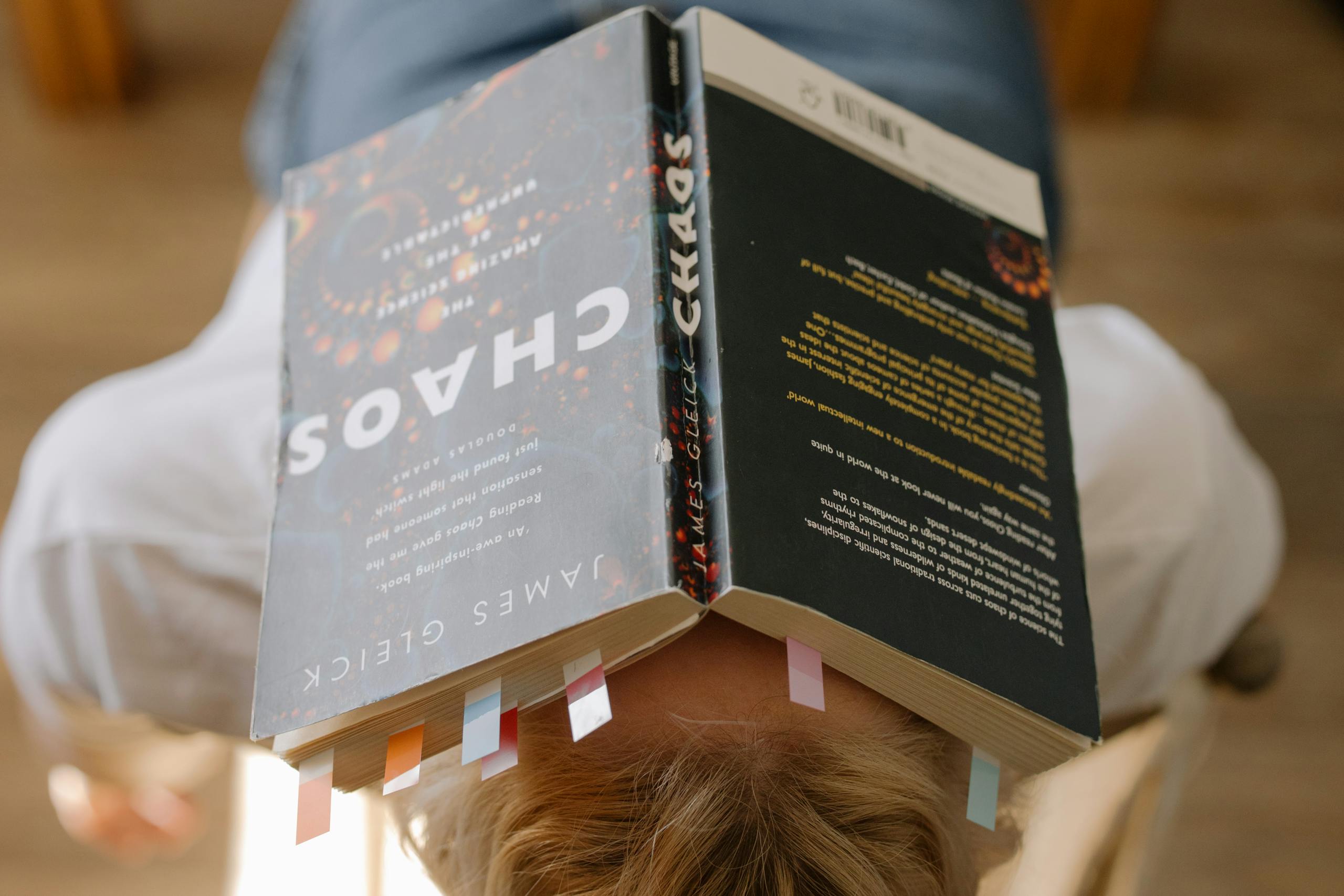
When we stop directing attention outward, the brain doesn’t go idle. It shifts into what neuroscientists call the default mode network, a set of brain regions that become active during rest, self-reflection, and mind-wandering. This network is involved in autobiographical memory, imagining future scenarios, and processing social information. It’s doing serious work, just not the kind that shows up on a productivity report.
For introverts, who tend to have a naturally more active inner life, this network may be especially productive during quiet periods. The slow, expansive quality of time in solitude might actually be a signal that this deeper processing is underway. You’re not wasting time. You’re doing the kind of cognitive work that doesn’t happen any other way.
A paper published in PubMed Central examining solitude and psychological well-being found that the quality of alone time matters considerably. Solitude that allows for genuine reflection and internal freedom tends to support well-being, while solitude experienced as rejection or loneliness does not. The subjective texture of the experience is what shapes the outcome.
That distinction matters. I’ve had plenty of alone time that didn’t feel restorative, usually when I was isolated by circumstance rather than choosing to be alone. The difference between those two experiences is enormous. One feels like being locked out. The other feels like coming home.
How Does Solitude Connect to Highly Sensitive People?
Many people who experience time differently in solitude also identify as highly sensitive. The overlap between introversion and high sensitivity is significant, though the two aren’t identical. Highly sensitive people process sensory and emotional information more deeply, which means the relief of stepping out of stimulating environments can be especially pronounced.
If you’ve ever felt like your nervous system needed to literally decompress after a social event or a busy workday, you know what I mean. For highly sensitive introverts, the slowing of time in solitude isn’t just pleasant. It’s necessary. It’s the period during which the nervous system actually catches up with everything it absorbed.
That’s part of why alone time for highly sensitive people isn’t a luxury or an indulgence. It’s a genuine biological need. Without it, the accumulation of unprocessed stimulation starts to show up as anxiety, exhaustion, or emotional reactivity that feels disproportionate to whatever triggered it.
I managed a creative director at one of my agencies who was both highly sensitive and deeply introverted. She was one of the most gifted people I’ve worked with, but she needed real recovery time after client presentations. I watched other managers misread her withdrawal as disengagement or even arrogance. What I saw was someone whose processing happened internally, and who needed space to complete it. Once I understood that, I stopped scheduling her into back-to-back reviews and her output improved noticeably. The solitude wasn’t a problem to manage. It was part of how she did her best work.
Does Being in Nature Amplify the Slow Time Effect?
Solitude and nature together create something qualitatively different from either one alone. I’ve noticed this in my own life for years without having a clean way to explain it. A solo walk in a park or along a trail produces a kind of temporal expansion that sitting quietly in my home office doesn’t quite replicate. There’s something about natural environments that deepens the effect.
Part of this may be that nature provides what attention researchers call “soft fascination,” a gentle, effortless engagement that doesn’t demand the focused cognitive effort of a task or conversation. Your attention can rest on a moving branch or a patch of light on water without being depleted by it. That restful attention seems to create the conditions for the slowest, most expansive kind of alone time.
For introverts who are also highly sensitive, the connection between nature and healing runs especially deep. Natural settings reduce the sensory complexity that HSPs find so draining in urban or social environments, while still providing enough gentle stimulation to keep the mind engaged rather than restless.
Some of my clearest thinking during my agency years happened on solo walks near my office. Not strategizing exactly, just walking and letting my mind move at its own pace. I’d often return with a solution to something I hadn’t consciously been working on. The slow time had done the work without me forcing it.
What Role Does Routine Solitude Play in Daily Life?
One thing I’ve learned is that the quality of solitude depends partly on how consistently you protect it. Sporadic alone time, grabbed in the margins of an overscheduled life, rarely produces the same depth as solitude that’s woven into your daily rhythm. When alone time is reliable, you stop spending the first twenty minutes of it decompressing from the fact that you had to fight for it.
Building genuine solitude into your daily self-care isn’t complicated, but it does require intention. The daily practices that matter most for sensitive, introverted people tend to be simple and consistent rather than elaborate and occasional. A morning ritual before the house wakes up. An evening wind-down that belongs entirely to you. Even a midday pause that’s genuinely quiet rather than just a break from one screen to another.
What those practices share is that they create predictable windows of slow time. Your nervous system learns to trust them. You stop bracing for the next interruption and start actually settling into the present moment. That’s when time really opens up.
During the years I was running a mid-sized agency, I protected my early mornings the way other people protect their weekends. Before anyone else arrived, before the emails started, I had about ninety minutes that were completely mine. I didn’t use them productively in any conventional sense. I read, thought, wrote a little, drank coffee slowly. Those mornings made everything else possible. They were the reason I could sustain the pace of the rest of the day without losing myself entirely.
How Does Sleep Connect to the Experience of Solitary Time?
There’s a dimension of slow time in solitude that connects directly to sleep, and it’s one I think gets overlooked. The transition into sleep is itself a form of solitude, a period of turning inward that mirrors the experience of intentional alone time during waking hours. For introverts who’ve been overstimulated throughout the day, that transition can be genuinely difficult because the mind hasn’t had enough earlier opportunities to process what it’s carrying.
When solitude is scarce during the day, the mind tries to compensate at night. Thoughts that should have been processed earlier crowd in when you finally lie down. That’s part of why sleep and recovery strategies for highly sensitive introverts often emphasize protecting the hours before bed as genuine wind-down time rather than just a later version of the busy day.
A thoughtful overview published through Psychology Today explores how solitude supports health across multiple dimensions, including the kind of mental quietude that makes restorative sleep more accessible. When your waking hours include enough genuine alone time, sleep tends to come more naturally because the processing work has already been done.
I noticed this directly in my own life. The periods when I was most sleep-deprived were almost always the periods when I’d had the least solitude. The two problems fed each other. Less alone time meant more unprocessed mental content at bedtime. Worse sleep meant less capacity for the kind of reflection that solitude is supposed to provide. Breaking that cycle required protecting daytime solitude first.
Can Solitude Become Isolating? Where’s the Line?
This is a question worth sitting with honestly. There’s a meaningful difference between solitude that restores you and isolation that gradually cuts you off from connection. Introverts sometimes use the language of recharging to avoid acknowledging when withdrawal has tipped into something less healthy.
The CDC’s research on social connectedness makes clear that chronic isolation carries real health risks, regardless of personality type. Introverts need connection too, just in different doses and forms than extroverts typically prefer. The slow time of solitude is restorative precisely because it exists alongside relationships, not instead of them.
A useful way to think about it: solitude that leaves you feeling more capable of connection is healthy. Solitude that becomes a way of avoiding the discomfort of connection entirely is worth examining. Harvard Health’s exploration of loneliness versus isolation draws this distinction carefully, noting that the subjective experience of loneliness, not the objective amount of time alone, is what predicts negative outcomes.
My own experience has been that the periods when I most needed solitude were also the periods when I most needed to be intentional about maintaining a few meaningful connections. The two aren’t opposites. Enough genuine alone time actually made me better at being present with the people who mattered to me. I had something to bring to those interactions because I hadn’t given everything away to an overfull schedule.
What Makes Solitude Feel Meaningful Rather Than Just Empty?
Not all alone time produces the expansive, slow quality I’ve been describing. Some of it is just vacancy, time passing without engagement or depth. The difference seems to come down to whether you bring any intention to the solitude, even a loose one.
Intention doesn’t mean productivity. It means showing up to the quiet with some degree of presence rather than simply filling the space with passive distraction. Reading something that actually interests you. Sitting with a thought long enough to see where it goes. Letting yourself feel whatever you’ve been too busy to feel. Even something as simple as noticing the quality of the light in the room.
There’s a particular kind of alone time that many introverts describe as almost meditative, where the mind is neither busy nor blank but simply moving at its own pace without external pressure. Some people find this in creative work. Others find it in physical activity done alone. A piece in Frontiers in Psychology examining the psychological benefits of solitude found that people who reported high-quality alone time tended to describe it as characterized by freedom, self-determination, and the absence of social evaluation. That last part strikes me as particularly true for introverts. The relief of not being watched or assessed is itself a form of rest.
My Mac has become one of the spaces where I find this quality of solitude most reliably. There’s something about sitting with my own writing, with no agenda beyond thinking clearly, that produces the slowest and most expansive kind of time I know. I’ve written about this more personally in a piece about what alone time with my Mac actually feels like, and the response from readers told me I wasn’t the only one who’d found that particular form of solitary engagement so restorative.

How Do You Protect Slow Time in a World That Doesn’t Value It?
This might be the most practical question in the whole conversation. Knowing that solitude is valuable doesn’t automatically make it available. Most of us live in environments that treat busyness as virtue and stillness as laziness. Protecting slow time requires a certain amount of deliberate resistance to that pressure.
Part of that resistance is internal. Many introverts have internalized the message that needing alone time is a character flaw, a sign of antisocial tendencies or insufficient ambition. Letting go of that story is genuinely difficult. It took me years of running agencies before I stopped apologizing, even internally, for the fact that I did my best thinking alone.
The external part is about boundaries, and not the dramatic kind. It’s mostly small, consistent choices. Declining an optional meeting. Not answering a non-urgent message immediately. Keeping a morning or evening window genuinely clear. Communicating to the people around you, calmly and without excessive explanation, that certain times belong to you. Those small choices compound over time into a life that has actual solitude in it rather than just the theoretical possibility of it.
There’s also something to be said for the social dimension of solo time. A Psychology Today piece on solo experiences makes the point that choosing to do things alone, including travel, isn’t antisocial behavior. It’s a legitimate and increasingly common way of engaging with the world on your own terms. For introverts, that framing can be genuinely freeing. You’re not avoiding people. You’re choosing the conditions under which you can actually be present.
Additional perspectives on the science behind solitary time and well-being are worth exploring through this PubMed Central review of solitude-related research, which examines how alone time functions differently across personality types and contexts. The findings reinforce what many introverts already know intuitively: that solitude isn’t a deficit to overcome but a resource to protect.
Protecting slow time also means being honest with yourself about what actually restores you versus what merely passes time. Screen-based distraction can feel like solitude because you’re physically alone, but it rarely produces the expansive, slow quality of genuine inward attention. That distinction is worth paying attention to. Not to judge yourself for how you spend your alone time, but to understand what you’re actually getting from it.
There’s more to explore across all of these dimensions in our Solitude, Self-Care and Recharging hub, where we cover everything from daily practices to the deeper psychology of why introverts are wired the way we are.
About the Author
Keith Lacy is an introvert who’s learned to embrace his true self later in life. After 20 years in advertising and marketing leadership, including running agencies and managing Fortune 500 accounts, Keith now channels his experience into helping fellow introverts understand their strengths and build fulfilling careers. As an INTJ, he brings analytical depth and authentic perspective to every article, drawing from both professional expertise and personal growth.
Frequently Asked Questions
Why does time feel slower when I’m alone?
Time perception is closely tied to how much attention we’re directing outward. In social or stimulating environments, our minds are occupied with tracking others, which compresses our sense of time passing. In solitude, attention turns inward and we process our own thoughts more deeply, which makes each moment feel more substantial and extended. For introverts especially, this inward processing is natural and rich, which is why alone time can feel almost luxuriously slow compared to busy social periods.
Is it normal for introverts to crave slow, quiet time?
Completely normal, and well-supported by what we understand about introversion. Introverts tend to process information more deeply and are more sensitive to external stimulation, which means they genuinely need periods of quiet to restore their mental and emotional resources. Craving slow, unstructured alone time isn’t a sign of depression or social dysfunction. It’s a sign that your nervous system is communicating what it needs. Many introverts find that honoring this need makes them more effective and present in every other area of their lives.
How is solitude different from loneliness?
Solitude is chosen and experienced as restorative or neutral. Loneliness is the painful awareness of unwanted disconnection, and it can occur even in a crowd. The difference isn’t about how much time you spend alone but about whether that time feels like freedom or deprivation. Introverts who actively choose solitude typically report feeling restored by it, while loneliness, regardless of personality type, tends to feel depleting and distressing. Protecting your alone time doesn’t increase loneliness. In most cases, it reduces it by giving you the internal resources to engage more authentically when you do connect with others.
Can spending too much time alone become unhealthy?
Yes, and it’s worth being honest about the line. Solitude that restores you and leaves you more capable of connection is healthy. Solitude that becomes a way of avoiding the discomfort of relationships entirely is worth examining. Introverts need genuine connection too, just in different doses and forms than extroverts typically prefer. If you notice that your alone time is accompanied by increasing avoidance of people you care about, or a growing sense of disconnection from your own life, those are signals worth paying attention to rather than explaining away.
How can I make my alone time feel more meaningful?
The quality of solitude tends to improve when you bring some degree of presence to it, even loosely. That doesn’t mean filling it with productive tasks. It means showing up to the quiet with genuine attention rather than passive distraction. Reading something that actually engages you, sitting with a thought long enough to see where it leads, spending time in nature, writing, or simply allowing yourself to feel whatever you’ve been too busy to notice. Consistency also matters. Solitude that’s woven into your daily rhythm tends to be more restorative than solitude grabbed in the margins of an overscheduled life, because you stop spending the first portion of it just decompressing from the effort of getting there.