
Some of the best places near you to spend time alone include local parks and nature trails, public libraries, coffee shops with quiet corners, botanical gardens, art museums, and community spaces like recreation centers with designated quiet areas. The right spot depends on what kind of solitude restores you, whether that’s the stillness of nature, the low hum of a public space where no one expects anything from you, or somewhere entirely off the social grid.
Most people assume being alone means being at home. And sometimes it does. But there’s a particular kind of freedom that comes from being alone somewhere else, somewhere you chose deliberately, somewhere the world continues around you but doesn’t require your participation. That distinction matters more than most people realize.
After two decades running advertising agencies, I spent a lot of time in rooms full of people who needed something from me. Clients, creatives, account managers, executives. The energy was constant and relentless. Over time I developed a quiet practice of finding pockets of solitude wherever I could, a bench in a nearby park before a big presentation, a corner table at a coffee shop between back-to-back meetings, a solo walk through the city when everyone else went to lunch together. Those weren’t accidents. They were survival.

If you’re an introvert trying to figure out where to go when you need to breathe again, this is for you. And if you want to go deeper into why solitude matters so much to people wired the way we are, our Solitude, Self-Care and Recharging Hub covers the full landscape of how introverts restore themselves and why that restoration is worth protecting.
Why Does Finding a Place to Be Alone Feel So Necessary?
There’s a difference between loneliness and chosen solitude that took me years to fully articulate. Loneliness is something that happens to you. Solitude is something you seek out. One depletes you. The other fills you back up.
What’s your personality type?
Take our free 40-question assessment and get a detailed personality profile with dimension breakdowns, context analysis, and personalised insights.
Discover Your Type8-12 minutes · 40 questions · Free
For introverts, solitude isn’t a preference or a quirk. It’s a functional need. Without it, something starts to erode. Clarity fades. Patience thins. The ability to think deeply, which is often one of our greatest strengths, starts to feel inaccessible. If you’ve ever wondered what happens physiologically and emotionally when that alone time disappears, the piece on what happens when introverts don’t get alone time captures it in a way that might feel uncomfortably familiar.
I remember a stretch during a major account pitch cycle at the agency, probably six weeks of back-to-back strategy sessions, client dinners, and internal reviews. There was no breathing room. By week four I was making decisions I’d normally never make, agreeing to things I’d normally push back on, losing the thread of my own thinking. I wasn’t sick. I wasn’t burned out in the clinical sense. I was simply running on empty because I hadn’t had a single hour to myself that wasn’t structured around someone else’s agenda.
The Harvard Health Publishing team has written about the distinction between loneliness versus isolation, noting that chosen solitude operates very differently from social isolation in terms of its psychological effects. That framing helped me understand why my solo walks between meetings weren’t antisocial. They were necessary maintenance.
What Makes a Place Good for Spending Time Alone?
Not every quiet place is actually restorative. I’ve sat in rooms that were technically silent and felt more drained afterward than before. And I’ve sat in bustling coffee shops and felt completely at peace. The physical noise level isn’t the whole equation.
What actually makes a place good for solitude comes down to a few things. First, low social obligation. You shouldn’t feel pressure to interact, perform, or explain yourself. Second, sensory manageability. The environment shouldn’t demand your attention in ways that feel intrusive. Third, some degree of psychological safety, meaning you feel comfortable enough to let your guard down, even slightly.
For highly sensitive people, those criteria matter even more. The piece on HSP solitude and the essential need for alone time gets into the specific reasons why people who process the world more deeply need environments that don’t overstimulate them. That’s not weakness. That’s wiring.

When I was managing a team of about twenty people at the peak of the agency years, I started paying attention to where each person went when they needed to decompress. The extroverts on the team would congregate in the kitchen, get louder, feed off each other. The introverts, and there were more of them than the culture acknowledged, would disappear. One went to her car. One sat in a stairwell. One walked to a park two blocks away. None of them were avoiding work. They were doing what they needed to do to come back capable of doing good work.
Which Outdoor Spaces Work Best for Solitary Time?
Nature is probably the most universally effective setting for solitude, and there’s good reason for that beyond simple preference. Being outdoors, particularly in green spaces, tends to lower the kind of mental noise that accumulates through social interaction and screen time. It’s not magic. It’s just what happens when your nervous system gets a break from stimuli that require constant processing.
Local parks are the most accessible option for most people. They don’t require planning, equipment, or commitment. You can show up for twenty minutes or two hours. what matters is finding a section that suits your preferred level of ambient activity. Some people want complete quiet. Others find a low level of background activity, families at a distance, dogs, the occasional jogger, actually grounding rather than intrusive.
Nature trails and hiking paths offer something parks don’t always provide: forward momentum. There’s something about walking with a destination, even a modest one, that organizes the mind differently than sitting still. I’ve solved more creative problems on solo walks than I ever did in brainstorming sessions. The movement seems to loosen something.
The connection between nature and psychological restoration is something the piece on HSP nature connection and the healing power of outdoors addresses with real depth. Even if you don’t identify as highly sensitive, the underlying principles about why natural environments restore us apply broadly to introverts who’ve been overstimulated.
Botanical gardens are worth mentioning separately from parks because they offer something specific: curated beauty in a quiet setting. Most botanical gardens have low visitor density outside of weekends, and the combination of visual richness and physical calm is genuinely restorative. Waterfront areas, whether ocean, lake, or river, work similarly. There’s something about watching water that occupies just enough of your attention to quiet the rest of your mind.
Writers and researchers at the Greater Good Science Center at Berkeley have explored whether solitude makes people more creative, and the evidence points toward yes, particularly when that solitude happens in environments that allow the mind to wander productively. Nature tends to be one of those environments.
What About Indoor Public Spaces That Still Feel Private?
Not every introvert wants to be outdoors. Some of us find our most comfortable solitude inside, surrounded by the ambient presence of other people who aren’t paying attention to us. There’s a specific kind of anonymity that certain indoor public spaces provide, and it can be deeply restorative.
Libraries are the obvious answer and they deserve the reputation. A good library has built-in social norms around quiet. No one expects you to talk. No one finds it strange that you’re sitting alone. You can stay for hours without explanation. The presence of books, even if you’re not reading them, creates a particular atmosphere that many introverts find genuinely calming.
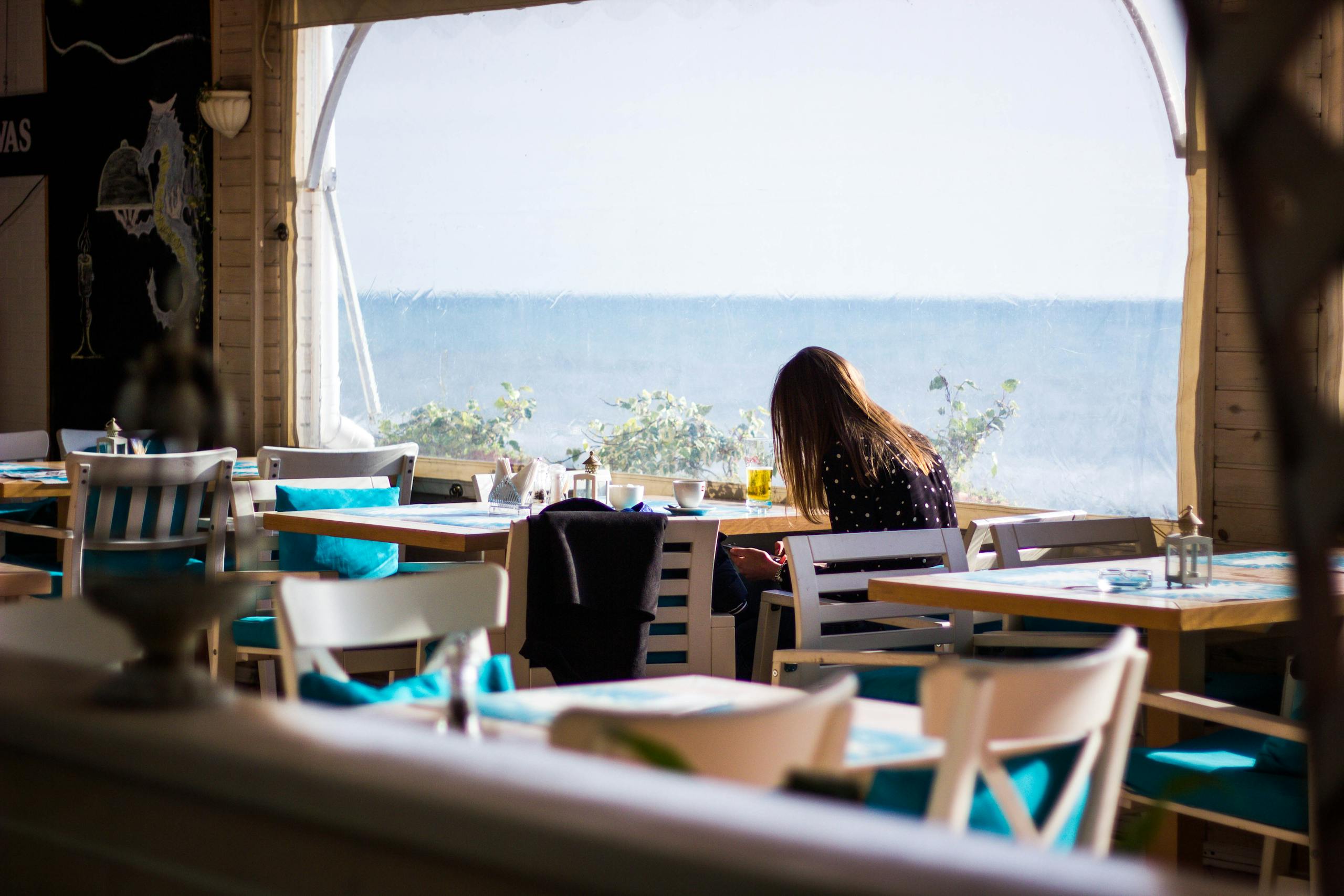
Coffee shops are more variable. The right coffee shop, at the right time of day, with the right table, can be a perfect solitude environment. The ambient noise acts as a kind of white noise that actually supports focused thinking for many people. The wrong coffee shop, or the wrong hour, can be sensory chaos. Worth experimenting to find your version of the right one.
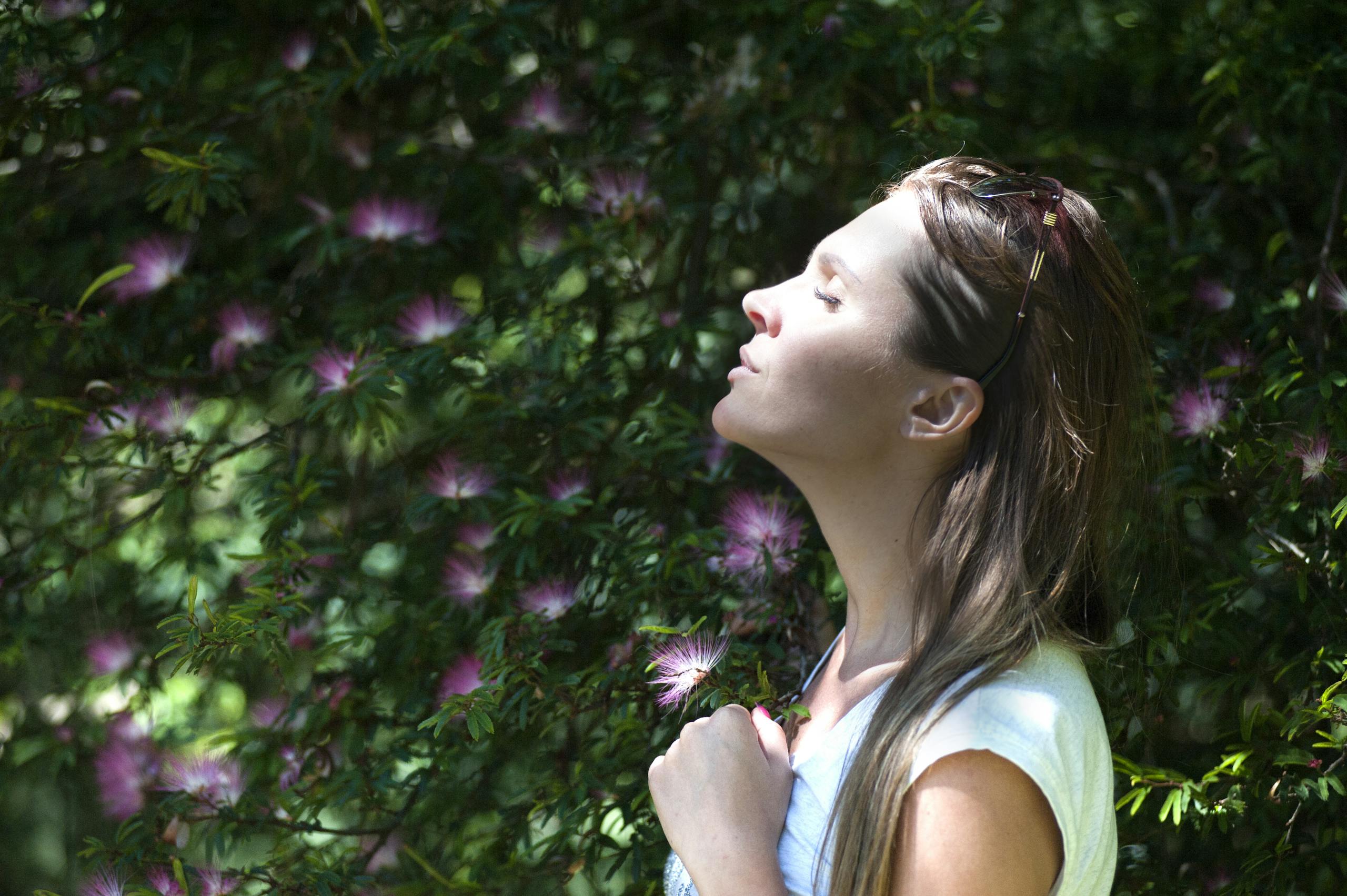
Art museums offer something that few other public spaces provide: a culturally sanctioned reason to stand quietly and think. No one expects you to perform sociability in a museum. You can move at your own pace, linger in front of things that interest you, and leave when you’re ready. Many museums also have quieter weekday hours that feel almost private.
Bookstores, particularly independent ones with comfortable seating, function similarly to libraries with a slightly warmer, less institutional atmosphere. Movie theaters during off-peak hours are worth mentioning too, particularly for solo matinees, which have their own particular charm. The experience of watching a film alone, without managing anyone else’s reactions or preferences, is something I didn’t discover until my forties and wish I’d found sooner.
One that often gets overlooked: chapels and meditation rooms in hospitals, universities, and airports. These spaces are designed specifically for quiet reflection and are almost always empty. They carry no religious requirement for entry. They’re simply quiet rooms that exist in the middle of busy buildings, and most people don’t know to look for them.
Can Your Own Home Become a Better Place for Solitude?
Home is the most obvious place to be alone, and for many introverts it’s the primary sanctuary. But home doesn’t automatically deliver solitude, especially if you share it with a partner, kids, roommates, or a work setup that’s blurred the line between professional and personal space.
Creating genuine alone time at home requires some intentionality. That might mean designating a specific room or corner as your quiet space. It might mean establishing certain hours as protected time. It might mean being honest with the people you live with about what you need and why, which is often harder than it sounds but almost always worth the conversation.
The piece on Mac alone time offers a perspective on how solitude at home can look different depending on your setup and what restoration actually means in practice. It’s a useful read if you’re trying to figure out how to make your home environment work better for the kind of quiet you actually need.
There’s also the question of what you do with the time once you have it. Solitude without intention can slide into passive scrolling or low-grade anxiety. The difference between restorative alone time and just being by yourself often comes down to whether you’re actually present in the space. That’s where practices like reading, journaling, gentle movement, or simply sitting without a screen become valuable.
Sleep is another dimension of home-based restoration that introverts often underestimate. The quality of your rest directly affects how much social interaction you can handle and how quickly you recover from it. The guidance in the piece on HSP sleep and rest and recovery strategies applies well beyond the HSP community. If your sleep environment isn’t supporting deep rest, your solitude hours are working harder than they need to.
How Do You Find Places to Be Alone When You Travel or Work Away from Home?
Travel, particularly work travel, used to be one of the more draining experiences in my agency life. Conferences, client visits, team offsites. The expectation was constant togetherness, and the schedule was usually designed to maximize group activity from morning to night.
Over time I developed a set of strategies for carving out solitude even in those environments. I’d wake up an hour earlier than anyone expected and find a quiet spot in the hotel lobby or a nearby park. I’d skip optional group dinners occasionally, not every time, but enough to give myself a genuine break. I’d identify the hotel gym or pool during off-hours as a reliable quiet space.
Writers at Psychology Today have noted that solo travel is increasingly recognized as a deliberate choice rather than a default for people without travel companions. For introverts, traveling alone, even occasionally, removes the social management layer entirely and allows a different kind of engagement with new places.
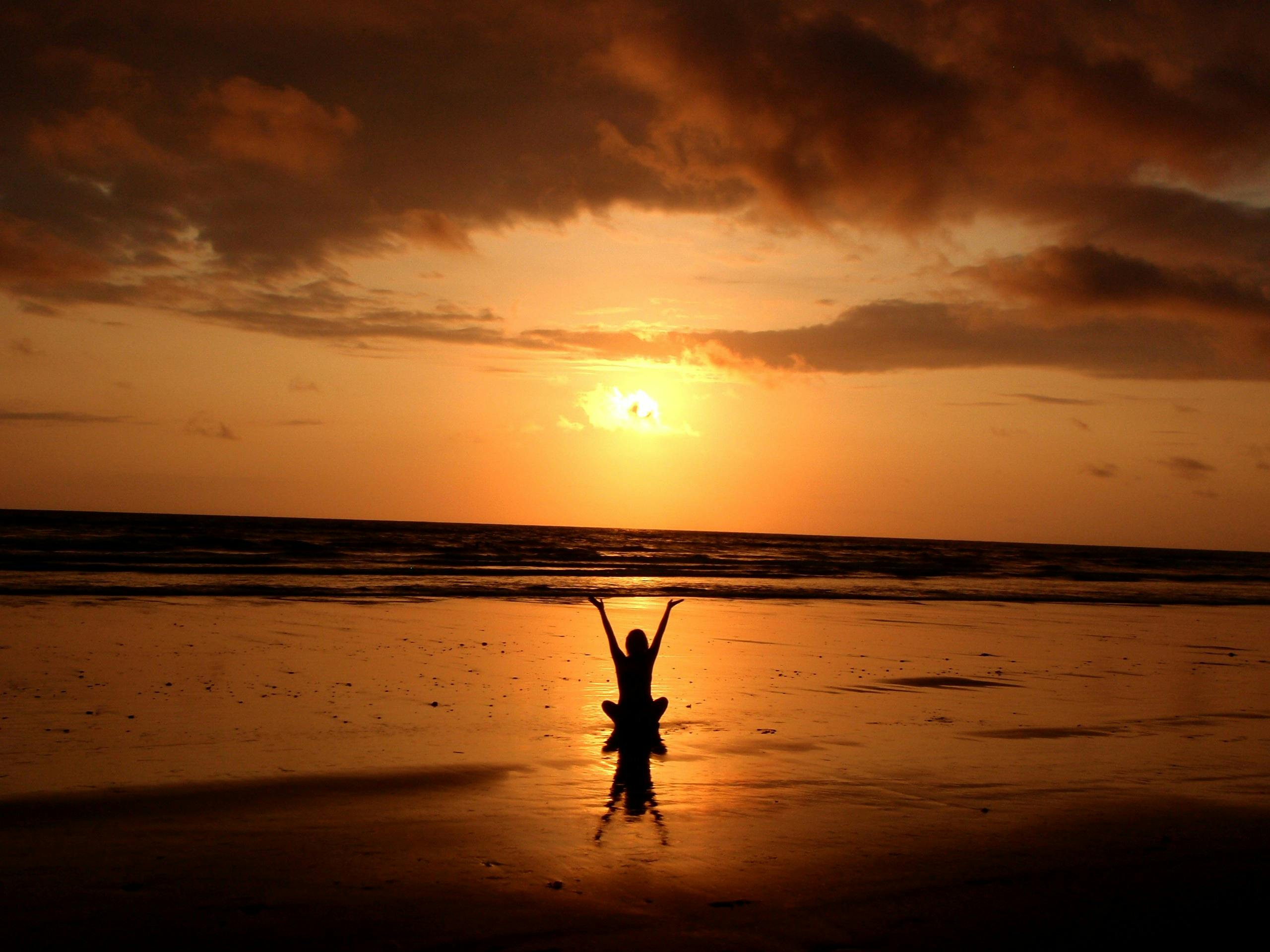
When you’re in an unfamiliar city, some of the best places to find solitude are the same ones that work at home: parks, libraries, museums, quiet coffee shops. The difference is that being in an unfamiliar place also carries its own kind of anonymity. No one knows you. No one has expectations of you. That anonymity can feel like a particular kind of freedom.
Airport solitude is its own category. Most airports are sensory overload environments, but they almost always contain quieter zones if you know to look: gate areas for less popular flights, airport chapels or meditation rooms, lounges if you have access, or simply a corner near a window away from the main corridors. Learning to find quiet in chaotic environments is a skill worth developing.
What Role Does Routine Play in Making Alone Time Actually Work?
Finding places to be alone is one part of the equation. The other part is making it a consistent practice rather than something you scramble for when you’re already depleted. Reactive solitude, the kind you seek out only when you’re running on empty, is less effective than proactive solitude built into your regular rhythm.
I learned this the hard way. For most of my agency years, I treated alone time as something I’d get to eventually, after the deadline, after the pitch, after the quarter closed. It was always conditional. And because the conditions never quite resolved, the alone time kept getting pushed. By the time I actually got it, I needed so much of it that a walk around the block wasn’t going to cut it.
Building a consistent self-care structure that includes protected alone time changes the math entirely. The piece on HSP self-care and essential daily practices lays out a framework for making these habits sustainable rather than aspirational. The principles apply whether or not you identify as highly sensitive.
Routine also helps with the location question. When you have a regular place you go to be alone, you don’t have to make a decision when you’re already tired. The park bench, the library table, the specific coffee shop corner, it becomes a kind of anchor. Your nervous system starts to associate that place with restoration before you even sit down.
There’s also something worth saying about permission. Many introverts, particularly those who’ve spent years in high-demand professional environments, carry a background guilt about needing alone time. The sense that wanting to be by yourself is somehow selfish or antisocial. It isn’t. Psychology Today has published work on embracing solitude for your health that frames this clearly: solitude isn’t a retreat from life. It’s a condition that makes fuller engagement with life possible.
How Do You Make the Most of Time Alone Once You Have It?
There’s a version of alone time that looks like solitude but functions more like avoidance. You’re physically alone, but you’re filling every moment with noise, whether that’s your phone, background television, or anxious mental rehearsal of everything you should be doing instead. That’s not restoration. That’s just a different kind of stimulation.
Genuine restoration tends to involve some degree of presence. That doesn’t mean meditation, though it can. It means actually being in the place you chose to be, noticing what’s around you, letting your mind move at its own pace rather than chasing an agenda. For people who process the world as deeply as most introverts do, that kind of unstructured mental time is where a lot of the real thinking happens.
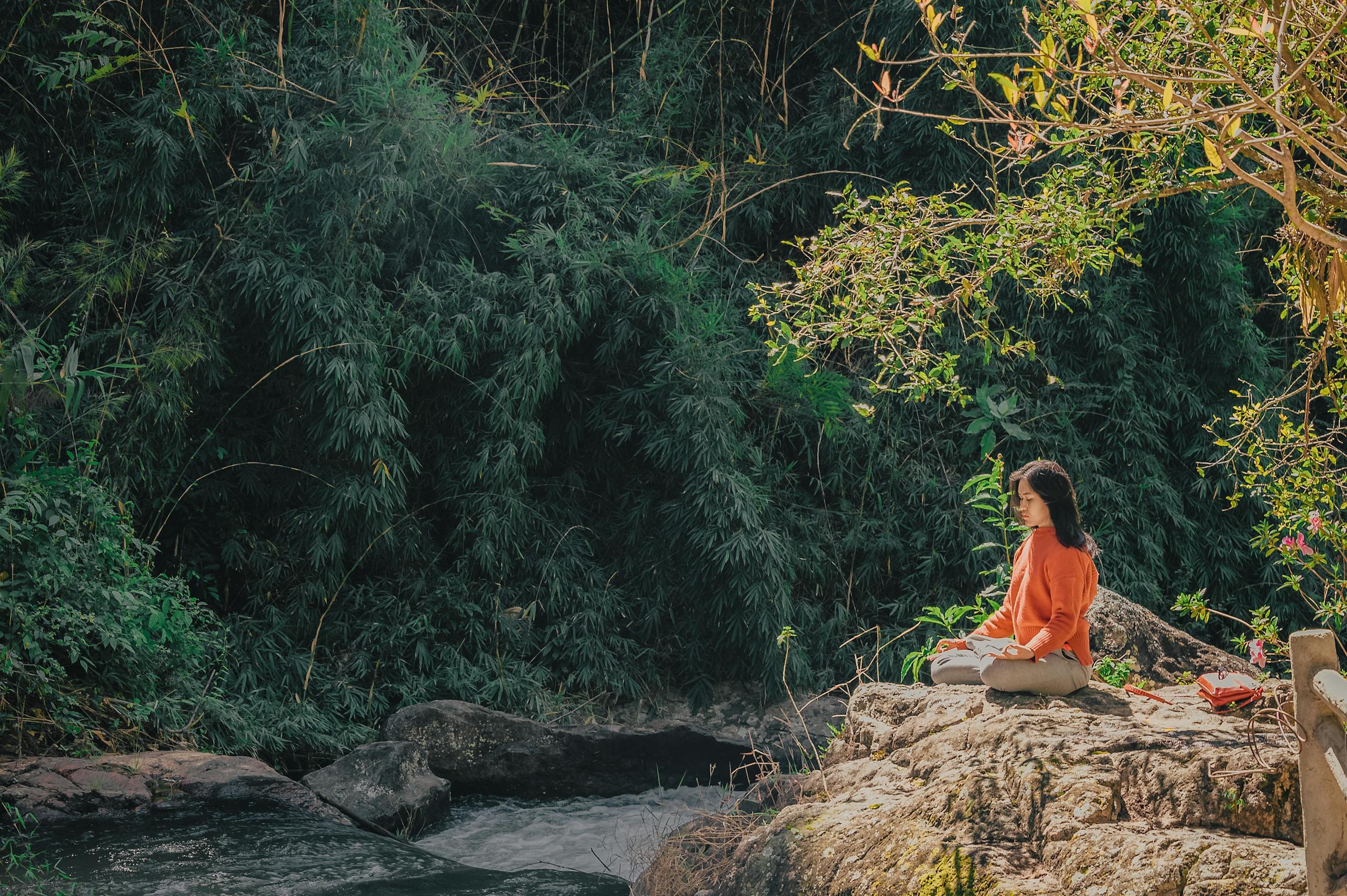
Some people find that having a light anchor activity, a book, a journal, a sketchpad, helps them settle into solitude without the restlessness that comes from feeling like they should be doing something. Others find that any activity, even a low-key one, pulls them out of the restorative state they’re looking for. Worth paying attention to which category you fall into.
What I’ve found personally is that the most restorative alone time involves very little agenda. A walk without a destination. Sitting somewhere pleasant without a book or a phone. Letting my mind do what it does when no one’s asking anything of it. As an INTJ, my default mode is analysis and planning, and giving that mechanism a genuine rest rather than just redirecting it toward a different task is something I had to learn was both possible and valuable.
The research community has been paying more attention to what happens neurologically during solitude and unstructured mental time. Work published in PubMed Central explores how periods of mental quiet relate to cognitive restoration and emotional regulation. And a separate body of work available through PubMed Central looks at how chosen solitude differs from enforced isolation in its psychological effects. Both point toward the same conclusion: the quality of alone time matters as much as the quantity.
One more thing worth naming. The social pressure to always be available, always responsive, always reachable, is real and it runs counter to what introverts genuinely need. The CDC has documented how social connectedness affects health outcomes, but that research is often cited in ways that conflate constant availability with genuine connection. They’re not the same thing. An introvert who spends two hours alone in a park and then has a meaningful dinner with a close friend is more socially connected in any meaningful sense than someone who’s been in group settings all day without a single real conversation.
Finally, research published through Frontiers in Psychology has examined how solitude functions differently across personality types, with introverts consistently showing stronger positive responses to chosen alone time in terms of mood, cognitive performance, and overall wellbeing. That’s not a reason to avoid people. It’s a reason to take your own need for solitude seriously rather than treating it as something to apologize for.
If you’re building a more intentional approach to restoration and quiet, the full Solitude, Self-Care and Recharging Hub is worth spending time in. It covers everything from daily practices to deeper questions about what it means to take your inner life seriously.
About the Author
Keith Lacy is an introvert who’s learned to embrace his true self later in life. After 20 years in advertising and marketing leadership, including running agencies and managing Fortune 500 accounts, Keith now channels his experience into helping fellow introverts understand their strengths and build fulfilling careers. As an INTJ, he brings analytical depth and authentic perspective to every article, drawing from both professional expertise and personal growth.
Frequently Asked Questions
What are the best places near me to spend time alone as an introvert?
The best places depend on what kind of solitude restores you. Local parks and nature trails work well for people who find green spaces calming. Libraries and quiet coffee shops offer indoor anonymity without social obligation. Art museums, botanical gardens, and waterfront areas provide beauty without demands. At home, a designated quiet space with protected time can be just as effective. The most important factor is low social obligation, meaning a place where no one expects you to perform or explain yourself.
Is it healthy to want to spend time alone regularly?
Yes, chosen solitude is associated with positive outcomes including better emotional regulation, clearer thinking, and improved creativity. The distinction that matters is between chosen solitude and involuntary isolation. Introverts who deliberately seek out alone time as part of their regular rhythm tend to show up more fully in their social and professional lives, not less. Psychology Today and peer-reviewed psychology research both support the view that solitude, when chosen intentionally, supports rather than undermines wellbeing.
How do I find quiet places to be alone when I live in a busy city?
Cities actually contain more solitude options than most people realize. Look for library reading rooms, museum galleries on weekday mornings, community gardens, smaller neighborhood parks away from main thoroughfares, and meditation or chapel rooms inside hospitals, universities, and airports. Early morning hours in most urban spaces are significantly quieter than the rest of the day. Developing a mental map of two or three reliable quiet spots in your area removes the decision fatigue of figuring it out when you’re already depleted.
How much alone time do introverts actually need?
There’s no universal number because it varies significantly by person, by the intensity of social demands in their life, and by what’s happening in a given week. What most introverts find is that consistent, proactive alone time works better than reactive solitude sought only when they’re already overwhelmed. Even twenty to thirty minutes of genuine quiet each day can make a meaningful difference. The goal is to treat alone time as a regular part of your schedule rather than a reward you earn after meeting everyone else’s needs.
What should I actually do during alone time to make it restorative?
The most restorative alone time tends to involve minimal agenda and low stimulation. A walk without a destination, sitting quietly in a pleasant space, reading something you actually want to read, or journaling without a specific goal are all effective options. what matters is avoiding the trap of filling solitude with passive scrolling or anxious mental rehearsal, which looks like alone time but functions more like a different kind of stimulation. Some people find a light anchor activity helpful for settling in. Others do better with no structure at all. Pay attention to what actually leaves you feeling restored rather than what sounds like it should.