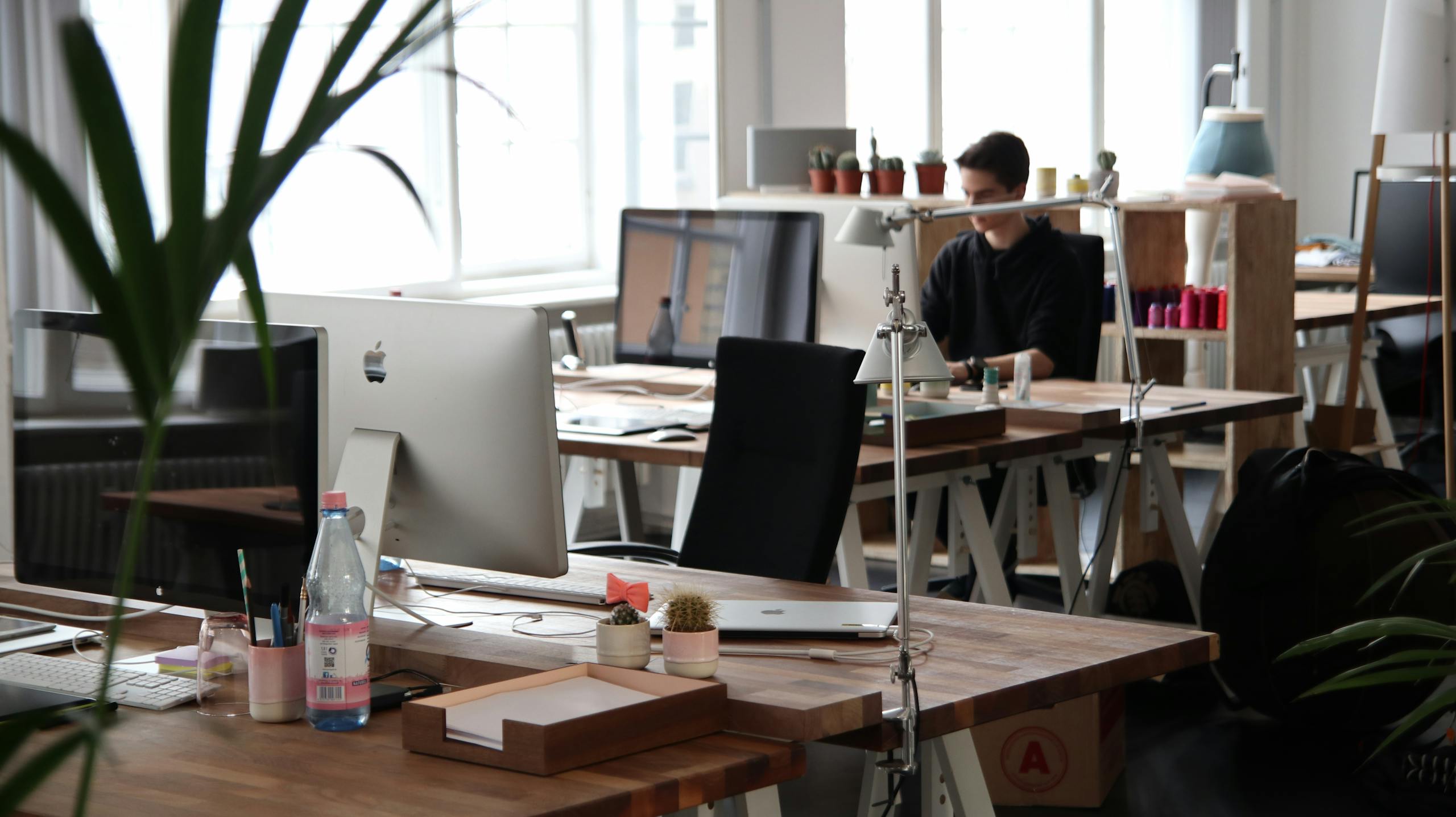

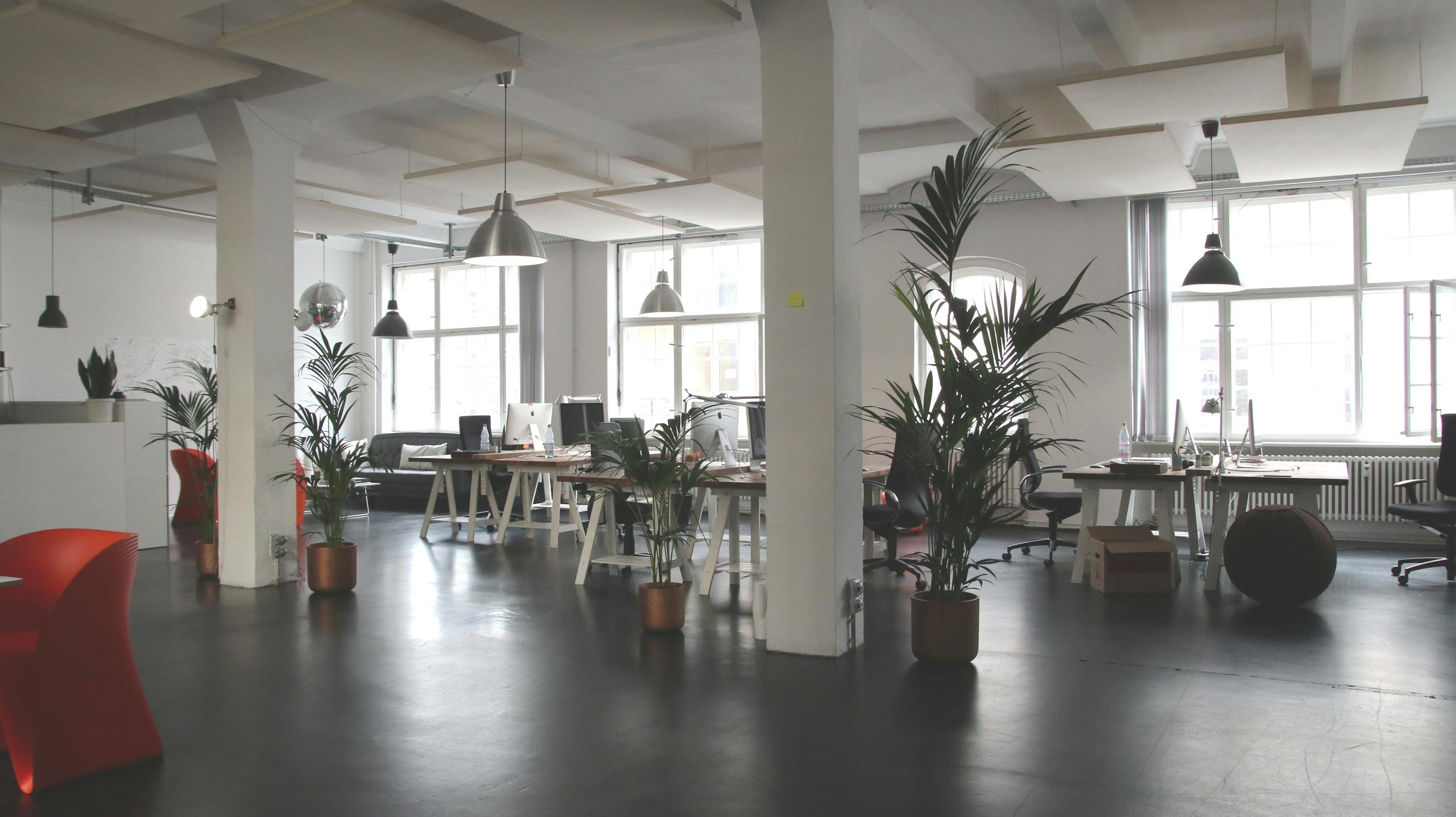
When I walked into our agency’s newly renovated open office for the first time, my stomach dropped. Where walls once stood, there was nothing but a sea of desks stretching toward floor-to-ceiling windows. The design consultants had promised increased collaboration and innovation. What they delivered was a daily assault on my ability to think clearly.
Every conversation within a forty foot radius competed for my attention. The flicker of movement in my peripheral vision pulled my focus from client briefs. Phone calls became public performances. As someone who processes deeply and requires mental space to produce quality work, that open office nearly ended my career before I discovered a simple solution that changed everything.
Portable privacy screens might seem like a modest intervention, but for introverts working in open environments, they represent something profound: the ability to reclaim mental space without changing jobs or starting difficult conversations with management about workspace accommodations.
Why Open Offices Fail Introverts
The open office concept emerged from well-intentioned thinking about collaboration and transparency. Remove the barriers between people, the logic went, and watch innovation flourish. Reality has proven far messier. A systematic review published in SAGE Open comparing psychological outcomes between open plan and cellular offices found that workers in open environments showed considerably higher dissatisfaction rates across nearly every measure studied, including stress, satisfaction with work environment, and job satisfaction.
What’s your personality type?
Take our free 40-question assessment and get a detailed personality profile with dimension breakdowns, context analysis, and personalised insights.
Discover Your Type8-12 minutes · 40 questions · Free
For introverts specifically, the challenges run deeper than general dissatisfaction. Our brains are wired differently when it comes to processing stimulation. Research highlighted in Psychology Today explains that introverts’ brains are naturally more active at rest, making us more vulnerable to overstimulation. While extroverts need higher levels of stimulation to reach their productivity sweet spot, introverts can quickly become overwhelmed by the same environment.
I experienced this firsthand during a critical pitch preparation. Our agency was competing for a major automotive account, and I needed to craft messaging that would differentiate our approach. Every time I reached a state of focused thinking, a colleague would walk past, someone’s phone would ring, or laughter would erupt from the coffee station. What should have taken three hours stretched into an exhausting eight hour ordeal of interrupted concentration.

The Science Behind Visual and Acoustic Privacy
Privacy screens work through two primary mechanisms that address the core challenges introverts face in open environments. Visual privacy reduces the constant peripheral distractions that fragment attention. Acoustic privacy, achieved through certain screen materials, dampens the sound transmission that makes every nearby conversation a potential interruption.
Herman Miller’s workplace research found that 54 percent of high performance employees consider their office environment too distracting, while 58 percent express a need for more private spaces for problem solving. The research points to a concept called “implied space,” where even partial barriers can psychologically transform an open environment into something more manageable for focused work.
This resonates with what I observed managing creative teams across multiple agencies. My most productive introverted employees weren’t necessarily those with private offices. They were the ones who had figured out how to create micro-environments within the larger space. Some wore headphones even when not listening to music. Others positioned their desks facing walls. The savviest ones brought their own privacy screens.
The psychological principle at work involves territorial behavior and sense of control. When we feel ownership over our immediate environment, stress decreases and cognitive function improves. A portable privacy screen does more than block visual distractions. It signals to your brain that this small territory is yours to control, creating a pocket of psychological safety in an otherwise exposed environment.
Types of Portable Privacy Screens
Understanding the different categories of portable privacy screens helps match solutions to specific introvert needs and workplace constraints.
Desktop Mounted Screens
These screens clamp directly to your desk surface and rise anywhere from twelve to twenty four inches above the desktop. They create an immediate visual barrier without requiring any permanent modifications to furniture. For introverts in hot desking situations or shared workspaces, desktop mounted screens offer the advantage of portability combined with stability during use.
The clamp mechanism typically accommodates desk thicknesses between three quarters of an inch and two inches. Premium versions feature felt or fabric surfaces that provide modest sound absorption while offering a place to pin notes or reminders. I found these particularly useful during my agency years when I needed to reference creative briefs without cluttering limited desk space.
Freestanding Desk Dividers
Freestanding options stand independently on your desk surface without attachment hardware. They offer greater flexibility for positioning but sacrifice some stability. These work well for introverts who move between workstations frequently or those whose desk configurations don’t accommodate clamp style screens.
The most effective freestanding designs feature weighted bases or three panel configurations that create their own stability. Some fold flat for easy transport in a laptop bag, making them ideal for introverts who work across multiple locations or travel frequently for business.
Acoustic Panel Dividers
For introverts particularly sensitive to sound, acoustic panel dividers incorporate sound absorbing materials that reduce noise transmission. These typically feature cores of recycled PET fiber, felt, or specialized acoustic foam covered in fabric. While they won’t create complete silence, they can meaningfully reduce the intelligibility of nearby conversations.
Research from Rivier University indicates that conversational distractions cause the greatest productivity losses in open offices, with workers losing an average of 21.5 minutes per day to speech interruptions alone. Acoustic panels address this specific vulnerability by absorbing sound waves before they reach your ears.
When I upgraded from a simple visual barrier to an acoustic screen, the difference was immediately noticeable. The ambient conversational hum that had formed a constant background to my work dropped to something my brain could more easily filter out. Combined with noise canceling headphones, the effect approached something resembling actual privacy.
Monitor Privacy Filters
While not screens in the traditional sense, monitor privacy filters address a specific introvert concern: the feeling of being watched. These thin films apply directly to computer monitors and narrow the viewing angle so that screen content is only visible to someone directly in front. From side angles, the screen appears dark or blurred.
For introverts who feel self conscious about their work process or need to handle sensitive information, monitor privacy filters remove the ambient anxiety of potential observers. I found them especially valuable during creative development phases when half formed ideas on screen felt vulnerable to premature judgment from passing colleagues.
Materials That Matter for Introvert Needs
The material composition of privacy screens significantly affects their utility for introverts. Understanding these differences helps inform purchasing decisions.
Fabric covered screens offer the best combination of visual privacy and acoustic dampening. The textile surface absorbs sound rather than reflecting it, and the softer appearance creates a less institutional feel. Many fabric screens use recycled polyester made from plastic bottles, combining environmental responsibility with functional performance.
Acrylic and polycarbonate screens provide clear sight lines while still creating psychological boundaries. These work well for introverts who need visual separation without feeling completely enclosed. Frosted versions offer more privacy while still allowing light transmission. The hard surfaces don’t absorb sound but do block direct visual distractions effectively.
Felt and wool blends represent premium options with superior acoustic properties. These natural materials absorb a broader spectrum of sound frequencies and create a warmer aesthetic. The higher cost often proves worthwhile for introverts in particularly noisy environments or those investing in long term workspace solutions.
During my tenure managing creative departments, I learned that the tactile quality of workspace elements affects how people feel about their environment. Screens that look and feel professional help introverts maintain dignity in their workspace modifications rather than appearing to have constructed a blanket fort at their desk.
Strategic Placement for Maximum Benefit
Where you position privacy screens matters as much as what type you choose. Strategic placement maximizes their protective effect while maintaining professional relationships with colleagues.
Position your primary screen to block the direction of greatest visual traffic. In most open offices, this means facing away from main walkways and communal spaces. The screen should interrupt your sight line to the areas that generate the most movement and distraction.
Consider the sun path through your office when placing transparent or semi transparent screens. Glare can create additional visual stress that compounds the baseline challenges of open environments. Matte finished screens or those with anti glare coatings perform better in sun exposed positions.
Height matters more than width for most introverts. A taller, narrower screen often provides better protection than a shorter, wider one because it blocks the upper peripheral vision where movement detection is most acute. However, organizational culture sometimes limits how tall a personal screen can reasonably be without drawing negative attention.
I learned through trial and error that the angle of screen placement affects both privacy and approachability. A screen positioned at a slight angle toward your dominant work direction feels more natural than one perpendicular to your desk. It also leaves a small opening that signals you’re not completely unavailable while still protecting your primary focus zone.
Combining Screens with Other Introvert Strategies
Privacy screens work best as part of a broader approach to managing energy and focus in open environments. Several complementary strategies enhance their effectiveness.
Quality headphones paired with privacy screens address both visual and auditory channels simultaneously. The combination creates a more complete sensory barrier than either solution alone. For deep focus work, this pairing can approximate the concentration benefits of a private office.
Your desk setup and ergonomics also interact with privacy screen effectiveness. Pairing screens with an adjustable standing desk lets you vary your eye level relative to the screen throughout the day. When standing, you may look over low screens, regaining environmental awareness. When seated, the same screens provide fuller coverage.
Research on introvert energy management suggests that regular recovery periods matter as much as environmental modifications. Schedule brief breaks away from your workstation to give your nervous system time to reset. When you return to your screened workspace, you’ll have greater capacity to maintain focus.
Consider how lighting interacts with your privacy setup. Task lighting focused on your work surface creates a visual anchor that helps maintain attention. The contrast between your illuminated workspace and the dimmer surroundings beyond the screen reinforces the boundary between your territory and the larger office.
Addressing Workplace Culture Concerns
Some introverts hesitate to implement privacy screens because they worry about perception. Will colleagues think I’m antisocial? Will management view screens as rejecting the collaborative culture? These concerns deserve acknowledgment even as they shouldn’t prevent action.
Workplace design research from Haworth confirms that privacy and focus are essential in modern offices, and that employees must be able to hear what they need while safeguarding concentration. Privacy screens align with recognized principles of effective workspace design, not antisocial behavior.
Framing matters when discussing your workspace modifications with colleagues or supervisors. Emphasize productivity and work quality rather than personal preference. A statement like “I find I can deliver better work when I reduce visual distractions” positions screens as professional tools rather than social barriers.
I found that being proactively available helped counterbalance any perception of withdrawal. Scheduling regular check ins with colleagues, maintaining an open door policy for interruptions during designated times, and consistently delivering high quality work demonstrated that my privacy screens enhanced rather than hindered my contribution to the team.
Some organizations now recognize the need for individual workspace control and may even provide screens as standard equipment. Before purchasing your own, check whether facilities management offers options or has policies about personal workspace modifications.
Budget Considerations and Quality Indicators
Privacy screens range from under twenty dollars for basic models to several hundred for premium acoustic solutions. Understanding what quality indicators matter helps allocate budget effectively.
Stability ranks as the most important quality factor. A screen that wobbles, tips over, or requires constant adjustment creates its own form of distraction. Check reviews for comments about mounting security and base weight for freestanding options.
Acoustic performance, where relevant, should be verified through NRC (Noise Reduction Coefficient) ratings when available. An NRC of 0.20 or higher indicates meaningful sound absorption. Some manufacturers provide testing documentation while others rely on material composition claims without independent verification.
Durability matters for portable screens that will be moved frequently. Fabric quality, frame construction, and clamp mechanisms should withstand regular adjustment without degradation. Paying slightly more for screens built to commercial standards often proves economical over time compared to replacing consumer grade products.
For comparison shopping on office furniture investments, resources like detailed product reviews help evaluate long term value. The same principle applies to privacy screens: a modest investment in quality yields daily returns in focus and productivity.
Making the Change
If you’ve read this far, you’re likely experiencing the open office challenges that privacy screens address. Taking action requires less courage than you might imagine.
Start with a modest intervention. A simple desktop screen in the twelve to eighteen inch height range provides meaningful benefit without dramatic visible change. Use it consistently for two weeks before evaluating whether to expand your privacy setup.
Track your productivity during this trial period. Note focus duration, task completion, and energy levels at day’s end. Concrete data helps justify continued use and any future expansion of your privacy setup.

Consider this a form of self advocacy that benefits both you and your employer. The work you produce when able to concentrate fully exceeds what’s possible under constant distraction. Privacy screens represent an investment in your professional capability with returns that compound over time.
My own career trajectory changed when I stopped fighting my need for focused work conditions and started creating environments that supported how I actually think. The open office didn’t defeat me because I found tools, including portable privacy screens, that let me work with my introvert nature rather than against it.
You can do the same. The screens are portable. The benefits are permanent.
Frequently Asked Questions
Will using a privacy screen make me look antisocial to coworkers?
Privacy screens are increasingly common in modern offices and generally viewed as productivity tools rather than social barriers. Frame your use around work quality and focus rather than avoiding people. Maintaining proactive communication with colleagues and being available during designated times demonstrates that screens enhance rather than replace workplace relationships.
How tall should a desk privacy screen be for an introvert?
Most introverts benefit from screens between twelve and twenty four inches tall. This range blocks peripheral distractions while seated without creating a fully enclosed feeling. Consider your specific desk height, chair position, and the primary direction of visual distractions when selecting height. Taller screens provide more protection but may draw more attention in workplace cultures that value openness.
Do acoustic privacy screens really reduce noise effectively?
Quality acoustic screens with NRC ratings of 0.20 or higher provide measurable sound absorption. They won’t create silence but can reduce the intelligibility of nearby conversations, which is the most distracting sound type for focused work. Combined with noise canceling headphones, acoustic screens create a meaningfully quieter personal environment within a busy open office.
Can I use a privacy screen in a hot desking environment?
Freestanding and clamp mount screens work well for hot desking since they don’t require permanent installation. Freestanding three panel designs offer the best stability without attachment hardware. Some manufacturers offer screens that fold flat for transport in a laptop bag, making them practical for workers who change locations regularly.
What’s the best material for an introvert’s privacy screen?
Fabric covered screens with acoustic properties offer the best overall performance for introverts. They provide visual privacy, sound absorption, and a professional appearance. Recycled PET fiber and felt materials balance functionality with environmental responsibility. For introverts primarily concerned with visual distractions, frosted acrylic provides privacy while maintaining light transmission.
Explore more Introvert Tools and Products resources in our complete hub.
About the Author
Keith Lacy is an introvert who’s learned to embrace his true self later in life. With a background in marketing and a successful career in media and advertising, Keith has worked with some of the world’s biggest brands. As a senior leader in the industry, he has built a wealth of knowledge in marketing strategy. Now, he’s on a mission to educate both introverts and extroverts about the power of introversion and how understanding this personality trait can unlock new levels of productivity, self-awareness, and success.