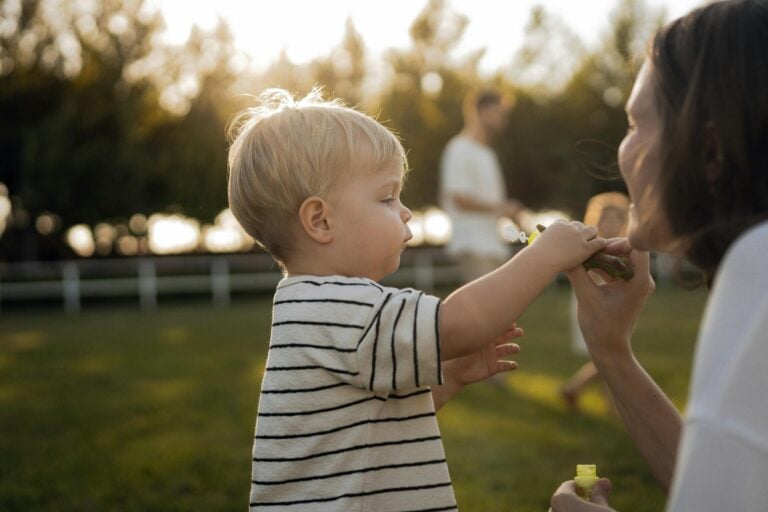

Primary caregiver attachment styles are the emotional blueprints formed in early childhood that shape how we seek closeness, handle conflict, and respond to intimacy throughout our adult lives. They develop through repeated interactions with our earliest caregivers, and they become the unconscious operating system running beneath every relationship we enter. Understanding yours, and your partner’s, can reframe patterns that once felt confusing or even hopeless.
What surprises most people is how quietly these patterns operate. You don’t consciously choose to pull away when someone gets too close, or to spiral when a text goes unanswered for two hours. Those responses were wired in long before you had words for them.

As someone who spent decades inside the high-pressure world of advertising agencies, I was surrounded by relationship dynamics playing out at full volume. Clients, creative teams, account directors, each bringing their own invisible emotional histories into every negotiation, every pitch, every moment of conflict. I watched it all unfold with the detached curiosity of an INTJ, and I didn’t fully understand what I was seeing until I started examining my own attachment history. That’s when things got genuinely interesting, and uncomfortably personal.
Our complete Introvert Dating and Attraction hub covers the full landscape of how introverts connect, fall in love, and build lasting relationships. Attachment styles add a foundational layer to that conversation, because they shape not just who we’re drawn to, but why certain dynamics feel so familiar even when they’re not serving us.
What Are Primary Caregiver Attachment Styles and Where Do They Come From?
Attachment theory, developed by psychologist John Bowlby and later expanded by Mary Ainsworth, proposes that the bond between an infant and their primary caregiver creates an internal working model of relationships. This model encodes answers to some of the most fundamental emotional questions a person can ask: Am I worthy of love? Can I count on others? Is closeness safe?
What’s your personality type?
Take our free 40-question assessment and get a detailed personality profile with dimension breakdowns, context analysis, and personalised insights.
Discover Your Type8-12 minutes · 40 questions · Free
Ainsworth’s landmark research identified distinct patterns in how young children responded when separated from and reunited with their caregivers. Those patterns mapped onto what we now call the four primary attachment styles: secure, anxious-preoccupied, dismissive-avoidant, and fearful-avoidant.
A caregiver who is consistently responsive and emotionally available tends to produce a securely attached child. One who is inconsistent, sometimes warm and sometimes unavailable, tends to produce anxious attachment. A caregiver who is emotionally distant or dismissive of the child’s needs tends to produce avoidant attachment. And when a caregiver is simultaneously a source of comfort and fear, the result is often fearful-avoidant attachment, sometimes called disorganized.
What matters here is this: these aren’t character flaws. They’re adaptive strategies. A child who learns that expressing need brings rejection will stop expressing need. That’s not weakness. That’s intelligence in the face of a specific emotional environment.
An important clarification worth making early: introversion and avoidant attachment are not the same thing. An introvert can be fully, securely attached and simply prefer solitude for reasons of energy management, not emotional defense. I say this because I’ve encountered the conflation many times, including in my own early reading on this topic. Avoidance in attachment is about suppressing emotional connection as a protective strategy. Introversion is about how we process stimulation and restore energy. They are genuinely separate dimensions.
What Does Secure Attachment Actually Look Like in Adult Relationships?
Secure attachment is characterized by low anxiety and low avoidance. People with this style are generally comfortable with both intimacy and independence. They can ask for what they need without catastrophizing if they don’t get it immediately. They can tolerate their partner’s separateness without interpreting it as rejection.
One thing worth clarifying: secure attachment doesn’t mean conflict-free relationships. Securely attached people still argue, still misread each other, still go through difficult seasons. What they tend to have is a more reliable set of tools for working through difficulty without the interaction becoming destabilizing. The foundation holds even when the surface is rough.

In my agency years, I managed a creative director who had what I’d now describe as a securely attached style in professional relationships. When a client pushed back hard on a campaign concept, she didn’t collapse or retaliate. She asked genuine questions, held her perspective with confidence, and found a path forward that didn’t require anyone to lose face. At the time I thought she just had unusually good communication skills. Looking back, I think it went deeper than that. She had a core belief that disagreement wasn’t abandonment, and that made all the difference in how she moved through conflict.
That quality, the ability to stay regulated when relationships feel uncertain, is one of the most significant advantages a secure attachment foundation provides. And the good news for anyone who didn’t start there: it can be developed. What attachment researchers call “earned secure” attachment describes people who began with insecure patterns but shifted toward security through therapy, meaningful relationships, or sustained self-awareness. The path exists. It’s just not always a short one.
How Does Anxious-Preoccupied Attachment Shape the Way You Love?
Anxious-preoccupied attachment sits in the high-anxiety, low-avoidance quadrant. People with this style deeply want closeness. They’re not afraid of intimacy itself. What they fear, at a nervous system level, is losing it. That fear drives a hyperactivated attachment system that reads ambiguity as threat and interprets distance as impending abandonment.
The behaviors that emerge from this, checking in frequently, seeking reassurance, struggling to self-soothe during conflict, are often labeled as “clingy” or “needy” in a way that pathologizes what is actually a physiological response. The anxiously attached person isn’t making a calculated choice to be demanding. Their nervous system has learned that connection is unpredictable and that vigilance is the only reliable strategy for keeping it.
Understanding how introverts experience love feelings adds important texture here. Many introverts I’ve spoken with who carry anxious attachment describe an exhausting internal split: the introvert part of them craves solitude and quiet, while the anxiously attached part panics the moment their partner steps away. Those two impulses create a particular kind of internal friction that can be genuinely hard to articulate to a partner. Introvert love feelings carry their own complexity, and when anxious attachment layers on top, that complexity multiplies.
One of the most helpful reframes I’ve encountered for anxiously attached people is this: the hypervigilance made sense once. It was a reasonable response to an unreliable emotional environment. The work isn’t to shame the response. It’s to update the internal model with evidence from present relationships, often with professional support, so that the nervous system can gradually learn that not every silence is a warning sign.
According to peer-reviewed work available through PubMed Central on attachment and adult relationships, the internal working models formed in early caregiving relationships do show measurable continuity into adulthood, though they are not fixed. That continuity matters because it means patterns feel deeply familiar and automatic, not because they can’t change.
What’s Really Happening Inside a Dismissive-Avoidant Person?
Dismissive-avoidant attachment occupies the low-anxiety, high-avoidance space. On the surface, people with this style appear self-sufficient to the point of not needing much from relationships at all. They tend to minimize emotional content, withdraw when intimacy increases, and genuinely believe they function better alone. Partners often describe feeling shut out, like they’re pressing against a wall that the avoidant person doesn’t even seem to notice is there.
consider this the research makes clear, and what popular accounts often get wrong: dismissive-avoidants do have feelings. Physiological studies measuring heart rate and skin conductance have found that avoidant individuals show internal arousal responses to attachment-related stress even when their outward demeanor remains calm. The feelings exist. What’s happening is a learned deactivation strategy, an unconscious suppression of emotional signals that was adaptive in a caregiving environment where expressing need brought rejection or dismissal.

I’ll be honest about something here. When I first encountered descriptions of dismissive-avoidant attachment, I recognized elements of my own early patterns. As an INTJ who spent years in high-stakes agency environments, I had developed a very efficient system for keeping emotional content compartmentalized. Clients didn’t need to see my doubt. Teams didn’t need to see my uncertainty. I was competent, decisive, and largely unreachable in any deeper sense. I told myself that was professionalism. Some of it was. Some of it was something else.
The distinction between introvert self-sufficiency and avoidant emotional suppression is subtle but significant. Introversion is about energy. Avoidance is about protection. An introverted person who is securely attached can be alone, recharge, and then return to connection without the closeness itself feeling threatening. An avoidantly attached person experiences the closeness as a kind of risk to be managed.
For introverts who also carry dismissive-avoidant patterns, understanding how introverts naturally express affection can be a useful starting point. Sometimes what looks like emotional unavailability is actually a different language of love being spoken in a very quiet register. That said, it’s worth being honest about when “I show love differently” is accurate and when it’s a comfortable story that protects against genuine vulnerability.
What Makes Fearful-Avoidant Attachment the Most Complex Pattern?
Fearful-avoidant attachment, also called disorganized, sits at the intersection of high anxiety and high avoidance. People with this pattern simultaneously want closeness and fear it. They may pursue intimacy intensely, then pull away when they get it. They may push a partner away and then panic at the distance they’ve created. The internal experience is often described as wanting to be held and wanting to run at the same time.
This pattern often develops when the primary caregiver was simultaneously a source of comfort and a source of fear, through abuse, severe neglect, or profound emotional unpredictability. The child’s attachment system receives contradictory signals and can’t resolve them into a coherent strategy. The result is a relationship style that can look chaotic from the outside and feels exhausting from the inside.
One correction worth making explicitly: fearful-avoidant attachment is not the same as borderline personality disorder. There is overlap and correlation between the two, but they are distinct constructs. Many people with fearful-avoidant attachment do not have BPD, and not everyone with BPD is fearful-avoidantly attached. Conflating them does a disservice to people in both categories.
For highly sensitive people, this pattern carries particular weight. The combination of deep emotional sensitivity and a disorganized attachment system can make relationships feel overwhelming in ways that are hard to communicate to partners. HSP relationship dynamics already involve heightened emotional processing, and when fearful-avoidant patterns layer on top, the intensity can be significant.
Additional insight from peer-reviewed attachment research suggests that disorganized attachment in childhood is associated with more complex relational difficulties in adulthood, though again, this is not a fixed destiny. Therapy approaches including EMDR, emotionally focused therapy, and schema therapy have shown meaningful results for people working through disorganized attachment patterns.
How Do Attachment Styles Play Out in Introvert Relationships Specifically?
Introversion adds a specific layer to attachment dynamics that doesn’t get enough attention. An introvert’s genuine need for solitude can be misread through the lens of attachment. A dismissive-avoidant partner may point to their introversion as justification for emotional unavailability. An anxiously attached partner may interpret their introvert partner’s need for alone time as withdrawal, even when it isn’t.
The patterns that emerge when two introverts build a relationship together are worth examining closely. There’s a particular dynamic that can develop where both partners’ needs for space are honored so thoroughly that genuine emotional intimacy gets quietly neglected. When two introverts fall in love, the relationship can feel wonderfully low-pressure while also creating conditions where avoidant patterns go unexamined because they’re being accommodated rather than worked through.

I’ve watched this play out in my own life. There were stretches in my marriage where my wife and I were coexisting very comfortably and connecting very rarely. We’d both call it a good week because there was no conflict, no friction, no demands. But looking back, I can see that some of what I was calling “introvert harmony” was actually two people not quite reaching for each other. The difference matters.
The way introverts fall in love, and the patterns that define their deepest relationships, are shaped significantly by attachment history. When introverts fall in love, they tend to do so slowly and with great intentionality. That deliberateness can be a genuine strength, but it can also serve as cover for avoidant patterns that keep intimacy at a managed distance.
Conflict is where attachment styles become most visible, and for introverts who are also highly sensitive, disagreements carry an amplified emotional charge. Handling conflict as an HSP requires awareness of both the sensitivity and the attachment pattern at play. An anxiously attached HSP may escalate quickly. A dismissive-avoidant HSP may shut down and stonewall. Knowing which response belongs to which layer helps immensely in addressing it constructively.
A Psychology Today piece on dating introverts touches on how introvert behavior in relationships can be misread by partners who don’t understand the introvert’s genuine need for internal processing time. Attachment theory adds another lens to that: sometimes the processing is about introversion, and sometimes it’s about emotional avoidance, and knowing the difference requires honest self-examination.
Can You Actually Change Your Attachment Style?
Yes. Not quickly, and not through willpower alone, but attachment styles are genuinely changeable. The concept of earned secure attachment is well-documented in the literature. People who began with anxious, avoidant, or disorganized patterns have demonstrably shifted toward secure functioning through a combination of therapy, corrective relationship experiences, and sustained self-awareness.
What tends to produce change is not insight alone. Understanding your attachment history intellectually is a starting point, not a destination. What actually shifts the nervous system is repeated experience of a different kind of relationship, one where vulnerability is met with consistency rather than rejection or overwhelm. That can happen in therapy, in a deeply committed partnership, or sometimes in other close relationships that provide a reliable emotional container.
Emotionally focused therapy, developed by Sue Johnson, works directly with attachment patterns and has a strong evidence base for couples. EMDR has shown effectiveness for processing the early experiences that created insecure attachment in the first place. Schema therapy addresses the core beliefs that maintain avoidant or anxious patterns. These aren’t the only paths, but they’re among the more well-supported ones.
One thing worth noting: online attachment style quizzes are rough indicators at best. Formal assessment uses tools like the Adult Attachment Interview or the Experiences in Close Relationships scale. Self-report has real limitations, particularly for dismissive-avoidants who may genuinely not recognize their own patterns because the deactivation strategy operates below conscious awareness. If you’re doing serious work in this area, a trained therapist is a far more reliable guide than a quiz.
There’s also an important distinction between attachment style and overall relationship health. Attachment is one meaningful lens. Communication patterns, shared values, life stressors, mental health, and many other factors also shape how relationships function. Framing every relationship difficulty as an attachment problem is an oversimplification that can lead people away from other important areas of growth.
Additional perspective from Healthline’s coverage of introvert psychology reinforces that introversion itself is often misunderstood in ways that compound relationship confusion. When you add attachment dynamics to introvert-specific patterns, the picture becomes more nuanced, but also more useful once you have the right framework.
Academic work on attachment and relationship functioning from Loyola University Chicago provides useful grounding for understanding how early caregiving experiences translate into adult relationship patterns, with particular attention to the mechanisms through which change becomes possible.
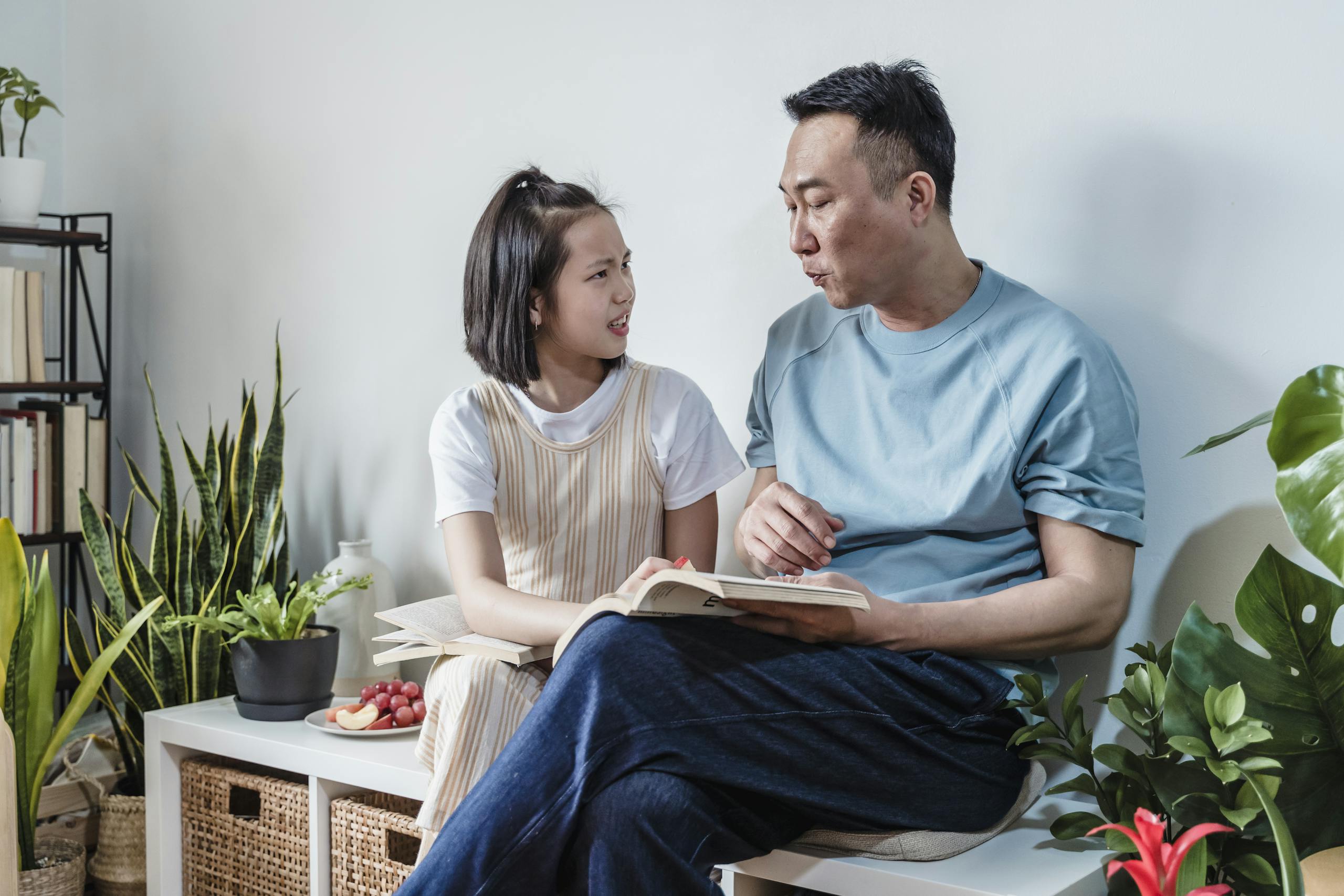
My own path toward something closer to secure functioning has been slow and nonlinear. Running agencies for two decades gave me a lot of practice at competent emotional management, which is different from genuine emotional availability. The shift came not from reading about attachment theory, though that helped, but from relationships that held steady while I tested them. From a partner who didn’t leave when I went quiet. From a therapist who didn’t flinch when I finally said the harder things out loud. That’s what actually moved the needle.
A Psychology Today exploration of romantic introversion captures something relevant here: introverts often bring remarkable depth and attentiveness to their closest relationships, precisely because they don’t spread that energy widely. That depth, when paired with earned secure attachment, becomes one of the most powerful foundations a relationship can have.
Explore the full range of introvert relationship topics, from attraction and dating to love and long-term connection, in our Introvert Dating and Attraction hub. Attachment styles are one piece of a larger picture, and that hub brings the rest of it together.
About the Author
Keith Lacy is an introvert who’s learned to embrace his true self later in life. After 20 years in advertising and marketing leadership, including running agencies and managing Fortune 500 accounts, Keith now channels his experience into helping fellow introverts understand their strengths and build fulfilling careers. As an INTJ, he brings analytical depth and authentic perspective to every article, drawing from both professional expertise and personal growth.
Frequently Asked Questions
What are the four primary caregiver attachment styles?
The four primary attachment styles are secure (low anxiety, low avoidance), anxious-preoccupied (high anxiety, low avoidance), dismissive-avoidant (low anxiety, high avoidance), and fearful-avoidant (high anxiety, high avoidance). Each develops through early interactions with primary caregivers and shapes how a person approaches intimacy, conflict, and emotional connection in adult relationships.
Are introverts more likely to be avoidantly attached?
No. Introversion and avoidant attachment are independent dimensions. An introvert can be fully securely attached and simply prefer solitude as a way of managing energy, not as an emotional defense. Avoidant attachment is about suppressing emotional connection as a protective strategy developed in response to early caregiving. Introversion is about how a person processes stimulation and restores energy. The two can coexist, but one does not cause or predict the other.
Can attachment styles change in adulthood?
Yes. Attachment styles can shift through therapy (including emotionally focused therapy, EMDR, and schema therapy), through corrective relationship experiences, and through sustained self-awareness. The concept of “earned secure” attachment describes people who began with insecure patterns and developed secure functioning over time. Change is genuine but typically requires more than intellectual understanding. It usually involves repeated experience of a different kind of emotional relationship that gradually updates the nervous system’s expectations.
Do dismissive-avoidant people actually have feelings for their partners?
Yes. Dismissive-avoidant people do experience feelings. Physiological studies have found that avoidant individuals show internal arousal responses to attachment-related stress even when their outward behavior appears calm. What’s happening is a learned deactivation strategy, an unconscious suppression of emotional signals that developed as an adaptive response to early caregiving environments where expressing need brought rejection or dismissal. The feelings exist but are blocked from conscious awareness and outward expression.
How do attachment styles affect introvert relationships specifically?
Introversion adds a specific layer to attachment dynamics. An introvert’s genuine need for solitude can be misread as emotional withdrawal, and avoidant patterns can be mistakenly attributed to introversion rather than examined on their own terms. In relationships between two introverts, both partners’ needs for space may be so well accommodated that avoidant patterns go unexamined. Knowing the difference between introvert solitude and avoidant emotional suppression is one of the more useful distinctions an introvert can develop in understanding their own relationship patterns.