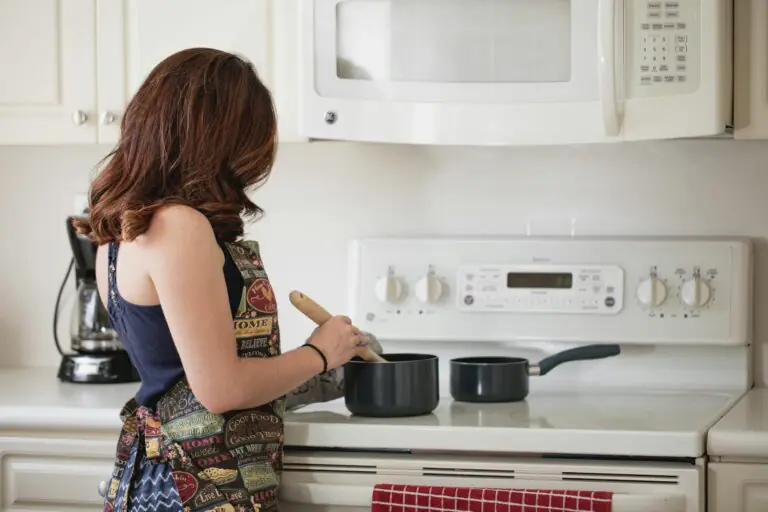

Being a homebody has genuine advantages and real limitations, and most articles about it pretend otherwise. The honest truth is that a preference for home isn’t just a personality quirk or a lifestyle trend. It’s a way of operating in the world that comes with specific strengths worth protecting and specific challenges worth understanding.
As an INTJ who spent two decades running advertising agencies, I’ve lived both sides of this tension. I built a career that demanded constant external presence, client dinners, pitches, conferences, and open-plan offices, while my deepest thinking always happened in quiet rooms. What I’ve come to understand is that the pros and cons of being a homebody aren’t universal. They depend entirely on how honestly you’ve examined your own wiring.

Our Introvert Home Environment hub covers the full spectrum of how introverts relate to their physical spaces, from sensory design to social boundaries, but the specific question of what you gain and what you give up as a homebody deserves its own honest examination.
What Does Being a Homebody Actually Cost You?
Start here, because the costs are real and worth naming clearly before we talk about the benefits. Glossing over them doesn’t serve anyone.
What’s your personality type?
Take our free 40-question assessment and get a detailed personality profile with dimension breakdowns, context analysis, and personalised insights.
Discover Your Type8-12 minutes · 40 questions · Free
The most significant cost is professional visibility. In my agency years, I watched this play out repeatedly. The people who got promoted weren’t always the most capable. They were the ones who showed up at the industry happy hour, who accepted every conference invitation, who made themselves physically present in spaces where decisions were made informally. As someone who preferred to process deeply and work from a quiet corner, I had to be deliberate about counteracting my natural pull toward home. Not because home was wrong, but because the professional world rewards presence in ways that don’t always show up in performance reviews.
There’s also the slow drift that can happen in friendships. Relationships require maintenance, and maintenance often requires showing up in person. When you consistently decline invitations, even for completely valid reasons, the invitations eventually stop coming. Some friendships can sustain long gaps between in-person contact. Many cannot. A homebody who hasn’t thought carefully about this can find themselves socially isolated in ways they didn’t choose and didn’t fully anticipate.
A third cost worth examining is the risk of avoidance masquerading as preference. Not every evening at home is restorative. Sometimes it’s just easier than facing something uncomfortable. I’ve caught myself in this pattern, staying home not because I genuinely needed the quiet, but because a conversation or situation felt hard. The distinction between genuine homebody tendencies and anxiety-driven withdrawal matters, and it’s worth being honest with yourself about which one is operating on any given night. One study published in PubMed Central examining social behavior and wellbeing points to the importance of distinguishing voluntary solitude from socially fearful isolation, a distinction that homebodies would do well to keep in mind.
What Do You Actually Gain When Home Is Your Default?
The benefits are substantial, and I say that not as reassurance but as someone who has watched them compound over years of intentional living.
The most underrated advantage is cognitive depth. When you’re not spending energy on constant social navigation, that energy goes somewhere else. For me, it went into strategic thinking. Some of the best campaign frameworks I ever developed came from long evenings at home where I could let a problem sit in my mind without interruption. My extroverted colleagues would talk through ideas in real time, which worked brilliantly for them. My process required stillness. Home gave me that stillness consistently.

There’s also a financial dimension that rarely gets discussed. Homebodies tend to spend less. Not because they’re frugal by nature, but because many of the things money gets spent on, restaurant meals, entertainment venues, social events, simply come up less often. That money often goes toward making home itself more meaningful. If you’ve ever explored the world of gifts for homebodies, you’ll notice that the items people love most aren’t luxury goods. They’re things that make quiet evenings richer: good lighting, comfortable textures, books, tools for making things. The homebody’s investment portfolio tends to be the home itself.
A third genuine advantage is the quality of the relationships you do maintain. When you’re selective about where you spend your social energy, the connections that survive that selectivity tend to be meaningful ones. I have fewer close friendships than some of my more extroverted colleagues, but the ones I have are characterized by the kind of depth that Psychology Today has written about in the context of why deeper conversations matter more to long-term wellbeing than frequent shallow ones. Homebodies often build those deeper connections naturally, because they’re not spreading their social bandwidth across dozens of acquaintances.
Home also offers something that’s genuinely hard to replicate elsewhere: the ability to design your environment for your own nervous system. For highly sensitive people especially, this is significant. The principles explored in HSP minimalism speak directly to this, the idea that simplifying your physical space can dramatically reduce the sensory load that sensitive people carry through their days. A homebody who understands their own sensory needs can build a space that actively supports their best thinking and most genuine rest.
Is the Homebody Label Doing You Any Favors?
Here’s a question worth sitting with: does calling yourself a homebody clarify something true about you, or does it give you permission to avoid growth?
I’ve thought about this a lot. In my agency days, I could have used introversion or homebody preferences as a reason to avoid the client-facing work that felt uncomfortable. Some of that discomfort was legitimate sensory and social overload. Some of it was just the ordinary difficulty of doing hard things. The label doesn’t always help you tell the difference.
What I’ve found more useful is thinking in terms of what I’m moving toward rather than what I’m opting out of. Choosing to spend a Saturday evening at home reading or working on something meaningful feels different from declining a dinner party because social anxiety made it feel impossible. Both might look the same from the outside. They’re not the same on the inside.
The homebody identity is most useful when it helps you make intentional choices about your time and energy. It becomes less useful when it becomes a fixed story you tell yourself about who you are and what you’re capable of. Identity should be a tool for self-understanding, not a ceiling.

How Does the Homebody Life Interact With Modern Social Connection?
One of the more interesting shifts of the past decade is that being a homebody has become significantly more socially viable. Remote work, streaming, food delivery, and digital communication have all reduced the practical penalties for preferring home. What once required leaving the house now often doesn’t.
This creates a genuine pro: homebodies can now maintain richer social lives from home than was previously possible. Online communities have matured considerably. If you haven’t explored the world of chat rooms for introverts, you might be surprised by how substantive some of those conversations have become. The stereotype of online interaction as shallow or performative doesn’t hold across the board. Many introverts and homebodies find that text-based or low-stimulation digital connection suits their communication style better than the noise and unpredictability of in-person gatherings.
The con, though, is that this same accessibility can make avoidance easier to sustain and harder to notice. When you can order groceries, work, socialize, and entertain yourself without leaving your apartment for weeks, the question of whether you’re thriving or contracting becomes genuinely harder to answer. The friction that once forced homebodies out of the house occasionally has been engineered away, and not all of that friction was bad.
A related finding worth considering: research published in PubMed Central on social isolation and health outcomes suggests that the quality and perceived adequacy of social connection matters more than the quantity or format. A homebody who feels genuinely connected, even through limited or digital means, is in a different position than one who is isolated and lonely but hasn’t named it that way yet.
What Does a Well-Designed Homebody Life Actually Look Like?
This is where the practical side of the conversation gets interesting. The difference between a homebody life that’s genuinely fulfilling and one that’s quietly diminishing often comes down to intentionality.
The physical environment matters more than most people admit. One of the things I’ve noticed in my own home is that the spaces where I do my best thinking are the ones I’ve deliberately shaped for that purpose. Good light, minimal clutter, a comfortable place to sit and read or write. The homebody couch isn’t a joke or a cliché. It’s actually a meaningful piece of infrastructure for people who spend significant time at home. Where you sit, how it’s positioned, what’s within reach, these things shape how you feel and what you’re able to do in your own space.
Intellectual engagement is the other critical variable. The homebodies I know who seem most content are voracious readers, or they make things, or they pursue some form of deep learning or creative work. The ones who seem most stuck are the ones whose home life has contracted to passive consumption. There’s nothing wrong with a good television series, but a homebody life built entirely around watching other people do things tends to feel hollow over time. If you’re looking for reading recommendations that speak to this kind of life, a good homebody book can be a surprisingly meaningful starting point for thinking about what you actually want your home life to contain.
Routine also plays a larger role than it might seem. Without the external structure that a busy social calendar or demanding commute provides, homebodies need to build their own rhythms. Morning practices, work blocks, movement, meal times, these aren’t just productivity hacks. They’re the scaffolding that keeps a home-centered life from becoming shapeless. I learned this the hard way during a period when I was between agency roles and working from home full time. The freedom felt wonderful for about two weeks, and then the lack of structure started to erode everything from my mood to my output.

When Does Being a Homebody Become a Problem Worth Addressing?
There are signals worth paying attention to, and I’d rather name them directly than pretend they don’t exist.
One is when your world keeps getting smaller. Not in a single dramatic moment, but gradually, over months or years. You stop going to the one event you used to enjoy. The friend group thins out. The radius of places you feel comfortable shrinks. A homebody life can quietly contract in ways that are easy to rationalize and hard to notice until you look up and realize how narrow things have become.
Another signal is when home stops feeling like a sanctuary and starts feeling like a hiding place. I’ve experienced both, and they feel genuinely different. A sanctuary is somewhere you return to because it restores you. A hiding place is somewhere you stay because leaving feels threatening. The emotional texture of those two experiences is distinct, even if the behavior looks identical from the outside.
A third signal is when your home preferences are creating friction in relationships that matter to you. A partner who needs more shared external experience, a family that feels shut out, a friendship that’s fading because you’ve declined too many invitations. These aren’t reasons to abandon your preferences entirely, but they are data worth taking seriously. The introvert-extrovert conflict resolution frameworks that psychologists have developed can be genuinely useful here, not for changing who you are, but for finding workable middle ground with people whose needs differ from yours.
None of these signals mean something is wrong with being a homebody. They mean something might be worth examining in your specific situation. That distinction matters.
What the Research Suggests About Solitude and Wellbeing
The psychological literature on solitude is more nuanced than the popular conversation about introversion tends to acknowledge. Solitude isn’t inherently restorative or harmful. Its effect depends heavily on whether it’s chosen, how it’s used, and what meaning the person attaches to it.
Work published in Frontiers in Psychology examining solitude and psychological wellbeing points to the importance of what researchers call “solitude capacity,” the ability to be alone without it becoming distressing. People with higher solitude capacity tend to find time alone genuinely restorative, while those with lower capacity experience the same time as isolating or anxiety-producing. Homebodies who thrive tend to have developed this capacity, whether naturally or through practice.
What this suggests practically is that the quality of your relationship with solitude matters as much as the quantity of time you spend in it. A homebody who has learned to be genuinely present with themselves, to think, to create, to rest without restlessness, is in a fundamentally different position than one who fills every quiet moment with distraction because silence feels uncomfortable.
This is an area where the homebody life can be actively cultivated rather than simply inhabited. The practices that build solitude capacity, meditation, journaling, deep reading, creative work, are all things that fit naturally into a home-centered life. They’re also things that tend to make that life richer over time rather than more constricted.
The Honest Summary: Weighing It All
Being a homebody isn’t a personality flaw or a lifestyle aspiration. It’s a genuine orientation toward the world that comes with specific trade-offs worth understanding clearly.
On the advantage side: cognitive depth, financial intentionality, richer close relationships, environmental control, and the compound benefits of a life built around genuine restoration rather than social performance. These are real and meaningful.
On the cost side: professional visibility challenges, friendship maintenance that requires deliberate effort, the risk of avoidance masquerading as preference, and the possibility of a life that quietly contracts if left unexamined. These are also real and worth taking seriously.
What I’ve found, after two decades of trying to perform extroversion in a demanding industry and then gradually building a life more aligned with how I actually work, is that the homebody orientation is most powerful when it’s chosen consciously. Not as a retreat from difficulty, but as a genuine commitment to a particular kind of depth. The people I know who live this way most well aren’t hiding from anything. They’ve built something worth coming home to, and they know the difference.
If you want to think more broadly about how introverts relate to their physical spaces, the complete Introvert Home Environment hub is a good place to keep exploring. There’s a lot more to this topic than any single article can hold.
And if you’re thinking about the people in your life who share this orientation, the curated homebody gift guide is worth a look. The right gift for a homebody isn’t about bringing the outside world in. It’s about making the inside world better.
About the Author
Keith Lacy is an introvert who’s learned to embrace his true self later in life. After 20 years in advertising and marketing leadership, including running agencies and managing Fortune 500 accounts, Keith now channels his experience into helping fellow introverts understand their strengths and build fulfilling careers. As an INTJ, he brings analytical depth and authentic perspective to every article, drawing from both professional expertise and personal growth.
Frequently Asked Questions
Is being a homebody the same as being an introvert?
Not exactly, though there’s significant overlap. Introversion is a personality trait related to where you draw energy, specifically, a preference for internal processing and a tendency to find extended social interaction draining. Being a homebody is more of a lifestyle preference, a genuine enjoyment of home-based activities and environments. Many introverts are homebodies, but some extroverts also prefer home for reasons unrelated to social energy, such as sensory sensitivity, financial priorities, or simply finding their home life deeply fulfilling. The two concepts reinforce each other but aren’t identical.
Can being a homebody negatively affect your mental health?
It can, under specific conditions. The key distinction is between chosen solitude and social isolation. When time at home is genuinely restorative and freely chosen, it tends to support wellbeing. When it’s driven by anxiety, avoidance, or a lack of social options, it can contribute to loneliness and low mood over time. Homebodies who maintain meaningful connections, pursue engaging activities, and feel content with their social lives tend to fare well. Those whose world is gradually shrinking without their conscious awareness may be experiencing something worth examining more carefully, possibly with professional support.
How do you maintain friendships as a homebody?
With deliberate effort, which is different from forced effort. Homebodies often do better with scheduled, lower-stimulation connection than with spontaneous social events. Regular phone calls, text-based check-ins, small gatherings at home rather than large events out, and being honest with close friends about your preferences rather than simply declining without explanation all help. The friendships that tend to survive a homebody’s lifestyle are the ones where both people feel genuinely seen and where the format of connection has been negotiated honestly rather than assumed.
Does being a homebody hurt your career?
It can create specific challenges, particularly around visibility and informal networking. Many professional relationships and opportunities develop in social settings that homebodies naturally avoid. That said, the rise of remote work has significantly changed this dynamic, and many careers now reward deep focus, written communication, and independent output in ways that suit homebodies well. The practical answer is that it depends on your field and how deliberately you manage your professional presence. Being a homebody doesn’t have to mean being professionally invisible, but it does require more intentionality about how you build and maintain professional relationships.
What are the signs that your homebody tendencies have crossed into unhealthy isolation?
Several patterns are worth watching for. Your world getting progressively smaller over months or years, a sense that leaving home feels threatening rather than simply less appealing, relationships deteriorating because you’ve consistently withdrawn, a loss of interest in things you used to find meaningful, and a feeling of loneliness that persists even when you’re at home. Any of these signals suggest that what you’re experiencing may be less about genuine homebody preference and more about anxiety, depression, or social withdrawal that deserves attention. Homebody life at its best feels like a rich choice. When it stops feeling like a choice, that’s worth paying attention to.