
The bedroom light situation hit me at 11:47 PM on a Tuesday, wife stirring again from the glow washing across our sheets. After weeks of this recurring tension, I realized I’d made the classic mistake: assuming any reading light would work for shared bedrooms.
Introvert bedtime reading isn’t optional. It’s how we process accumulated daily stimulation and restore mental energy. But wrong lighting sabotages both your restoration and your partner’s sleep simultaneously.
After two decades managing Fortune 500 accounts and leading creative teams in high-pressure agency environments, I’d learned that introverts like me need quiet reading time to process the day’s accumulated stimulation. Reading before bed became my non-negotiable mental health practice, the final quiet moment where my thoughts settle and reset. Without it, I feel mentally unfinished, carrying residual tension into sleep.
But my bedside lamp was blasting light across the entire room, destroying the peaceful atmosphere we both needed and making sleep impossible for her. I’d made the fundamental mistake of assuming any reading light would work. It doesn’t. The wrong light sabotages both your mental restoration and your relationship simultaneously.
The breakthrough came after testing five different reading lights over two months and getting brutally honest feedback from my partner. I found a narrow-beam, amber-tone clip light that illuminated only the page, not the room. The difference was immediate. I could read comfortably. My partner stayed asleep. The room stayed dark and calm. We both won.
If you’re an introvert who needs nighttime reading to recharge but shares a bedroom, you don’t have to choose between your mental health and your partner’s rest. You just need the right tools and evidence-based understanding of what actually works.
Sharing a bedroom with a partner comes with its own challenges, especially when your reading schedules don’t align. Finding the right reading light that keeps you cozy without disrupting their sleep is a small but meaningful way to honor both your needs and theirs. Check out our collection of introvert tools and products to discover more solutions designed to help you create the peaceful personal space you deserve.
Why Do Introverts Need Bedtime Reading for Mental Health?
Introversion isn’t about avoiding people. It’s about energy balance and cognitive processing patterns. Social interactions cost energy; solitude restores it. For gifted introverts especially, this dynamic becomes particularly complex, with intensity and sensitivity operating like having a finite internal battery that drains through stimulation and recharges through stillness, reflection, and focused attention, as supported by research from PubMed Central.
What’s your personality type?
Take our free 40-question assessment and get a detailed personality profile with dimension breakdowns, context analysis, and personalised insights.
Discover Your Type8-12 minutes · 40 questions · Free
Reading represents one of those rare activities that fills the battery rather than depleting it. Research from the University of Sussex demonstrates that reading reduces stress by 68 percent, making it more effective than listening to music, drinking tea, or taking walks. For introverts who process the world primarily through internal reflection, reading before bed isn’t indulgent escapism. It’s essential cognitive maintenance.
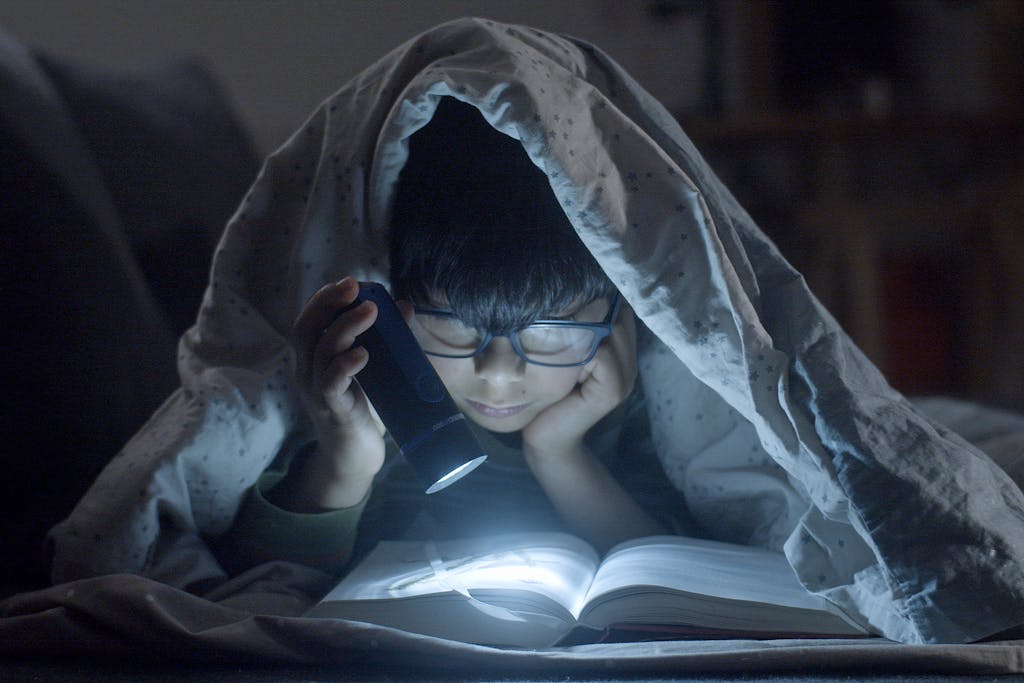
But the wrong reading light sabotages both your mental restoration and your relationship. According to research from PubMed Central, light exposure at night disrupts circadian rhythms and melatonin production, affecting sleep quality and mood regulation. When that light also bothers your partner, you’re creating nightly friction over something that should bring you peace.
My years leading creative teams taught me that introverts often develop superior observational skills and environmental sensitivity. We notice subtle details like light quality, noise levels, and energy shifts that others might miss. That observational capacity became a genuine advantage when testing reading lights. I could immediately identify when something felt wrong, when light spilled where it shouldn’t, or when a warm tone helped me settle versus keeping me alert.
Comprehensive research on couple sleep dynamics reveals that people who sleep beside romantic partners report better sleep quality, reduced fatigue, and lower anxiety compared to those sleeping alone. However, these benefits disappear completely when one partner’s habits disrupt the other’s rest. The light-dark ratio represents one of the most significant variables affecting couple sleep concordance, according to extensive studies on shared sleeping environments.
Your need for quiet, personal rituals isn’t weakness. It’s maintenance. Protect the parts of your routine that refill you. If nighttime reading helps you process the day’s accumulated stimulation, don’t treat it as negotiable. Just find tools supporting your needs without disturbing the people you care about.
What Reading Lights Did I Test for Two Months?
Over two months, I tested five different reading lights with specific criteria: beam control, brightness adjustment, light warmth, partner disturbance, battery life, reading comfort, and page coverage without spill. Each light received at least four to five nights of real-world testing in our actual bedroom environment.
Products evaluated:
- Vekkia LuminoLite Rechargeable Clip-On: Marketed specifically for book reading with multiple brightness levels and flexible gooseneck design
- Glocusent Amber Light Clip-On: Blue-light-free amber-only LEDs designed for nighttime use with adjustable beam control
- Energizer Book Light: Compact, affordable option with standard white LED and basic clip mechanism
- Generic Amber Clip Light: Budget blue-light-free option from Amazon with basic amber LED array
- Kindle Paperwhite Front Light: Used as baseline comparison for e-reader lighting capabilities
My partner’s feedback became the most important metric, brutally clear and impossible to ignore:
“Too bright.”
“It reflects off the ceiling.”
“That one’s okay.”
“That one’s perfect. I can’t see anything at all.”
The winner was the light she didn’t notice. That became my primary success criterion: complete invisibility to a sleeping partner while providing adequate illumination for comfortable reading.
During my years managing creative teams, I learned that the most effective solutions often require extensive testing with real users in actual conditions. Consumer reviews and product descriptions rarely capture performance in your specific environment. My partner’s immediate, honest feedback became more valuable than any marketing copy or technical specifications.
Which Two Features Actually Determine Reading Light Success?
It took testing multiple failures to understand that brightness isn’t the core issue. Light direction is. Diffuse lamps spread across the room regardless of how dim you set them. Targeted, controlled light is what maintains bedroom peace.
After extensive testing and honest feedback, two features emerged as absolutely non-negotiable:
Amber-Only Light Spectrum
Warm amber tones are dramatically less disturbing at night than white or blue-enriched light. Blue wavelengths suppress melatonin production and signal your brain to maintain alertness, which directly contradicts your sleep preparation goals. Extensive research from Harvard Medical School confirms that blue light exposure in evening hours delays your body’s natural sleep onset by shifting your internal circadian clock later.
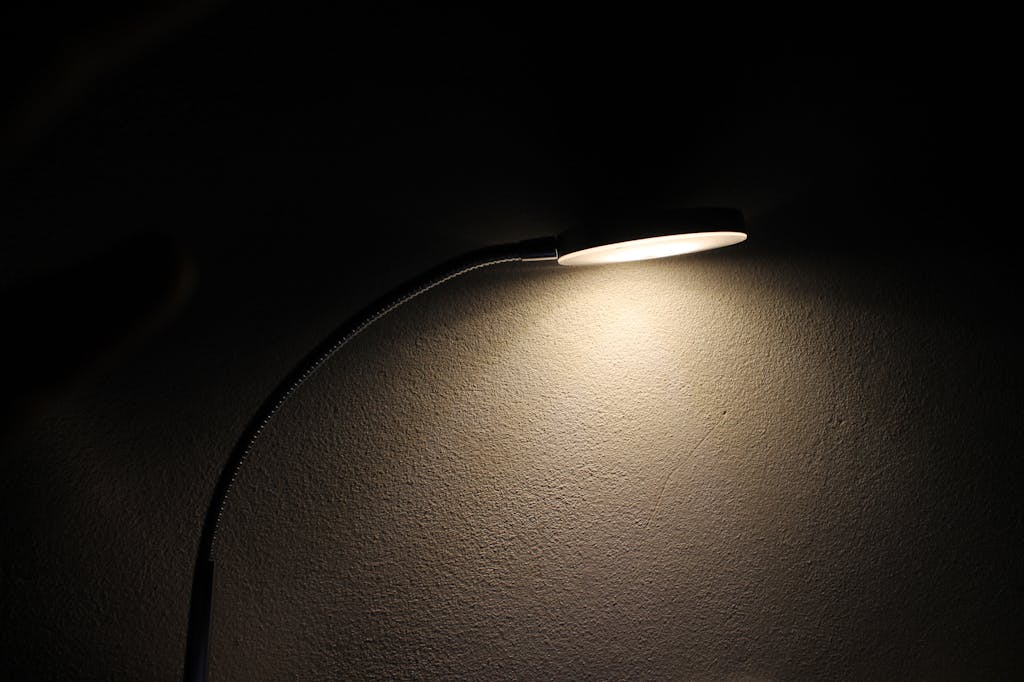
Amber light doesn’t trigger the same alertness response. It provides sufficient illumination for comfortable reading while minimizing disruption to both your melatonin production and your partner’s ability to maintain sleep. The difference isn’t subtle. My partner could immediately distinguish blue-enriched versus amber lights, even with closed eyes, based purely on how the light felt against her eyelids.
Directional, Narrow Beam Control
This represents 90 percent of success. The light needs to illuminate exclusively the page, not the room, your partner’s face, or the ceiling where it bounces back down creating ambient brightness.
Clip-on lights with focused LED arrays outperform traditional lamps because you control exactly where light travels. Gooseneck designs allow precise beam angling onto your book or e-reader without spill. The most effective lights create tight illumination circles, approximately 8 to 10 inches in diameter, that stop sharply at your reading material’s edges.
A genuine surprise from testing: some inexpensive clip-on lights controlled spill better than expensive bedside lamps. Price doesn’t predict performance here. Beam control precision does.
What Are the Best Reading Lights Based on Real Testing?
Based on extensive testing with both solo reading and partner feedback in actual bedroom conditions, here’s what worked and what failed:
1. Glocusent Amber Clip-On (Clear Winner)
This became my daily solution for one definitive reason: zero complaints from my partner across weeks of nightly use. The amber-only LEDs provide warm light that doesn’t spike alertness or disrupt melatonin production. The narrow beam covers entire book pages without spilling onto surrounding areas. Six brightness levels let you dial in precisely enough light without overdoing it.
Performance highlights:
- Beam control: Excellent narrow focus with minimal spill beyond book edges
- Light quality: Amber-only spectrum perfect for nighttime use without alertness spike
- Adjustability: Six brightness levels cover all reading conditions effectively
- Positioning: Flexible gooseneck holds position without drooping during use
- Battery life: Multiple nights between charges with consistent performance
The flexible gooseneck holds position without drooping, the clip grips firmly on books of various thicknesses, and the rechargeable battery lasts multiple nights between charges. Most importantly, it operates completely silently. No hum, no buzz, nothing to notice except the focused pool of light on your page. This makes it an ideal reading light for anyone who values a calm, distraction-free environment.
2. Kindle Paperwhite Front Light
For e-reader users, this remains genuinely unbeatable. The front-lit screen directs light toward the page surface rather than into your eyes or across the room. The warm light setting reduces blue wavelength exposure, and because the light source integrates directly into the device itself, there’s absolutely zero external spill.

The limitation is obvious: it only functions for digital reading. If you alternate between physical books and e-books like I do, you’ll need a second solution for print materials.
3. Vekkia LuminoLite
This performed well for beam control and offered excellent adjustability, but the light skewed more toward cool white than warm amber. That made it less ideal for true nighttime reading when sleep preparation matters. If you’re reading earlier in the evening or need brighter light for small print, it’s a solid option. For late-night use when your partner is sleeping, the color temperature works against your goals.
4. Generic Amber Clip Light
Functional but inconsistent. The amber LEDs delivered appropriate color, but the beam spread too widely, creating noticeable spill. The gooseneck felt flimsy and wouldn’t hold position reliably. For budget-conscious buyers, it’s better than a bedside lamp, but upgrading to the Glocusent makes significant difference in actual use.
5. Energizer Book Light
Compact and inexpensive, but that’s where benefits end. The white LED created harsh, uncomfortable glare. The beam spread unpredictably depending on positioning. My partner noticed it immediately, and I found it uncomfortable for extended reading sessions. Skip this completely.
What Reading Light Approaches Failed Completely?
Two approaches failed dramatically during my testing period:
Using Phone Flashlight Mode
This seemed clever for approximately 30 seconds. The light is harsh, painful on eyes after minutes, and impossible to position consistently without dedicated stands that actually work. It also keeps your phone nearby, which invites distraction and undermines your ability to disconnect for mental restoration. The beam spreads unpredictably and invariably hits your partner’s face regardless of angling attempts.
Why phone flashlights don’t work:
- Harsh light quality: White LED creates uncomfortable glare unsuitable for extended reading
- Inconsistent positioning: Impossible to maintain steady angle without dedicated stands
- Digital distraction: Phone presence undermines mental disconnection and restoration
- Unpredictable beam: Light spreads randomly toward partner regardless of positioning attempts
- Battery drain: Depletes phone battery rapidly, creating additional inconvenience
Low-Watt Bedside Lamp
I thought dimming traditional lamps would solve the problem. It didn’t. Even at lowest settings, diffuse light from lampshades spreads throughout rooms. It illuminates ceilings, reflects off walls, and creates ambient brightness signaling “awake time” rather than “sleep preparation time.” Completely useless for shared bedroom reading.
I also tested a slim gooseneck lamp that hummed quietly. That constant buzz defeated the entire purpose of creating calm reading environments.
How Should You Choose Your Perfect Reading Light?
If you’re shopping for your reading light solution, focus on these critical decision points:
Start with Light Color Specification
Amber or warm-white LEDs exclusively. Avoid anything marketed as “daylight” or “cool white.” These contain blue wavelengths disrupting melatonin and maintaining brain alertness. Look for specifications mentioning 2000K-3000K color temperature or blue-light-free LEDs.
Test Beam Control Precision
In product photos or descriptions, look for focused beam patterns rather than diffuse lighting. Clip-on designs with adjustable necks provide maximum control. If buying in-store, test how tight the light circle appears by positioning it over books.
Key beam control features:
- Focused LED arrays: Multiple LEDs arranged to create tight beam patterns
- Gooseneck flexibility: Adjustable neck allowing precise angle control
- Sharp beam edges: Light should stop cleanly at reading material boundaries
- Minimal spill: No scattered light beyond intended illumination area
- Stable positioning: Neck holds angle without drooping during use
Check Brightness Adjustability
You need multiple brightness levels, not just on/off switches. What feels perfect one night might be too bright the next depending on ambient light, book print size, or your energy level. Three to six brightness settings cover most situations effectively.
Consider Your Reading Mix
If you read exclusively on e-readers, built-in front lighting is genuinely the optimal solution. If you alternate between physical books and digital reading, invest in quality clip-on lights for print books.
Verify Power Source
Rechargeable batteries are more convenient than replaceable ones, but verify charge duration. You don’t want lights dying mid-chapter. Most decent rechargeable reading lights last 8-15 hours on single charges, translating to multiple nights of reading.
How Do You Create Your Complete Bedtime Reading Environment?
The reading light is critical, but a well-designed home environment amplifies its effectiveness for mental recharging.
Position Matters Significantly
Clip your light to book spines or top edges, not sides. This creates downward-angled light staying on pages rather than spreading sideways toward partners. For e-readers, lights should clip to headboards or nightstands at angles illuminating screens without reflecting off glass.
Optimal positioning techniques:
- Book spine attachment: Clips to top spine edge creating downward light angle
- Top-edge positioning: Light source above reading material prevents side spill
- Angle adjustment: 45-degree downward angle provides even page coverage
- Distance control: 6-8 inches from page surface balances coverage and intensity
- Side avoidance: Never position lights on book sides where spill travels toward partners
Integrate with Your Routine
Nighttime reading works best as part of consistent wind-down routines. I read for 20-30 minutes before attempting sleep, which signals my brain that rest is coming. The focused amber light supports this transition instead of fighting it.
Respect Your Partner’s Needs
Even with correct lights, check in occasionally. What works perfectly in winter might be too bright in summer when there’s more ambient light. Small adjustments maintain balance between your reading needs and their sleep quality.
Combine with Other Sleep Optimization
Reading lights solve illumination problems, but they’re one piece of comprehensive sleep optimization. Consider blackout curtains, white noise machines, and temperature control as parts of your overall bedroom environment strategy.
What Does This Mean for Introvert Relationships?
When I first realized my reading setup was affecting her sleep, I felt guilty and frustrated. Not at her, but at myself for not solving it sooner. I hated that something so essential to my mental health was creating nightly friction in our relationship.

Once I started fixing it through systematic testing, I felt relief and, surprisingly, even closer to her. It transformed into a shared problem we solved together. She helped me understand which lights bothered her and which didn’t. I researched options and tested solutions methodically. We both got what we needed without compromise.
That’s the broader lesson here. As introverts, we need personal time and rituals that recharge us. But when we’re in relationships, those needs exist alongside someone else’s needs. The goal isn’t choosing between your restoration and their comfort. It’s finding tools and approaches honoring both simultaneously.
Reading before bed is genuinely essential for my mental health. It’s the final quiet moment where my thoughts settle, decompress, and reset after processing external stimulation all day. If I skip it and go straight to sleep, I feel mentally unfinished. This isn’t optional; it’s simply how I process the world.
But I also learned through this experience that protecting my needs doesn’t mean ignoring impact on others. Finding the right reading light strengthened my relationship because it demonstrated I valued both my restoration and her rest equally. Managing your energy as an introvert includes being thoughtful about how your restoration practices affect the people closest to you.
For anyone struggling with similar tension, I’d tell you: Don’t wait until it becomes silent nightly frustration. Invest early in lights designed for shared spaces. Your partner will sleep better, you’ll maintain your essential reading time, and you’ll remove unnecessary sources of relationship friction.
One practical insight from my agency leadership experience: the best solutions often require upfront time investment to save ongoing friction. Spending two months testing reading lights felt excessive initially, but it eliminated years of potential nightly tension. That time investment returned value immediately and continues paying dividends every single night.
What Are My Final Reading Light Recommendations?
My current setup is the Glocusent Amber Clip-On paired with my Kindle Paperwhite. The Kindle handles most of my reading, but on nights when I want physical books, the Glocusent delivers zero light spill, silent operation, perfect page coverage, and warm amber tone that doesn’t spike my alertness or disturb my partner.
For different reading situations:
- E-reader users: Kindle Paperwhite with warm front lighting provides unbeatable partner-friendly experience
- Physical book readers: Glocusent Amber Clip-On offers best beam control and light quality combination
- Mixed readers: Both devices together cover all reading scenarios perfectly
- Budget option: Generic amber clip light works but with reduced positioning stability
- Travel reading: Compact amber clip lights maintain routine away from home
It just works, night after night, with no complaints from my partner across months of consistent use.
The investment was under $30. The impact on my sleep quality, relationship harmony, and ability to maintain my essential reading ritual was immediate and significant. That represents exceptional return on investment for something I use daily.
You don’t have to choose between reading and respecting your partner. You don’t have to sacrifice your mental health maintenance for someone else’s comfort. You just need the right tools. Specifically, focused-beam amber reading lights that do their job without announcing their presence.
For introverts, reading before bed isn’t luxury. It’s how we think, decompress, and return to ourselves after processing the external world all day. Protect that practice. Find the right tools supporting it. Your mental health and your relationship will both benefit from this investment.
This article is part of our Introvert Tools & Products Hub. Explore the complete guide here.
About the Author
Keith Lacy is an introvert who’s learned to embrace his true self later in life. With a background in marketing and a successful career in media and advertising, Keith has worked with some of the world’s biggest brands. As a senior leader in the industry, he has built a wealth of knowledge in marketing strategy. Now, he’s on a mission to educate both introverts and extroverts about the power of introversion and how understanding this personality trait can discover new levels of productivity, self-awareness, and success.