I spent twenty years building a career in advertising agencies located in major metropolitan areas. Surrounded by millions of people, constant noise, and the relentless energy of urban life, I often found myself fantasizing about disappearing into somewhere quiet. Somewhere with more trees than people. Somewhere I could hear myself think without a car alarm interrupting the thought.
The fantasy felt extreme at the time. Who actually moves to a remote village? People running from something, surely. Or maybe people running toward something they finally understand about themselves.
For extreme introverts, the pull toward remote living represents more than escapism. It reflects a deep understanding of what our nervous systems actually need to function at their best. And increasingly, science supports what many of us have felt intuitively for years.
What Makes Someone an Extreme Introvert
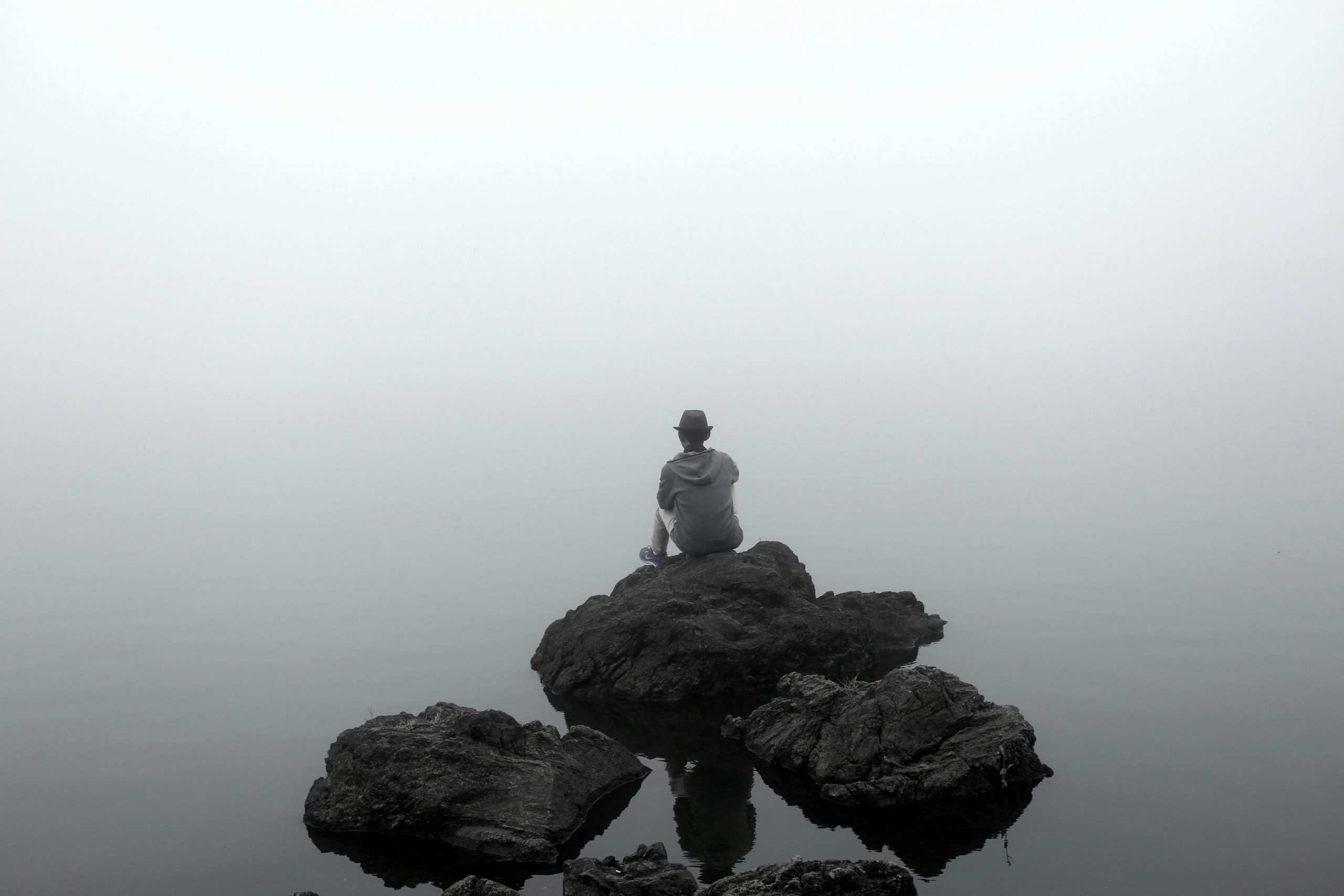
Extreme introversion sits at one end of the temperament spectrum. While most introverts can manage social situations with adequate recovery time, extreme introverts experience social interaction as fundamentally more draining. The stimulation threshold is lower. The recovery period is longer. The preference for solitude is not merely strong but essential.
I recognized this pattern in myself during my agency years. Colleagues would bounce back from client presentations within hours. I needed days. The open office environment that energized some team members left me mentally exhausted by noon. These were not character flaws requiring correction. They were signals pointing toward a fundamental mismatch between my energy management needs and my environment.
Environmental psychologist Stephen Kaplan developed what researchers call Attention Restoration Theory. His work demonstrates that natural environments create a state of “soft fascination,” where we feel simultaneously transported, calm, and buoyant. For extreme introverts, this state is not a luxury. It is medicine.
The Science Behind Remote Living and Mental Health
Rural areas often offer a slower pace of life and less crowded environments, which contributes to reduced stress levels. Access to natural surroundings and open spaces in rural areas positively affects mental wellbeing, promoting relaxation and a sense of connectedness to nature. These findings align with what research published in Frontiers in Psychology describes as the therapeutic value of silence and solitude experienced in natural settings.
The wilderness provides something urban environments cannot replicate. It offers tranquility and peace devoid of artificial noise and intrusions. People who spend extended time alone in nature report mental renewal attributed to rest from anxiety and mental fatigue. They describe independence, individuality, and self evaluation as functional attributes of being in natural settings far from manipulation and domination from others.
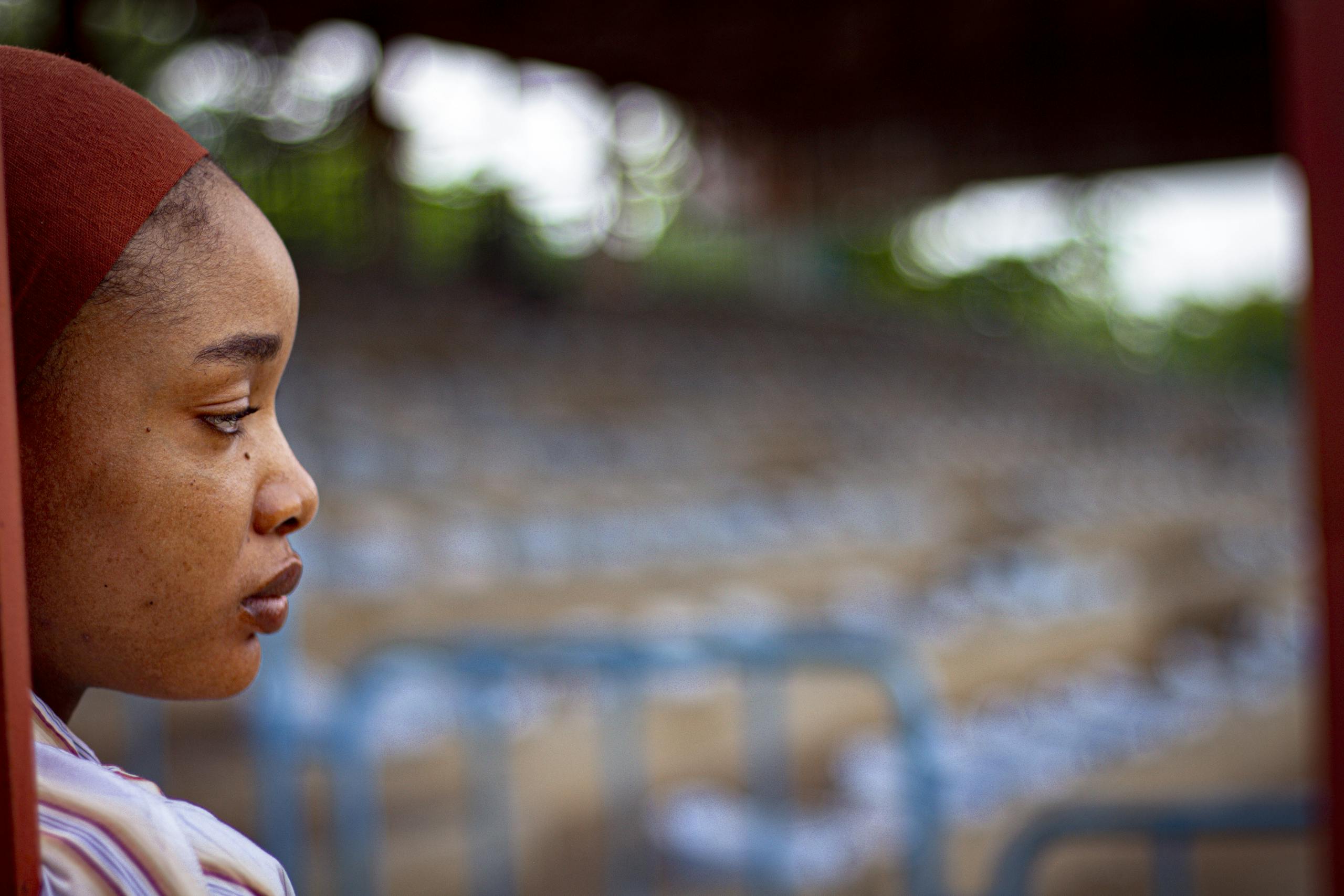
During my burnout recovery period, I spent three weeks in a small coastal village in Portugal. The population hovered around 400 people. I could walk the entire town in fifteen minutes. The silence was not absence. It was presence. I could hear waves, birdsong, wind through eucalyptus trees. My nervous system, accustomed to processing the chaos of agency life, finally had permission to rest.
Remote Villages That Attract Extreme Introverts
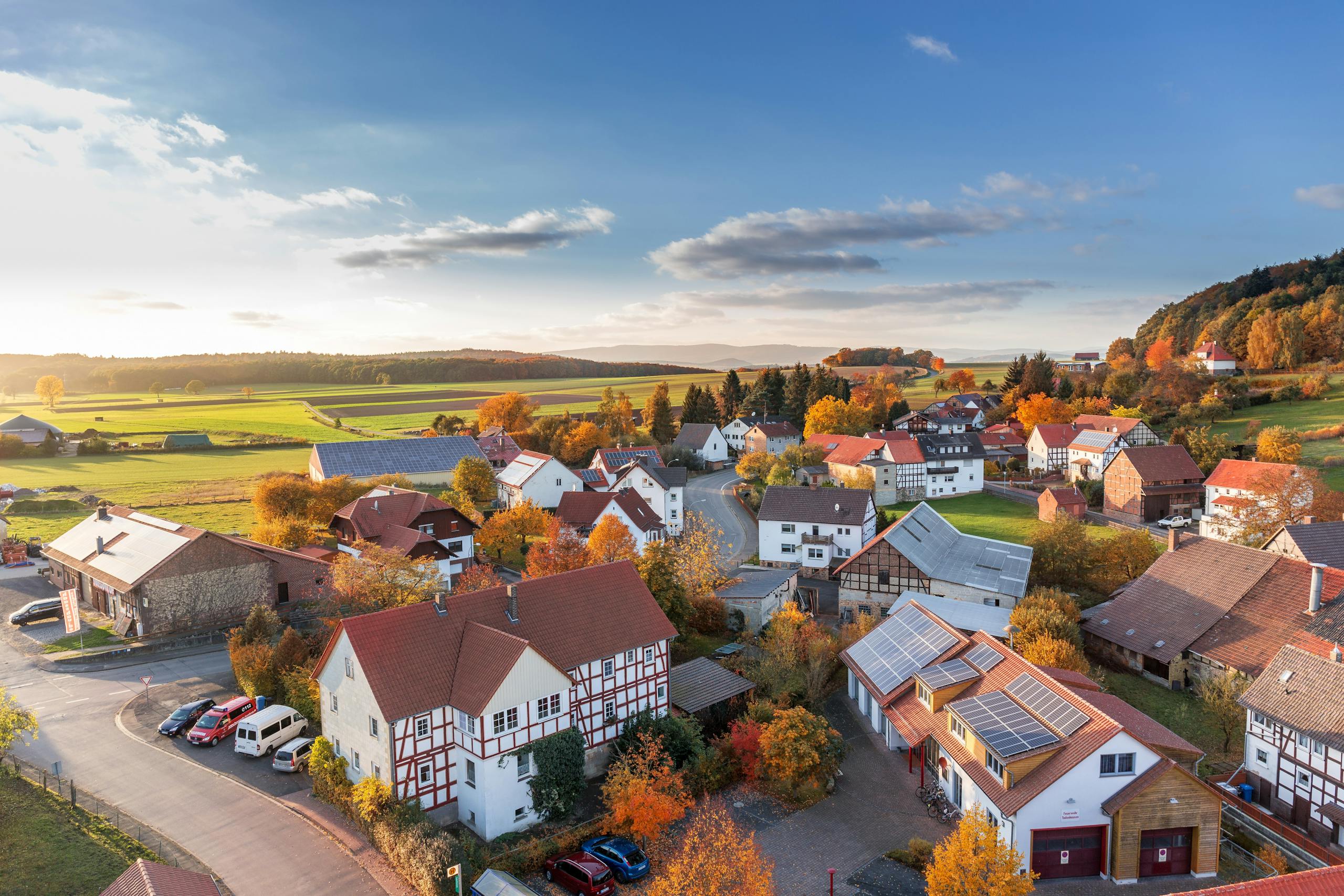
Remote villages exist on every continent, each offering distinct advantages for those seeking genuine solitude. The common thread connecting desirable locations involves low population density, distance from major urban centers, preserved natural environments, and communities that respect privacy.
Scandinavian countries contain numerous small villages where the cultural value placed on personal space aligns with introvert fulfillment. The Swedish concept of lagom emphasizes balance and moderation. Finnish villages near the Arctic Circle offer months of darkness and snow, creating natural barriers to overstimulation. These environments do not merely tolerate introversion. They celebrate it.
Mountain villages in the Alps, Pyrenees, and Rockies provide geographic isolation that urban transplants find liberating. The elevation creates literal distance from lowland population centers. Weather patterns limit casual visitors. Residents choose these locations deliberately, which tends to attract others who value solitude.
Coastal communities in rural Ireland, Scotland, and Nova Scotia combine dramatic natural beauty with sparse populations. The maritime climate keeps summers mild and winters manageable. Fishing villages that once thrived on industry now attract writers, artists, and remote workers seeking environments conducive to deep concentration.
The Practical Challenges of Remote Village Life
Romanticizing remote living serves no one. The reality involves practical challenges that require honest assessment before making major life changes.
Healthcare access becomes a legitimate concern in remote areas. Rural health research indicates that patients in rural areas who need mental health services typically see their primary care provider first, as specialists are often unavailable locally. Travel time to emergency facilities can extend significantly. These considerations demand planning rather than avoidance.

Social isolation presents a different challenge than chosen solitude. Rural communities tend to be tight knit, which can foster a stronger sense of community and social support. However, this tight knit nature creates a double edged sword. Some find comfort in it while others find it claustrophobic and judgmental. For introverts seeking privacy, small town dynamics can feel surprisingly invasive until trust develops over time.
Employment remains the most practical barrier for most people considering remote village life. The rise of remote work has transformed possibilities, but reliable internet access varies dramatically in rural areas. Understanding the patterns that sabotage success helps in planning a sustainable transition rather than an impulsive escape.
Why Extreme Introverts Thrive in Remote Settings
The wilderness solo experience has been studied extensively in outdoor education. Research participants describe solitude experienced in the wilderness as involving awareness and connection to the environment. They experience less separation from society and more connection to the wider world. This finding contradicts assumptions that extreme introverts seek isolation from all connection.
Psychology research identifies four primary reasons people seek solitude in wilderness settings. The first involves disconnecting from digital devices. The second involves physical separation from the sights and sounds of modern life. The third involves dropping social obligations and public personas. The fourth involves introspection and contemplation.
For extreme introverts, remote village life facilitates all four without requiring dramatic wilderness expeditions. Daily life naturally incorporates what others must seek through structured retreats.
The quality of thought changes in environments with reduced stimulation. Breaking free from perfectionism patterns becomes possible when external pressures diminish. Creativity flourishes when the mind has room to wander. Problem solving improves when constant interruption ceases.
Making the Transition Without Burning Bridges
The fantasy of dramatic escape appeals to exhausted introverts everywhere. The reality of sustainable transition requires more thoughtful planning.

Extended visits before permanent moves prevent expensive mistakes. Spending winter in a remote location reveals realities that summer visits cannot predict. Understanding seasonal population fluctuations helps set accurate expectations. Some villages transform during tourist seasons, temporarily eliminating the solitude that attracted you initially.
Financial preparation extends beyond real estate costs. Remote areas often have higher costs for certain goods and services. Transportation expenses increase when destinations require significant travel. Building emergency reserves matters more when help is less immediately available.
Maintaining professional connections despite physical distance has become significantly easier through technology. Remote work infrastructure continues improving even in traditionally underserved areas. The extreme introvert advantage in remote work situations provides natural alignment between temperament and modern employment trends.
The Inner Work Required for Remote Living
Moving to a remote village does not automatically resolve internal struggles. The quiet that extreme introverts crave also eliminates distractions from unprocessed emotions, unresolved conflicts, and uncomfortable truths we have been avoiding.
Research on wilderness solitude reveals that many people do not know how to be alone. They find solitude frightening, boring, or unproductive. The capacity to thrive in solitude develops through practice rather than arriving fully formed. Understanding why choosing solitude matters provides foundation for the inner work remote living requires.
Solitude differs fundamentally from loneliness. The distinction matters enormously for extreme introverts considering remote village life. Loneliness involves a painful sense of disconnection from others. Solitude involves chosen time alone that facilitates connection with self. Research demonstrates that comfort in being alone correlates with lower depression, fewer physical symptoms, and greater life satisfaction.
The wilderness provides what psychologists call cognitive freedom. This mental space allows integration of thoughts and experiences. It supports processing anxiety and mental fatigue. It enables the kind of deep reflection that crowded environments actively prevent.
Building Community as an Extreme Introvert
Extreme introverts moving to remote villages face an apparent paradox. The desire for solitude coexists with genuine need for some human connection. Small communities can actually satisfy this need more effectively than urban environments.

Urban social interaction often involves superficial contact with strangers. Brief encounters provide stimulation without satisfaction. Remote village life reverses this pattern. Fewer interactions carry more depth. Neighbors become known gradually over time. Relationships develop through repeated genuine contact rather than forced networking.
The extreme introvert can establish clear boundaries more easily in small communities than in urban environments where social pressure operates constantly. Village life accepts that some residents value privacy. The cultural expectation of constant availability that plagues urban introverts simply does not exist in the same way.
Finding others who understand what it means to embrace introversion becomes easier when you select environments that naturally attract similar temperaments. Remote villages draw people who have actively chosen solitude. This self selection creates communities where introversion requires no explanation or defense.
Is Remote Village Life Right for You
The honest answer requires more self knowledge than most fantasy escapes demand. Remote village life suits extreme introverts who have developed genuine capacity for solitude, who possess practical skills for managing daily life with limited services, who have established sustainable income sources compatible with rural locations, and who understand the difference between running away and running toward.
Trial periods reveal more than extended contemplation. Renting before buying prevents irreversible mistakes. Starting with locations that offer some services while you develop self reliance skills provides safer transitions than immediate immersion in extreme remoteness.
The extreme introvert considering remote village life already knows something important. The intuition pulling toward solitude and natural environments reflects genuine wisdom about what your nervous system needs. Honoring that wisdom while planning practically creates the best possible foundation for a life aligned with your authentic nature.
After those three weeks in Portugal, I returned to agency life for several more years. But the seed had been planted. The possibility had been proven. The fantasy had become a plan. For extreme introverts everywhere, remote village life represents more than escape. It represents recognition of what we have always needed, combined with the courage to finally pursue it.
Explore more resources for embracing your authentic introvert life in our complete General Introvert Life Hub.
About the Author
Keith Lacy is an introvert who’s learned to embrace his true self later in life. With a background in marketing and a successful career in media and advertising, Keith has worked with some of the world’s biggest brands. As a senior leader in the industry, he has built a wealth of knowledge in marketing strategy. Now, he’s on a mission to educate both introverts and extroverts about the power of introversion and how understanding this personality trait can unlock new levels of productivity, self-awareness, and success.
Frequently Asked Questions
Can extreme introverts handle the limited social options in remote villages?
Extreme introverts often find that limited but meaningful social contact satisfies their connection needs more effectively than abundant superficial urban interactions. The quality of relationships in small communities frequently exceeds quantity. Most extreme introverts report feeling less socially overwhelmed and more genuinely connected after transitioning to remote living.
What careers work best for extreme introverts in remote villages?
Remote work in fields like writing, programming, design, consulting, and online education translates well to village life. Some introverts build location independent businesses before relocating. Others develop practical skills valued in rural communities such as carpentry, sustainable farming, or skilled trades that provide local employment options.
How do I know if I am escaping problems or genuinely seeking a better environment?
Escape involves running from something without addressing underlying issues. Genuine relocation involves running toward a lifestyle aligned with your temperament after honest self assessment. If you have developed healthy coping skills, stable income, and clear understanding of your needs, you are likely seeking rather than escaping.
What are the biggest challenges extreme introverts face in remote villages?
Healthcare access, internet reliability, and social integration present the most common challenges. Small town dynamics can feel surprisingly invasive before trust develops. Weather isolation during certain seasons requires psychological preparation. Financial sustainability without traditional employment structures demands advance planning.
Should I try remote living temporarily before committing permanently?
Extended trial periods strongly benefit anyone considering remote village life. Seasonal variations dramatically affect daily experience in most rural locations. Winter visits reveal realities summer trips cannot predict. Renting before purchasing property prevents costly mistakes and allows genuine assessment of compatibility with specific communities.