
Sitting in a crowded corporate conference room, watching extroverted colleagues thrive in yet another “collaborative brainstorming session,” I wondered if there was a different way to work. Could someone like me build a career that honored my need for deep focus and quiet reflection instead of fighting against it?
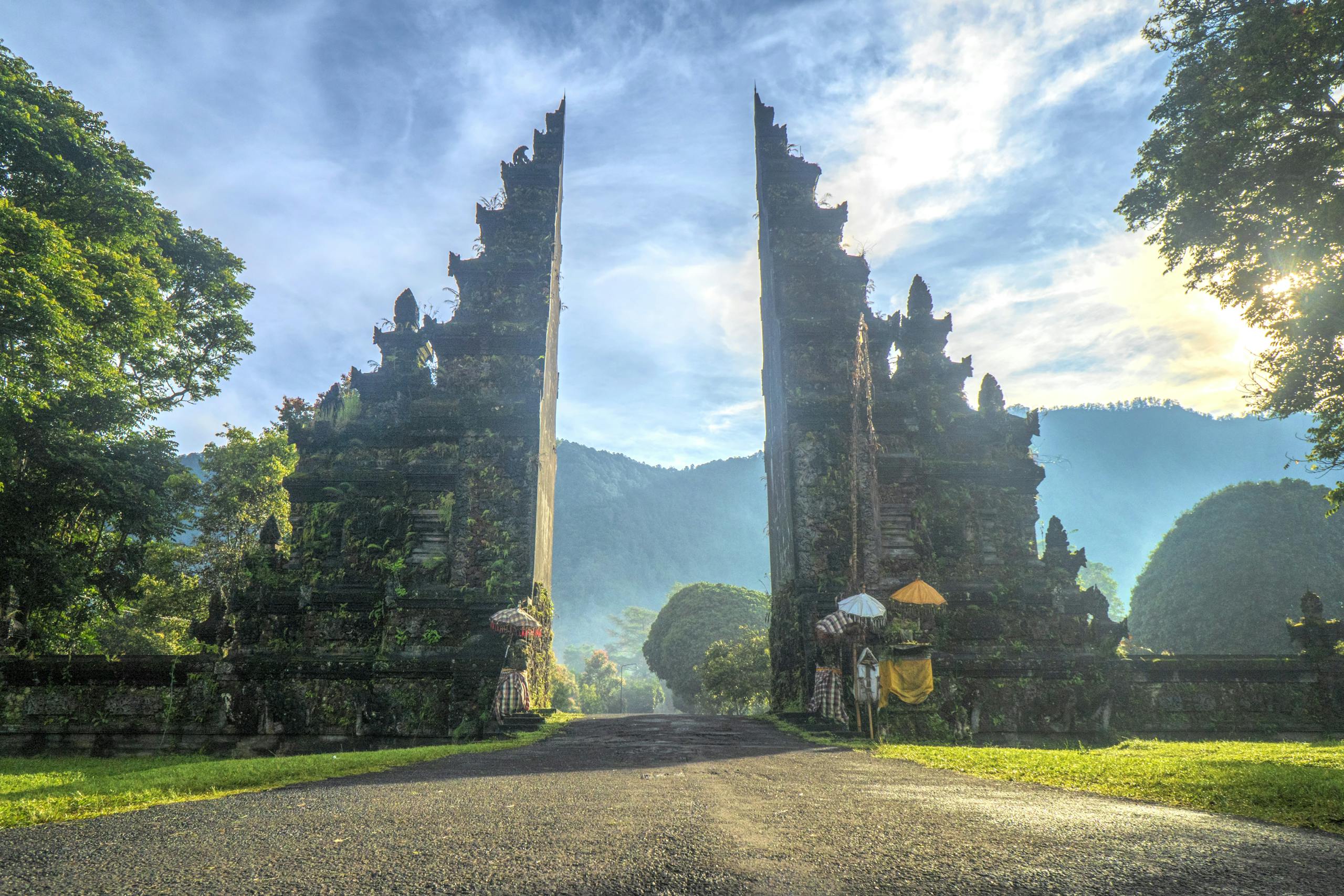
Working remotely from Bali as an introverted digital nomad isn’t just possible – it’s transformative. This Indonesian island has quietly become one of the world’s premier destinations for remote workers who need space to think, create, and recharge without constant social demands.
After twenty years navigating extrovert-dominated corporate environments in media and advertising, I discovered that location independence offered something revolutionary: the ability to design work around my actual energy patterns instead of forcing myself into draining office dynamics. Bali became my testing ground for what professional life could look like when introversion becomes an asset rather than an obstacle to overcome.
Research on remote work and personality types reveals why this matters. Studies published in Frontiers in Psychology indicate that introverts require more recovery time after social interactions because we become overstimulated more easily than extroverts. Traditional offices constantly drain this limited social battery. Working remotely from a place designed for it fundamentally changes that equation.
Why Does Bali Work So Well for Introverted Remote Workers?
Bali offers something rare: complete control over your social exposure. You can disappear into quiet cafes for deep work, then emerge for connection when your energy allows. The island’s natural layout supports this flexibility, with bustling creative hubs in Canggu existing alongside deeply peaceful retreats in Ubud and Uluwatu.
What’s your personality type?
Take our free 40-question assessment and get a detailed personality profile with dimension breakdowns, context analysis, and personalised insights.
Discover Your Type8-12 minutes · 40 questions · Free
The appeal extends beyond stunning rice terraces and temple-dotted landscapes. Bali has developed an ecosystem specifically designed for remote professionals, one that accommodates different working styles without forcing constant interaction. Unlike traditional networking events with exhausting small talk, connections here happen organically through repeated proximity at preferred coworking spaces or cafes.
This aligns perfectly with how introverts prefer to build relationships – gradually, through shared activities rather than forced conversation. The slower pace allows for deeper connections without the pressure of immediate social performance.
**Key advantages for introverted digital nomads:**
- **Flexible social engagement** – Connect when energized, retreat when depleted without judgment or professional consequences
- **Diverse working environments** – Choose your stimulation level daily based on current energy and project needs
- **Natural recovery spaces** – Beach walks, rice field paths, and temple gardens provide easy access to restorative solitude
- **Cost-effective lifestyle** – Introvert-preferred activities (reading, nature, quiet cafes) cost significantly less than extrovert entertainment
- **Time zone advantages** – Overlap with Western business hours while maintaining tropical lifestyle

What Are Your Legal Options for Working Remotely in Bali?
Indonesia addressed the legal framework gap in 2024 by introducing the E33G Remote Worker Visa, specifically designed for digital nomads employed by foreign companies. According to immigration experts at Emerhub, this visa allows remote workers to legally stay in Indonesia for up to one year while working for overseas employers.
For introverts, the application process offers a pleasant surprise – everything happens online, eliminating nerve-wracking in-person interviews. You gather documents, submit electronically, and wait for approval. This streamlined approach respects our preference for written communication over face-to-face interaction.
**E33G Remote Worker Visa requirements:**
- **Annual income proof** – Minimum USD 60,000 from foreign employer
- **Employment documentation** – Contract with non-Indonesian company
- **Financial stability** – Bank statements showing at least USD 2,000 in savings
- **Health insurance** – International coverage required
- **Clean background** – Criminal record check from home country
Shorter stays remain possible through the C-Type Visit Visa, initially valid for 60 days and extendable twice up to 180 days total. This option works well for testing Bali’s waters before committing to longer periods. Many introverts benefit from this trial approach, allowing assessment of whether the environment genuinely suits their energy patterns before making larger decisions.
Which Bali Location Matches Your Introvert Energy Needs?
The location you choose within Bali matters enormously for wellbeing. Each area offers distinct advantages depending on your tolerance for stimulation and social interaction.
**Canggu** has emerged as the island’s unofficial digital nomad capital. The coastal village buzzes with creative energy, surf culture, and endless work-friendly cafes. For introverts who enjoy having community nearby without constant engagement, Canggu provides options. You can work in complete solitude one day and attend networking events the next, depending entirely on energy levels.
The area’s coworking spaces have evolved to accommodate different personality types. According to local workspace guides, spaces like Outpost and Tropical Nomad offer quiet focus zones alongside collaborative areas, plus Skype booths for complete isolation during calls.
**Ubud** presents completely different energy. Located inland among rice terraces and traditional villages, this cultural heart attracts a quieter crowd. The pace slows considerably here. Conversations trend toward depth rather than networking pitches. Many introverts describe Ubud as feeling like coming home.
I remember feeling overwhelmed by Canggu’s social energy during my first week – everything felt like a party I hadn’t been invited to but somehow ended up attending. Moving to Ubud completely shifted my experience. Morning walks through rice fields, afternoon writing sessions overlooking green valleys, early evening quiet that allowed genuine rest. My productivity soared because my nervous system finally had room to settle.
**Uluwatu and Sanur** offer even more solitude for those who need it. These areas lack established nomad infrastructure but compensate with genuine peace. A scooter becomes essential, but the reward is working from cliff-side villas with nothing but ocean sounds as soundtrack.
**Area comparison for introverts:**
| Location | Social Intensity | Nomad Infrastructure | Best For |
| Canggu | High | Excellent | Introverts who want community options |
| Ubud | Medium | Good | Cultural immersion with peace |
| Uluwatu | Low | Limited | Maximum solitude and nature |
| Sanur | Low | Basic | Quiet beach lifestyle |
How Do You Manage Energy as an Introverted Digital Nomad?
Remote work freedom from Bali comes with a hidden challenge: without traditional structure, introverts can accidentally overextend or isolate to unhealthy degrees. Intentional energy management becomes essential for sustaining this lifestyle long term.
Research on introversion suggests we have higher baseline cortical arousal, meaning external stimulation adds to an already elevated internal state. This explains why manageable social situations can suddenly feel overwhelming. In Bali, you have unprecedented control over stimulus exposure.
Understanding your patterns matters more than following generic advice. Some introverts thrive on morning solitude and afternoon social interaction. Others prefer the reverse. Bali’s flexibility allows designing days around actual needs rather than schedules imposed by others.
I developed what I call the “buffer zone” approach. After any extended social interaction – coworking days, networking coffee, or lunch with other nomads – I schedule recovery time. This might mean an afternoon alone in my villa, a solo walk through quieter neighborhoods, or simply sitting in silence with a book at a less popular cafe. These buffers prevent accumulated drain that leads to complete burnout.
**Energy management strategies for Bali:**
- **Schedule recovery buffers** – Block time after social activities for genuine solitude and nervous system reset
- **Rotate working environments** – Alternate between coworking spaces, quiet cafes, and home office based on daily energy
- **Use natural rhythms** – Work during your highest energy periods, rest when depleted without guilt
- **Create retreat spaces** – Establish go-to locations for guaranteed solitude when overstimulated
- **Monitor stimulation levels** – Track what activities drain versus restore your energy in the Bali context
The principles of introvert energy management apply even more crucially in unfamiliar environments. Everything requires slightly more processing when navigating new culture, different language, and unfamiliar systems. Budget extra recovery time during your first weeks. The investment pays dividends in sustained productivity and genuine enjoyment.
Which Coworking Spaces Actually Respect Introvert Needs?
Not all coworking spaces serve introverts equally well. The best ones understand that different workers need different environments and design accordingly.
**Outpost** maintains locations in both Canggu and Ubud, offering consistency for nomads who move between areas. Their Ubud space particularly appeals to introverts, with a ground-floor air-conditioned focus zone designed specifically for concentrated work. The upper floor provides collaborative energy for days when you want connection. This layered approach lets you choose your experience daily.
**Beluna** in Ubud operates as a smaller, calmer alternative. The natural light and garden setting create atmosphere more like working from a thoughtfully designed home than traditional office. Fewer people means fewer distractions and less pressure for constant small talk.
**BWork** in Canggu has developed a reputation for accommodating serious workers. Their quiet zones with adjustable desks and private booths provide genuine solitude. They also offer 24/7 access, which matters enormously for introverts who prefer working during off-peak hours when spaces empty out.
**Introvert-friendly coworking features to look for:**
- **Designated quiet zones** – Spaces specifically designed for focused work without conversation
- **Private booths or offices** – Options for complete isolation during calls or deep work sessions
- **Flexible membership** – Day passes or short-term options without pressure for long-term community commitment
- **Off-peak access** – Ability to work when spaces are less crowded and socially demanding
- **Multiple environment options** – Choice between collaborative and solitary spaces within same location
Bali’s cafe culture deserves mention too. Many introverts prefer working from cafes rather than dedicated coworking spaces. The transaction is simpler: buy coffee, work, leave. No membership, no obligation to attend events, no pressure to participate in community activities. Bali offers hundreds of work-friendly cafes with reliable internet, allowing rotation through different spots depending on mood and energy.

How Do You Build Connections Without Draining Yourself?
One of the most common concerns from introverts considering digital nomad life involves loneliness. Will I be too isolated? Will I miss human connection? The fear works both directions: too much forced socializing or too much accidental isolation.
Bali’s nomad community has developed rhythms that accommodate introverts surprisingly well. Unlike traditional networking events with exhausting small talk and business card exchanges, connections here often happen organically. You see the same faces at preferred coworking spaces. You recognize someone from the breakfast spot you both frequent. Relationships build gradually through repeated proximity rather than forced interaction.
This aligns with how introverts prefer building friendships – fewer, deeper connections rather than wide networks of superficial acquaintances. Bali’s slower pace allows for this kind of relationship development.
Skill-share events and workshops offer structured social interaction that introverts often find more comfortable than open networking. When conversation centers on learning something specific, the pressure of generating topics disappears. You discuss the subject at hand rather than scrambling for small talk.
**Introvert-friendly ways to connect in Bali:**
- **Skill-based workshops** – Photography walks, yoga classes, cooking lessons provide natural conversation topics
- **Repeated proximity connections** – Regular attendance at same coworking spaces or cafes builds relationships gradually
- **Small group activities** – Beach cleanups, hiking groups, or book clubs offer structured social interaction
- **One-on-one coffees** – Deep conversations with individual connections rather than group networking events
- **Shared interest meetups** – Photography, writing, or specific skill groups attract like-minded people
The concept of introvert adventure planning extends to social activities too. Schedule one or two connection opportunities per week rather than trying to maintain constant social engagement. Quality over quantity applies to experiences as much as relationships.
What Does It Actually Cost to Live and Work in Bali?
Cost of living significantly affects how sustainable the digital nomad lifestyle becomes. Bali offers remarkable value compared to Western locations, though costs have increased as the island’s popularity has grown.
A comfortable lifestyle for an introverted remote worker requires different spending than a social butterfly constantly attending events and beach clubs. Your budget stretches further when you prefer quiet evenings with books over bar-hopping, cooking at home over expensive restaurant dinners, and nature walks over ticketed experiences.
**Monthly expense breakdown for introverted nomads:**
- **Accommodation** – USD 500-1200 (private villa or apartment with reliable internet)
- **Coworking/Cafe budget** – USD 100-300 (flexible workspace access)
- **Transportation** – USD 50-150 (scooter rental plus occasional rides)
- **Food** – USD 300-600 (mix of local food and groceries for home cooking)
- **Utilities** – USD 50-100 (electricity, water, mobile data)
- **Entertainment** – USD 100-200 (books, occasional activities, quiet experiences)
Total monthly expenses typically range from USD 1,500 to USD 2,500 for a modest but comfortable life. Introverts often spend less simply because preferred activities trend toward the affordable: reading, writing, walking, observing.
The visa requirement of USD 60,000 annual income provides a useful benchmark. If you earn at that level while spending Bali rates, you build significant savings while enjoying a lifestyle that would cost far more in Europe, North America, or Australia.
Healthcare deserves consideration too. International health insurance remains essential, but Bali’s medical facilities have improved dramatically. For routine needs, local clinics provide competent care at reasonable prices. Serious conditions require evacuation to Singapore or Australia, making comprehensive insurance non-negotiable.

How Do You Navigate Cultural Differences as an Introvert?
Balinese culture itself contains elements that resonate with introverted sensibilities. The emphasis on harmony, reflection, and spiritual practice creates atmosphere that values inner experience rather than constant external expression.
Temple ceremonies happen constantly throughout the island, offering opportunities to observe without participating. The Balinese concept of “tri hita karana” emphasizes balance between humans, nature, and the divine. This philosophy naturally supports the contemplative existence many introverts seek.
However, cultural navigation requires energy too. Learning to communicate with locals who may speak limited English, understanding social norms around temple visits and ceremonies, negotiating everything from villa repairs to scooter rentals. Each interaction consumes processing capacity.
Many introverts find that mastering basic Bahasa Indonesia phrases significantly reduces social friction. A few words of local language change interactions from awkward negotiations into brief, pleasant exchanges. The investment in learning pays ongoing dividends in reduced daily stress.
**Cultural adaptation strategies for introverts:**
- **Learn basic Indonesian phrases** – Simple greetings and politeness reduce communication stress
- **Understand temple etiquette** – Know dress codes and behavior expectations for spiritual sites
- **Respect ceremony times** – Plan around frequent religious celebrations that close roads or businesses
- **Build local relationships gradually** – Invest time with villa owners, regular food vendors, and neighborhood contacts
- **Allow adjustment period** – Give your nervous system weeks to adapt before demanding full productivity
The process of adapting to change happens more smoothly when you build in ample transition time. Rather than arriving and immediately trying to establish productive routines, give yourself permission to simply exist for the first week or two. Observe. Wander. Let your nervous system adjust before demanding output.
What Should You Prepare for Your First Month?
Preparation dramatically affects how smoothly your Bali experience begins. Introverts typically benefit from over-preparation rather than winging it, since reducing uncertainty reduces mental load.
Book accommodation for at least your first two weeks before arrival. The stress of searching for housing while jet-lagged, in an unfamiliar place, with unreliable internet drains energy fast. Many nomads recommend starting in a guesthouse or hotel with included amenities, then transitioning to longer-term villas once you understand the area.
Transportation matters more than you might expect. Learning to ride a scooter opens Bali significantly, but this skill takes time to develop safely. Gojek and Grab, the local ride-hailing apps, work well for initial navigation. Download them before arrival and connect to payment methods that work internationally.
**Essential first-month preparation:**
- **Pre-book accommodation** – Secure housing for first 2-3 weeks to eliminate arrival stress
- **Test internet speeds immediately** – Verify connection quality and identify backup options
- **Get local SIM card** – Purchase data package at convenience stores using passport
- **Download transportation apps** – Install Gojek and Grab with international payment methods
- **Maintain home country routines** – Continue practices like morning journaling or evening reading for stability
Internet reliability varies dramatically between areas and accommodations. Test speeds immediately upon arrival and have backup options identified. Many coworking spaces offer day passes that serve as reliable fallbacks when home internet fails.
The principles of thriving in remote work apply with special force during transition periods. Maintain whatever routines help stabilize your energy. Continue practices like morning journaling, regular exercise, or evening reading. These anchors provide continuity while everything else changes.
When Does Bali Become Too Much? Signs and Solutions
Even paradise can overwhelm an introvert’s system. Recognizing overstimulation signs allows intervention before complete burnout occurs.
Physical symptoms often appear first: persistent headaches despite hydration, sleep that fails to restore energy, appetite changes, or increased sensitivity to noise and light. Emotional indicators include unusual irritability, difficulty concentrating, feeling disconnected from surroundings, and persistent sense of having nothing left to give.
According to research from Myers-Briggs, even introverts don’t necessarily want complete isolation. The ideal tends toward hybrid experiences: periods of social engagement followed by genuine solitude for recovery. Problems arise when balance tips too far in either direction.
**Overstimulation warning signs:**
- **Physical symptoms** – Persistent headaches, disrupted sleep, appetite changes, heightened sensitivity
- **Emotional indicators** – Unusual irritability, concentration difficulty, feeling disconnected or depleted
- **Behavioral changes** – Avoiding previously enjoyable activities, increased isolation or forced socializing
- **Work impact** – Declining productivity, missed deadlines, loss of creative thinking
- **Relationship strain** – Difficulty maintaining connections, withdrawing from supportive relationships
Solutions involve both immediate relief and longer-term adjustments. For immediate recovery, cancel social plans without guilt, spend a full day alone without work demands, immerse in nature through long walks or beach sessions. For structural changes, reconsider living arrangements, adjust coworking schedules, or change your base to quieter areas.
Some nomads find periodic “digital detox” retreats helpful. Ubud offers numerous yoga and meditation retreats designed exactly for this purpose. A few days of structured quiet can reset an overwhelmed nervous system remarkably well.
Understanding how to maintain work-life balance becomes even more critical when your entire environment is new. The boundaries that naturally existed in your previous life have dissolved. You must consciously recreate structures that protect your energy.

What Does Long-Term Success Look Like in Bali?
Many digital nomads treat Bali as temporary adventure. For introverts seeking lasting change, sustainability requires different thinking.
The visa structure encourages long-term stays for those who qualify. The Remote Worker Visa’s one-year duration, renewable once, provides up to two years of stability. Some nomads use this time to build businesses that eventually allow for other visa categories.
Community building happens differently for permanent residents than transient visitors. Investing in relationships with locals rather than just other expats creates deeper roots. Learning Bahasa Indonesia beyond basic phrases opens social doors that remain closed to short-term visitors.
The factors that create genuine fulfillment for introverts remain consistent across locations: meaningful work, deep relationships, time for reflection, and environments that respect our need for solitude. Bali can provide all of these, but only with intentional cultivation.
Some introverts discover that Bali serves best as one element in broader lifestyle design. Spending several months here each year, combined with time in other locations or their home country, creates variety without exhaustion of constant movement. The visa structure supports this approach well.
During my second year spending extended time in Bali, I realized something profound had shifted. I wasn’t trying to fit myself into someone else’s definition of professional success anymore. Instead, I was designing work around my actual strengths: deep thinking, creative problem-solving, and the ability to see patterns that others missed. These qualities, which had felt like liabilities in traditional office environments, became my primary professional assets when I had the space to use them properly.
What Are Your Next Steps Toward Working Remotely from Bali?
If Bali has captured your imagination, approach planning in a way that honors your introverted nature. Research thoroughly before making decisions. Start with shorter trips before committing to extended stays. Build in more recovery time than you think you need.
The digital nomad life appeals to introverts for good reasons: control over environment, flexibility in schedule, freedom from office politics and mandatory socializing. Bali amplifies these benefits while adding natural beauty, cultural richness, and practical affordability.
I spent years believing that someone like me, someone who needed regular solitude and deep work time, could never maintain a location-independent career. Bali proved me wrong. Not because it magically transformed my personality, but because it provided an environment where my natural tendencies became assets rather than obstacles.
Your experience will differ from mine. Every introvert finds their own balance point, their own rhythms, their own version of paradise. But if you’ve felt called toward something different, something that aligns more closely with how you actually operate rather than how extrovert-designed systems demand you operate, Bali deserves serious consideration.
The island will be there when you’re ready. And when you arrive, you’ll find others who understand exactly why you came.
Frequently Asked Questions
Is Bali too social for introverts?
Bali offers remarkable variety in social intensity. Areas like Canggu have high nomad density and frequent events, but quieter regions like Ubud, Sanur, and Uluwatu provide genuine solitude. You control your exposure level by choosing where to live and work. Many introverts find Bali more accommodating than traditional work environments because social engagement becomes optional rather than mandatory.
What income do I need to work remotely from Bali?
The official Remote Worker Visa (E33G) requires demonstrating USD 60,000 annual income from foreign employers. Comfortable living costs range from USD 1,500 to USD 2,500 monthly depending on lifestyle choices and location within the island. Introverts often spend less since preferred activities tend toward affordable options like reading, nature walks, and quiet cafe sessions.
Can I work legally as a freelancer in Bali?
The E33G Remote Worker Visa currently requires employment with a foreign company rather than self-employment. Self-employed freelancers often use the C-Type Visit Visa for shorter stays, though this exists in a legal gray area. Indonesia continues developing visa options for independent workers, so consulting current immigration guidance before arrival remains important.
How reliable is internet in Bali for remote work?
Internet reliability varies significantly by location and accommodation. Coworking spaces in nomad hubs like Canggu and Ubud typically offer fast, stable connections. Home internet quality depends heavily on your specific address and provider. Most serious remote workers maintain backup options through mobile data plans, coworking day passes, or identifying nearby cafes with reliable connections.
What is the best area in Bali for introverted digital nomads?
Ubud generally suits introverts best, offering cultural richness, natural beauty, and a slower pace than coastal areas. The spiritual atmosphere and focus on wellness attract a quieter crowd. Canggu works well for those wanting community nearby without mandatory engagement. Uluwatu and Sanur provide even more solitude for those prioritizing peace over nomad infrastructure.
Explore more lifestyle resources in our complete General Introvert Life Hub.
About the Author
Keith Lacy is an introvert who’s learned to embrace his true self later in life. With a background in marketing and a successful career in media and advertising, Keith has worked with some of the world’s biggest brands. As a senior leader in the industry, he has built a wealth of knowledge in marketing strategy. Now, he’s on a mission to educate both introverts and extroverts about the power of introversion and how understanding this personality trait can unlock new levels of productivity, self-awareness, and success.