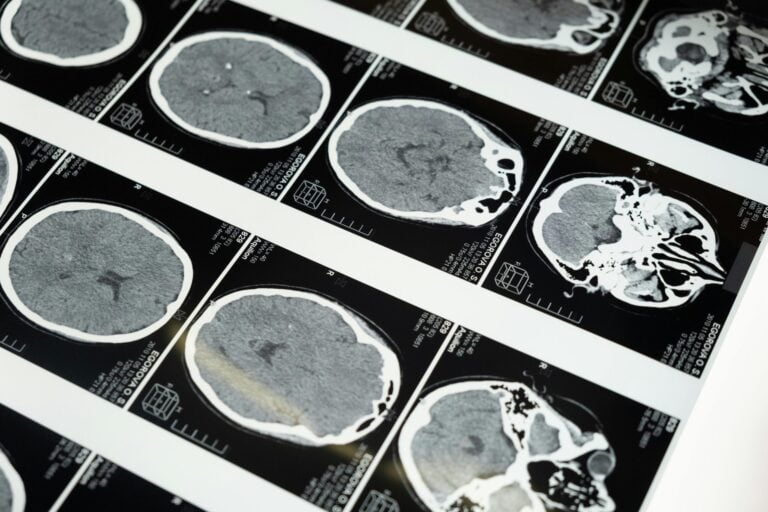

A research paper on social anxiety disorder examines a condition where fear of social judgment becomes so persistent and intense that it disrupts daily functioning, relationships, and professional life. Unlike ordinary shyness or introversion, social anxiety disorder is a recognized clinical condition with measurable neurological patterns, specific diagnostic criteria, and evidence-based treatment approaches. What the science reveals is both more nuanced and more hopeful than most people expect.
Quiet people get misread constantly. I know this from two decades running advertising agencies, where the loudest voice in the room was often mistaken for the most confident one. My own tendency to observe before speaking, to process internally before responding, got labeled as aloofness or even anxiety by people who didn’t understand introversion. That misreading matters, because conflating introversion with social anxiety disorder does real harm to people who need accurate information about what they’re actually experiencing.

Mental health intersects with personality in complicated, often misunderstood ways. Our Introvert Mental Health Hub covers the full range of these intersections, but the research on social anxiety disorder adds a layer of clinical precision that helps introverts, highly sensitive people, and anyone who’s ever wondered whether their social discomfort crosses a clinical threshold understand what’s actually happening in the brain and body.
What Does a Research Paper on Social Anxiety Disorder Actually Study?
Academic research on social anxiety disorder covers several distinct territories. Neuroimaging studies examine how the brain responds to perceived social threat. Clinical trials measure the effectiveness of cognitive behavioral therapy, medication, and combined approaches. Epidemiological work tracks prevalence across populations, cultures, and age groups. Developmental research explores how early experiences shape the nervous system’s sensitivity to social evaluation.
What’s your personality type?
Take our free 40-question assessment and get a detailed personality profile with dimension breakdowns, context analysis, and personalised insights.
Discover Your Type8-12 minutes · 40 questions · Free
What ties these threads together is the core diagnostic framework. The DSM-5 criteria from the American Psychiatric Association define social anxiety disorder as marked fear or anxiety about social situations where the person is exposed to possible scrutiny by others. That fear must be persistent, typically lasting six months or more, and must cause significant distress or functional impairment. It’s not about disliking small talk. It’s about a nervous system that treats ordinary social exposure as genuine threat.
Early in my agency career, I managed a copywriter who would physically tremble before client presentations. Not butterflies. Trembling. She’d excuse herself to the bathroom beforehand and sometimes didn’t come back. At the time, I didn’t have the language for what I was witnessing. I just knew it was something different from my own pre-presentation stillness. What I now understand is that she was likely experiencing the kind of physiological fear response that research consistently documents in people with social anxiety disorder, where the body’s threat detection system fires at a magnitude disproportionate to the actual risk.
How Do Researchers Distinguish Social Anxiety From Everyday Social Discomfort?
One of the most important contributions of clinical research has been developing reliable ways to measure the difference between normal social nervousness and diagnosable social anxiety disorder. The distinction isn’t about intensity alone. It’s about persistence, pervasiveness, and the degree to which fear reshapes a person’s choices and life.
The American Psychological Association notes that shyness, introversion, and social anxiety exist on a spectrum but represent genuinely different phenomena. Shyness tends to fade once a person warms up to a situation. Introversion reflects a preference for less stimulating environments, not a fear of judgment. Social anxiety disorder involves persistent anticipatory dread, avoidance behavior, and physiological responses that don’t resolve simply because a situation becomes familiar.
Researchers use structured clinical interviews alongside validated self-report measures to make these distinctions. The Liebowitz Social Anxiety Scale, developed in the 1980s, remains one of the most widely used tools in both clinical practice and research. It separates fear from avoidance across a range of social and performance situations, giving clinicians a clearer picture of where a person’s experience falls on the severity spectrum.
What makes this research personally meaningful to me is how much of it challenges the assumption that social discomfort is always pathological. As an INTJ, I’ve spent years in environments that rewarded extroverted performance. Pitching to Fortune 500 clients, presenting campaign strategies to rooms full of skeptical marketing executives, managing creative teams through conflict. None of that was comfortable for me. But discomfort and disorder are different things, and the research makes that distinction clearly.

What Does the Research Reveal About Sensory Sensitivity and Social Fear?
One of the more fascinating threads in current social anxiety research is its overlap with sensory processing sensitivity. People high in this trait, often called highly sensitive people, process environmental and social information more deeply than average. That depth of processing can amplify both positive and negative social experiences.
For people who already struggle with HSP overwhelm and sensory overload, social environments carry an additional cognitive load that can tip ordinary social nervousness toward something more debilitating. The fluorescent lights, the ambient noise, the competing conversations, the need to monitor facial expressions while simultaneously managing your own responses. That’s a lot of simultaneous processing for a nervous system already running at high sensitivity.
Research published in PubMed Central has examined the relationship between sensory processing sensitivity and anxiety more broadly, finding meaningful correlations between the two traits while also noting they’re not identical. High sensitivity doesn’t cause social anxiety disorder, but it may create conditions where social threat signals are processed with greater intensity, making the nervous system’s fear response easier to trigger.
I watched this dynamic play out repeatedly in agency life. The most creatively gifted people on my teams were often the most sensorially attuned, picking up on subtle shifts in client mood, noticing when a presentation was losing the room before anyone else did. That same sensitivity made certain social environments genuinely taxing for them in ways that went beyond introversion. Understanding the research helps explain why those two things, creative depth and social exhaustion, so often travel together.
The connection between sensitivity and HSP anxiety deserves its own careful attention, particularly for people trying to understand whether what they experience in social situations is a personality trait, a clinical condition, or some combination of both.
How Does Emotional Processing Factor Into Social Anxiety Research?
Emotional processing sits at the center of several important research lines on social anxiety disorder. The condition involves not just fear of social situations but a particular pattern of emotional interpretation: a tendency to read ambiguous social cues as threatening, to remember negative social experiences more vividly than positive ones, and to ruminate extensively after social interactions.
This post-event processing, as researchers call it, is one of the more distinctive features of social anxiety disorder. After a social interaction ends, many people with the condition replay it in detail, searching for evidence of embarrassment or rejection. That replay doesn’t serve a useful function. It amplifies distress without generating new information or better strategies.
For people who already process emotions deeply, as described in the research on HSP emotional processing, this post-event rumination can be especially intense. The same capacity for depth that makes someone a perceptive colleague or a thoughtful friend can become a liability when it’s turned inward on a painful social memory.
Cognitive behavioral research has focused extensively on interrupting this rumination cycle. success doesn’t mean stop processing emotions, it’s to redirect that processing toward more accurate and less distorted interpretations of social events. A client who seemed distracted during your presentation probably had a deadline on their mind, not a problem with you. The research on cognitive restructuring consistently shows that changing the story people tell about social events reduces anxiety more effectively than trying to reduce emotional sensitivity itself.

What Role Does Empathy Play in Social Anxiety, based on available evidence?
The relationship between empathy and social anxiety is more complicated than it might appear. High empathy, the capacity to read and resonate with other people’s emotional states, can be both a protective factor and a vulnerability when it comes to social anxiety disorder.
On the protective side, empathic people often develop strong social skills precisely because they’re attuned to others. They notice when someone needs support, when a conversation is going sideways, when a colleague is struggling. Those skills can reduce actual social missteps, which in turn reduces the kind of negative feedback that feeds social anxiety.
On the vulnerability side, high empathy means absorbing a great deal of social and emotional information from every interaction. As explored in the writing on HSP empathy as a double-edged sword, that absorption has real costs. When you feel others’ discomfort as your own, social environments become emotionally expensive in ways that can eventually produce avoidance, not because you dislike people, but because the emotional cost of engagement has become too high.
Research on social anxiety and empathy has found that people with the condition often score high on measures of cognitive empathy, the ability to understand what others are thinking and feeling, while simultaneously showing heightened sensitivity to negative evaluation. That combination creates a particular trap: you’re skilled at reading social situations, which means you’re also skilled at imagining exactly how others might be judging you.
As a Psychology Today analysis on introversion and social anxiety points out, the overlap between these traits creates genuine diagnostic complexity. An empathic introvert who avoids large gatherings might be expressing a healthy preference, or they might be managing undiagnosed social anxiety. The research suggests that motivation matters: preference-driven avoidance feels different from fear-driven avoidance, both subjectively and in terms of long-term wellbeing.
What Does Research Reveal About Social Anxiety and the Fear of Imperfection?
Perfectionism and social anxiety have a well-documented relationship in the clinical literature. Specifically, socially prescribed perfectionism, the belief that others hold impossibly high standards for you, consistently emerges as a significant predictor of social anxiety symptoms. It’s not about your own standards for yourself. It’s about the standards you believe others are applying to your every word and action.
This matters because it reframes what social anxiety is actually about. At its core, the condition often involves a particular cognitive distortion: the belief that your performance in social situations is under constant expert scrutiny, and that any misstep will result in lasting judgment or rejection. That belief makes ordinary social interactions feel like high-stakes evaluations.
For people who already struggle with HSP perfectionism and high standards, this dimension of social anxiety can be especially pronounced. The internal critic that drives perfectionist behavior doesn’t stay quiet in social situations. It narrates every conversation, evaluating tone, word choice, facial expression, and perceived reception in real time.
In my agency years, I saw this pattern frequently in talented people who were terrified of presenting their work. Not because they lacked confidence in the work itself, but because they couldn’t separate the work from their own worth as a professional. When a client pushed back on a campaign concept, some people heard creative feedback. Others heard a verdict on their value as a person. That second interpretation is characteristic of the socially anxious perfectionist, and the research bears it out.
How Does Rejection Sensitivity Feature in Social Anxiety Research?
Rejection sensitivity is one of the most clinically significant features of social anxiety disorder, and it’s received substantial research attention. People with high rejection sensitivity don’t just fear rejection in the abstract. Their nervous systems are primed to detect it, often reading neutral or ambiguous social signals as evidence of disapproval or exclusion.
A colleague who doesn’t respond to an email immediately becomes someone who’s annoyed with you. A manager who seems distracted in a meeting becomes someone who’s questioning your performance. A friend who cancels plans becomes someone who’s pulling away. These interpretations feel like observations rather than distortions, which is part of what makes rejection sensitivity so difficult to address without professional support.
The research on HSP rejection and healing speaks to how deeply rejection registers for sensitive people, and the social anxiety literature adds a clinical layer to that understanding. When rejection sensitivity is severe enough to drive avoidance of relationships, professional opportunities, or ordinary social situations, it moves from personality trait into clinical territory.
What makes this research practically useful is its implications for treatment. Cognitive behavioral approaches specifically target rejection sensitivity by helping people examine the evidence for their interpretations, consider alternative explanations, and gradually build tolerance for the uncertainty that comes with any genuine social connection. success doesn’t mean stop caring about what others think. It’s to develop a more calibrated relationship with social feedback.

What Treatment Approaches Does the Research Actually Support?
The treatment research on social anxiety disorder is among the most developed in all of clinical psychology. Cognitive behavioral therapy, particularly exposure-based approaches, has the strongest evidence base. The core principle is straightforward even when the practice is difficult: repeated, graduated exposure to feared social situations, combined with cognitive restructuring of threat-based interpretations, reduces the fear response over time.
What the evidence suggests is that avoidance maintains anxiety. Every time a person with social anxiety disorder sidesteps a feared situation, they get short-term relief and long-term reinforcement of the belief that the situation was genuinely dangerous. Exposure therapy works by interrupting that cycle, allowing the nervous system to learn through direct experience that the feared outcome either doesn’t occur or is survivable when it does.
According to Harvard Health’s overview of social anxiety disorder treatment, both psychotherapy and medication have demonstrated effectiveness, with combined approaches often producing the strongest outcomes. SSRIs and SNRIs are the most commonly prescribed medications, and they work best as part of a broader treatment plan rather than as standalone interventions.
Group therapy deserves particular mention because it addresses social anxiety in the context where it most needs to be addressed: actual social interaction. Being in a room with others who share the same fears, practicing social engagement in a supported environment, and receiving corrective feedback from peers rather than just a therapist creates a form of graduated exposure that individual therapy can’t fully replicate.
Mindfulness-based approaches have also accumulated a meaningful evidence base. Not as a replacement for exposure work, but as a complement to it. Mindfulness helps people observe their anxious thoughts and physical sensations without immediately acting on them, creating a small but crucial gap between the fear response and avoidance behavior. That gap is where change becomes possible.
What Does Research Tell Us About Social Anxiety Across Different Populations?
Social anxiety disorder is one of the most common anxiety conditions globally, but its expression varies meaningfully across cultures, age groups, and demographic contexts. Understanding that variation is part of what makes population-level research valuable.
Cross-cultural research has found that while the core features of social anxiety disorder appear across cultures, the specific social situations that trigger fear vary considerably. In some cultural contexts, fear of offending others or causing them embarrassment is more prominent than fear of embarrassing oneself. This suggests that social anxiety disorder isn’t simply a universal fear of judgment but a condition shaped by the specific social norms and expectations of a person’s environment.
Age-related evidence suggests that social anxiety disorder often emerges in adolescence, a period when social evaluation becomes particularly salient and peer relationships take on outsized importance. The American Psychological Association’s overview of anxiety disorders notes that early identification and intervention can significantly alter the developmental trajectory of the condition, reducing the likelihood of chronic impairment in adulthood.
Research on gender differences has found that social anxiety disorder is somewhat more prevalent among women, though men may be less likely to seek treatment. Occupational research has examined how social anxiety disorder affects career development, finding that people with the condition are more likely to underperform relative to their actual capabilities, avoid promotions that require increased social visibility, and experience greater work-related stress.
That last finding resonates with me professionally. Over two decades of agency work, I watched capable people consistently self-select out of leadership roles, not because they lacked the skills but because the social demands of leadership felt genuinely overwhelming. Some of those people were introverts who needed better strategies. Some were likely dealing with something that deserved clinical attention. The research helps explain why those two groups needed different kinds of support.
Where Does the Research on Social Anxiety Disorder Point Next?
Current research is moving in several promising directions. Digital therapeutics, including app-based CBT programs and virtual reality exposure therapy, are expanding access to evidence-based treatment for people who face barriers to traditional in-person care. Early results are encouraging, particularly for virtual reality approaches that allow controlled, repeatable exposure to social situations that would be difficult to engineer in real life.
Genetic and neurobiological research is refining our understanding of who is most vulnerable to developing social anxiety disorder and why. While no single gene or brain structure explains the condition, the research consistently points toward heightened reactivity in neural circuits involved in threat detection and social evaluation. That biological grounding doesn’t reduce social anxiety to a fixed trait. It helps explain why some people need more intensive support to build the same social confidence that others develop more easily.
Research on prevention is also expanding, with particular attention to school-based programs that teach cognitive and emotional skills to children and adolescents before anxiety becomes entrenched. The evidence suggests that building early competencies in recognizing and challenging anxious thoughts can reduce the severity of social anxiety symptoms even in high-risk populations.
A PubMed Central study on anxiety treatment outcomes highlights the importance of personalized approaches, recognizing that what works for one person may not work for another, and that treatment matching based on individual symptom profiles and preferences improves outcomes. That finding aligns with something I’ve always believed about people: the most effective support is specific, not generic.
What strikes me most about where the research is heading is its increasing integration with what we know about personality, sensitivity, and emotional depth. Social anxiety disorder doesn’t exist in a vacuum. It develops in people with particular nervous systems, particular histories, and particular ways of processing the world. The more the research honors that complexity, the more useful it becomes for the people who need it most.
If you’re exploring the broader intersection of introversion, sensitivity, and mental health, the Introvert Mental Health Hub brings together resources on anxiety, emotional processing, overwhelm, and more, all through the lens of what it actually means to be wired for depth in a world that often rewards volume.
About the Author
Keith Lacy is an introvert who’s learned to embrace his true self later in life. After 20 years in advertising and marketing leadership, including running agencies and managing Fortune 500 accounts, Keith now channels his experience into helping fellow introverts understand their strengths and build fulfilling careers. As an INTJ, he brings analytical depth and authentic perspective to every article, drawing from both professional expertise and personal growth.
Frequently Asked Questions
What is the main focus of research papers on social anxiety disorder?
Research papers on social anxiety disorder examine a range of interconnected topics including the neurological mechanisms behind social fear, the diagnostic criteria that distinguish the condition from ordinary shyness or introversion, the effectiveness of various treatment approaches, and how the condition manifests across different populations and cultural contexts. The clinical research uses structured interviews, neuroimaging, validated self-report scales, and randomized controlled trials to build an evidence base that informs both diagnosis and treatment.
How do researchers differentiate social anxiety disorder from introversion?
Researchers distinguish social anxiety disorder from introversion primarily through motivation and impairment. Introversion reflects a preference for less stimulating social environments and a tendency to recharge through solitude. Social anxiety disorder involves persistent fear of negative evaluation, anticipatory dread of social situations, and avoidance behavior that causes significant distress or functional impairment. An introvert may prefer a quiet evening at home. A person with social anxiety disorder may want to attend a gathering but be prevented from doing so by intense fear. The distinction lies in whether social preferences are driven by genuine preference or by fear.
What does research say about the connection between high sensitivity and social anxiety?
Research has found meaningful correlations between sensory processing sensitivity and anxiety, including social anxiety. Highly sensitive people process environmental and social information more deeply than average, which can amplify both positive and negative social experiences. That depth of processing may make the nervous system’s fear response easier to trigger in social situations, particularly in environments with high sensory load. Importantly, high sensitivity and social anxiety disorder are not the same thing. Sensitivity is a personality trait. Social anxiety disorder is a clinical condition. They can co-occur, but one does not necessarily cause the other.
What treatments have the strongest research support for social anxiety disorder?
Cognitive behavioral therapy, particularly exposure-based approaches, has the strongest evidence base for treating social anxiety disorder. Exposure therapy involves graduated, repeated contact with feared social situations, allowing the nervous system to learn that the feared outcomes either don’t occur or are manageable when they do. Medication, particularly SSRIs and SNRIs, has also demonstrated effectiveness, especially as part of a combined treatment approach. Group therapy, mindfulness-based interventions, and emerging digital therapeutics including virtual reality exposure programs are also supported by a growing body of research.
Does social anxiety disorder affect career development, based on available evidence?
Occupational research consistently finds that social anxiety disorder affects career development in meaningful ways. People with the condition are more likely to underperform relative to their actual capabilities, avoid roles that require increased social visibility, and experience elevated work-related stress. They may self-select out of leadership positions, decline public speaking opportunities, or avoid networking situations that could advance their careers. These patterns compound over time, creating a gap between potential and achievement that isn’t explained by skill deficits but by fear-driven avoidance. Effective treatment can significantly reduce these occupational impacts.