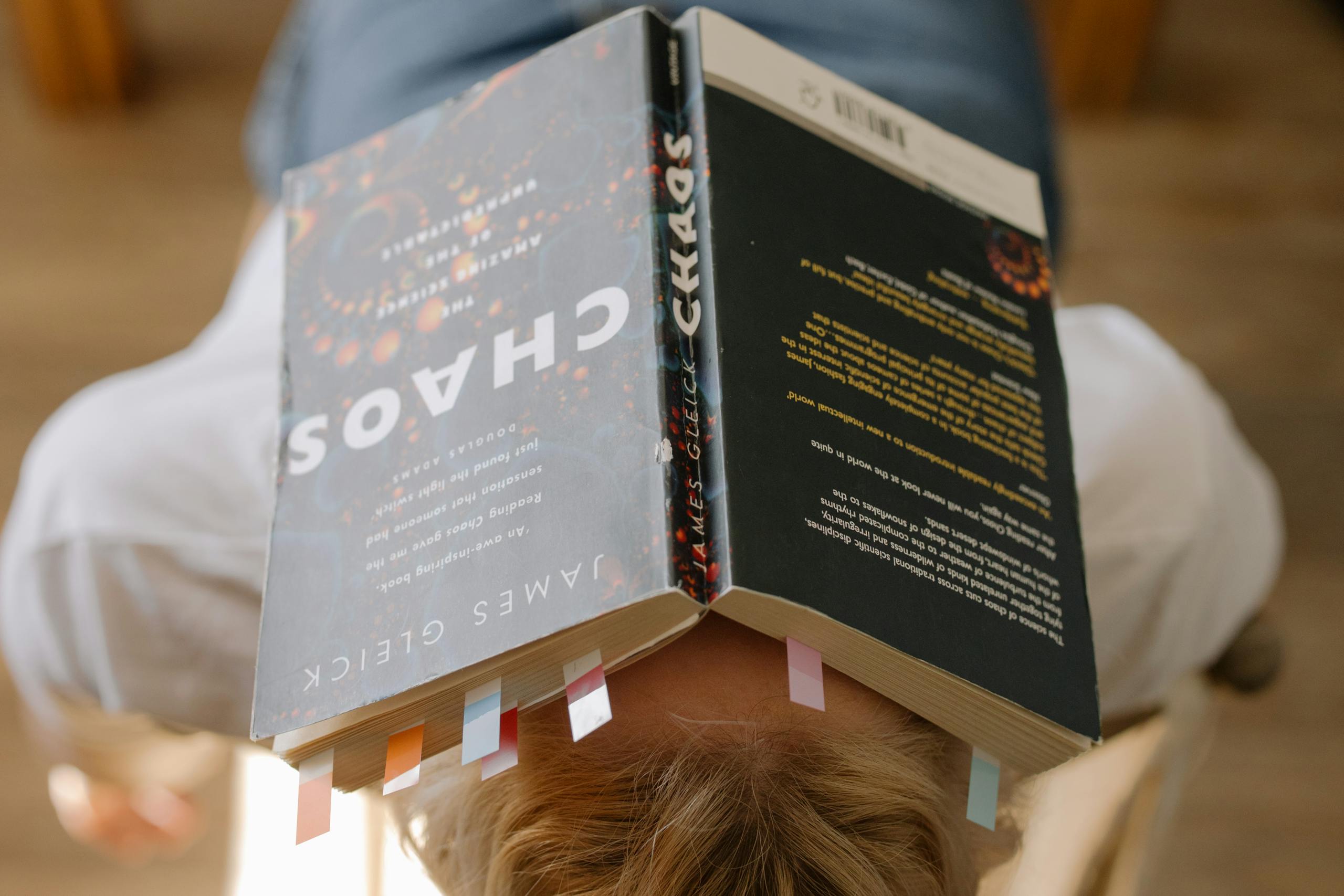

Rewiring your brain to be okay with alone time means actively challenging the cultural conditioning that taught you solitude is something to fix, escape, or apologize for. For introverts, alone time isn’t a luxury or a sign of social failure. It’s a biological necessity, and learning to embrace it without guilt can change how you function in every area of your life.
That rewiring doesn’t happen overnight. It took me years to stop treating my need for solitude as a character flaw and start treating it as the operating system it actually is.

Much of what I’ve worked through personally connects to the broader themes inside our Solitude, Self-Care and Recharging Hub, which covers everything from rest and recovery to why alone time isn’t loneliness. If you’re just starting to explore this territory, that hub is a solid place to ground yourself while you read.
Why Did I Feel So Guilty About Needing Alone Time?
My agency ran on energy. Client presentations, creative reviews, new business pitches, team standups. The whole culture of advertising is built on momentum and visible enthusiasm. Quiet people get overlooked. People who need to step away to think get labeled as disengaged.
What’s your personality type?
Take our free 40-question assessment and get a detailed personality profile with dimension breakdowns, context analysis, and personalised insights.
Discover Your Type8-12 minutes · 40 questions · Free
So I performed. I stayed in the room longer than I should have. I attended the after-work drinks I didn’t want to attend. I filled every gap in my calendar because empty space felt like something I’d have to explain.
The guilt wasn’t irrational, exactly. It came from somewhere real: a workplace culture that equated presence with productivity, and social availability with leadership. When you spend two decades absorbing that message, it becomes part of how you evaluate yourself. Alone time starts to feel like a confession that something is wrong with you.
What I didn’t understand then was that my discomfort with solitude wasn’t a personality problem. It was a learned response. And learned responses can be unlearned, even if the process is slow and sometimes uncomfortable.
The concept of solitude as an essential need rather than an indulgence was genuinely foreign to me for most of my career. My mind processed it intellectually before I felt it emotionally, which is pretty on-brand for an INTJ.
What Does It Actually Mean to Rewire Your Brain Around Solitude?
Rewiring sounds dramatic. It conjures images of neuroscience labs and meditation retreats. The reality is quieter and more incremental than that.
What you’re actually doing is changing your default interpretation of alone time. Right now, if your brain has been conditioned to treat solitude as isolation, as failure, or as something that needs to be justified, every quiet moment comes loaded with that interpretation. You sit down to read and a voice says you should be doing something social. You decline an invitation and spend the evening second-guessing yourself. You take a Saturday morning alone and feel vaguely guilty the entire time.
Rewiring means replacing that automatic guilt response with something more accurate: the recognition that this time is restorative, productive in its own way, and aligned with how you’re built.
There’s a meaningful distinction worth holding onto here. Harvard Health makes the case that loneliness and isolation are not the same thing as chosen solitude. Loneliness is a painful emotional state. Chosen aloneness, pursued intentionally, functions very differently in the body and brain. Conflating the two is part of what keeps introverts stuck in guilt.

The rewiring process has a few distinct phases, at least in my experience. First, you have to name the guilt clearly instead of letting it run in the background. Second, you have to give yourself permission to test solitude in small doses without immediately filling the silence. Third, you have to notice, genuinely notice, how you feel after that time rather than just during it. That’s where the evidence starts to accumulate.
How Do You Start When Silence Feels Uncomfortable?
Silence was genuinely uncomfortable for me for a long time. Not because I’m naturally anxious, but because I’d trained myself to associate quiet with unproductivity. Every moment of stillness felt like a moment I wasn’t contributing something measurable.
The first thing I had to do was stop treating discomfort as a signal to retreat. Discomfort in this context isn’t danger. It’s just unfamiliarity. Your nervous system flags anything unfamiliar as a potential threat, and if you’ve spent years filling every quiet moment with noise, screens, or social obligation, silence will feel strange at first. That strangeness isn’t evidence that solitude is bad for you. It’s evidence that you haven’t practiced it enough.
I started small. Not with hour-long meditation sessions or weekend retreats, but with fifteen minutes in the morning before I opened my email. No podcast. No news. Just coffee and whatever my brain wanted to do with the quiet. Some mornings it was restless. Some mornings it was genuinely pleasant. Over time, the ratio shifted.
What surprised me was how much creative thinking emerged in those gaps. The Greater Good Science Center at Berkeley has explored the connection between solitude and creativity, and what they describe maps closely to what I experienced: when you remove external input, your brain starts making connections it couldn’t make while it was busy processing everything coming at it. Some of my clearest strategic thinking happened in those early morning windows, not in conference rooms.
One thing that helped me was pairing solitude with something physical. A walk. Sitting outside. Moving through a space without a destination. If you’re someone who finds that pure stillness feels like pressure, the restorative quality of being outdoors can bridge the gap between constant stimulation and genuine quiet. Nature gives your senses something gentle to rest on without demanding anything back.
What Happens in Your Body When You Finally Stop Resisting Solitude?
There’s a physical dimension to this that took me a while to recognize. I used to think of introversion as purely psychological, a preference for certain kinds of interaction. What I didn’t fully appreciate was how much my body was carrying the cost of overstimulation.
After a long week of back-to-back client meetings, my shoulders would be locked up around my ears. My jaw would ache. I’d sleep poorly and wake up already bracing for the next thing. I chalked it up to work stress, which it partly was. But a significant portion of it was sensory and social overload that I hadn’t given myself permission to recover from.
When I started protecting alone time consistently, the physical symptoms shifted. Not immediately, and not completely, but noticeably. My sleep improved. My baseline tension dropped. I had more patience in the interactions I did choose to engage in, because I wasn’t walking into them already depleted.
There’s a physiological logic to this. Research published in PubMed Central points to how chronic social overstimulation activates stress response systems in ways that accumulate over time. For people who are wired toward introversion or high sensitivity, the recovery window after intense social engagement needs to be longer than the culture typically allows. Ignoring that need doesn’t make it go away. It just means the debt keeps growing.
Sleep was a big part of this for me specifically. Rest and recovery strategies matter differently when you’re someone who processes deeply. My mind doesn’t power down cleanly after a stimulating day. It keeps running threads. Giving myself genuine downtime in the hours before sleep, actual quiet time without screens or social input, changed the quality of my rest in ways I hadn’t anticipated.

How Do You Handle the Social Pressure That Comes With Protecting Alone Time?
Protecting alone time when you run an agency means saying no to people who have real authority over your calendar. Clients who want impromptu calls. Team members who interpret a closed door as an invitation to knock. Partners who schedule “quick syncs” that are never quick.
I wasn’t naturally good at this. My INTJ tendency toward strategic planning helped me eventually, because I could frame boundary-setting as a resource allocation decision rather than a social rejection. But the emotional work underneath that framing took longer.
What I found was that most of the social pressure I felt around alone time was internal. People weren’t actually tracking whether I attended every optional event. They weren’t cataloging my absences. The surveillance I felt was largely self-imposed, a product of years of conditioning that told me visibility equaled value.
Externalizing that realization helped. Once I could see the pressure as a belief I was carrying rather than a fact about the world, I could start questioning it. Did my team actually need me in every brainstorm? Did my clients actually care whether I attended the agency holiday party? Most of the time, the honest answer was no. My presence in those spaces was more about managing my own anxiety than about genuinely serving anyone.
There’s also a modeling effect worth mentioning. When I started visibly protecting my own downtime, something shifted in my team. The people on my staff who were clearly introverted, and there were several, started doing the same. One of my account directors told me she’d been eating lunch at her desk for three years because she was afraid of looking like she wasn’t working. When she saw me block off midday time without explanation, she started taking real breaks. That ripple effect was one of the more unexpected outcomes of this whole process.
If you want to understand what actually happens when you don’t protect that time, the consequences of skipping alone time are worth reading closely. It’s not just moodiness. The effects are more systematic than most people realize.
What Role Does Intentional Practice Play in This Process?
Rewiring doesn’t happen through insight alone. You can understand intellectually that alone time is good for you and still feel guilty every time you take it. The understanding has to be reinforced through repeated experience, and that means practicing solitude even when the guilt shows up.
I started treating alone time the way I’d treat any other professional development practice: scheduled, protected, and evaluated. Not obsessively, but with enough intention that it wasn’t just whatever was left over after everything else. I blocked time on my calendar the same way I’d block a client call. I treated canceling it as seriously as I’d treat canceling a meeting with a Fortune 500 contact.
That shift in how I categorized the time changed how I experienced it. When alone time is a leftover, a gap between obligations, it carries the psychological weight of everything you’re not doing instead. When it’s a scheduled commitment, it becomes something you show up for on purpose. The guilt has less room to operate.
Daily self-care practices work on the same principle. Consistency matters more than intensity. A small, reliable window of restorative time every day does more for your nervous system than an occasional long retreat followed by weeks of depletion. The brain responds to patterns. Give it a consistent pattern of recovery and it starts to expect, and eventually crave, that restoration.
There’s also something to be said for the quality of attention you bring to alone time. Scrolling your phone in a quiet room isn’t the same as genuinely being present with yourself. The psychological literature on restorative experiences draws a meaningful distinction between passive distraction and genuine restoration. Both involve being alone, but only one actually refills what social overstimulation drains.
Can You Enjoy Being Alone Without Becoming Isolated?
This is the question I get most often from introverts who are just starting to take their solitude needs seriously. They’re afraid that if they stop fighting the pull toward aloneness, they’ll end up completely withdrawn, relationships atrophying, world narrowing.
My experience has been the opposite. When I stopped treating alone time as something I had to earn or justify, I became more genuinely present in the social interactions I did have. I wasn’t showing up to conversations already depleted, performing engagement I didn’t feel. I was actually there, with capacity to listen and respond and be interested in the person across from me.
There’s a real difference between withdrawal driven by avoidance and solitude chosen for restoration. The CDC’s work on social connectedness identifies isolation and disconnection as genuine health risks, and those risks are real. But the antidote to isolation isn’t constant social exposure. It’s meaningful connection, which introverts are often better at when they’re not running on empty.
I’ve also found that solitude sharpens my sense of what I actually want from social time. When every evening is filled with obligation, you lose track of which interactions you genuinely value. Alone time creates contrast. It helps you notice who you actually miss, which invitations you’d accept with real enthusiasm rather than resigned compliance.
There’s something I think about sometimes that I call the Mac test, named after a golden retriever I once knew who had absolutely no ambivalence about needing his own space. He’d engage fully when he wanted to engage, then go find a corner and be completely at peace with himself. No guilt, no performance. That kind of uncomplicated relationship with alone time is worth aspiring to, even if it takes humans considerably longer to get there.
The isolation risk is real for introverts who are struggling, particularly those dealing with depression or anxiety alongside their introversion. Published research on solitude and mental health suggests that the relationship between aloneness and wellbeing is shaped significantly by whether the solitude is chosen or unchosen. Chosen solitude, pursued with intention, tends to be restorative. Unchosen isolation, experienced as rejection or exclusion, tends to be harmful. Knowing which one you’re in matters.
What Does This Look Like After Years of Practice?
I won’t pretend the rewiring is complete or that I never feel a flicker of guilt when I turn down a social obligation in favor of a quiet evening. The conditioning runs deep, and I spent a long time building it.
What’s changed is the speed and the volume of that response. The guilt flickers instead of floods. I notice it, recognize it for what it is, and move through it rather than letting it redirect my choices. That’s what rewiring actually looks like in practice. Not the absence of the old pattern, but a faster recovery from it.
My mornings are mine now in a way they weren’t for most of my career. I protect them with a consistency that used to feel selfish and now feels simply sensible. My best thinking happens in those hours. My writing, my planning, my processing of whatever is complicated in my life. That time isn’t wasted. It’s where a lot of my actual work gets done, just not the kind that shows up on a timesheet.
I’ve also gotten better at reading my own signals. When I notice I’m getting irritable in conversations that wouldn’t normally bother me, or when I find myself going flat in situations that usually engage me, I know what that means. It means I’ve let the alone time budget run too low and I need to correct it before the deficit gets worse. That self-awareness took years to develop, and it’s one of the more useful things I’ve built.
The psychological case for embracing solitude is solid, but honestly, the case I find most persuasive is the one I’ve built from my own data. I function better with consistent alone time. My relationships are better. My work is better. My health is better. That’s not a theory. It’s a pattern I’ve observed across years of paying attention.

One thing I didn’t expect was how solitude would eventually expand my comfort with being known. When you spend time alone with yourself consistently, you stop being a stranger to yourself. You know what you think, what you feel, what you need. That clarity makes it easier to let other people in, because you’re not afraid that intimacy will dissolve whatever fragile sense of self you’ve been holding together with social performance.
Solo time has even changed how I think about travel and exploration. Psychology Today’s exploration of solo travel touches on something I’ve felt firsthand: being alone in a new place strips away the social scaffolding and forces a kind of presence that’s hard to replicate any other way. Some of my clearest thinking has happened in airports and hotel rooms, far from my usual context, with nothing but my own company.
If you’re somewhere in the early stages of this process, still fighting the guilt, still performing availability you don’t feel, I want to say this plainly: the rewiring is possible and it’s worth doing. It won’t make you antisocial. It won’t damage your relationships or your career. What it will do is give you back a version of yourself that has actual reserves to draw from, and that person is considerably more useful to everyone around you than the depleted version you’ve been running on.
There’s more on all of this, including rest, recovery, and the full spectrum of what solitude can do for introverts, in the Solitude, Self-Care and Recharging Hub. It’s worth spending time there when you’re ready to go deeper.
About the Author
Keith Lacy is an introvert who’s learned to embrace his true self later in life. After 20 years in advertising and marketing leadership, including running agencies and managing Fortune 500 accounts, Keith now channels his experience into helping fellow introverts understand their strengths and build fulfilling careers. As an INTJ, he brings analytical depth and authentic perspective to every article, drawing from both professional expertise and personal growth.
Frequently Asked Questions
Is needing a lot of alone time a sign of depression or social anxiety?
Not necessarily. Introverts are wired to recharge through solitude rather than social interaction, and a genuine need for alone time is a normal feature of that temperament, not a symptom of something wrong. That said, if your desire to be alone is accompanied by persistent low mood, loss of interest in things you used to enjoy, or significant distress, it’s worth talking to a mental health professional. The distinction matters: chosen solitude that leaves you feeling restored is different from withdrawal driven by pain or fear.
How much alone time is actually enough for an introvert?
There’s no universal answer, because it varies significantly by person, by the intensity of social demands in your life, and by how depleted you already are. A useful starting point is to pay attention to your own signals. When you’re irritable in situations that wouldn’t normally bother you, going flat in conversations, or feeling a persistent low-grade exhaustion, those are signs the alone time budget has run too low. Most introverts need at least some genuine solitude every day, not just time in a quiet room scrolling a phone, but actual low-stimulation time where the mind can decompress.
How do you explain your need for alone time to people who don’t understand it?
Framing it in terms of function rather than preference tends to land better. Saying “I need time alone to think clearly and show up well for the people I care about” is more accessible than “I’m an introvert who finds social interaction draining,” even if both statements are true. You don’t owe anyone a detailed explanation of your neurological wiring. A simple, honest statement about what you need and why it helps you function is usually enough. Most people respond better to clarity than to apology.
What’s the difference between healthy solitude and unhealthy isolation?
Healthy solitude is chosen, intentional, and leaves you feeling more resourced afterward. You step away from social engagement to restore yourself, and you return to connection with more capacity than you left with. Unhealthy isolation tends to be driven by avoidance, fear, or pain, and it tends to compound rather than relieve distress. The emotional quality of the aloneness is a useful indicator: does it feel like relief and restoration, or does it feel like hiding? Both look the same from the outside, but they feel very different from the inside.
Can you rewire the guilt around alone time if you’ve felt it your whole life?
Yes, though it takes time and consistent practice. The guilt around solitude is largely learned, absorbed from cultural messages that equate constant availability with virtue and aloneness with failure. Learned patterns can be replaced with new ones, but the replacement happens through repeated experience, not just through understanding. Start with small, protected windows of alone time. Notice how you feel during and after. Let the evidence accumulate. Over time, the guilt response tends to lose its grip as your nervous system builds a new association between solitude and restoration rather than solitude and shame.