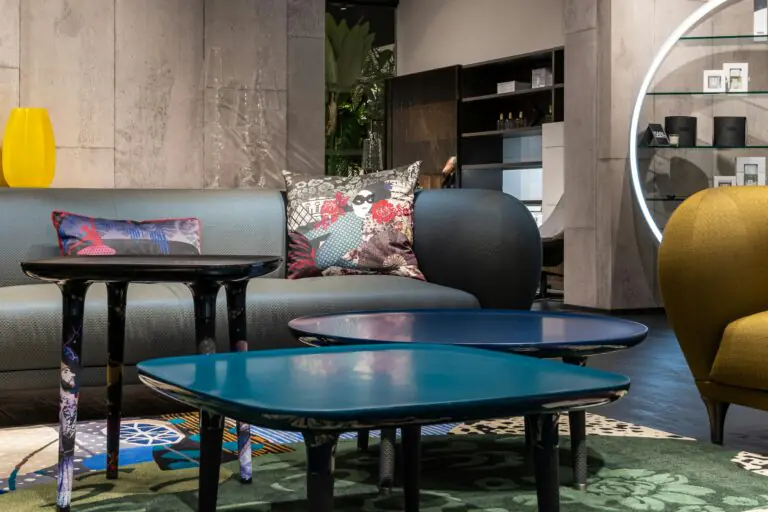

The Springhill Suites Albuquerque North Journal Center sits in one of those quietly functional corners of the city that business travelers pass through without much ceremony. It’s a place designed for transitions, for the in-between moments of a working life. For introverts who travel frequently for work, a hotel stay can be either a rare pocket of restoration or another drain on an already depleted system, depending entirely on how you approach it.
What makes a space like this meaningful for sensitive, introspective travelers isn’t the amenities list. It’s whether the environment gives your nervous system permission to exhale.
Much of what I write about on this site connects to a broader conversation about how introverts, and especially highly sensitive people, can protect their mental health in environments that weren’t designed with them in mind. Our Introvert Mental Health hub covers that territory in depth, and this piece fits squarely into that conversation. Because business travel, and the particular kind of solitude a hotel room offers, is a genuinely underexplored dimension of introvert wellbeing.
Why Does Business Travel Hit Introverts So Hard?
During my agency years, I traveled constantly. Client meetings in Chicago, pitch presentations in New York, industry conferences in cities that blurred together after a while. I was running a team, managing relationships, performing a version of extroverted leadership that I’d convinced myself was just part of the job. By the time I’d land in whatever hotel room was waiting for me, I wasn’t tired in the ordinary sense. I was hollowed out.
What I didn’t understand then was that I wasn’t just physically exhausted. My entire processing system had been running at maximum capacity for days. Every meeting, every hallway conversation, every dinner with a client required me to be “on” in a way that costs introverts something real. The science of sensory overload confirms what most of us already know intuitively: environments with high social density, unpredictable noise, and constant stimulation are genuinely taxing for nervous systems wired toward depth and inward processing. If you’ve ever read about HSP overwhelm and managing sensory overload, you’ll recognize the pattern immediately.
Business travel amplifies every one of those stressors. Airports are sensory gauntlets. Conference centers are designed for extroverted energy. Shared meals with near-strangers require sustained social performance. By the time an introvert reaches their hotel room, they’re not just tired. They’re in genuine need of psychological repair.
What Does “Journal Center” Actually Mean for an Introvert?
The Journal Center neighborhood in Albuquerque takes its name from the Albuquerque Journal, the city’s major newspaper, whose offices anchor the area. It’s a business district in the truest sense: clean, functional, oriented around work. The Springhill Suites property there reflects that character. Suite-style rooms with separate living and sleeping areas, consistent Marriott reliability, the kind of predictable comfort that removes friction from a working trip.
For an introvert, predictability is not a small thing. Unpredictability is one of the hidden costs of travel. You don’t know what the noise situation will be, whether the room will feel cramped, whether the common areas will be crowded. Every unknown is a small tax on your mental reserves. A property that delivers consistent, calm, suite-style accommodations removes a layer of that uncertainty.
I remember a trip to a client in the Southwest, years into running my agency. I’d been staying in whatever hotel the client’s travel coordinator booked, which meant inconsistency was the only constant. One trip I landed in a room so close to the elevator that every ding registered in my sleep. Another time, the room was genuinely restorative: quiet, spacious, with a small desk and enough separation between the bed and the work area that I could actually decompress before sleeping. The difference in my performance the next day was measurable. I showed up sharper, calmer, more present. My team noticed. I noticed.

That experience planted a seed. I started being deliberate about where I stayed. Not extravagant, just intentional. Suite-style rooms when possible. Properties in quieter neighborhoods rather than downtown entertainment districts. Enough space to move around without feeling contained. It sounds like a small thing, but for someone managing a high-stimulation work life, it was a meaningful form of self-care before I had language for that concept.
How Does a Quiet Room Become a Recovery Space?
There’s a particular kind of anxiety that builds up during intensive work travel, and it’s worth naming clearly. It’s not the anxiety of something going wrong. It’s the anxiety that comes from sustained social performance without adequate recovery time. The National Institute of Mental Health describes how chronic stress and insufficient downtime contribute to anxiety patterns that compound over time. For introverts who travel regularly, this isn’t abstract. It’s a lived reality.
Many of the introverts I hear from through this site describe a specific kind of HSP anxiety that spikes during travel, a combination of sensory overload, performance pressure, and the particular loneliness of being surrounded by people while feeling fundamentally alone. A hotel room, counterintuitively, can be the most genuinely restful space in that whole experience, if it’s the right kind of room.
What makes a hotel room a recovery space rather than just a place to sleep? A few things matter more than others. Separation between functional zones, so you’re not working from the same surface where you’re trying to sleep. Adequate quiet, which in a business district like Journal Center tends to be more reliable than in a downtown hotel. A desk that invites actual thinking rather than just laptop balancing. And, critically, enough square footage that you don’t feel like the walls are participating in the conversation.
Suite-style properties like Springhill Suites address most of these by design. The separate living area means you can close the bedroom door and create a genuine boundary between “work mode” and “rest mode.” That boundary is not trivial for introverts. Without it, the mental residue of the workday bleeds into the hours that are supposed to restore you.
What Role Does Journaling Play in Introvert Travel Recovery?
There’s a reason the word “journal” keeps surfacing in this context, and it’s not just because of the neighborhood’s name. Journaling is one of the most consistently effective tools introverts have for processing the emotional residue of high-stimulation days. It works because it externalizes the internal, giving the mind somewhere to put what it’s been holding.
Introverts tend to be deep emotional processors. We don’t just react to events and move on. We turn them over, examine them from multiple angles, extract meaning from them. That’s a genuine strength in many contexts, but it can become a burden when there’s no outlet for the processing. A long day of client meetings generates a significant amount of material that needs somewhere to go. Without an outlet, it circulates.
I started keeping a travel journal during my agency years, not as a productivity tool but as a pressure valve. After a difficult client meeting or a day that had gone sideways in ways I couldn’t fully articulate, writing helped me locate what I was actually feeling underneath the professional surface. Often what I found was simpler than I expected. Not strategic confusion, just tiredness. Not interpersonal conflict, just the accumulated weight of being “on” for too long.
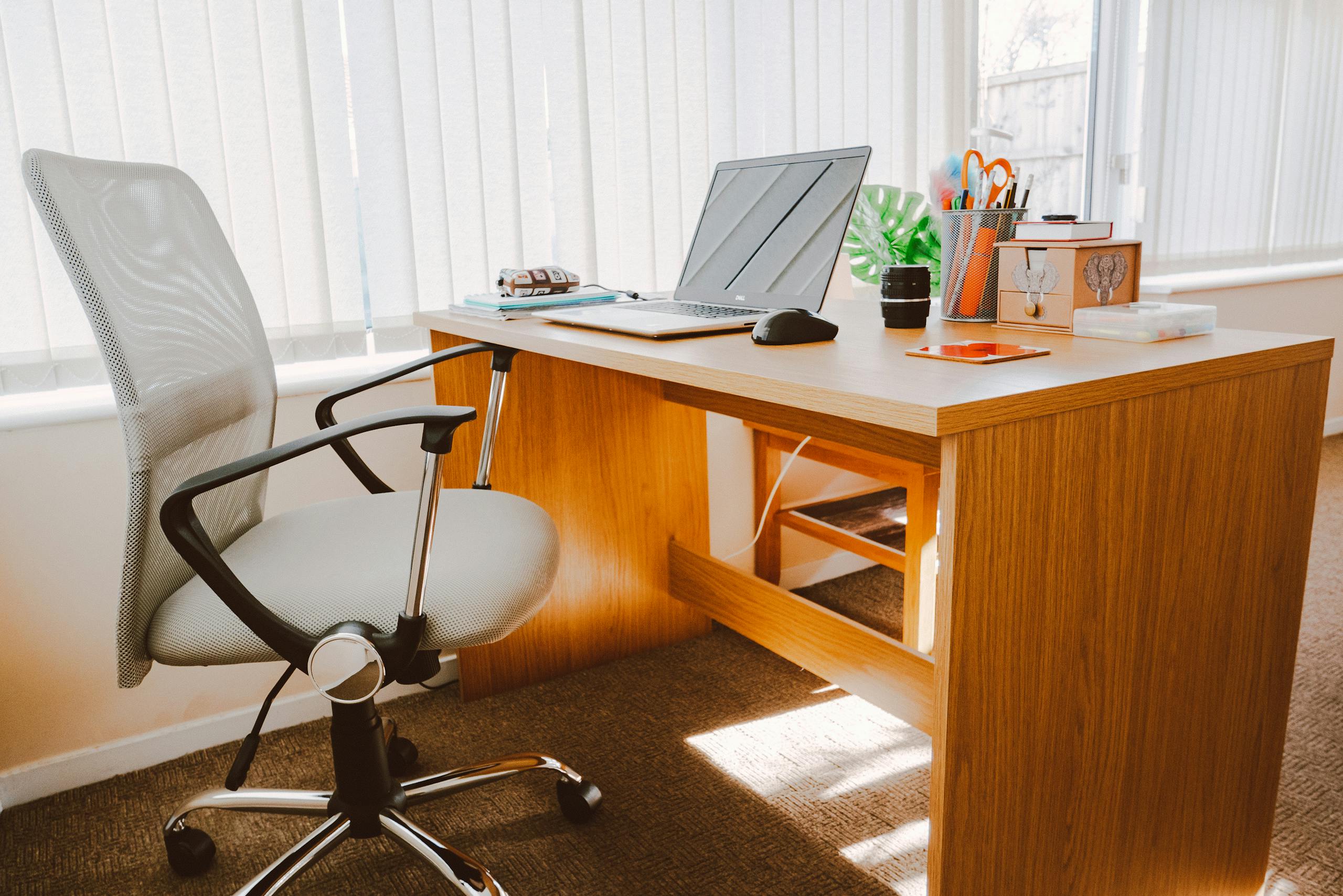
A hotel room with a proper desk, good lighting, and enough quiet to actually think is the infrastructure that makes this practice possible on the road. That’s not a luxury. For an introvert managing a demanding professional life, it’s closer to a necessity.
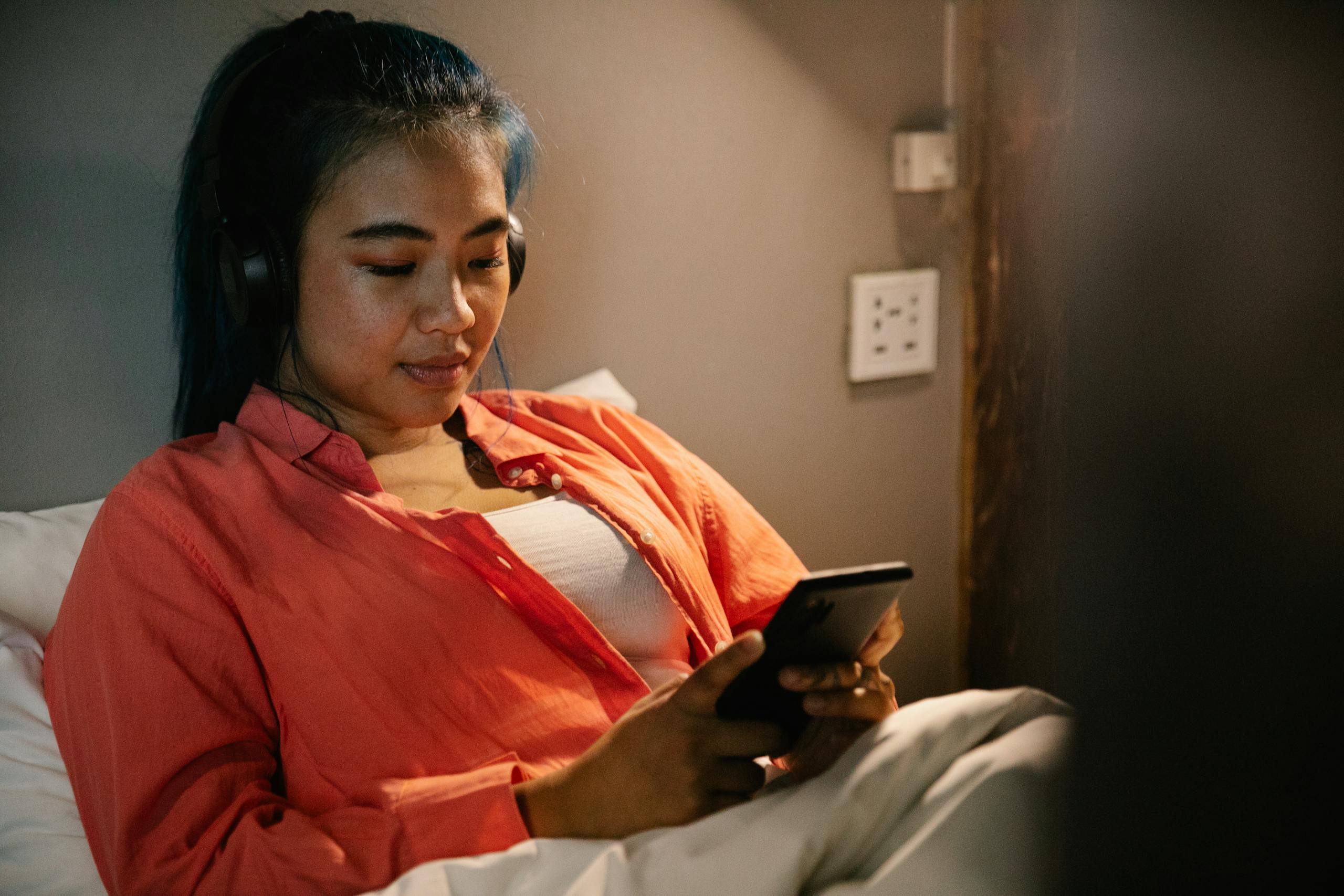
There’s also something worth noting about the particular quality of hotel-room solitude. It’s a contained, low-stakes environment. Nobody needs anything from you. The phone can be silenced. The obligations of home and office are temporarily suspended. For introverts who struggle to carve out genuine alone time in their regular lives, a business trip can paradoxically offer something rare: hours of uninterrupted space to simply be with your own thoughts.
How Do Highly Sensitive Travelers handle the Social Demands of Business Trips?
Business travel isn’t just about the physical environment. It’s about the social choreography that surrounds it. Dinners with clients. Casual conversations in hotel lobbies. The performance of being approachable and engaged even when every instinct is pointing toward solitude.
Highly sensitive people carry a particular burden in these situations. The empathy that makes HSPs exceptional at reading rooms and understanding clients is the same quality that makes sustained social performance so costly. You’re not just managing your own energy. You’re absorbing and processing the emotional states of everyone around you. After a full day of that, the need for genuine solitude isn’t a preference. It’s a physiological requirement.
I managed several highly sensitive people on my agency teams over the years. My creative directors, in particular, tended to be wired this way. Brilliant at their work, deeply attuned to client needs, but visibly depleted after intensive travel weeks. I watched one of them, a genuinely gifted strategist, start declining client trips not because she didn’t want the work but because she hadn’t figured out how to recover during them. The travel itself had become the problem, not the work.
What I wish I’d understood then, and what I’d tell her now, is that recovery during travel is a skill that can be built. It requires being intentional about the spaces you inhabit, the social commitments you accept, and the rituals you maintain even when you’re away from home. Choosing accommodations that support recovery rather than just providing a bed is part of that skill.
There’s also the matter of perfectionism, which tends to run high in both introverts and highly sensitive people. The pressure to be maximally productive during every hour of a business trip, to fill every evening with networking, to never be seen as someone who needs to “opt out,” is a trap that many sensitive professionals fall into. Understanding the HSP perfectionism pattern is part of recognizing when you’re pushing yourself past the point of sustainable performance.
What Does Albuquerque Offer the Introvert Traveler?
Albuquerque has a particular character that I think suits introverted travelers well. It’s a city of genuine depth without the frenetic energy of a major coastal metro. The high desert light is extraordinary, the kind that makes you want to sit still and look at things. The pace is measured. The culture has layers that reward patient observation rather than demanding immediate engagement.
The Journal Center area specifically is oriented around business rather than entertainment, which means the ambient energy is purposeful and relatively calm. You’re not fighting through tourist crowds or handling a nightlife district to get anywhere. The proximity to the Paseo del Norte corridor makes it practical for anyone with meetings across the northern part of the city.

What I’ve found over years of travel is that the city around your hotel matters almost as much as the hotel itself. A property in a quiet, functional business district offers a different psychological baseline than one in a high-stimulation entertainment zone. When your nervous system isn’t processing ambient noise and crowd energy just by existing in the neighborhood, you have more reserves for the actual work of the trip.
The relationship between environmental stimulation and cognitive performance is well-documented in the broader literature on attention and stress. For introverts, this connection is particularly direct. The quality of your environment between work obligations isn’t a comfort preference. It actively shapes your capacity to perform during those obligations.
How Can Introverts Build a Sustainable Travel Practice?
Sustainable travel for introverts requires treating recovery as a professional priority rather than a personal indulgence. That’s a reframe that took me years to make, and I resisted it because it felt like admitting a limitation. What I eventually understood is that protecting your recovery capacity is what makes sustained high performance possible. It’s not a concession. It’s a strategy.
A few practices made a meaningful difference in my own travel years. Choosing suite-style accommodations whenever the budget allowed, because the spatial separation between living and sleeping genuinely improved my rest. Building in at least one completely unscheduled evening per trip, not for productivity but for genuine decompression. Maintaining a morning routine even on the road, because predictable structure at the start of the day creates a stabilizing foundation for everything that follows.
There’s also the matter of how you handle social obligations during travel. Many introverts find that group dinners and large networking events are among the most depleting elements of a business trip. Being selective about which of these you attend, and giving yourself permission to leave earlier than social convention might suggest, is a legitimate form of energy management. The Psychology Today Introvert’s Corner has long made the case that introverts need to stop apologizing for managing their social energy deliberately.
One thing I’ve noticed is that the introverts who struggle most with business travel are often those who haven’t yet given themselves permission to have needs. They’ve internalized the idea that professional success requires matching an extroverted template, and that any accommodation to their own wiring is a form of weakness. That belief is both false and costly. The American Psychological Association’s framework on resilience consistently emphasizes self-awareness and genuine self-care as foundations of sustainable performance, not obstacles to it.
Rejection sensitivity is another piece of this puzzle that doesn’t get enough attention in the context of business travel. When you’re away from your home environment and your usual support structures, the sting of a difficult client interaction or a presentation that didn’t land can feel amplified. Understanding how HSPs process rejection and find their way through it matters in this context, because travel removes many of the buffers that ordinarily help sensitive people regulate after a hard professional moment.

What Practical Details Matter Most When Booking?
For introverts evaluating the Springhill Suites Albuquerque North Journal Center specifically, a few practical details are worth noting. The property is a Marriott Bonvoy-affiliated hotel, which means consistent service standards and the ability to accumulate points toward future stays. Suite-style rooms include separate living areas with sofas and work desks, which addresses the spatial separation issue that matters so much for introvert recovery.
The Journal Center location puts you away from the downtown core, which translates to lower ambient noise and easier parking. For anyone driving to meetings across the north side of Albuquerque, the location is genuinely practical. The proximity to I-25 makes it accessible without placing you in the middle of a high-traffic corridor.
The on-site breakfast, standard for Springhill Suites properties, deserves a mention because it removes one decision from the morning routine. For introverts who find decision fatigue real, especially after depleting travel days, having a reliable, low-friction breakfast option available in the hotel matters more than it might seem.
Fitness facilities, pool access, and free Wi-Fi are standard inclusions. What’s less standard, and what makes the property worth noting for sensitive travelers, is the overall quietness of the neighborhood context. You’re not next to a concert venue or a busy bar district. The environment between your room and the outside world is calm by default.
The broader literature on sleep quality and cognitive restoration makes clear that environmental noise is one of the most significant disruptors of restorative sleep. For introverts already running on depleted reserves during intensive travel weeks, a quiet neighborhood isn’t a luxury preference. It’s a meaningful contribution to the recovery that makes the next day’s work possible.
There’s also something to be said for the psychological effect of a well-designed, uncluttered space. Highly sensitive people tend to be more affected by visual and environmental chaos than the general population. A clean, simply furnished suite with adequate storage and minimal visual noise creates a baseline calm that supports the kind of deep rest introverts need after high-stimulation days. The clinical literature on stress and environmental factors supports what most sensitive travelers already know from experience: space design affects nervous system regulation in ways that are both real and measurable.
If you’re building a broader understanding of how your introversion and sensitivity intersect with mental health, the full range of resources in our Introvert Mental Health hub offers much more to work with, from anxiety management to emotional processing to building resilience over time.
About the Author
Keith Lacy is an introvert who’s learned to embrace his true self later in life. After 20 years in advertising and marketing leadership, including running agencies and managing Fortune 500 accounts, Keith now channels his experience into helping fellow introverts understand their strengths and build fulfilling careers. As an INTJ, he brings analytical depth and authentic perspective to every article, drawing from both professional expertise and personal growth.
Frequently Asked Questions
Is the Springhill Suites Albuquerque North Journal Center a good choice for introverted business travelers?
Yes, for several reasons that matter specifically to introverts. The suite-style layout provides spatial separation between work and rest areas, the Journal Center neighborhood is quieter than downtown Albuquerque, and the property’s predictable Marriott standards remove the uncertainty that taxes introvert energy before a trip even begins. For sensitive travelers who need genuine recovery time between professional obligations, these factors add up to a meaningfully better experience than a standard hotel room in a high-stimulation location.
Why do introverts and highly sensitive people find business travel particularly draining?
Business travel concentrates multiple high-stimulation experiences into a compressed timeframe. Airports, conferences, client dinners, and unfamiliar environments all require sustained social performance and sensory processing. Introverts and highly sensitive people have nervous systems that process these inputs more deeply than average, which means the energy cost is proportionally higher. Without adequate recovery time and a restorative environment to return to each evening, the cumulative depletion can significantly affect both wellbeing and professional performance.
What makes a hotel room genuinely restorative for an introvert?
Several factors contribute: adequate space to move without feeling confined, separation between sleeping and working areas, low ambient noise from both inside and outside the building, good lighting that supports reading and reflection, and a clean, visually uncluttered environment. Suite-style rooms address most of these by design. The psychological effect of having a defined “rest zone” that isn’t contaminated by work activity is significant for introverts who struggle to mentally disengage from professional obligations.
How can introverts manage the social demands of business travel without burning out?
Being selective and intentional is the core practice. Not every dinner invitation needs to be accepted. Not every networking event requires your presence for the full duration. Building at least one unscheduled evening into each trip creates a recovery buffer that makes the rest of the trip sustainable. Maintaining morning routines, even abbreviated versions, provides stabilizing structure. Choosing accommodations that support genuine rest rather than just providing a bed is a form of energy management that pays dividends throughout the trip.
Does journaling actually help introverts recover from intensive travel?
Many introverts find it genuinely effective, and the reason connects to how introverted minds process experience. Introverts tend to hold and turn over the events of a day internally, which can prevent the mental disengagement needed for rest. Writing externalizes that processing, giving the mind somewhere to deposit what it’s been holding. Even fifteen minutes of unstructured journaling after a depleting day can create enough mental space to allow genuine relaxation. A hotel room with a proper desk and adequate quiet makes this practice accessible on the road in a way that a cramped, noisy room simply doesn’t.