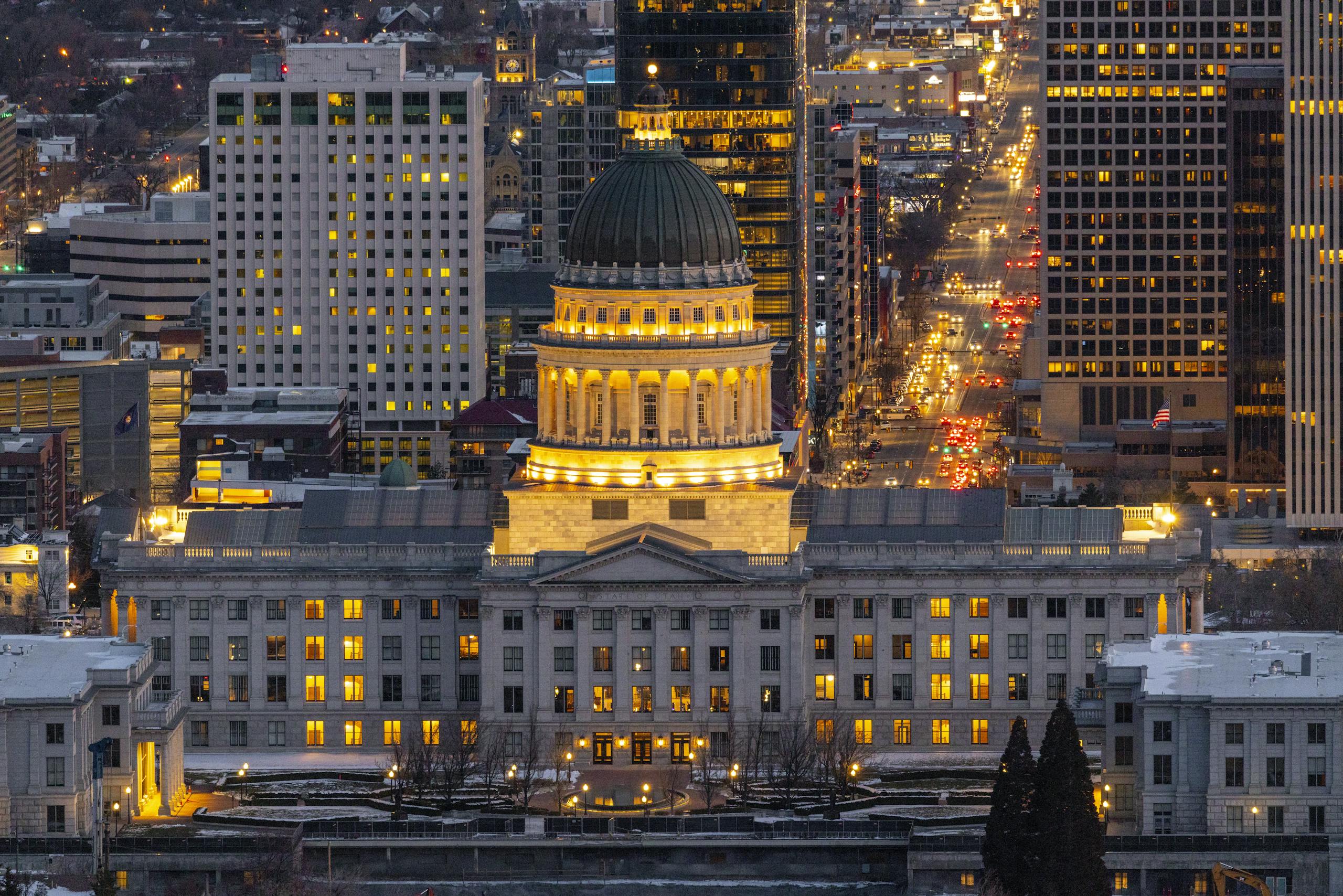
I spent years working in advertising agencies where the loudest voice in the room won every pitch meeting. The assumption was always that success required gregarious energy, constant networking, and an appetite for social chaos. When I finally understood my introversion, I started noticing something fascinating about the cities that actually worked for people like me. Salt Lake City kept coming up in conversations with fellow introverts who were also active members of The Church of Jesus Christ of Latter-day Saints. They described a place where mountain solitude met meaningful community, where faith and quiet temperament could coexist more peacefully than the bustling ward culture might suggest.
For Mormon introverts, Salt Lake City presents a unique paradox. The headquarters of a church built on missionary work, testimony meetings, and ward potlucks might seem like the last place a quiet personality would thrive. Yet something about this city works remarkably well for introverts who want to stay active in their faith while honoring their need for solitude and reflection. The mountains are literally in your backyard. The tech industry offers remote work opportunities that did not exist a decade ago. And the cultural shift toward recognizing different personality strengths is slowly making its way into congregational life.
Why Salt Lake City Works for Introverted Latter-day Saints
The geography of Salt Lake City fundamentally shapes how introverts can live their faith. Within twenty minutes of downtown, you can be hiking alone in Big Cottonwood Canyon, processing your thoughts in the kind of natural cathedral that speaks more clearly to some of us than any chapel. Research on solitude in nature demonstrates that time alone outdoors creates what environmental psychologists call “soft fascination,” a state where we feel simultaneously transported, calm, and restored. For introverts who find spiritual renewal through contemplation rather than congregation, this proximity to wilderness becomes essential to maintaining faith and sanity.
I learned something valuable during my years managing creative teams. The most thoughtful contributions often came from people who needed time to process before speaking. Mormon culture has traditionally favored the quick testimony, the impromptu prayer, the immediate response to a calling. But Salt Lake City is changing. The Church itself published guidance in the Liahona acknowledging that introverts and extroverts serve differently, and that neither temperament is spiritually superior. This recognition matters. It means the cultural center of the faith is slowly creating space for those of us who experience the Spirit in quiet moments rather than crowded halls.
The Temple Experience for Contemplative Personalities
Many introverts describe the temple as their most comfortable church experience. The endowment session is structured, contemplative, and requires no spontaneous verbal participation. You can sit in quiet reflection without anyone asking why you are not being more social. Salt Lake City offers proximity to multiple temples, including the newly renovated Salt Lake Temple itself. For introverts who find the weekly three-hour block draining but crave meaningful spiritual practice, living near temple access provides an alternative form of worship that aligns with contemplative temperaments.
There is real power in understanding that your introversion is not a spiritual deficiency. I spent years thinking something was wrong with me because I dreaded testimony meeting and felt exhausted after ward activities. The truth is that different personalities find God in different ways. Some people encounter the divine in the energy of a crowded Fast Sunday. Others find it hiking alone at sunrise, watching light break over the Wasatch Range. Salt Lake City accommodates both approaches better than almost any other city in America.

Outdoor Recreation That Restores Rather Than Drains
The outdoor opportunities around Salt Lake City read like an introvert’s dream itinerary. According to Visit Salt Lake’s recreation guide, the city offers immediate access to hiking in City Creek Canyon, Millcreek Canyon, Big Cottonwood Canyon, and Little Cottonwood Canyon. These are not crowded tourist destinations requiring navigation through masses of people. They are legitimate wilderness experiences within thirty minutes of a major metropolitan area. You can ski world-class powder in the morning and work from home in the afternoon without ever attending a networking event.
For active introverts, the key is finding physical activities that energize without requiring constant social interaction. Solo hiking accomplishes this perfectly. So does mountain biking on quiet trails, cross-country skiing through empty meadows, or birdwatching at the Great Salt Lake. The annual Great Salt Lake Bird Festival attracts naturalists who understand that some of the best experiences happen in silence. These are not activities that demand you perform extroversion. They reward patience, observation, and the willingness to be alone with your thoughts.
I used to force myself to join group fitness classes because I thought community required constant togetherness. It took years to realize that living authentically as an introvert meant choosing activities that matched my energy patterns. Salt Lake City makes that choice remarkably easy. You can maintain physical fitness through outdoor pursuits that feel restorative rather than depleting. You can participate in ward activities selectively, conserving energy for the interactions that matter most to you.
Four Seasons of Solitary Adventure
Lonely Planet notes that Salt Lake City combines urban amenities with year-round outdoor adventure access. Winter brings legendary skiing at Alta, Snowbird, Brighton, and Solitude Mountain Resort. Spring opens hiking trails as wildflowers bloom across the valleys. Summer offers everything from paddleboarding on nearby reservoirs to camping in the Uinta Mountains. Fall transforms the canyons into corridors of gold and crimson, perfect for contemplative walks while processing whatever life has thrown at you.
The seasonal variety matters for mental health. Research consistently shows that time in nature reduces cortisol levels and improves mood. For Mormon introverts navigating the social demands of ward life, having accessible outdoor escape valves throughout the year becomes essential for sustainable faith practice. You cannot pour from an empty cup, and Salt Lake City makes refilling that cup remarkably convenient.

Silicon Slopes: Career Opportunities for Quiet Professionals
The professional landscape of Salt Lake City has transformed dramatically over the past decade. The region known as Silicon Slopes now hosts major technology companies including Adobe, Microsoft, Oracle, and hundreds of startups. According to CNBC’s coverage of the tech sector, Salt Lake City recorded 12.9% growth in tech jobs between 2019 and 2023, making it one of the fastest-growing technology hubs in North America. Average tech salaries now approach $120,000, with many positions offering remote or hybrid work arrangements.
For introverts, the remote work revolution matters enormously. When I managed advertising teams, the expectation was constant presence, endless meetings, and open office plans designed to maximize collaboration. These environments systematically disadvantage introverts who do their best work in focused solitude. Salt Lake City’s tech ecosystem increasingly recognizes that productivity does not require performative togetherness. Companies like BambooHR and Qualtrics have built cultures that value results over face time, creating space for introverts to contribute without constantly draining their social batteries.
The cost of living comparison strengthens the case for Salt Lake City. While housing prices have risen significantly since 2019, they remain substantially lower than San Francisco, Seattle, or Austin. A tech salary that barely covers rent in Silicon Valley provides genuine financial comfort in Salt Lake City. This economic breathing room translates to lifestyle flexibility. You can afford a home with a dedicated workspace. You can live close to trailheads rather than commuting from distant suburbs. You can build a life that honors both your professional ambitions and your need for quiet restoration.
Working from Home in the Shadow of Mountains
The practical reality of remote work in Salt Lake City looks different than in other tech hubs. Your home office window might frame views of snow-capped peaks. Your lunch break could include a short hike rather than a crowded food court. The time zone positions you for productive morning hours before California colleagues come online, allowing deep work before the email avalanche begins. For introverts who plan their adventures carefully, this geographic advantage creates meaningful lifestyle benefits.
I discovered during my agency years that introverts often excel at the focused analysis and strategic thinking that drive business success. We notice patterns others miss. We prepare more thoroughly for presentations. We build deeper relationships with fewer clients rather than spreading ourselves thin across endless networking contacts. Salt Lake City’s professional culture increasingly values these contributions, creating career paths that do not require constant self-promotion or exhausting social performance.

Navigating Ward Life as a Quiet Member
The church experience in Salt Lake City differs from wards elsewhere in the country. The density of members means more congregations, smaller wards, and often better matches between individuals and callings. You are less likely to be the only introvert in leadership meetings. You are more likely to find others who understand the particular challenges of serving in a church that culturally favors gregarious personalities. LDS Living published recommendations for helping introverts feel more comfortable at church, signaling growing awareness that not everyone thrives in the traditional high-social-contact model.
Strategic boundary setting becomes essential for sustainable church participation. You do not have to attend every ward activity. You can decline callings that would devastate your mental health. You can request time to pray about decisions rather than responding immediately when asked to serve. These boundaries are not signs of weak faith. They are acknowledgments that different personalities serve differently, and that burning out serves no one. Salt Lake City’s ward culture is slowly learning this lesson, though progress varies by congregation.
The key insight I gained after years of forcing myself into extroverted church participation is that authenticity matters more than performance. When I stopped pretending to be someone I was not, my relationships at church became more meaningful. People appreciated my genuine contributions rather than my awkward attempts at constant friendliness. The same principle applies in Salt Lake City wards. Your thoughtful comment in Sunday School carries more weight than forced small talk in the hallway. Your reliable service in a behind-the-scenes calling matters more than your attendance at every social event.
Finding Your Spiritual Rhythm
Mormon introversion requires developing a spiritual practice that acknowledges your temperament rather than fighting against it. Personal scripture study, temple attendance, service projects that do not require constant interaction, and prayer walks in the mountains can constitute a rich spiritual life that does not depend on your comfort level with testimony meeting. Salt Lake City facilitates this alternative approach through its combination of temple access, natural beauty, and growing cultural acceptance of diverse personalities.
The practical wisdom for introverts attending church in Salt Lake City includes arriving early to secure seating that does not require navigating through crowds, identifying bathroom breaks strategically during social portions of the block, and building deep relationships with a few ward members rather than attempting shallow connections with everyone. These survival strategies help preserve energy for the worship experiences that actually nourish your soul, similar to strategies for surviving social events as an introvert.

Neighborhoods That Balance Community and Solitude
Salt Lake City offers neighborhood options ranging from walkable urban cores to mountain foothill communities where your nearest neighbor is a comfortable distance away. Sugar House provides urban accessibility with established trees and slightly larger lots than downtown. The Avenues climb the hillside above the city, offering views and quiet streets. Communities like Holladay and Cottonwood Heights position you closer to canyon access while maintaining suburban amenities. Each neighborhood presents different trade-offs between community density and personal space.
For Mormon introverts, ward boundaries add another consideration to neighborhood selection. The personality of your congregation depends significantly on the demographics of your ward boundaries. Younger urban wards tend toward different cultural norms than established suburban congregations. Researching ward culture before committing to a neighborhood can save years of uncomfortable mismatch between your temperament and your church community.
The housing market has tightened considerably since the pandemic-era migration boom, but opportunities remain for those willing to look beyond the most desirable neighborhoods. Satellite communities like Provo, Lehi, and Park City offer their own advantages for introverts seeking proximity to nature with lower population density. The choice depends on your priorities: walkability versus lot size, urban culture versus mountain access, established community versus newer developments.
Making the Decision: Is Salt Lake City Right for You?
The honest assessment requires acknowledging both benefits and challenges. Salt Lake City works for Mormon introverts who want accessible outdoor recreation, growing tech career opportunities, temple proximity, and a cultural center where introvert-friendly changes in church practice may emerge first. It presents challenges for those who struggle with altitude, winter inversions that trap pollution in the valley, or the particular dynamics of living where most of your neighbors share your faith.
My experience managing diverse personality types taught me that environment matters enormously for performance and wellbeing. The wrong city can systematically drain an introvert’s energy regardless of other advantages. The right city provides natural opportunities for restoration that make demanding social obligations more sustainable. Salt Lake City tips toward the right city for many Mormon introverts, though individual circumstances always determine the final calculation.
The questions worth asking yourself include: How important is outdoor access to your mental health? Can you afford the housing market while maintaining financial flexibility? Does the idea of living in a majority Latter-day Saint culture appeal to you or concern you? Would proximity to church headquarters feel supportive or suffocating? There are no wrong answers, only honest assessments of what you need to thrive as an introvert maintaining an active faith.
Salt Lake City will not solve the fundamental challenge of being a quiet person in a church that often favors loud participation. No city can eliminate testimony meetings or ward potlucks. But the right environment can provide the restoration and perspective that make navigating these challenges sustainable. For many active Mormon introverts, Salt Lake City offers exactly that balance: mountains for solitude, careers that respect focused work, and a slowly evolving culture that increasingly recognizes that the Spirit speaks differently to different hearts.
Explore more resources for living authentically in our complete General Introvert Life Hub.
About the Author
Keith Lacy is an introvert who’s learned to embrace his true self later in life. With a background in marketing and a successful career in media and advertising, Keith has worked with some of the world’s biggest brands. As a senior leader in the industry, he has built a wealth of knowledge in marketing strategy. Now, he’s on a mission to educate both introverts and extroverts about the power of introversion and how understanding this personality trait can unlock new levels of productivity, self-awareness, and success.
Frequently Asked Questions
Is Salt Lake City a good place for introverts to live?
Salt Lake City offers exceptional advantages for introverts, including immediate access to outdoor solitude in nearby canyons and mountains, a growing tech industry with remote work opportunities, and a cost of living lower than comparable coastal cities. The combination of natural beauty and career opportunities makes it particularly attractive for introverts who need regular access to quiet restoration.
How can introverts thrive in LDS Church culture?
Introverts can thrive in LDS Church culture by setting strategic boundaries around social activities, finding spiritual practices that honor their temperament like temple attendance and personal scripture study, building deep relationships with a few ward members rather than surface connections with everyone, and communicating their needs clearly to church leaders when accepting or declining callings.
What outdoor activities does Salt Lake City offer for introverts?
Salt Lake City provides year-round outdoor activities ideal for introverts, including solo hiking in multiple nearby canyons, world-class skiing at uncrowded weekday sessions, birdwatching at the Great Salt Lake, mountain biking on quiet trails, and cross-country skiing through peaceful meadows. These activities offer physical exercise and mental restoration without requiring social interaction.
What is the tech job market like in Salt Lake City for introverts?
Salt Lake City’s Silicon Slopes tech ecosystem has grown dramatically, with major companies like Adobe, Microsoft, and Oracle establishing presence alongside hundreds of startups. Tech jobs grew 12.9% between 2019 and 2023, with average salaries approaching $120,000. Many positions offer remote or hybrid work arrangements that suit introvert work preferences for focused solitude.
What neighborhoods in Salt Lake City are best for introverts?
Neighborhoods ideal for introverts include Sugar House for urban accessibility with larger lots, the Avenues for hillside views and quiet streets, and Holladay or Cottonwood Heights for proximity to canyon hiking while maintaining suburban amenities. Mountain foothill communities offer more space between neighbors, while satellite cities like Park City provide even greater access to nature with lower population density.