
Being scared to be alone is more common than most people admit, and it shows up differently depending on how you’re wired. For some people, solitude feels genuinely threatening, not because something is wrong with them, but because they’ve never learned to distinguish between being alone and being lonely. Those are two very different experiences, and understanding the gap between them might be the most honest thing you do for yourself this year.
Plenty of introverts carry a quiet contradiction: they crave solitude and fear it at the same time. They want the stillness, but the moment it arrives, something uncomfortable surfaces. That discomfort isn’t a sign to run. Often, it’s a sign to stay a little longer and pay attention.
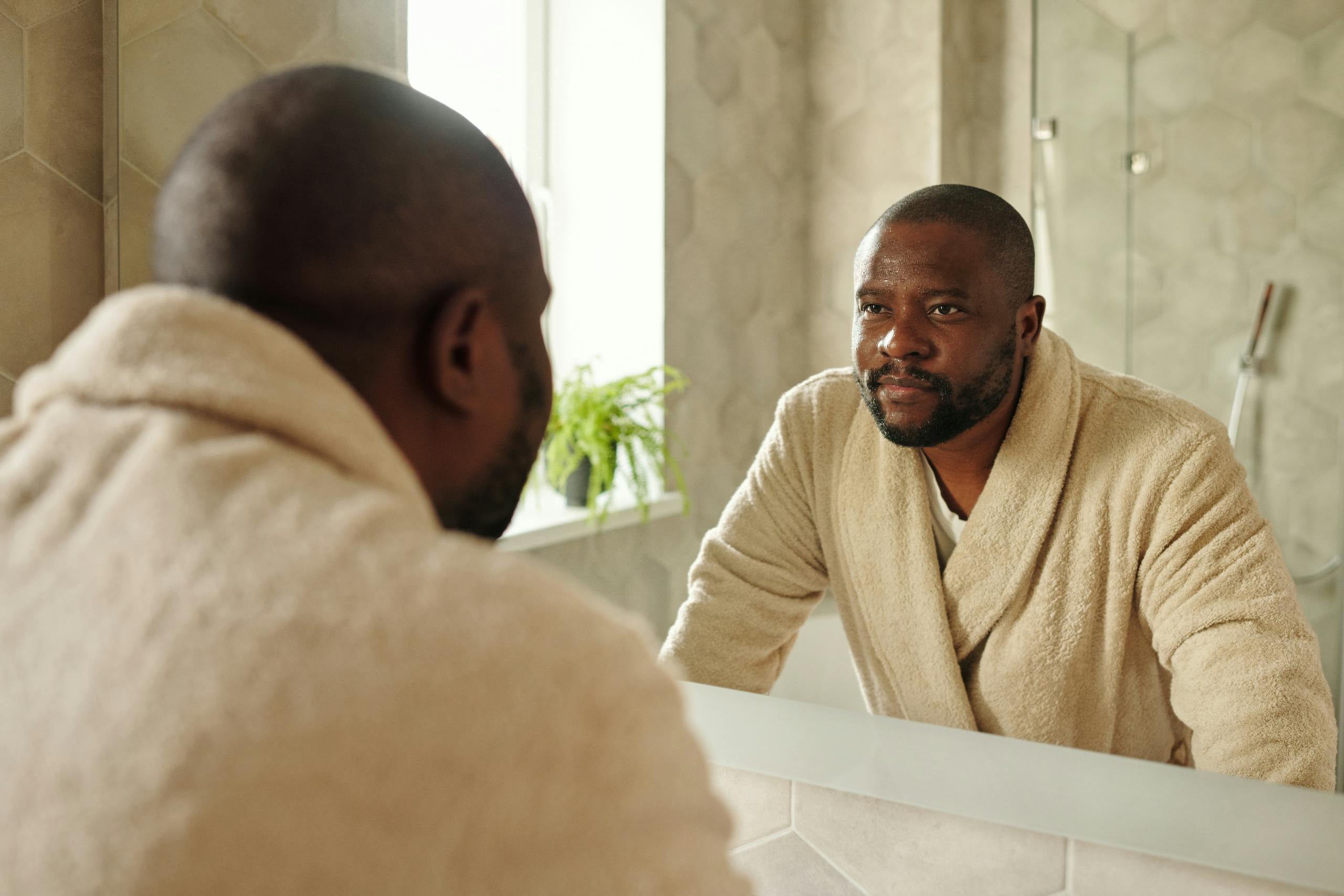
If you’ve been circling this topic, wondering whether your discomfort with alone time is normal or something deeper, you’re in the right place. Our Solitude, Self-Care and Recharging hub covers the full spectrum of how introverts can build a healthier relationship with quiet time, from the practical to the deeply personal. This article adds a layer that doesn’t get discussed enough: the fear itself, where it comes from, and what it costs you when you keep running from it.
Why Are So Many People Scared to Be Alone?
Somewhere in my mid-thirties, I ran an agency with forty people and a calendar so packed I couldn’t find a single unscheduled hour in a week. I told myself that was success. What I didn’t admit, even to myself, was that the busyness was also armor. Silence felt dangerous. Alone time felt like falling.
What’s your personality type?
Take our free 40-question assessment and get a detailed personality profile with dimension breakdowns, context analysis, and personalised insights.
Discover Your Type8-12 minutes · 40 questions · Free
That experience isn’t unique to me. A lot of people, introverts included, use noise and activity as insulation against something they’d rather not face. The fear of being alone often isn’t really about being alone at all. It’s about what shows up when the distraction disappears.
Some of that fear is cultural. We live in a world that treats constant connection as a virtue. Being alone, especially choosing to be alone, gets read as antisocial or sad. When I first started protecting my solitude more deliberately, some of my colleagues genuinely didn’t know what to make of it. One senior account director on my team once asked, half-joking, whether I was “doing okay” because I’d started taking lunch alone a few times a week. The assumption was that solitude meant something was wrong.
Some of the fear is also neurological. The CDC notes that social disconnection carries real health risks, and our brains are wired to flag isolation as a threat. That’s a survival mechanism, not a character flaw. The problem is when the alarm system can’t distinguish between chosen solitude and forced isolation. They feel the same in the moment, even when they’re completely different in meaning.
What’s the Real Difference Between Loneliness and Being Alone?
This is a distinction worth sitting with. Loneliness is an emotional state, a felt sense of disconnection, of not belonging, of being unseen. Being alone is a physical circumstance. You can be profoundly lonely in a room full of people. You can be completely at peace sitting by yourself on a Tuesday evening with a book and a cup of coffee.
Harvard Health has written about how loneliness and isolation differ in important ways, and the distinction matters for how you approach your own alone time. Loneliness is about perceived connection. Isolation is about actual separation. Neither is automatically the same as choosing solitude.
As an INTJ, I process the world internally. My best thinking happens in quiet. My most honest self-reflection happens without an audience. But for years, I conflated the discomfort I sometimes felt in solitude with loneliness, and that made me distrust the very thing I needed most. Once I understood that discomfort in solitude often signals something worth examining, rather than something to escape, everything shifted in how I structured my days.
There’s also a meaningful difference in how solitude affects people depending on their sensitivity. Highly sensitive people often have a particular relationship with alone time that goes beyond simple preference. HSP solitude isn’t a luxury, it’s a genuine need, and understanding that can reframe the fear entirely. What feels scary might actually be your nervous system signaling that it’s overloaded and needs relief, not more connection.
Where Does the Fear of Being Alone Actually Come From?
Fear of solitude has roots that go deeper than personality type. For many people, it connects to early experiences of abandonment or neglect, where being alone genuinely wasn’t safe. For others, it’s tied to self-worth: the belief that you’re only valuable when you’re useful to someone, when you’re performing, when you’re seen.
I managed a creative director at one of my agencies, an INFP with extraordinary instincts, who couldn’t function without constant feedback. Not because she lacked talent, but because silence felt like disapproval to her. She’d interpret a quiet afternoon as evidence that something was wrong, that she’d failed somehow, that the team had moved on without her. Her fear of being alone was really a fear of being forgotten. Those are different problems with different solutions.
For some introverts, the fear is more specific: they’re afraid of what they’ll think about when the noise stops. Unprocessed grief, unresolved decisions, questions about identity or purpose. The busyness isn’t just habit, it’s avoidance. And avoidance has a compounding cost. What happens when introverts don’t get alone time isn’t just tiredness. It’s a slow erosion of clarity, emotional regulation, and self-awareness.
There’s also a social conditioning piece that’s hard to overstate. Many people, particularly those raised in large families or high-stimulation environments, never had a template for productive solitude. Alone time was either punishment or absence, never something you’d choose. Rewiring that association takes time and intentional practice.
Can Being Alone Actually Be Good for You?
Yes, and the evidence is more compelling than most people realize. The Greater Good Science Center at Berkeley has explored how solitude supports creativity, finding that time alone can foster the kind of divergent thinking that group environments often suppress. For people who do their best work in their own heads, that’s not a surprise. But it’s useful validation when the culture keeps pushing you toward open offices and constant collaboration.
Beyond creativity, solitude supports emotional regulation, self-knowledge, and what some researchers call “self-concept clarity,” a clearer sense of who you are and what you value. Frontiers in Psychology has published work on how solitude functions differently for different people, with those who choose it voluntarily tending to experience more positive outcomes than those who experience it as forced or unwanted. The quality of your relationship with solitude matters as much as the quantity.
During my agency years, my most useful strategic thinking almost never happened in meetings. It happened on early morning walks before anyone else was in the office, or during a solo lunch I’d guard fiercely. Those pockets of alone time weren’t indulgences. They were where the real work got done. My team got better output from me because I protected my solitude, not in spite of it.
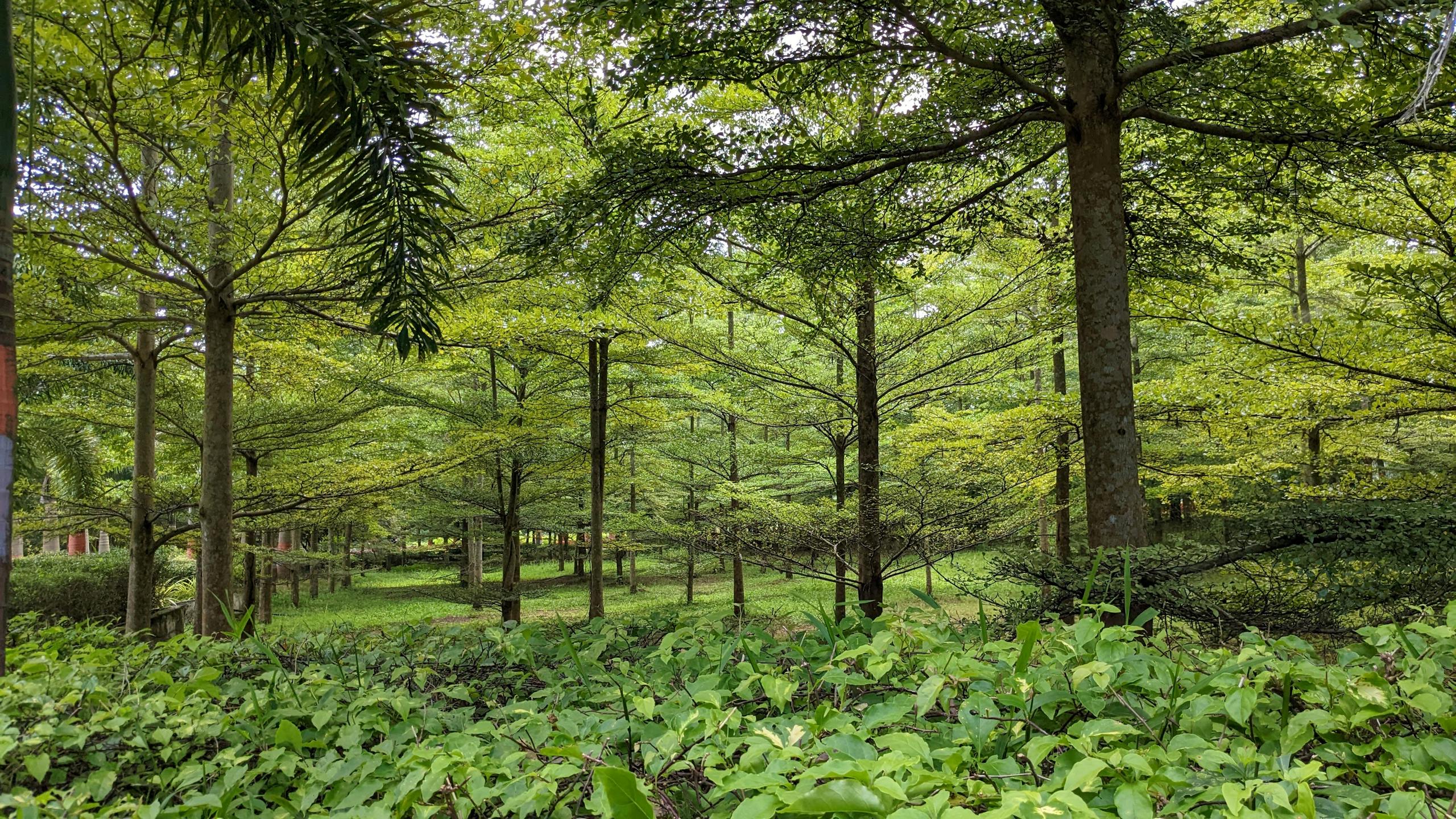
Nature adds another dimension to this. Spending time alone outdoors carries compounding benefits that indoor solitude doesn’t always provide. The healing power of nature for sensitive people is well-documented in HSP research, and even for those who don’t identify as highly sensitive, the combination of solitude and natural environment tends to quiet the nervous system in ways that feel almost immediate. A walk alone in a park does something that sitting alone in an apartment often doesn’t.
How Do You Start to Actually Enjoy Being Alone?
Enjoying solitude isn’t something that happens by accident, especially if you’ve spent years treating it as something to endure or avoid. It’s a skill, and like most skills, it develops through practice and intention.
Start small and structured. Unstructured alone time can feel overwhelming when you’re not used to it. Give yourself something to do in the silence, not as distraction, but as an anchor. Journaling, a slow walk, cooking a meal without background noise. success doesn’t mean fill the silence, it’s to get comfortable enough with it that you stop needing to.
Pay attention to what surfaces when you’re alone. Not to fix it immediately, just to notice. The thoughts and feelings that come up in solitude are often the ones you’ve been too busy to hear. Some of them are uncomfortable. Most of them are useful. As an INTJ, I’ve found that my alone time is where my most honest self-assessment happens. The version of me that shows up in meetings or client presentations is competent and composed. The version that shows up in solitude is more honest, and more interesting.
Build rituals around your alone time so it feels intentional rather than accidental. Daily self-care practices for highly sensitive people offer a useful framework here, even if you don’t identify as an HSP. The principle is the same: consistency and intention transform alone time from something you stumble into to something you genuinely look forward to.
Sleep is part of this too, and it’s often overlooked. The quality of your solitude during waking hours is deeply connected to how well you’re resting. Rest and recovery strategies for sensitive people address the specific ways that an overstimulated nervous system affects sleep, and getting this right can change how you experience solitude entirely. When you’re chronically under-rested, alone time feels threatening. When you’re genuinely recovered, it feels like relief.
What About the Fear That Enjoying Solitude Makes You Antisocial?
This is one of the most persistent myths about introverts, and it does real damage. Choosing solitude doesn’t mean rejecting people. It means understanding what you need to show up well for the people in your life.
Some of the most connected, warm, deeply relational people I’ve known have also been the ones most committed to protecting their alone time. They weren’t antisocial. They were self-aware. They knew that they gave more when they came to relationships recharged rather than depleted.
I watched this play out in my own leadership. In my earlier years running agencies, I’d push through back-to-back client meetings, team reviews, and new business pitches without any recovery time in between. By the end of those days, I was technically present but functionally absent. My listening was shallow. My responses were reactive. I wasn’t connecting with anyone, I was just moving through the motions.
Once I started protecting even small pockets of solitude, the quality of my interactions changed noticeably. A fifteen-minute walk between a client call and a team meeting made me a different person in that meeting. More patient, more genuinely curious, more present. Solitude wasn’t making me less connected to people. It was making my connections more real.

There’s also something worth saying about the social permission to be alone. Psychology Today has addressed how embracing solitude supports overall health, and part of that means giving yourself permission to want it without guilt or apology. You don’t owe anyone a constant social presence. Choosing to be alone sometimes is not a rejection of the people who matter to you.
Is There a Point Where Fear of Being Alone Becomes Something More Serious?
Yes, and it’s worth being honest about this. A mild discomfort with solitude is normal and workable. A profound, persistent terror of being alone, one that drives compulsive relationship-seeking, inability to be in a room without the TV on, or genuine panic when faced with unstructured time, can point to something deeper that deserves real attention.
Autophobia, the clinical fear of being alone, is a recognized condition. So is the kind of anxiety that makes solitude feel genuinely unsafe rather than simply unfamiliar. Research published in PubMed Central has examined how loneliness and social anxiety intersect, and the picture is more complex than most people assume. These aren’t just personality quirks. They’re experiences that respond well to the right kind of support.
If your fear of being alone is significantly shaping your decisions, your relationships, or your sense of self, talking to a therapist is a genuinely useful step. Not because something is broken in you, but because you deserve more than a life organized around avoidance. Additional PubMed research has explored the psychological mechanisms behind fear of solitude, and understanding those mechanisms can be genuinely clarifying, whether you’re working through them on your own or with professional support.
For most people, though, the fear is more ordinary than clinical. It’s the low-grade discomfort of an unfamiliar experience, the residue of a culture that treats busyness as identity, and the understandable anxiety of sitting with thoughts you’ve been postponing. That kind of fear responds to practice, patience, and a willingness to stay in the discomfort long enough to discover what’s on the other side of it.
What Does a Healthy Relationship With Solitude Actually Look Like?
It looks different for everyone, and that’s part of what makes this conversation so personal. But there are some common threads worth naming.
A healthy relationship with solitude means you can choose it without guilt. You don’t need to justify a quiet evening at home or a solo lunch. You don’t owe anyone an explanation for wanting time in your own company.
It means you can be alone without immediately reaching for your phone or turning on background noise. Not because those things are inherently wrong, but because you’ve developed enough comfort with silence that it doesn’t feel like a threat.
It means your alone time is genuinely restorative. Not just neutral, not just tolerated, but actually useful. You emerge from it clearer, calmer, more yourself. That’s the benchmark worth aiming for.
Solo travel is one interesting lens on this. Psychology Today has explored how solo travel reflects a growing comfort with chosen aloneness, and the patterns are revealing. People who travel alone aren’t necessarily lonely or antisocial. Many are deeply self-aware people who’ve discovered that some experiences are richer without the social negotiation that comes with companions. That’s not isolation. That’s preference, and it’s a healthy one.
I took my first solo trip in my late forties, a week in Portugal with no agenda and no one to check in with. I was nervous about it in a way that surprised me. I’d spent two decades being decisive and self-sufficient in professional settings. But a week alone with myself felt genuinely daunting. What I found was that the discomfort lasted about two days, and then something opened up. I noticed more. I thought more clearly. I came home knowing things about myself that a week of group travel never would have surfaced.
The Mac alone time framework offers a practical structure for thinking about how to make the most of time spent in your own company, and it’s worth exploring if you want something more concrete to work with. The idea isn’t to schedule every moment of solitude, but to approach it with enough intention that it actually delivers what you need from it.

Being scared to be alone, if you’re willing to be told the truth, is often less about solitude itself and more about the relationship you have with yourself. When you genuinely like your own company, when you trust your own thoughts, when you’ve made peace with the quiet, solitude stops being something to fear. It becomes something you protect.
That shift doesn’t happen overnight. It happens in small increments, one quiet morning at a time, one solo walk at a time, one evening where you choose stillness over noise and discover that nothing bad happens in the silence. Everything you need to keep building that relationship is waiting for you in our Solitude, Self-Care and Recharging hub, from the science of rest to the practice of intentional alone time.
About the Author
Keith Lacy is an introvert who’s learned to embrace his true self later in life. After 20 years in advertising and marketing leadership, including running agencies and managing Fortune 500 accounts, Keith now channels his experience into helping fellow introverts understand their strengths and build fulfilling careers. As an INTJ, he brings analytical depth and authentic perspective to every article, drawing from both professional expertise and personal growth.
Frequently Asked Questions
Is it normal for introverts to be scared of being alone?
Yes, and it’s more common than most introverts admit. Even people who genuinely prefer solitude can feel anxious when alone time arrives, particularly if they’ve spent years using busyness as a way to avoid uncomfortable thoughts or feelings. The fear doesn’t mean solitude is wrong for you. It often means there’s something worth examining beneath the discomfort. Many introverts find that with practice and intention, alone time shifts from something they endure to something they genuinely value.
What is the difference between being alone and being lonely?
Being alone is a physical state, the absence of other people in your immediate environment. Loneliness is an emotional state, a felt sense of disconnection or not belonging. You can be alone and feel completely at peace. You can be surrounded by people and feel profoundly lonely. The two often get conflated, especially by people who haven’t had much positive experience with solitude, but treating them as the same thing leads to poor decisions about how you spend your time and energy.
How can I get more comfortable with being alone?
Start with small, structured periods of solitude rather than trying to spend long stretches alone before you’re ready. Give yourself an anchor activity, journaling, a slow walk, cooking without background noise, something that keeps you present without filling the silence entirely. Pay attention to what comes up emotionally without immediately trying to fix it. Build consistency over time, because a regular relationship with solitude is far more useful than occasional long stretches. And be patient with the discomfort. It typically softens with practice.
When does fear of being alone become a serious problem?
A mild discomfort with solitude is normal and workable. When the fear becomes intense enough to drive compulsive social behavior, prevent you from functioning in unstructured time, or significantly shape your relationships and decisions, it may be pointing to something deeper worth addressing with professional support. Autophobia, a clinical fear of being alone, is a recognized condition. So is anxiety that makes solitude feel genuinely unsafe. If your fear of being alone is significantly limiting your life, speaking with a therapist is a useful and worthwhile step.
Does enjoying solitude mean you’re antisocial?
No. Choosing solitude is about understanding what you need to show up well in your relationships, not about rejecting people. Many deeply connected, warm, and relational people are also strongly committed to protecting their alone time. They’ve found that they give more to others when they come to relationships recharged rather than depleted. Solitude and connection aren’t opposites. For most introverts, a healthy balance of both produces the best version of themselves in every context.