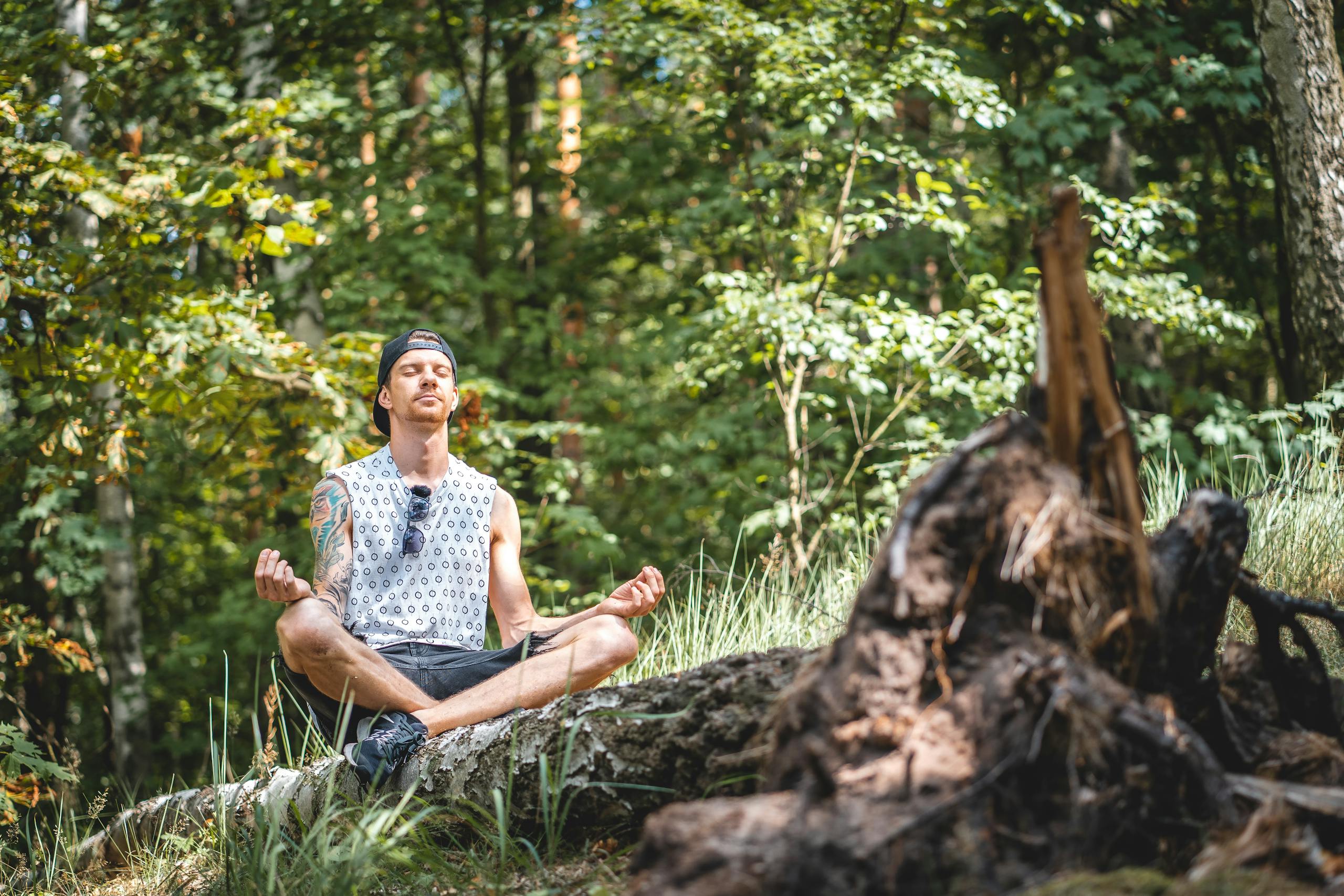
School mindfulness training services for teachers work best when they address the full picture of what educators carry into the classroom each day, not just stress management techniques tacked onto a professional development afternoon. At their core, these programs give teachers practical tools to regulate their own nervous systems, which in turn shapes the emotional climate of every room they walk into.
What makes this worth paying attention to, especially if you’re an introvert working in education, is that the most effective mindfulness training doesn’t ask teachers to perform wellness. It asks them to actually experience it.

Much of what I’ve explored around introvert mental health connects directly to what teachers face. The emotional weight, the sensory demands, the pressure to be “on” for hours at a stretch. Our Introvert Mental Health hub covers the full range of these experiences, and mindfulness in educational settings sits squarely within that conversation.
Why Do Teachers Burn Out Faster Than the Research Predicts?
There’s a pattern I noticed during my agency years that I’ve since recognized in teachers when I’ve talked to them at conferences and through readers of this site. The people who care the most tend to deplete the fastest. They give everything to the room, absorb the emotional residue of everyone in it, and then go home with nothing left to process their own experience.
Career Coaching for Introverts
One-on-one career strategy sessions with Keith Lacy. 20 years of Fortune 500 leadership as an introvert, now helping others build careers that work with their wiring.
Learn More50-minute Zoom session · $175
When I ran my second agency, I had a team lead who was extraordinary with clients. She remembered every detail, anticipated every concern, and held the emotional temperature of every meeting. She was also exhausted by February every year, without fail. What she needed wasn’t a vacation. She needed a way to be present without being consumed.
Teachers face this same dynamic, often at a much higher intensity. A classroom of 25 students generates an enormous amount of sensory and emotional input every single hour. For teachers who are naturally wired to pick up on subtle cues, the cumulative weight of that input becomes genuinely difficult to carry. If you’ve ever felt that kind of overload, the piece I wrote on HSP overwhelm and managing sensory overload speaks directly to what that experience feels like from the inside.
School mindfulness training services address this not by asking teachers to feel less, but by giving them a structured way to process what they feel so it doesn’t accumulate into chronic depletion. That distinction matters enormously.
What Does Effective Mindfulness Training for Teachers Actually Look Like?
Not all mindfulness programs are created equal, and the ones that fail tend to fail in a predictable way. They treat mindfulness as a skill to be demonstrated rather than a practice to be internalized. A teacher who’s been told to “model calm” for students without ever being given tools to actually cultivate that calm is just performing wellness, which is exhausting in its own right.
Effective school mindfulness training services typically include several interconnected components. Breath-based regulation practices come first because they’re the most immediately accessible. When a classroom moment escalates, a teacher can’t pause for a fifteen-minute meditation. What they can do is use a single conscious breath to interrupt the stress response before it takes hold.
Beyond breath work, strong programs include body-based awareness training. Research published in PubMed Central has documented how sustained stress affects physical tension patterns in ways people often don’t consciously notice until the tension becomes pain. Teachers who learn to recognize early physical signals of stress can intervene before those signals compound.
Cognitive reframing is another pillar. This doesn’t mean forcing positive thinking. It means developing the capacity to observe a difficult thought without immediately fusing with it. A teacher who can notice “I’m feeling overwhelmed right now” without that thought triggering a spiral has a fundamentally different experience of a hard day than one who cannot.
Finally, the best programs build in peer support structures. Not mandatory sharing circles, but low-pressure check-in formats that give educators permission to acknowledge what they’re carrying. For introverted teachers especially, this kind of structured, contained support tends to feel far safer than open-ended group processing.
How Does Teacher Anxiety Shape the Classroom Without Anyone Naming It?
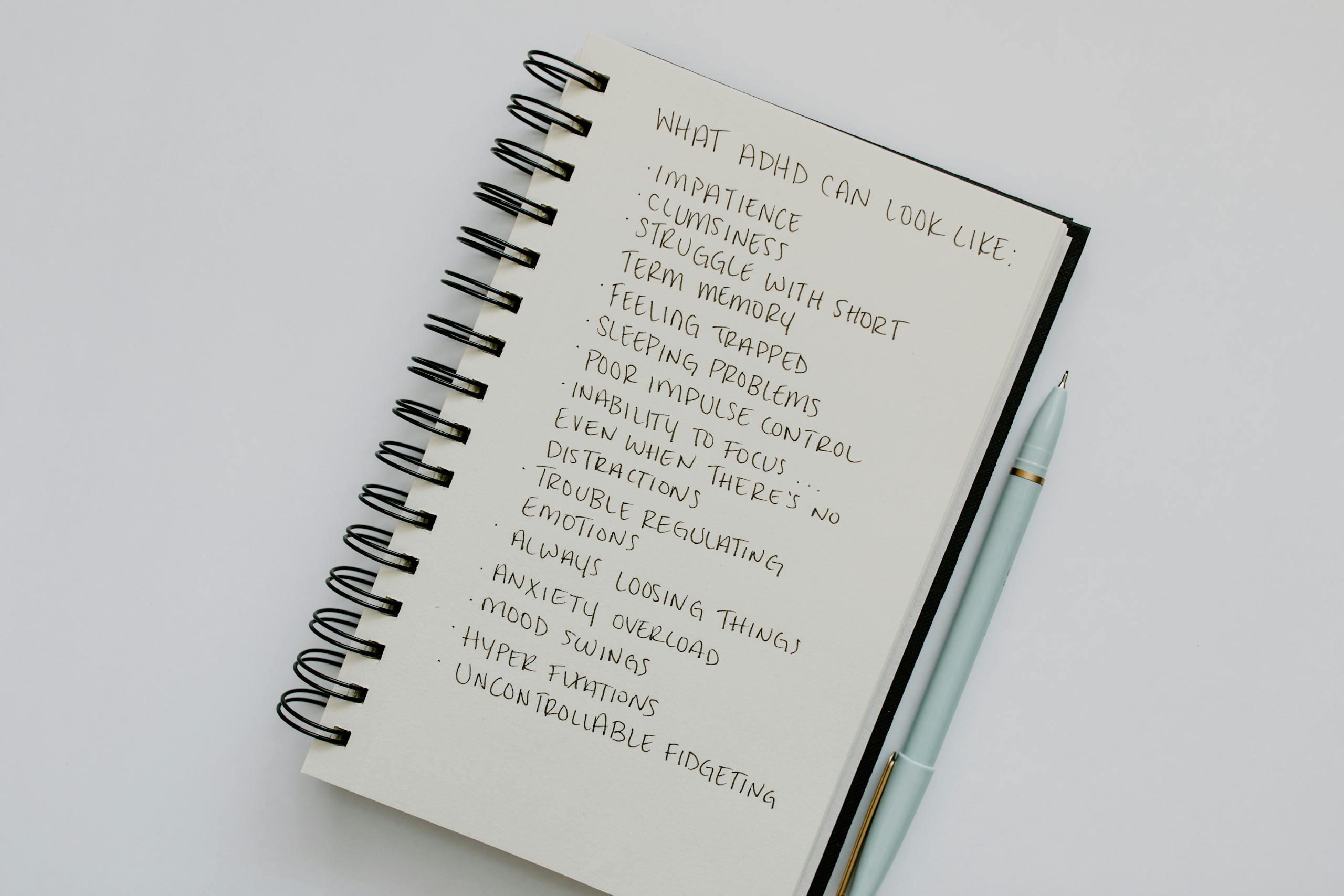
One of the more uncomfortable truths about school environments is that teacher anxiety is contagious in ways that no one in the room consciously tracks. Students, particularly younger ones, are exquisitely sensitive to the emotional state of the adults around them. A teacher who walks in already bracing for the day communicates that bracing posture nonverbally, and the room responds to it.
I saw a version of this play out in client presentations throughout my agency career. When I walked into a pitch already anxious about how the client would receive our work, the room picked it up within minutes. The clients became more guarded, the questions got sharper, and the whole dynamic shifted in a direction that confirmed my original anxiety. The emotional state I brought in shaped the outcome.
Teachers carry this same dynamic, amplified across thirty kids and six hours. The National Institute of Mental Health’s resources on anxiety describe how anxiety affects both cognitive function and interpersonal behavior, and those effects don’t disappear when a person steps into a professional role. They come with you.
For teachers who also experience what’s described in HSP anxiety and its coping strategies, the classroom can feel like an anxiety amplifier rather than a contained professional space. Mindfulness training gives those teachers a way to arrive at their own nervous system before the day arrives at them.
Why Do Introverted Teachers Experience Professional Development Differently?
Here’s something I’ve noticed in conversations with introverted educators: the standard professional development format is almost perfectly designed to exhaust the people it’s meant to support. Full-day sessions, large group activities, breakout discussions with people you barely know, and the expectation that you’ll leave energized. For extroverted teachers, that format might actually work. For introverts, it’s a second job on top of a draining week.
Mindfulness training, when it’s done well, has a structural advantage here. It’s inherently an inward practice. Even in a group setting, the actual work of mindfulness happens inside you, quietly, without requiring you to perform engagement for the benefit of others. That’s a significant difference from most professional development models.
That said, introverted teachers still need to be thoughtful about how they engage with these programs. The tendency to process everything deeply can become its own obstacle when perfectionism enters the picture. A teacher who feels like they’re “doing mindfulness wrong” because their mind wanders during a breathing exercise is falling into a trap that mindfulness practice is specifically designed to dissolve. The wandering mind isn’t a failure. Noticing the wandering mind is the practice.
This connects to something I’ve written about separately, the way high standards can quietly become a source of suffering rather than excellence. If you recognize yourself in that pattern, the piece on HSP perfectionism and breaking the high standards trap goes much deeper into why this happens and what to do about it.
What Does the Science Behind Mindfulness Training Actually Support?
I’m cautious about overclaiming here, because the mindfulness space has accumulated a lot of breathless promises that the actual evidence doesn’t fully support. What the evidence does support is more specific and more useful than the broad claims.
Sustained mindfulness practice is associated with measurable changes in how the nervous system responds to stress. Not the elimination of stress, but a shift in the recovery curve. People who practice regularly tend to return to baseline faster after a stressful event than those who don’t. For teachers who face multiple stressful events before 10 AM, that faster recovery matters enormously.
A review available through PubMed Central on mindfulness-based interventions points to consistent findings around reduced emotional reactivity and improved attentional control in people who complete structured mindfulness programs. Those two outcomes, less reactivity and better attention, translate directly into classroom effectiveness.
There’s also meaningful evidence around emotional processing. Teachers who develop mindfulness practices tend to report greater capacity to feel difficult emotions without being destabilized by them. That’s not emotional suppression. It’s emotional fluency, the ability to move through an experience rather than getting stuck in it. For anyone who feels things deeply, that capacity is worth developing deliberately. The connection to HSP emotional processing and feeling deeply is direct here, because the same nervous system wiring that makes a teacher sensitive and perceptive also makes them vulnerable to emotional overload without the right tools.
What the evidence doesn’t support is the idea that a single professional development day will produce lasting change. The programs that generate real outcomes are the ones that build practice over time, typically eight weeks or more, with ongoing support structures rather than a one-and-done training event.
How Should Schools Choose Mindfulness Training Services?
Not every school mindfulness training service is worth the investment, and the differences between a strong program and a weak one aren’t always obvious from the marketing materials. Having spent two decades evaluating vendors and service providers in the agency world, I developed a fairly reliable filter for separating substance from presentation. The same filter applies here.
Ask about the facilitators’ own practice. A mindfulness trainer who doesn’t maintain a personal practice is teaching from theory, not experience. That gap shows up in the quality of the guidance. The best facilitators can speak from the inside of the practice, not just about it from the outside.
Ask about program duration and follow-up. A credible provider will be honest that a half-day training produces awareness but not transformation. Programs worth considering typically include an initial training component, structured follow-up sessions, and some form of ongoing resource access so teachers can continue building their practice between sessions.
Ask how the program accounts for different teacher personalities and learning styles. A program that assumes all teachers will thrive in the same format is missing something important. Introverted teachers, teachers with anxiety, teachers who carry significant personal stress outside the classroom, all of them benefit from slightly different entry points into mindfulness practice.
The University of Northern Iowa’s research on educator wellbeing programs emphasizes that implementation quality matters as much as program design. A well-designed program delivered poorly produces poor outcomes. Schools should evaluate not just what a service offers but how it’s delivered and by whom.

What Happens When Teachers Bring Mindfulness Into the Classroom?
There’s a secondary benefit to teacher mindfulness training that often goes unmentioned in program descriptions: when teachers develop these practices for themselves, they naturally begin integrating them into their teaching. Not as a formal curriculum, but as a way of being in the room.
A teacher who pauses before responding to a disruptive student rather than reacting immediately is modeling emotional regulation in real time. A teacher who acknowledges when a lesson isn’t landing and adjusts without visible frustration is demonstrating cognitive flexibility. These aren’t performances. They’re the natural expression of a practice that’s become internalized.
For students who are highly sensitive or who carry anxiety into school, a teacher with genuine emotional steadiness is more than a good educator. They’re a regulating presence. The American Psychological Association’s framework on resilience describes how consistent supportive relationships with adults are among the most powerful factors in children’s ability to manage stress. A mindful teacher contributes to that directly.
There’s also something worth naming about the empathic cost of teaching. Teachers who are naturally high in empathy absorb a significant amount of their students’ emotional experience over the course of a day. That’s a gift in many ways, it’s what makes them perceptive and responsive educators. But without boundaries and recovery practices, it becomes a liability. The dynamic I described in the piece on HSP empathy as a double-edged sword plays out in classrooms every day, often without anyone naming it.
How Do Mindfulness Practices Help Teachers Process Criticism and Setbacks?
Teaching involves a constant stream of feedback, some of it formal, some of it delivered by a ten-year-old who announces that today’s lesson was boring. For teachers who feel criticism deeply, that stream can become a source of ongoing pain rather than useful information.
I managed a creative director at my first agency who was extraordinarily talented and genuinely struggled with client feedback. Not because he was precious about his work, but because he processed criticism at a depth that most people don’t. A client’s offhand comment about a headline could occupy his thinking for days. His work was better for that depth of processing, but his wellbeing suffered for it.
Mindfulness practice doesn’t make a person less sensitive to criticism. What it does is create a small but meaningful gap between receiving feedback and responding to it. That gap is where choice lives. A teacher who can sit with “that lesson didn’t work” without immediately collapsing into “I’m a bad teacher” has a fundamentally different relationship with professional growth.
For educators who carry a particular sensitivity around rejection and criticism, the work described in HSP rejection: processing and healing offers a deeper framework for understanding why criticism lands so hard and what to do with that experience. Mindfulness training and that kind of self-understanding work well together.
The clinical overview of stress and burnout available through the National Library of Medicine makes clear that perceived lack of control and chronic criticism are among the strongest predictors of professional burnout. Mindfulness practices directly address the “perceived lack of control” piece by building a teacher’s sense of agency over their own internal experience, even when the external environment remains difficult.

What Should Introverted Teachers Know Before Starting a Mindfulness Practice?
One thing I’ve found consistently true about introverts, including myself, is that we often already have a version of a mindfulness practice without calling it that. The quiet morning routine, the walk that isn’t really exercise but is actually thinking time, the deliberate way we decompress after a social event. These are all forms of attentional regulation.
What formal mindfulness training adds is structure and intentionality. It takes those instinctive recovery behaviors and makes them more reliable, more accessible under pressure, and more transferable to the moments when you actually need them, which is rarely the quiet morning. It’s the Tuesday afternoon when three things have gone wrong simultaneously and you have twenty minutes until the next class arrives.
Introverted teachers also tend to be strong candidates for mindfulness practice because the foundational skill, turning attention inward, is one they’ve been practicing their whole lives. The challenge isn’t learning to go inward. It’s learning to do it with intention and without judgment, which is where formal training adds real value.
Start small and private if the group format feels like too much. A five-minute breathing practice before the school day begins, done alone in your classroom, builds the same neural foundations as a group session. The practice doesn’t require an audience to work.
And be patient with the non-linear nature of it. Some days the practice feels clear and grounding. Other days the mind refuses to settle and the whole thing feels like a waste of time. Both of those days are the practice. The Psychology Today piece on introvert communication patterns touches on something relevant here: introverts often need time to process before they can articulate what an experience meant to them. Mindfulness practice is the same. The meaning often arrives later, not in the moment.
There’s more to explore across the full range of introvert mental health topics, and if today’s article resonated, the Introvert Mental Health hub is where I’ve gathered everything from anxiety and emotional processing to sensory sensitivity and burnout recovery.
About the Author
Keith Lacy is an introvert who’s learned to embrace his true self later in life. After 20 years in advertising and marketing leadership, including running agencies and managing Fortune 500 accounts, Keith now channels his experience into helping fellow introverts understand their strengths and build fulfilling careers. As an INTJ, he brings analytical depth and authentic perspective to every article, drawing from both professional expertise and personal growth.
Frequently Asked Questions
What are school mindfulness training services for teachers?
School mindfulness training services for teachers are structured professional development programs that teach educators evidence-informed practices for managing stress, regulating emotional responses, and maintaining attentional focus throughout the school day. These programs typically include breath-based techniques, body awareness training, and cognitive reframing practices delivered over multiple sessions rather than a single workshop.
How long does it take for mindfulness training to make a difference for teachers?
Most credible programs suggest that meaningful, lasting changes in stress response and emotional regulation develop over eight weeks of consistent practice. Short-term benefits like reduced acute stress can appear within the first few sessions, but the deeper shifts in how a teacher’s nervous system responds to classroom pressure build gradually through sustained practice over time.
Are mindfulness programs better suited to some teachers than others?
Mindfulness practices are accessible to most teachers, but introverted educators and those who are naturally reflective often find the inward focus of mindfulness training particularly compatible with how they already process experience. That said, the specific format of training matters. Introverted teachers may find smaller group or self-directed formats more effective than large-group professional development sessions.
Can mindfulness training help teachers who are experiencing burnout?
Mindfulness training can be a meaningful component of burnout recovery, but it works best as part of a broader approach rather than as a standalone solution. Teachers experiencing significant burnout may also benefit from reduced workload, professional support, and changes to the structural conditions contributing to their exhaustion. Mindfulness practices help build resilience and improve recovery from stress, which supports the burnout recovery process without replacing other necessary interventions.
How do schools evaluate whether a mindfulness training service is worth the investment?
Schools should look for programs with facilitators who maintain active personal mindfulness practices, multi-session formats with follow-up support, and evidence-based curriculum rather than loosely defined wellness content. Strong programs can articulate specific outcomes they target, such as reduced emotional reactivity or improved attentional control, and they’re transparent about what a single training event can and cannot achieve. Asking for references from comparable schools is also a reasonable step before committing to a program.