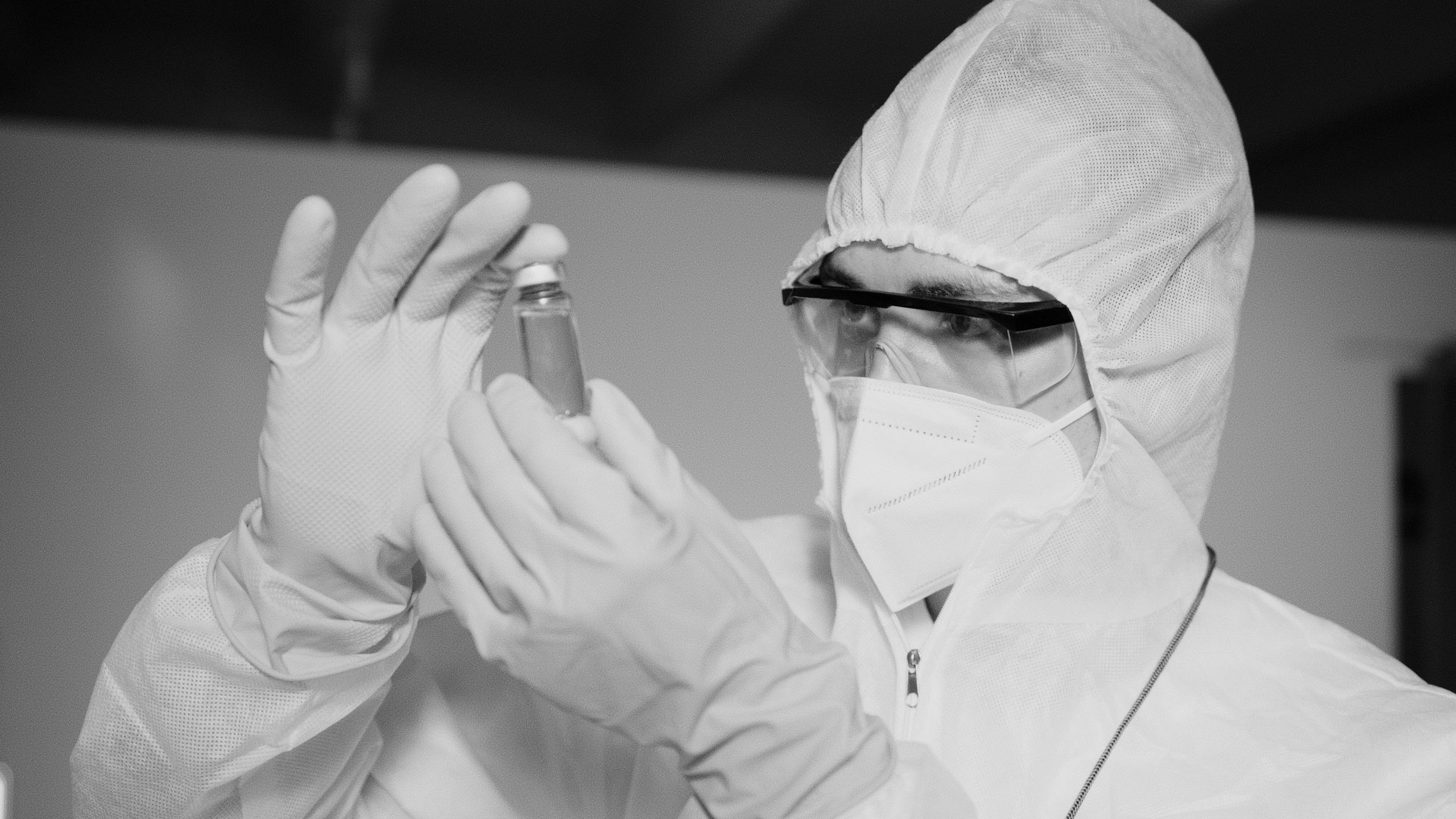

The laboratory has always felt like a second home to me. During my years leading a marketing agency, I spent countless hours analyzing data, building strategic frameworks, and finding patterns that others missed. I craved that focused, methodical work. When I finally embraced my introversion, I understood why.
Science research offers introverts the perfect career sanctuary: permission to think deeply, work independently, and let ideas develop over time. While extroverted colleagues navigate constant meetings and office politics, laboratory environments reward the very qualities that make you feel different elsewhere: careful observation, methodical analysis, and sustained focus on complex problems.
Your quiet, contemplative nature isn’t a limitation in scientific research. According to studies, forensic laboratory scientists describe themselves as introverted by a ten-to-one margin, and university-level research shows introversion predicts academic performance better than cognitive ability alone. Your introversion may be your greatest professional asset in this field.
Why Do Science Labs Feel Like Home to Introverts?
The scientific method itself mirrors how many introverts naturally approach the world. We observe carefully before acting. We prefer to gather evidence before forming conclusions. We find satisfaction in understanding complex systems rather than rushing to quick answers.
What’s your personality type?
Take our free 40-question assessment and get a detailed personality profile with dimension breakdowns, context analysis, and personalised insights.
Discover Your Type8-12 minutes · 40 questions · Free

According to research published on ScienceDirect, forensic laboratory scientists overwhelmingly describe themselves as introverted by a margin of roughly ten to one. These professionals report feeling energized by solitude and internal contemplation rather than by socialization or interpersonal stimuli. This pattern extends across scientific disciplines, from chemistry labs to biological research facilities.
I remember working with team members in my agency days who would think out loud, processing ideas through conversation. I was the opposite. I needed quiet time to let concepts marinate, to examine problems from multiple angles before speaking. In scientific research, this reflective approach is not a liability but a methodology. The laboratory rewards those who take time to observe, record, analyze, and verify before drawing conclusions.
The extended focus required for experimental work aligns perfectly with how introverts naturally process information. While extroverts may seek variety and stimulation, introverts often thrive when they can dedicate sustained attention to a single problem. A Walden University analysis found that at the university level, introversion predicts academic performance better than cognitive ability alone, suggesting that the introverted tendency toward deep engagement with material translates directly into research success.
What Makes Laboratory Environments Perfect for Introverts?
Walk into most research laboratories and you will notice something distinct about the atmosphere. There is a sense of focused calm, interrupted occasionally by the hum of equipment or quiet discussions about methodology. This environment emerges not by accident but because it serves the work. Scientific research demands concentration, and the laboratory culture reflects that need.
For introverts who feel overstimulated in typical office environments, laboratories offer several key advantages:
- Extended periods of independent work – Preparing samples, running experiments, analyzing data, and documenting results naturally involve solo focus time
- Purposeful collaboration rather than constant interaction – You discuss experimental design with colleagues, present findings at lab meetings, or troubleshoot problems together, but between these interactions, you work in your own rhythm
- Flexible scheduling opportunities – Many labs operate on flexible schedules, allowing researchers to choose hours when fewer people are present
- Individual workstations separated from collaborative spaces – Physical layouts support concentrated work with designated zones for different activities
- Remote work possibilities for analytical tasks – Some research positions offer satellite facilities or remote data analysis work, though hands-on laboratory work requires physical presence
I learned in my corporate career that managing energy is crucial for introverts. Those back-to-back meetings and networking events that energized some colleagues left me depleted. In contrast, laboratory work allows for the kind of energy management introverts need. You can structure your day around periods of deep focus, scheduling collaborative activities when your social battery is charged and reserving independent work for when you need to recharge.

How Do Introvert Strengths Drive Scientific Discovery?
The qualities that sometimes feel like limitations in other careers become genuine advantages in scientific research. Understanding these strengths can help you leverage them intentionally throughout your career.
Attention to Detail and Pattern Recognition
Introverts tend to process information deeply, noticing subtleties that others might overlook. In laboratory work, this translates directly into better data quality. Catching a slight anomaly in an experimental result, identifying a contaminated sample, or recognizing an unexpected pattern in data requires exactly this kind of careful attention. I spent years reviewing marketing metrics and audience data, training myself to spot the signals hidden in noise. That same skill applies whether you are analyzing market trends or examining cell cultures under a microscope.
Comfort with Extended Independent Work
Many people find sustained solitary work challenging. Introverts often find it energizing. Research projects can span months or years, requiring consistent effort even when results remain uncertain. The ability to maintain motivation during long stretches of independent work represents a significant advantage. Where others might seek constant feedback or social interaction, introverts can find satisfaction in the work itself.
Deep Thinking and Complex Problem Solving
Scientific breakthroughs rarely come from surface-level analysis. They emerge when researchers invest time in understanding problems thoroughly, considering multiple hypotheses, and exploring unexpected connections. Research on personality and creativity by psychologist Mihaly Csikszentmihalyi and others demonstrates that creative individuals frequently display introverted tendencies, as innovation requires long periods of solitude, introspection, and independent thinking.
Written Communication Excellence
Science runs on documentation. Grant proposals, research papers, experimental protocols, and peer reviews all require clear, precise writing. Introverts often prefer written to verbal communication, and this preference serves them well in academia and industry research alike. Career research confirms that introverts frequently excel in roles requiring strong analytical and written communication skills, making scientific documentation a natural fit.
For more on this topic, see environmental-science-for-nature-loving-introverts.

Which Science Career Paths Work Best for Introverts?
Scientific research encompasses a remarkable variety of roles, and not all require the same level of social interaction. Understanding your options helps you find positions that align with your energy needs while building a fulfilling career.
Laboratory Research Scientist
This is the classic image of scientific work: designing experiments, collecting data, analyzing results, and contributing to our understanding of the natural world. Laboratory research scientists work in academic institutions, government agencies, and private industry. The balance between independent bench work and collaborative discussion varies by lab and institution, but most positions offer substantial time for focused individual work. According to Coursera career resources, research scientists plan, design, and oversee experiments across fields from medicine to environmental science, with median salaries reflecting the specialized expertise required.
Data Scientist or Computational Researcher
As research generates increasingly large datasets, the demand for scientists who can analyze and interpret this information has exploded. Computational roles often offer even more flexibility for independent work, with much of the analysis possible from any location with appropriate computing resources. If you enjoy finding patterns in complex data and have strong quantitative skills, this path combines scientific inquiry with minimal required face-to-face interaction.
Technical Writer for Scientific Organizations
Not everyone in science works at the bench. Scientific organizations need skilled communicators who can translate complex findings into accessible documents. From regulatory submissions to research publications, technical writing careers leverage introvert strengths in written communication while maintaining connection to scientific work. This path often allows for largely independent work with occasional collaborative meetings.
Laboratory Manager
For introverts comfortable with some supervisory responsibility, laboratory management offers a way to shape research environments. These roles involve ensuring equipment functions properly, maintaining safety protocols, and coordinating research activities. While management requires more interpersonal interaction than bench work, the interactions tend to be purposeful and task-focused rather than purely social.
Quality Control Specialist
In pharmaceutical, biotechnology, and manufacturing industries, quality control specialists ensure that products meet required standards. This meticulous work rewards attention to detail and methodical approaches. While collaboration with production teams is necessary, much of the actual testing and analysis happens independently in controlled laboratory settings.
How Can Introverts Handle the Social Side of Science?
It would be misleading to suggest that scientific research involves no social interaction. Modern science is collaborative, and successful researchers need to communicate their findings, secure funding, and work effectively within teams. However, the nature of these interactions often suits introverted communication styles better than many realize.

Scientific collaboration tends to be substantive. Rather than small talk about weekend plans, you discuss experimental design, debate interpretations of results, and solve technical problems together. For introverts who find casual socializing draining but enjoy meaningful conversation, this type of interaction can actually feel energizing. I discovered this in my own career: the conversations that exhausted me were the superficial networking events, not the deep strategic discussions about client challenges.
Successful strategies for introverted scientists include:
- Preparation-based networking – Thoroughly preparing for presentations and choosing collaboration formats that allow for reflection time
- Written relationship building – Building professional relationships through email correspondence and thoughtful written exchanges before in-person meetings
- Leveraging grant writing strengths – Using your natural preference for careful reasoning, clear writing, and attention to detail in proposal development
- Strategic conference engagement – Focusing on poster sessions for smaller one-on-one conversations rather than large-audience presentations
- Authentic enthusiasm – Concentrating on genuine excitement for your work rather than audience concerns during presentations
Writing in Nature, researchers have explored how technology and practice can help introverted scientists succeed when reticence feels risky. The article emphasizes that introversion need not limit scientific achievement when researchers develop strategies that align with their natural tendencies.
Grant writing, often viewed as a dreaded necessity in academic science, actually plays to introvert strengths. These proposals require careful reasoning, clear writing, and attention to detail. While some researchers struggle with the extended solo work of proposal development, introverts often find this focused writing time productive and even enjoyable. Similarly, preparing research papers involves exactly the kind of solitary analytical work where introverts excel.
How Do You Build Your Path Into Laboratory Research?
If scientific research appeals to you, the pathway is more flexible than many assume. While graduate degrees remain important for many research positions, particularly in academia, alternative routes exist depending on your career goals.
Educational Foundations
A bachelor’s degree in a scientific discipline provides the foundational knowledge necessary for entry-level laboratory positions. Fields such as biology, chemistry, physics, and environmental science offer direct preparation. However, related fields like engineering, computer science, and mathematics increasingly connect with laboratory research, particularly as data analysis becomes central to scientific work.
For those seeking to lead independent research programs, particularly in academic settings, doctoral degrees remain the standard pathway. Graduate school involves intensive independent research under faculty mentorship, an environment that many introverts find highly rewarding despite its challenges. The extended focus on a single research question, combined with the development of deep expertise, aligns well with introvert preferences for depth over breadth.
For more on this topic, see grad-school-navigation-for-research-focused-introverts.
Gaining Laboratory Experience
Practical experience matters enormously in scientific careers. University students can often find research positions in faculty laboratories, gaining exposure to actual research processes while still in school. These positions help you determine whether laboratory work suits your temperament while building skills that strengthen graduate school applications.
For those already in the workforce, career transitions into laboratory science are possible. Laboratory technician positions may be accessible with a bachelor’s degree and some demonstrated interest in the field. Industry positions in quality control, technical support, or manufacturing can provide entry points that lead toward more research-focused roles over time.
During my marketing career, I discovered that my analytical skills transferred directly to data interpretation and pattern recognition. One of my junior team members made a similar transition from our agency’s research department to a pharmaceutical company’s market research division, then eventually moved into clinical research coordination. The analytical thinking and methodical approach that served her in campaign analysis proved equally valuable in scientific contexts.
Building Your Professional Network
Professional relationships matter in science, but networking can happen in ways that suit introverted preferences. Written correspondence, including thoughtful emails to researchers whose work interests you, can establish connections without the pressure of networking events. Professional conferences, while initially overwhelming, often include smaller special interest sessions where conversations focus on specific topics rather than general mingling.

Online communities in your scientific field offer another avenue for relationship building. Forums, professional social media, and collaborative platforms allow you to contribute meaningfully without the energy drain of in-person networking. Many research collaborations now begin through these digital connections, particularly as remote work becomes more accepted in scientific fields.
What Does Success Look Like for Introverted Research Scientists?
Success in scientific research as an introvert involves not just choosing the right field but also managing your career strategically. Several practices can help you build a sustainable and fulfilling research career.
Structure Your Time for Energy Management
When you have control over your schedule, use it intentionally. Cluster meetings and collaborative work together, reserving other periods for uninterrupted bench work or analysis. Many laboratories offer flexibility about which hours you work; consider whether early mornings or late afternoons might provide the quiet environment you need for your most demanding cognitive tasks.
Communicate Your Work Effectively
Your research accomplishments matter little if others do not know about them. While self-promotion may feel uncomfortable, strategic communication of your work is essential for career advancement. Focus on the substance rather than the salesmanship. Clearly written research papers, well-organized presentations, and thoughtful contributions to lab discussions all demonstrate your value without requiring extroverted performance.
Choose Collaborators Wisely
Not all research environments suit introverted temperaments equally. Some laboratories emphasize constant collaboration and open-plan spaces; others respect the need for focused individual work. When evaluating positions, pay attention to lab culture. Ask about typical workdays, observe how current lab members interact, and trust your instincts about whether you can thrive in that particular environment.
Develop Your Scientific Communication Skills
Writing and presentation skills serve researchers throughout their careers. Invest in developing these abilities through courses, practice, and feedback. Many introverts find that thorough preparation transforms nerve-wracking presentations into manageable performances. The more you practice articulating your research, the more natural it becomes.
Build Recovery Time Into Your Routine
Research careers include unavoidable periods of intense social interaction: conferences, grant panels, collaborative projects. Plan for recovery time after these events. Give yourself permission to schedule lighter workloads following demanding social periods. Understanding and respecting your energy needs allows you to sustain high performance over the long term.
How Is Scientific Research Evolving for Introverts?
Scientific careers continue to evolve in ways that may benefit introverted researchers. Remote collaboration tools have expanded, allowing meaningful scientific partnership without constant in-person interaction. Computational and data-focused research roles have grown, often offering more flexibility about where and when work happens. Meanwhile, growing awareness of personality diversity in the workplace has led some institutions to create more introvert-friendly environments.
At the same time, pressures exist. Research published in Frontiers in Psychology notes that social engagement affects academic outcomes even for introverts, suggesting that finding sustainable ways to engage with scientific communities matters for success. The key is authentic engagement rather than forced extroversion. Contributing meaningfully to scientific discussions, building genuine relationships with collaborators, and sharing your work through channels that suit your style all advance your career without requiring you to become someone you are not.
The growing importance of data analysis across scientific disciplines creates particular opportunities for analytically-minded introverts. As research generates larger datasets and computational methods become central to discovery, researchers who can work independently with complex data become increasingly valuable. This shift may create even more room for introvert-friendly career paths within science.
I witnessed this evolution firsthand while consulting for a biotech startup. Their data science team worked almost entirely remotely, collaborating through shared platforms and video calls but spending most of their time in solo analysis. The head of research, clearly an introvert, had built a team culture that respected different working styles while maintaining rigorous scientific standards. It was exactly the kind of environment I wish had existed when I first started my career.
Why Science Needs Your Introvert Mind
Looking back on my own career journey, I recognize how my introversion shaped both my struggles and my successes. The qualities that made endless networking events exhausting also made me effective at deep analysis and strategic thinking. Science research offers a similar exchange: the demands of presentations and grant competitions exist, but so does the opportunity to spend significant time in focused, meaningful work.
If the laboratory calls to you, listen to that instinct. The scientific community needs researchers who observe carefully, think deeply, and pursue understanding with patience and persistence. These qualities are not incidental to introversion; they are often central to it. Your quiet nature is not an obstacle to overcome but a foundation to build upon.
The researchers who advance scientific understanding are not always the loudest voices at conferences or the most charismatic grant presenters. Often they are the ones who notice what others miss, who persist when immediate results remain elusive, and who find genuine satisfaction in the process of discovery itself. If that description resonates with you, science research may offer not just a career but a calling.
Frequently Asked Questions
Can introverts succeed in scientific research when so much depends on collaboration and communication?
Absolutely. While modern science involves collaboration, much of the actual research work happens independently. Introverts often excel at the focused observation, careful analysis, and clear written communication that drive scientific progress. The key is finding environments and strategies that allow you to collaborate effectively while respecting your energy needs.
What types of laboratory research positions offer the most independence?
Computational and data analysis roles typically offer significant independence, as much of the work can happen alone with a computer. Traditional bench science positions vary by laboratory culture, but roles in quality control, certain analytical chemistry positions, and highly specialized research areas often involve substantial solo work. Industry positions sometimes offer more structured independence than academic roles.
How do introverted scientists handle the networking required for career advancement?
Many introverted scientists build relationships through written communication, small-group interactions, and focused scientific discussions rather than large networking events. Contributing thoughtfully to scientific communities online, developing meaningful collaborations through shared research interests, and preparing thoroughly for necessary in-person events all help introverts advance without forcing extroverted behavior.
Is a graduate degree necessary for a career in scientific research?
It depends on your goals. A bachelor’s degree qualifies you for laboratory technician and some research associate positions. A master’s degree expands options in industry and applied research. For positions leading independent research programs, particularly in academia, a doctoral degree remains the standard requirement. Many successful research careers begin with entry-level positions and advance through demonstrated competence and continued education.
How can I tell if laboratory research will suit my introverted temperament before committing to this career path?
Seeking research experience while still in school provides valuable insight. University students can often volunteer or work in faculty laboratories. Informational interviews with working researchers, either in person or through written correspondence, help you understand daily realities. Some museums, nature centers, and citizen science projects offer volunteer opportunities that provide exposure to scientific methods without career commitment.
Explore more Career Paths and Industry Guides resources in our complete Career Paths & Industry Guides Hub.
About the Author
Keith Lacy is an introvert who’s learned to embrace his true self later in life. With a background in marketing and a successful career in media and advertising, Keith has worked with some of the world’s biggest brands. As a senior leader in the industry, he has built a wealth of knowledge in marketing strategy. Now, he’s on a mission to educate both introverts and extroverts about the power of introversion and how understanding this personality trait can unlock new levels of productivity, self-awareness, and success.