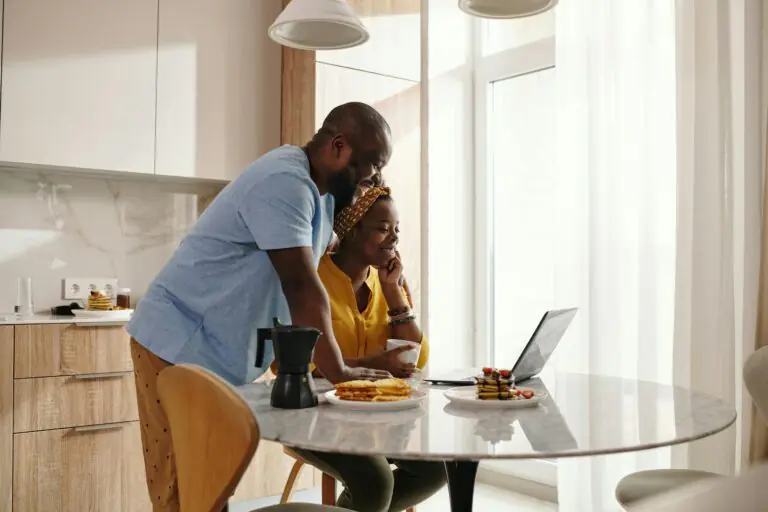
My partner once asked why I needed three hours alone after a weekend with friends. “Are you avoiding me?” The question caught me off guard. After two decades managing agency teams and handling countless client relationships, I’d learned to read people quickly. But explaining my need for solitude without triggering insecurity? That required a different skill entirely.
Secure attachment gets misrepresented in relationship advice. Most frameworks assume constant availability equals emotional security. Yet some of the most stable relationships I’ve witnessed, both personally and professionally, involved partners who understood that independence strengthens rather than threatens connection.

Attachment theory categorizes relationship patterns into four styles: secure, anxious, avoidant, and disorganized. Each develops through early experiences and shapes how we approach intimacy, handle conflict, and maintain emotional bonds. For those who identify as introverted, secure attachment doesn’t mean abandoning your need for solitude. It means finding partners who recognize that your processing style differs from extroverted norms.
Understanding attachment patterns helped me recognize why certain relationships felt exhausting while others energized me. Our Introvert Dating & Attraction hub explores relationship dynamics for those who recharge through solitude, and secure attachment represents the foundation that makes those connections sustainable long-term.
What Secure Attachment Actually Means
Psychologist John Bowlby developed attachment theory in the 1950s, observing how infants form bonds with caregivers. Mary Ainsworth expanded this research through her Strange Situation experiments, identifying distinct attachment patterns that persist into adulthood. Secure attachment emerges when caregivers consistently respond to a child’s needs, creating confidence that emotional support remains available.
What’s your personality type?
Take our free 40-question assessment and get a detailed personality profile with dimension breakdowns, context analysis, and personalised insights.
Discover Your Type8-12 minutes · 40 questions · Free
Adults with secure attachment demonstrate several characteristics. Research from the University of Illinois found that securely attached individuals maintain emotional stability during conflict, communicate needs clearly without excessive anxiety, and balance independence with intimacy effectively. They trust partners without requiring constant reassurance, express vulnerability without fear of abandonment, and handle disagreements while preserving connection.
These traits look different for introverts. During Fortune 500 client meetings, I observed executives who commanded respect not through charisma but through steady reliability. The same principle applies to relationships. Secure attachment for introverts means your partner understands that processing emotions internally doesn’t signal withdrawal. It means they recognize that your measured response style reflects thoughtfulness rather than indifference.

How Introversion Influences Attachment Development
Temperament shapes attachment formation. Dr. Jerome Kagan’s longitudinal studies at Harvard demonstrated that children with inhibited temperaments process social situations differently from birth. While temperament doesn’t predetermine attachment style, it influences how secure attachment manifests.
Introverted children who develop secure attachment typically have caregivers who respect their processing style. Instead of pushing immediate emotional expression, these parents allow space for internal reflection. The child learns that solitude strengthens rather than threatens relationships. This foundation creates adults who can build trust in relationships while maintaining authentic needs for alone time.
My agency experience revealed similar patterns in professional relationships. Team members who thrived under my leadership weren’t those who needed constant direction. They were individuals who understood project objectives, worked independently, and reconnected when collaboration added value. The parallel to romantic relationships became obvious once I recognized it.
Energy Management Versus Emotional Avoidance
Critics often confuse introvert energy management with avoidant attachment. The distinction matters. Avoidant individuals fear intimacy and create emotional distance as protection. Introverts with secure attachment want deep connection but recognize that maintaining it requires energy replenishment.
Consider how this plays out practically. An avoidant person cancels plans last minute and offers vague explanations. A secure introvert communicates capacity honestly: “I need tonight alone to recharge, but I’m looking forward to Saturday together.” The former creates instability. The latter builds predictability that strengthens trust.
A 2019 study published in the Journal of Social and Personal Relationships found that couples where both partners understood each other’s energy patterns reported higher satisfaction levels than those with mismatched expectations. The research confirmed what I’d observed managing diverse teams: clear communication about needs prevents the resentment that erodes connection.
Signs of Secure Attachment in Introverts
Recognizing secure attachment in yourself or potential partners requires looking beyond surface behaviors. These patterns indicate healthy relationship capacity.

Comfortable With Interdependence
Secure introverts maintain independence without creating emotional barriers. They enjoy solitary activities but welcome their partner’s company when energy allows. One client project required months of intensive collaboration. My ability to contribute effectively depended on preserving evening solitude for processing. Partners who understood this interdependence, recognizing that my solo time strengthened our collective output, demonstrated secure attachment.
In romantic relationships, this looks like maintaining separate interests while sharing life’s significant moments. You pursue individual hobbies without guilt. Your partner respects your need for solo activities. Yet when it matters, both show up fully present. Balancing autonomy and connection characterizes secure attachment for introverts.
Direct Communication About Needs
Securely attached introverts articulate boundaries without excessive justification. They don’t apologize for needing processing time. They explain energy patterns clearly, trusting partners to understand rather than judge.
During my years leading agency teams, the most effective communicators stated needs directly. “I need three hours to review these proposals before our meeting” worked better than vague “I’ll try to get to it.” The same principle applies to relationships. Building intimacy doesn’t require constant dialogue. It requires honest communication about what you need to show up authentically.
Emotional Regulation Without Withdrawal
Secure attachment means processing emotions internally without shutting partners out completely. You might need time alone after difficult conversations, but you communicate that intention. “I need to think about this. Can we continue tomorrow?” differs significantly from disappearing without explanation.
Research from the University of California, Davis found that securely attached individuals recover from relationship conflicts more quickly than those with insecure patterns. They don’t avoid difficult topics. They simply approach them with measured timing that honors both partners’ processing needs.
Building Secure Attachment Patterns
Attachment styles aren’t fixed. Neuroplasticity research demonstrates that new relationship experiences can shift ingrained patterns. Creating secure attachment as an introvert requires intentional effort and partners willing to understand your needs.

Choose Partners Who Understand Energy Dynamics
The foundation of secure attachment starts with partner selection. Look for individuals who demonstrate respect for processing time. Early in dating, notice how potential partners respond when you express needs for solitude. Do they interpret it personally? Or do they acknowledge the request without requiring extensive justification?
One relationship transformed when I found someone who genuinely understood that my evening solitude recharged me for quality time together. Instead of viewing alone time as rejection, she recognized it as preparation for deeper connection. That shift from defensive interpretation to supportive understanding marked secure attachment.
Consider how couples balance alone time and relationship time naturally. Secure partners negotiate these rhythms collaboratively rather than viewing them as competing demands.
Establish Predictable Patterns
Security develops through consistency. Create relationship rhythms that honor both connection and independence. Perhaps weekday evenings remain separate while weekends prioritize togetherness. Maybe Sunday mornings involve solo activities before shared brunch.
These patterns shouldn’t feel rigid. Life circumstances change. But establishing baseline expectations prevents the constant negotiation that drains introverts. During intense project periods at the agency, my team knew I’d be less available for casual interaction but fully present during scheduled check-ins. That predictability built trust despite limited social contact.
Apply the same framework to relationships. When partners know your patterns, they stop interpreting alone time as rejection. The predictability itself becomes reassuring.
Practice Vulnerable Communication
Secure attachment requires sharing internal experiences even when it feels uncomfortable. You don’t need constant emotional updates. Rather, let partners understand your inner world enough to recognize that silence doesn’t equal distance.
I learned this through trial and error. Early relationships failed partly because I assumed partners should instinctively understand my processing style. Eventually I recognized that showing love without words works only when partners speak the same language. Sometimes you need to verbalize the internal experience.
“I’m processing what you said” communicates more than silence. “I care about this conversation and need time to formulate my response” prevents misinterpretation. These small clarifications build security by making your internal process visible.

Address Insecure Patterns Consciously
Many introverts develop anxious or avoidant tendencies before finding secure attachment. Recognizing these patterns enables change. Anxious attachment manifests as excessive worry about partner availability despite craving solitude. Avoidant attachment appears as fear of intimacy masked by preference for independence.
Dr. Sue Johnson’s research on Emotionally Focused Therapy demonstrates that addressing attachment injuries directly strengthens relationship security. Professional support helps some people, but the work starts with honest self-assessment. When you cancel plans, are you protecting necessary alone time or avoiding emotional vulnerability? The distinction matters.
Working through these patterns takes time. My own path from avoiding emotional expression to embracing measured vulnerability spanned years. The shift accelerated when I found partners secure enough to handle both my need for space and my occasional requests for connection.
Secure Attachment With Different Partner Types
Partner compatibility significantly influences attachment security. Understanding how introvert-extrovert pairings work helps set realistic expectations.
Introvert-Introvert Relationships
When two introverts date, mutual understanding of energy needs creates natural security. Both partners recognize the value of parallel activities, comfortable silence, and limited social obligations. The challenge involves ensuring enough shared experiences to maintain connection.
Research from the Personality and Social Psychology Bulletin found that similarity in temperament predicts relationship satisfaction more reliably than complementarity. Two introverts don’t need to explain why staying home appeals more than crowded events. This shared framework reduces friction.
Yet secure attachment still requires effort. Two people can be so comfortable with independence that they forget to prioritize togetherness. Schedule intentional connection time. Plan activities that energize rather than drain both partners. The goal remains interdependence, not parallel lives.
Introvert-Extrovert Relationships
Mixed-temperament relationships demand more negotiation but can achieve secure attachment through mutual respect. The extroverted partner needs to understand that your energy management isn’t personal rejection. You need to recognize that their social needs differ without viewing them as excessive.
One agency colleague maintained a thriving relationship with an extroverted spouse by establishing clear boundaries around work travel recovery time. After returning from conferences, he needed 48 hours of minimal interaction before resuming normal social activity. His wife respected this pattern without resentment because he’d communicated it clearly and she understood the neuroscience behind it.
Success requires both partners adapting. The extrovert might socialize independently sometimes. The introvert might attend certain events despite energy cost. These compromises work only when both feel their needs matter equally.
Common Misconceptions About Secure Attachment
Several myths about secure attachment deserve clarification, especially for introverts working through relationship advice written primarily for extroverted audiences.
Myth: Secure Attachment Requires Constant Availability
Popular relationship advice emphasizes responsiveness as the core of secure attachment. While true, it misinterprets what responsiveness means. Answering every text immediately doesn’t create security. Predictable, reliable presence does. If your partner knows you’ll respond within certain timeframes and show up for important moments, that consistency builds attachment security more effectively than 24/7 availability.
During demanding project phases, I couldn’t always respond instantly to personal messages. But my partner knew that evening check-ins were sacred. That predictable pattern mattered more than constant access.
Myth: Needing Alone Time Indicates Avoidant Attachment
Attachment literature sometimes conflates solitude preference with emotional avoidance, confusing introversion’s neurological need for lower stimulation with psychological defense mechanisms. Avoidant individuals flee intimacy. Introverts with secure attachment embrace it on terms that honor their processing style.
The distinction shows in behavior patterns. Avoidant people deflect emotional conversations consistently. Secure introverts engage deeply but might request timing adjustments. “Can we discuss this tomorrow when I’m more present?” differs fundamentally from “I don’t want to talk about feelings.”
Myth: Secure Attachment Eliminates All Anxiety
Even securely attached individuals experience relationship anxiety occasionally. The difference lies in how they handle it. Secure people can voice concerns without catastrophizing. They trust that addressing problems strengthens rather than threatens the relationship.
Research from the Journal of Personality and Social Psychology confirms that secure attachment correlates with effective conflict resolution, not conflict absence. Disagreements happen. Security means working through them without questioning the relationship’s foundation.
Maintaining Secure Attachment Long-Term
Secure attachment requires ongoing maintenance. Life changes, stress levels fluctuate, and relationship dynamics shift. Preserving security through these transitions demands intentional effort.
Regular Relationship Check-Ins
Schedule periodic conversations about relationship health. These shouldn’t feel like performance reviews. Think of them as maintenance that prevents small issues from becoming major problems. Discuss whether current patterns still serve both partners. Adjust boundaries as needed.
My partner and I implemented quarterly “state of the relationship” talks. Initially awkward, they became valuable opportunities to recalibrate expectations before resentment accumulated. As an introvert, I appreciated the structured format over spontaneous emotional discussions.
Adapt to Changing Circumstances
Career changes, family obligations, and life transitions affect energy availability. Secure attachment accommodates these shifts through flexible renegotiation. Perhaps your usual alone time pattern becomes unsustainable during a demanding work period. Communicate this change and establish temporary adjustments.
When I transitioned from agency leadership to independent consulting, my energy patterns shifted dramatically. Suddenly I had more capacity for social interaction. My partner and I adjusted our rhythms accordingly. This flexibility, rooted in secure attachment, allowed us to evolve together rather than growing apart.
Seek Support When Patterns Shift
Sometimes attachment patterns regress under stress. Recognizing this early enables course correction. If you notice increasing withdrawal or anxiety, address it directly. Consider couples therapy not as relationship failure but as maintenance for something valuable.
Therapy helped me understand how childhood patterns influenced my adult relationships. Dr. Dan Siegel’s work on interpersonal neurobiology demonstrates that secure attachment develops through repeated experiences of attunement. Sometimes professional guidance accelerates this process.
Explore more relationship resources in our complete Introvert Dating & Attraction Hub.
Frequently Asked Questions
Can introverts have secure attachment styles?
Yes, introverts can absolutely develop secure attachment patterns. Introversion is a temperament trait related to energy management, while attachment style reflects relationship behavior learned through early caregiving experiences. Securely attached introverts balance their need for solitude with deep emotional connection, trusting partners to understand their processing style without interpreting it as emotional distance.
How do I know if my need for alone time is healthy or avoidant?
Healthy alone time is predictable, communicated clearly, and enhances your ability to connect. You explain your needs without defensiveness and return to the relationship recharged. Avoidant behavior involves unpredictable withdrawal, vague explanations, and consistent deflection of emotional intimacy. If alone time improves relationship quality rather than creating distance, it’s likely healthy introvert energy management.
What if my partner doesn’t understand my introvert needs?
Start with clear, specific communication about what you need and why. Explain the neurological basis of introversion rather than framing it as personal preference. Share resources about introvert energy patterns. If your partner continues viewing alone time as rejection despite honest explanation, consider whether the relationship allows space for your authentic self. Secure attachment requires mutual respect for differing needs.
Can two introverts in a relationship become too disconnected?
Yes, two introverts can drift into parallel lives if they don’t intentionally prioritize connection. The comfort of mutual understanding about alone time can become excessive independence. Combat this by scheduling regular quality time, establishing rituals that require interaction, and checking in about relationship satisfaction. Secure attachment means balancing autonomy with interdependence, not choosing one over the other.
How long does it take to develop secure attachment patterns?
Developing secure attachment varies significantly based on starting point and relationship context. Research suggests meaningful change can occur within 6-12 months with consistent effort and a responsive partner. Therapy accelerates this process for some people. What matters most isn’t timeline but sustained practice of secure behaviors: clear communication, predictable availability, emotional vulnerability balanced with healthy boundaries, and trusting partners to meet your needs while respecting theirs.
About the Author
Keith Lacy is an introvert who’s learned to embrace his true self later in life. With a background in marketing and a successful career in media and advertising, Keith has worked with some of the world’s biggest brands. As a senior leader in the industry, he has built a wealth of knowledge in marketing strategy. Now, he’s on a mission to educate both introverts and extroverts about the power of introversion and how understanding this personality trait can unlock new levels of productivity, self-awareness, and success.