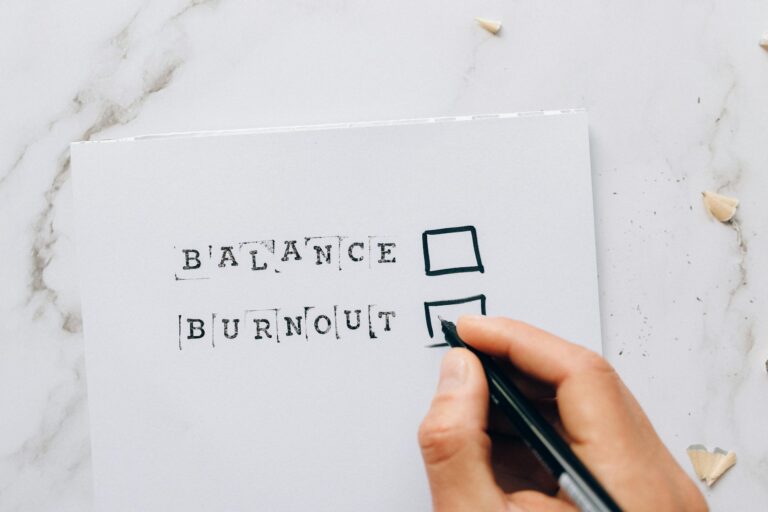

Self recovery through taking time alone is one of the most essential and misunderstood practices in an introvert’s life. It goes far beyond simply being quiet or staying home. For those of us wired to process the world internally, genuine recovery requires intentional solitude, protected space, and the freedom to stop performing entirely.
Most people assume that rest means sleep, or that a weekend off is enough to bounce back from weeks of overstimulation. For introverts, that math rarely works out. Recovery is a deeper process, one that involves restoring mental clarity, emotional equilibrium, and the quiet inner life that gets crowded out when we spend too long in high-demand environments.
There’s a whole landscape of practices that support this kind of restoration. Our Solitude, Self-Care & Recharging hub covers the full range of what genuine recovery looks like for introverts and highly sensitive people, from daily rituals to deeper strategies for protecting your energy over time. This article focuses on one specific piece of that picture: what it actually means to take time alone as a form of self recovery, and why so many introverts struggle to do it without guilt.
Why Does Taking Time Alone Feel So Complicated?
Somewhere along the way, most of us absorbed the idea that needing alone time is a character flaw. A sign of being antisocial, or worse, selfish. I carried that belief for most of my career in advertising, and it cost me more than I realized at the time.
What’s your personality type?
Take our free 40-question assessment and get a detailed personality profile with dimension breakdowns, context analysis, and personalised insights.
Discover Your Type8-12 minutes · 40 questions · Free
Running an agency means being “on” constantly. Client calls, team check-ins, new business pitches, creative reviews, budget meetings. The work is relentless, and the culture rewards whoever seems most energized by it all. I got good at performing that energy. I learned to walk into a room and project confidence, enthusiasm, engagement. What I didn’t learn, not for a long time, was how to recover from doing that every single day.
My version of “taking a break” in those years looked like switching from one demanding task to another. I’d finish a brutal client presentation and immediately jump into email. I’d leave a draining all-hands meeting and head straight to a one-on-one. I was resting in the way a car engine “rests” when you shift from fifth gear to fourth. Not actually recovering at all.
What made it complicated wasn’t just the workload. It was the belief that wanting to be alone meant something was wrong with me. My extroverted colleagues seemed to recharge through the very things that depleted me. Happy hours, networking events, spontaneous team lunches. They’d come back from those interactions visibly energized. I’d come back needing to close my office door and stare at a wall for twenty minutes just to feel human again.
Understanding what actually happens when introverts don’t get alone time helped me reframe this entirely. It’s not weakness. It’s neurology. The introvert nervous system processes external stimulation more intensely, which means it also needs more time to process and recover from that stimulation. Wanting solitude isn’t a preference, it’s a physiological need.
What Does Real Self Recovery Actually Look Like?
This is where I think a lot of introverts get stuck. We know we need time alone, but we’re not always sure what to do with it. We collapse on the couch and scroll our phones, which technically counts as being alone but doesn’t restore much. Or we use the time to catch up on tasks we’ve been putting off, which means we’re still performing, just for an audience of one.
Genuine self recovery through solitude has a different texture. It feels less like doing and more like settling. Like the mental equivalent of letting sediment sink to the bottom of a glass of cloudy water. You stop stirring, and slowly, things become clear again.
For me, that settling happens in a few specific ways. One is writing. Not producing content, not drafting emails, but the kind of unstructured writing where I’m just following a thought to see where it goes. Another is walking, particularly in places without much human noise. There’s something about moving through a quiet outdoor space that allows my mind to decompress in ways that sitting still doesn’t always achieve.
That connection between nature and recovery isn’t accidental. There’s a meaningful body of thinking around why time outdoors functions as a restorative experience for people who process the world deeply. The piece on HSP nature connection and the healing power of outdoors explores this in real depth, and a lot of what it describes resonates with my own experience. Something about natural environments, the absence of artificial demands, the sensory input that doesn’t require interpretation or response, allows the nervous system to genuinely downshift.
A piece published in Greater Good at Berkeley makes an interesting case that solitude doesn’t just restore us, it also creates the conditions for more original thinking. That tracks with my experience. Some of my best strategic ideas over the years came not from brainstorming sessions but from long, quiet mornings when I wasn’t trying to produce anything at all.
How Do You Protect Alone Time When Life Keeps Crowding In?
Knowing you need solitude is one thing. Actually carving it out is another, especially when you’re managing a team, raising a family, or handling any kind of high-demand environment. I spent years understanding intellectually that I needed recovery time while doing almost nothing to protect it in practice.
What finally shifted was treating alone time with the same seriousness I gave to client commitments. I started blocking it on my calendar. Not as “free time” that could be bumped, but as a fixed appointment with myself that required a genuine reason to reschedule. That sounds almost embarrassingly simple, and yet it changed things considerably.
There was a period when I was running two simultaneous agency accounts for Fortune 500 clients, both with demanding timelines and complicated stakeholder structures. My weeks were genuinely packed. What I noticed was that the weeks when I protected even ninety minutes of real solitude, not phone-scrolling, not task-switching, but actual quiet time, I was sharper in meetings, more patient with my team, and better at the kind of deep strategic thinking the work required. The weeks when I let that time get squeezed out, I was operating on fumes by Wednesday.
The concept of solitude as an essential need rather than a luxury is something highly sensitive people and introverts often have to argue for, even with themselves. We’ve internalized so much cultural messaging about productivity and availability that taking time away from external demands feels like a violation of something. It isn’t. It’s maintenance.
A Psychology Today piece on solitude and health puts it plainly: intentional time alone is associated with reduced stress, better emotional regulation, and stronger self-awareness. These aren’t soft benefits. They’re the foundations of functioning well in every other area of life.
Is There a Difference Between Solitude and Isolation?
This distinction matters, and it’s one I’ve had to think about carefully over the years. Solitude is chosen and restorative. Isolation is involuntary or avoidant, and it tends to compound distress rather than relieve it.
As an INTJ who spent years learning to embrace his introversion, I’ve experienced both, and they feel completely different. Solitude has a quality of fullness to it. You’re alone, but you’re present with yourself. There’s something happening internally, some processing, some reflection, some quiet enjoyment of your own company. Isolation, on the other hand, has a quality of absence. You’re alone because connection feels too hard or too painful, and the aloneness doesn’t restore you, it just keeps you away from what’s hurting.

Harvard Health has written thoughtfully about the difference between loneliness and isolation, and why the distinction has real consequences for wellbeing. What strikes me about their framing is that the harm comes not from being alone, but from feeling disconnected against your will. Introverts who choose solitude and feel good about that choice are in an entirely different situation from people who are alone because they feel they have no other option.
Self recovery through time alone only works when it’s genuinely chosen. When it comes from a place of “I need this” rather than “I’m avoiding that.” That’s a meaningful internal distinction worth paying attention to.
I had a creative director on one of my teams years ago, a genuinely talented INFP who withdrew completely during a particularly brutal project crunch. At first I read it as introvert recovery, which I respected. But over time I noticed the withdrawal wasn’t restoring her, it was deepening her distress. What she needed wasn’t more solitude, it was a different kind of support, and eventually a conversation that helped her reconnect with the team in a way that felt manageable rather than overwhelming. Solitude is powerful medicine, but like any medicine, it works best when you’re honest about what you actually need.
What Role Does Sleep Play in Introvert Recovery?
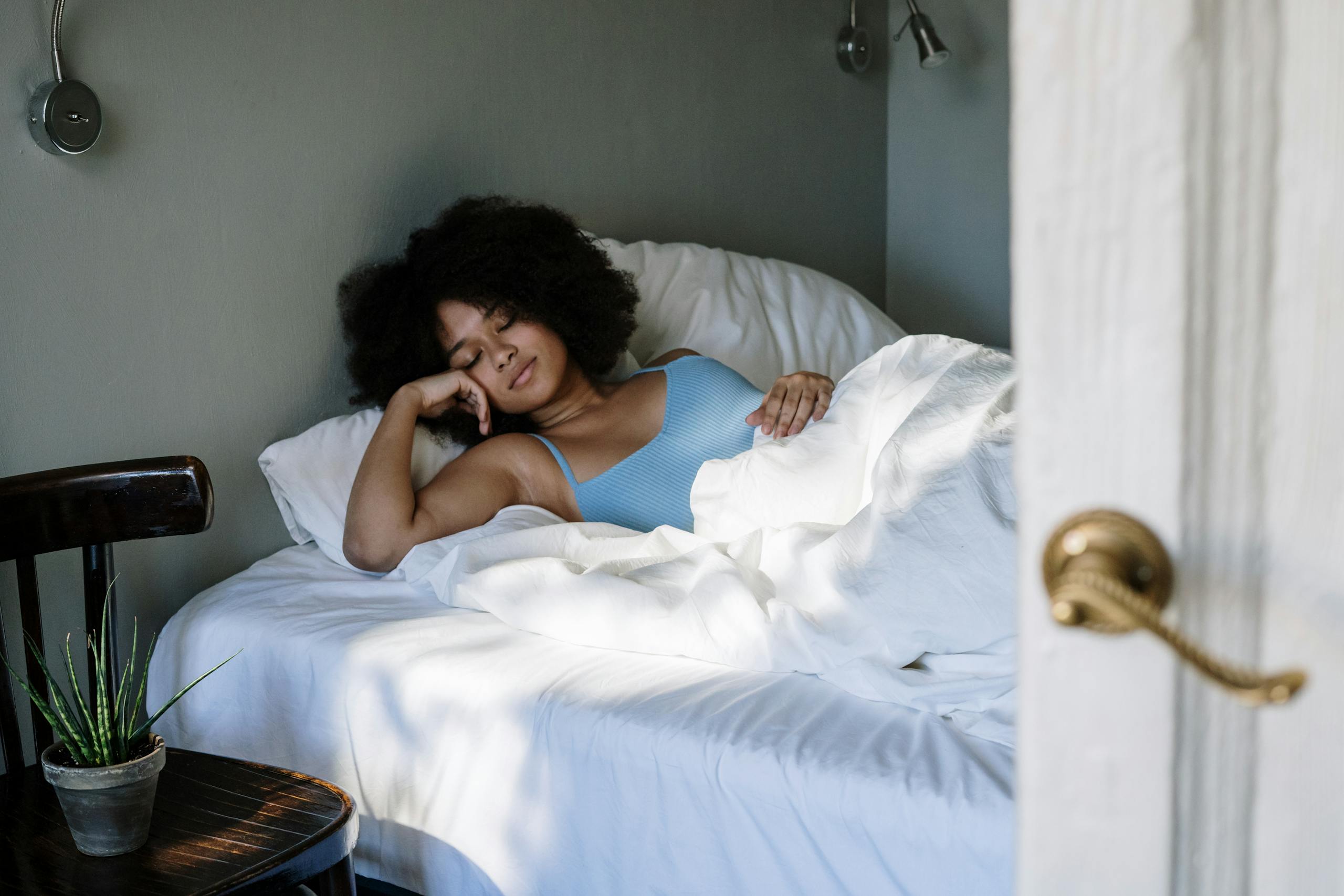
Sleep is the most fundamental form of solitude we have, and for introverts who process deeply, its quality matters enormously. I’ve noticed over the years that my cognitive sharpness, emotional steadiness, and capacity to handle social demands are all directly tied to how well I’ve slept. Not just how many hours, but the quality of rest and whether I’ve given my mind enough quiet in the hours before bed to actually wind down.
The strategies around HSP sleep, rest, and recovery are worth exploring if you find that standard sleep advice doesn’t quite fit your experience. People who process the world deeply often need more intentional wind-down routines, more protection from late-day stimulation, and more attention to the sensory environment in which they sleep. These aren’t indulgences. They’re accommodations for a nervous system that doesn’t have an easy off switch.
There was a stretch during a major agency transition when I was sleeping poorly for weeks. We were in the middle of a significant pitch for a Fortune 500 account, the team was stressed, and I was running on coffee and adrenaline. I told myself I’d recover once the pitch was over. What actually happened was that by the time the pitch landed, I was so depleted that the win felt hollow. I didn’t have the capacity to feel good about it. That experience taught me something important: you can’t borrow against recovery indefinitely and expect to be present for the moments that matter.
Sleep isn’t separate from the self recovery conversation. It’s central to it. And for introverts, the hours before sleep, the quality of quiet you can create in that window, often determine whether sleep actually restores you or just passes the time.
How Do Daily Practices Build a Foundation for Recovery?
One of the things I’ve come to believe strongly is that recovery isn’t something you do once in a while when you’ve hit a wall. It’s something you build into the architecture of your days, in small, consistent ways that prevent you from hitting that wall as often.
The framework of essential daily self-care practices for HSPs maps well onto what I’ve found works for introverts more broadly. Small rituals that signal to your nervous system that it’s safe to decompress. A consistent morning routine before the demands of the day begin. Brief midday pauses that aren’t about productivity. An evening practice that creates transition between the social world and your private one.
In my agency years, the practice that made the biggest difference was what I privately called my “decompression window,” about thirty minutes between leaving the office and engaging with anything else. No calls, no podcasts, no planning. Just the drive home, or sometimes a short walk, with nothing required of me. It sounds minor. The effect was not minor. Those thirty minutes were often the difference between arriving home as a functional human being and arriving as a depleted, irritable shell of one.
What research published in PubMed Central on psychological recovery from work stress suggests is that the quality of detachment during off-hours matters as much as the quantity. Physically leaving the office doesn’t automatically create recovery if your mind is still running through tomorrow’s agenda. True recovery requires a mental shift, not just a physical one. For introverts, that mental shift often needs to be actively facilitated through ritual and quiet, not just assumed to happen automatically.
There’s also something to be said for the cumulative effect of daily practices. One good recovery day won’t undo months of depletion. But consistent small investments in solitude and quiet, practiced over time, change your baseline. You become more resilient, more present, and more capable of handling the demands that don’t go away.
What Happens When You Finally Give Yourself Permission?
The shift I’ve seen in my own life, and in the stories of introverts I’ve connected with through this site, often comes down to permission. Not permission from anyone else, but from yourself. Permission to need what you need without apologizing for it.
There’s a piece on this site about Mac’s experience with alone time that captures something I recognize deeply. The relief that comes when you stop framing solitude as a problem to explain and start treating it as a legitimate, even necessary part of how you function. That reframe changes everything about how you approach recovery.
For me, giving myself that permission took longer than it should have. I was well into my forties before I stopped feeling vaguely guilty about wanting to spend a Saturday morning alone with my thoughts instead of at a social event. The guilt was entirely internalized. Nobody was actually demanding I perform extroversion on my weekends. I was doing that to myself, carrying around a standard that didn’t fit who I was and then feeling inadequate for not meeting it.
What I’ve noticed in the years since is that the introverts who thrive, who are genuinely productive and fulfilled and present in their relationships, are the ones who’ve made peace with their own recovery needs. They’re not constantly fighting against themselves. They’ve built lives that accommodate how they actually function, rather than lives that demand they function differently.
A piece in Frontiers in Psychology examining solitude and wellbeing found that the relationship between time alone and positive outcomes depends significantly on how that alone time is experienced. Chosen, valued solitude is associated with restoration and self-connection. Solitude experienced as rejection or failure is associated with the opposite. The same hours, completely different outcomes, depending on the meaning you attach to them.
That’s the work, really. Not just carving out the time, but changing the story you tell yourself about what that time means. It means you’re taking care of yourself. It means you understand how you work. It means you’re investing in your own capacity to show up fully for the things and people that matter to you.
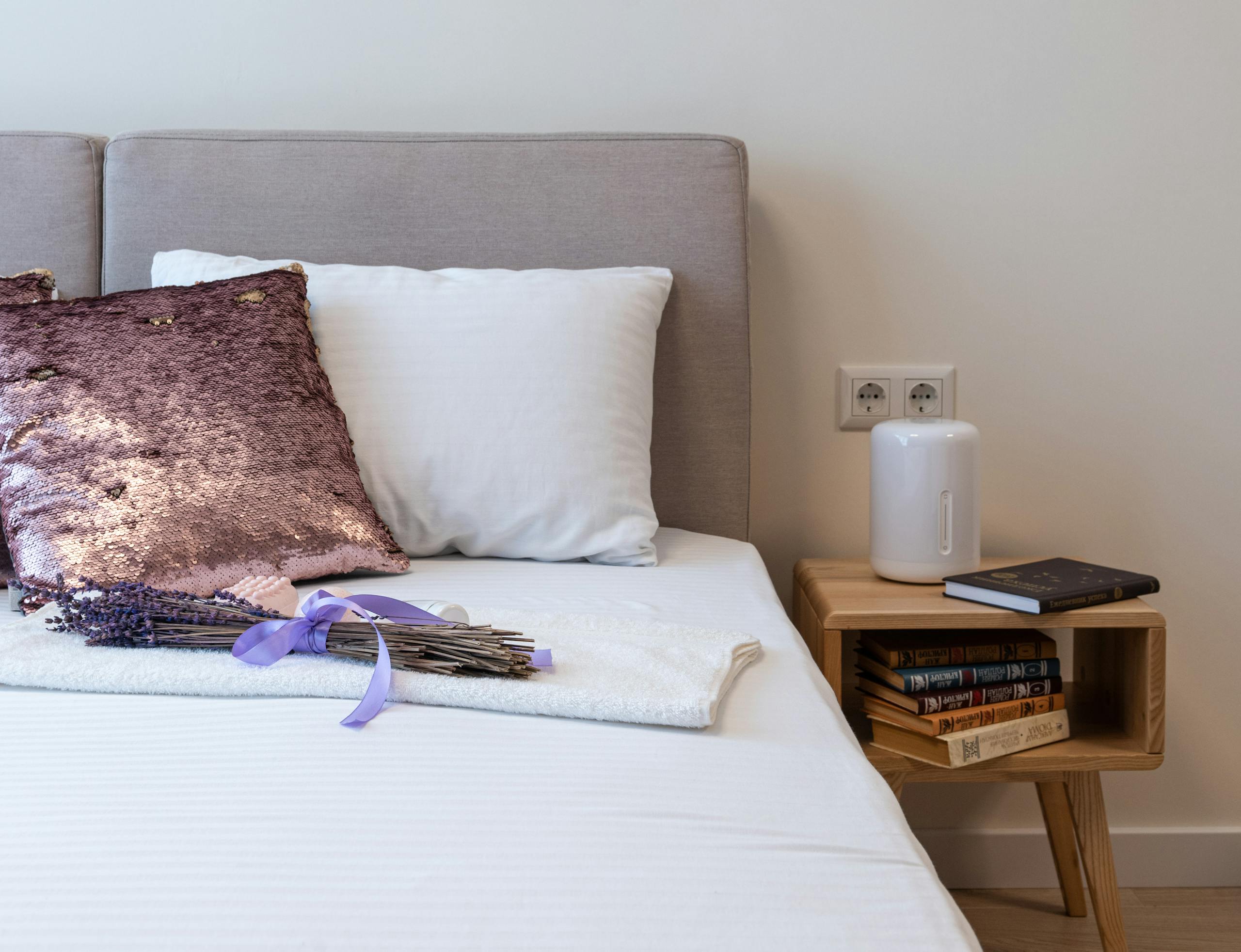
There’s also a social dimension worth acknowledging. Taking time alone for recovery doesn’t mean withdrawing from the people you care about permanently. It means returning to them with more to offer. The version of me that shows up after genuine solitude is more patient, more curious, more genuinely interested in the people around me. The version that shows up without it is distracted, depleted, and going through the motions. The people in my life have benefited more from my willingness to take recovery seriously than they ever would have from my reluctant presence at every social event.
There’s also a broader cultural conversation happening around solo time and its value. A Psychology Today article on solo travel touches on how people increasingly recognize the value of experiences taken alone, not as a consolation prize but as a genuinely preferred way to engage with the world. That shift in cultural framing matters. When solitude stops being seen as something to explain or apologize for, and starts being recognized as a legitimate choice with real benefits, it becomes easier to claim it without guilt.
Self recovery through time alone isn’t a niche practice for a particular personality type. It’s a human need that introverts and highly sensitive people experience with particular intensity. Honoring that need isn’t indulgent. It’s foundational. And the earlier you build that understanding into how you live and work, the less you’ll spend your life running on empty and wondering why.
If you want to go deeper on everything that supports genuine restoration, the full Solitude, Self-Care & Recharging hub is a good place to continue. It covers the breadth of what real recovery looks like for people wired the way we are.
About the Author
Keith Lacy is an introvert who’s learned to embrace his true self later in life. After 20 years in advertising and marketing leadership, including running agencies and managing Fortune 500 accounts, Keith now channels his experience into helping fellow introverts understand their strengths and build fulfilling careers. As an INTJ, he brings analytical depth and authentic perspective to every article, drawing from both professional expertise and personal growth.
Frequently Asked Questions
How much alone time do introverts actually need for self recovery?
There’s no single answer, because the amount varies by person, by the intensity of recent social demands, and by individual sensitivity. What most introverts find is that the need is consistent rather than occasional. Building small windows of solitude into daily life tends to work better than waiting for a large block of time to recover all at once. Even thirty to sixty minutes of genuine quiet, away from screens and social demands, can meaningfully shift your energy and mental clarity on a given day.
Is wanting to be alone for self recovery a sign of depression or social anxiety?
Not inherently. Introverts genuinely recharge through solitude, and that preference is a normal aspect of personality rather than a symptom of something wrong. The distinction worth paying attention to is whether the alone time feels restorative or whether it’s driven by avoidance, fear, or a sense that connection is too painful to pursue. Chosen, valued solitude that leaves you feeling more yourself is healthy. Withdrawal that compounds distress or stems from hopelessness is worth exploring with a mental health professional. Knowing the difference in your own experience is part of honest self-awareness.
How do you take meaningful alone time when you live with other people?
This is one of the most practical challenges introverts face, and it requires both communication and creativity. Being direct with the people you live with about your need for quiet time, framing it as a need rather than a preference, tends to work better than hoping they’ll intuit it. Claiming specific times or spaces as recovery zones, early mornings before others are up, a particular room, a walk after dinner, can create the solitude you need without requiring physical separation from your household. what matters is treating those times as genuinely non-negotiable rather than something you’ll get to if circumstances allow.
What’s the difference between self recovery and just being lazy?
Self recovery is purposeful restoration of capacity. Laziness, to the extent it’s a meaningful concept at all, implies avoidance of things you’re capable of doing. The distinction is usually clear from the inside: genuine recovery leaves you feeling more capable and more like yourself over time. Avoidance tends to compound the feeling of being stuck. If your solitude is restoring your energy, sharpening your thinking, and helping you show up better in the rest of your life, it’s recovery. If it’s primarily a way to escape something you need to face, that’s a different conversation worth having with yourself honestly.
Can you do self recovery activities with another person present?
Sometimes, depending on the person and the nature of the time together. Parallel solitude, where two people occupy the same space quietly, each doing their own thing without social demands, can be genuinely restorative for introverts. Reading in the same room as a trusted partner, sitting quietly on a porch together, working independently at the same table, these can provide the comfort of connection without the energy cost of active social engagement. What matters is whether the presence of another person creates an expectation of performance or conversation. When it doesn’t, shared quiet can be a real form of recovery.