
Setting boundaries at sixteen is hard for anyone, but for introverted teenagers, it carries an extra layer of complexity. Their social energy is genuinely finite, their internal processing runs deep, and saying no to people they care about can feel like a personal failure rather than an act of self-care. The good news, if you’re a teen reading this or a parent trying to understand one, is that boundaries aren’t walls. They’re the quiet agreements you make with yourself about what you can honestly give.
I didn’t figure this out until my forties. Watching teenagers struggle with it now, I wish someone had handed me a map when I was sixteen and completely overwhelmed by the social demands of high school, group projects, and a world that seemed designed for people who never needed to recharge.

Much of what makes boundary-setting difficult for introverted teens connects directly to how their social battery works. Our Energy Management and Social Battery hub covers this territory in depth, and the patterns that show up for adults started forming long before adulthood. Understanding your energy is the foundation everything else gets built on.
Why Does Saying No Feel So Difficult at Sixteen?
There’s a particular kind of pressure that comes with being sixteen. Peer relationships feel urgent in a way that’s hard to explain to adults who’ve moved past it. The social stakes feel enormous because, at that age, they genuinely are. Your friend group, your reputation, your sense of belonging, all of it seems fragile and contingent on showing up, being available, and saying yes.
What’s your personality type?
Take our free 40-question assessment and get a detailed personality profile with dimension breakdowns, context analysis, and personalised insights.
Discover Your Type8-12 minutes · 40 questions · Free
For introverted teenagers, that pressure collides with something real: their nervous systems process social interaction differently. Psychology Today has written about why socializing drains introverts more than extroverts, and it comes down to how the brain processes stimulation and reward. Introverts aren’t being antisocial when they need to step back. They’re responding to a genuine internal signal.
When I was running my advertising agency, I had a junior account manager, maybe twenty-two years old, who reminded me of myself at sixteen. She’d stay late every time someone asked, say yes to every client call, volunteer for every project, and then disappear into a kind of quiet collapse by Thursday. She wasn’t lazy. She was depleted. And she had no framework for understanding why or what to do about it.
Sixteen-year-olds face a compressed version of that same dynamic. The request to hang out on Friday night after a full week of school, group chats that never stop, the expectation to always be reachable, all of it accumulates. Without a way to name what’s happening and set some kind of limit, the depletion becomes the baseline.
What Does a Boundary Actually Look Like for a Teen Introvert?
Boundaries don’t have to be dramatic declarations. For a sixteen-year-old introvert, a boundary might look like telling a friend you’ll come to the party but leave by nine. It might look like putting your phone on do-not-disturb after ten at night. It might look like asking your parents for thirty minutes alone after school before anyone talks to you about homework or plans.
The form matters less than the function. A boundary is anything that protects your capacity to function, to be present, to be genuinely yourself rather than a depleted version running on empty. Introverts get drained very easily, and recognizing that as a fact about how you’re wired, not a character flaw, is the first step toward doing something about it.
Concrete examples help. Here are some boundaries that actually work for introverted teenagers:
- Telling friends you need a day to yourself after a big social event, not as an excuse, but as a genuine need
- Declining group chats or muting notifications during homework or wind-down time
- Asking teachers for a moment before answering in class, rather than panicking under pressure
- Letting a parent or guardian know that you need quiet time when you get home, not conversation
- Being honest with a friend who wants daily contact that you prefer deeper, less frequent connection
None of these require a confrontation. They require honesty, some self-awareness, and the belief that your needs are worth naming.

How Does Sensory Overload Play Into This?
Some introverted teenagers are also highly sensitive people, a trait that’s distinct from introversion but often overlaps with it. For these teens, boundary-setting isn’t just about social time. It’s about managing a nervous system that picks up on everything: the noise in the cafeteria, the flickering of fluorescent lights, the scratchy collar of a school uniform, the emotional temperature of a room.
If you’ve ever left a crowded place feeling like you’d run a marathon even though you were just standing there, sensory sensitivity might be part of your picture. Managing noise sensitivity is a real and practical skill, not something to push through or dismiss. The same goes for other forms of sensory input that accumulate across a school day.
I remember walking into client presentations at some of our bigger Fortune 500 accounts, rooms with twenty people, competing conversations, projectors humming, phones buzzing on glass tables, and feeling the sensory load stack up before I’d said a word. As an INTJ, I’d learned to manage it through preparation and structure, but it took years to understand what was actually happening in my body during those moments. Teenagers don’t usually have that vocabulary yet, which is part of why they struggle to explain why they need what they need.
Understanding that finding the right balance of stimulation is an ongoing practice, not a fixed setting, can help introverted teens stop blaming themselves for needing less input than their peers. Some people genuinely thrive in loud, busy environments. Others do their best thinking and relating in quieter ones. Neither is wrong.
For highly sensitive teens specifically, boundaries often need to extend beyond social time into physical environment. Wearing noise-canceling headphones on the bus, sitting near windows in class, choosing less chaotic lunch spots, these aren’t antisocial choices. They’re intelligent ones. Light sensitivity and touch sensitivity can also shape how exhausting certain environments feel, and acknowledging that honestly is part of building a life that works for you.
What Happens When You Don’t Set Boundaries?
The cost of not setting boundaries compounds quietly. It rarely announces itself as a crisis. Instead, it shows up as chronic low-level exhaustion, irritability that seems to come from nowhere, a creeping resentment toward people you actually like, and a growing sense that you’re performing a version of yourself rather than actually living.
For introverted teenagers, this can look like withdrawing completely after months of over-extending. It can look like anxiety that seems disproportionate to what’s happening. It can look like a sudden loss of interest in things that used to matter. Research published in PubMed Central has examined how chronic social stress affects adolescent wellbeing, and the patterns are consistent: sustained overextension without recovery erodes both mental health and social connection over time.
I watched this happen with a creative director I managed in my early agency years. She was an extrovert who thrived on energy and momentum, and she pushed her introverted team members to match her pace without realizing what she was asking. By mid-year, three of them had quietly disengaged. They weren’t being difficult. They were protecting themselves the only way they knew how, by pulling back entirely. It would have been so much healthier if they’d had the tools to set a limit before it got to that point.
Sixteen is young enough that these patterns are still forming. Setting even one or two honest boundaries now builds a kind of self-trust that carries forward into adulthood. You learn that your needs don’t drive people away. You learn that honesty, offered kindly, is usually received better than you feared. You learn that you can take care of yourself and still be a good friend.

How Do You Communicate a Boundary Without Feeling Like You’re Letting Someone Down?
This is the part most introverted teenagers get stuck on. They know they need space. They just don’t know how to ask for it without feeling guilty or worrying about the other person’s reaction.
A few things help. First, framing matters enormously. “I can’t come” lands differently than “I need to recharge tonight, but let’s make plans for next weekend.” The second version communicates that the relationship matters, that you’re not disappearing, just pacing yourself. Most people respond well to that, especially when it’s offered with warmth rather than apology.
Second, you don’t owe anyone a lengthy explanation. “I need some quiet time” is a complete sentence. You’re not required to justify your nervous system to people who don’t share it. That said, a little context can help close friends understand you better, not as an excuse but as genuine information. “I get drained by big social situations faster than most people” is honest and specific without being defensive.
Third, the timing of the conversation matters. Setting a boundary in the middle of a conflict, when emotions are already elevated, is much harder than having a calm, low-stakes conversation in advance. If you know Friday nights tend to overwhelm you, talk to your friends on Tuesday about what you need. Proactive honesty is almost always received better than last-minute cancellations.
Truity has written thoughtfully about why introverts genuinely need downtime, and sharing something like that with a friend who doesn’t understand can sometimes help more than any explanation you could come up with yourself. Knowing there’s a real reason behind your need for space, not just a preference or an excuse, can shift how both you and the people around you relate to it.
What Role Do Parents Play in Supporting Introverted Teens With Boundaries?
Parents are often the first place a teenager either learns that their needs are valid or learns to hide them. That’s a significant amount of influence, and most parents don’t realize they’re wielding it.
An introverted teenager who comes home from school and immediately gets asked about their day, their homework, their plans, and their friends is experiencing something that, from the inside, feels like being asked to perform when they’re already spent. It’s not that they don’t love their parents. It’s that their battery is at two percent and they haven’t been given a chance to plug in.
The most supportive thing a parent can do is create a reliable quiet window after school. No demands, no questions, just space. Twenty minutes of genuine alone time can transform how an introverted teenager shows up for the rest of the evening. Protecting energy reserves isn’t self-indulgence. It’s maintenance.
Parents can also model boundary-setting themselves. If a teenager watches the adults in their life say yes to everything, apologize for needing space, and treat their own exhaustion as weakness, they’ll absorb that framework. Watching a parent say, calmly and without drama, “I need some time to myself tonight,” is one of the most useful things an introverted teenager can witness.
Some of the most effective conversations I’ve had with parents about this topic came through my agency work, oddly enough. We’d bring in family-oriented brands, and the research about how families actually function versus how they think they function was consistently humbling. The families where kids felt most comfortable expressing needs were the ones where the adults had normalized expressing their own. It was that simple and that hard.

How Does School Make Boundary-Setting Harder?
School environments are almost structurally opposed to what introverted teenagers need. Group work is mandatory. Participation is graded. Lunch happens in a large, loud cafeteria. Transitions between classes happen in crowded hallways. The school day is essentially a sustained exercise in sensory and social stimulation, with very little built-in recovery time.
This doesn’t mean the system is malicious. It’s designed around a kind of average that doesn’t fit everyone equally. But it does mean that introverted teenagers have to be more intentional about finding recovery pockets within the school day, not just after it.
Some practical strategies that work: finding a quieter spot in the library during lunch a few times a week, using bathroom breaks as brief decompression moments, choosing electives that allow for more independent work, and being honest with a trusted teacher about needing a moment before being called on in class. None of these are dramatic. They’re small, sustainable adjustments that add up.
A study published in Springer’s public health journal examined how school environment factors affect adolescent mental health, and the pattern that emerged was consistent with what introverts report anecdotally: environments with fewer options for solitude and recovery correlate with higher stress levels in teens who process internally. The structure of school isn’t going to change overnight, but knowing why it’s hard can reduce the self-blame that often accompanies the struggle.
Extracurricular choices also matter more than most teenagers realize. Joining every club because it looks good on a college application is a recipe for depletion. Choosing one or two activities that genuinely energize you, even if they’re quieter ones, is a smarter long-term strategy. Introverts tend to do their best work when they’re not spread thin.
What If Setting Boundaries Costs You Socially?
This is the fear underneath most of the resistance. What if I say I need space and they stop inviting me? What if I leave the party early and everyone thinks I’m weird? What if being honest about my limits makes me less likable?
Some social costs are real. There are friend groups where constant availability is the price of admission, and if you can’t or won’t pay it, you’ll drift to the margins. That’s painful, and I don’t want to minimize it. But it’s also worth asking whether a friendship that requires you to be perpetually available and perpetually performing is actually serving you.
The friendships that tend to last, the ones that matter at twenty-five and thirty-five, are the ones built on genuine connection rather than social performance. Introverts often have fewer but deeper friendships, and that’s not a consolation prize. It’s a different kind of richness. Harvard Health has written about how introverts approach socializing, noting that depth of connection tends to matter more to introverts than frequency of contact. Finding friends who value that same depth is worth more than maintaining a wide network that drains you.
At sixteen, this can feel abstract because the social landscape feels so total and consuming. But the teenagers who figure out how to be honest about their needs at sixteen tend to build more authentic relationships faster than those who spend years performing extroversion before eventually burning out. The short-term discomfort of setting a limit is almost always smaller than the long-term cost of not doing it.
There’s also something worth naming here: the people who respond to your honest limits with rejection are showing you something important about the friendship. A friend who pulls away because you occasionally need a night alone wasn’t offering the kind of connection that would have sustained you anyway.
How Do You Build the Habit of Setting Boundaries Before You Hit Empty?
Reactive boundary-setting, waiting until you’re overwhelmed and then withdrawing, is harder and messier than proactive boundary-setting. The goal is to catch yourself before the tank hits empty, not after.
This requires some self-knowledge. What are your early warning signs? For many introverted teenagers, they include: getting quieter than usual in conversation, feeling irritable about small things, losing interest in things that normally engage you, wanting to cancel plans you were looking forward to. These are signals, not character flaws. They mean your system is asking for recovery before it reaches crisis.
One practice that genuinely helps is building non-negotiable recovery time into your week before you need it. Not as a reward for getting through a hard stretch, but as a standing appointment with yourself. An hour on Sunday morning that belongs to you. A Wednesday evening where you don’t make plans. A daily fifteen minutes of genuine quiet, phone in another room, no input. Research in PubMed Central on stress and recovery supports the idea that consistent small recovery intervals are more protective than occasional large ones.
I built this habit in my late thirties after a particularly brutal stretch of back-to-back client pitches left me so depleted I genuinely couldn’t think clearly for a week. My assistant at the time, who had more sense than I did, started blocking thirty minutes before every major meeting on my calendar. Just thirty minutes of nothing. It changed how I performed in those meetings more than any preparation strategy I’d tried. I wish I’d known to do that at sixteen.
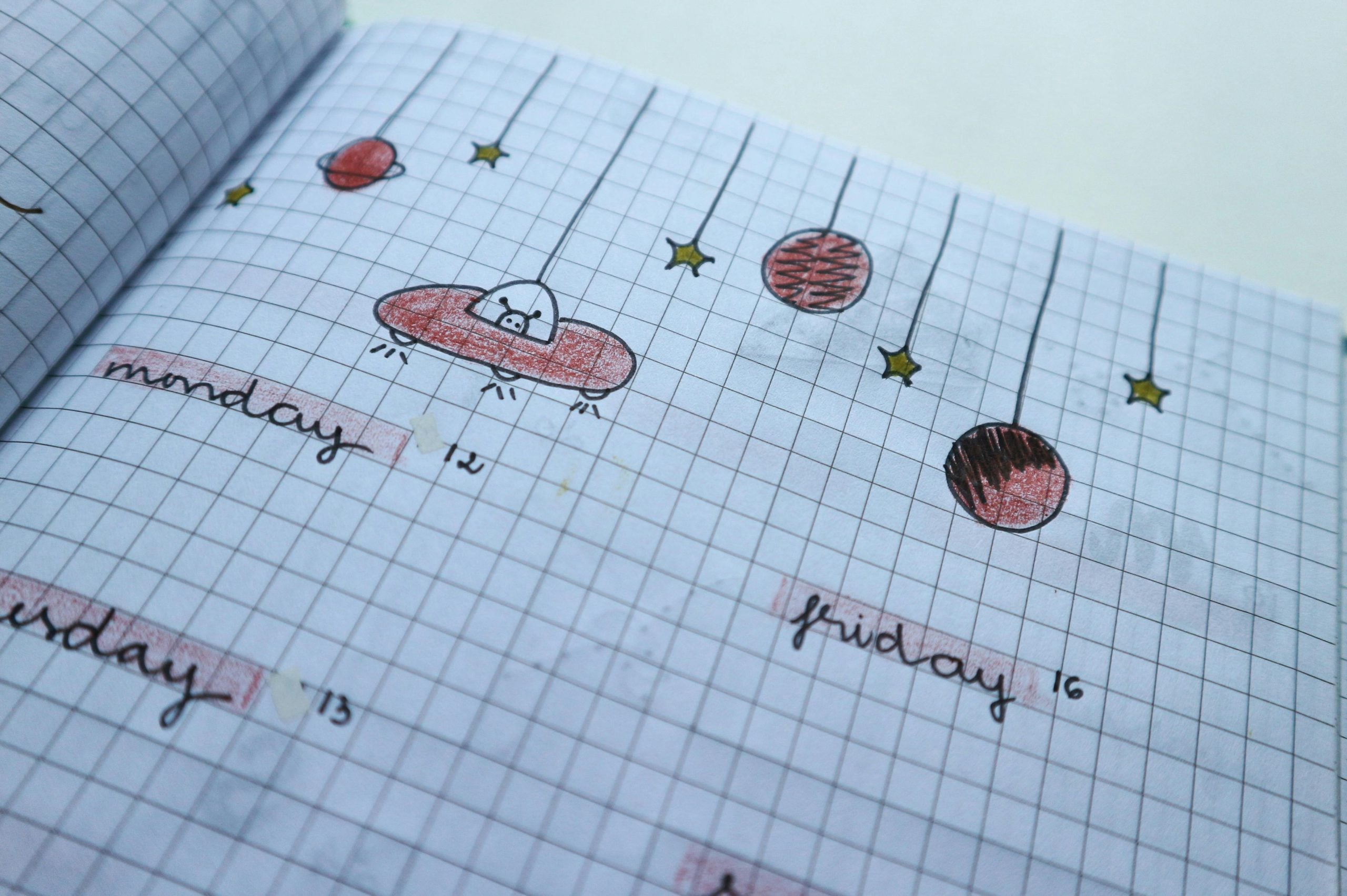
Journaling can also be a useful tool here. Not as a therapeutic exercise necessarily, but as a way of noticing patterns. What drained you this week? What restored you? What did you agree to that you wish you hadn’t? What did you protect that paid off? Over time, those patterns become clearer, and clearer patterns make better decisions easier.
The deeper work of managing your social energy as an introvert is a lifelong practice. If you want to keep building on what you’re learning here, the resources in our Energy Management and Social Battery hub go much further into the specific strategies and science behind how introverts can sustain themselves without disappearing from the people they love.
About the Author
Keith Lacy is an introvert who’s learned to embrace his true self later in life. After 20 years in advertising and marketing leadership, including running agencies and managing Fortune 500 accounts, Keith now channels his experience into helping fellow introverts understand their strengths and build fulfilling careers. As an INTJ, he brings analytical depth and authentic perspective to every article, drawing from both professional expertise and personal growth.
Frequently Asked Questions
Is it normal for introverted teenagers to need more alone time than their friends?
Completely normal. Introverts process social interaction differently than extroverts, and that means they genuinely need more recovery time after social engagement. This isn’t shyness or antisocial behavior. It’s a real difference in how the nervous system responds to stimulation. Many introverted teenagers find that their need for alone time is higher than their peers, and understanding that as a feature of how they’re wired, not a flaw, is the first step toward managing it well.
How do I tell my friends I need space without hurting their feelings?
Framing and timing make a big difference. Saying “I need to recharge tonight, but let’s plan something for next week” communicates that the relationship matters while still honoring your need for space. Having these conversations proactively, before you’re already overwhelmed, tends to go better than last-minute cancellations. Most good friends, once they understand that this is about your energy and not about them, respond with more understanding than you might expect.
What if my parents don’t understand why I need quiet time after school?
It can help to explain it in concrete terms rather than abstract ones. Instead of saying you need alone time, try being specific: “When I get home from school, I’m completely drained and I need about thirty minutes of quiet before I can have a real conversation. It’s not about you, it’s just how I recharge.” Sharing articles or information about introversion can also help parents understand that this is a genuine trait, not an attitude. When parents see that the need for recovery is real and consistent, most are willing to create a structure that works for everyone.
Can setting boundaries actually improve my friendships rather than damage them?
Yes, and this is one of the most counterintuitive things about boundaries. When you show up for people as a genuinely present, rested version of yourself rather than a depleted one going through the motions, the quality of connection improves. Friends often notice the difference even if they can’t name it. Boundaries protect your capacity to be a good friend. Without them, the alternative isn’t unlimited availability. It’s gradual withdrawal and resentment, which damages relationships far more than honest limits do.
How do I know if I’m setting a healthy boundary or just avoiding things I’m anxious about?
This is a genuinely important distinction. A healthy boundary protects your energy so you can engage more fully when you do show up. Avoidance driven by anxiety tends to shrink your world over time, making more and more situations feel threatening. One useful test: after honoring the limit, do you feel restored and more capable, or do you feel relieved but also more isolated and anxious? If it’s the former, it’s likely a real boundary. If it’s the latter, it might be worth talking to a counselor or therapist who understands introversion and anxiety, because those two things can overlap in ways that benefit from some support to untangle.