
Setting boundaries with someone who has borderline personality disorder is one of the most emotionally demanding things you can do, especially when you’re wired to process relationships deeply and feel the weight of every interaction. For introverts, the challenge isn’t just about saying no. It’s about managing the internal fallout that comes after, the replaying, the guilt, the second-guessing, all while your social battery is already running low.
People with borderline personality disorder (BPD) often experience intense emotional swings, a deep fear of abandonment, and difficulty with stable self-image. Those dynamics can make boundary-setting feel cruel, even when it’s necessary. And if you’re someone who naturally absorbs the emotional atmosphere of every room, the collision between your own needs and theirs can feel genuinely destabilizing.
Boundaries with someone who has BPD aren’t about punishment or rejection. They’re about creating a structure that allows the relationship to exist without consuming you entirely.
If you’re already someone who finds that an introvert gets drained very easily in ordinary social situations, adding the emotional intensity of a relationship with BPD can push you to your limits faster than you’d expect. Protecting your capacity to show up is part of what makes any relationship sustainable.
Much of what I write about on this site lives inside our Energy Management and Social Battery hub, which explores the full range of how introverts experience and protect their energy across relationships, environments, and daily life. Setting limits with emotionally intense people is one of the most pressing pieces of that puzzle.

Why Does BPD Make Boundaries So Difficult to Hold?
Borderline personality disorder is rooted in emotional dysregulation. People with BPD often experience emotions at a much higher intensity than most, and their nervous systems can struggle to return to baseline after being activated. That’s not a character flaw. It’s a clinical reality that shapes how they respond to perceived rejection, criticism, or distance.
What drains your social battery?
Not all social exhaustion is the same. Our free quiz identifies your specific drain pattern and gives you personalised recharging strategies.
Find Your Drain PatternUnder 2 minutes · 8 questions · Free
When you set a limit with someone who has BPD, even a gentle one, they may interpret it as abandonment. Their response can be immediate and overwhelming: anger, withdrawal, pleading, or what feels like emotional collapse. For someone like me, an INTJ who processes conflict internally and prefers measured, logical exchanges, that kind of reaction can be genuinely disorienting.
Years ago, I had a creative director on my team whose emotional volatility I didn’t fully understand at the time. She was extraordinarily talented, and I valued her work deeply. But any feedback I gave, no matter how carefully framed, could spiral into a two-hour conversation about whether I respected her at all. I’d walk out of those meetings feeling hollowed out, running over every word I’d said, wondering where I’d gone wrong. What I didn’t realize then was that her responses weren’t primarily about me. They were about a pain that predated our working relationship entirely.
That experience taught me something important: when you’re dealing with someone whose emotional responses are amplified by a personality disorder, your limits need to be clearer and more consistent than they would in any other relationship. Ambiguity doesn’t give them room to breathe. It gives the fear of abandonment room to grow.
According to the research published in PubMed Central, emotional dysregulation is a core feature of BPD and affects how individuals process interpersonal cues, including neutral or well-intentioned ones. What reads as a reasonable request to you may register as a threat to someone whose nervous system is already on high alert.
What Does an Introvert Actually Lose in These Relationships?
There’s a specific kind of depletion that comes from relationships with high emotional intensity, and it hits introverts differently than it hits extroverts. It’s not just tiredness. It’s a loss of the internal quiet that introverts depend on to function.
Introverts restore themselves through solitude and low-stimulation environments. Psychology Today explains that socializing costs introverts more neurological energy than it costs extroverts, partly because of how the introvert brain processes stimulation. Add emotional unpredictability to that equation, and the cost multiplies.
When I was running my agency, I had a client relationship that felt similar to what many people describe with BPD dynamics. This particular client was brilliant and demanding, and our calls would often shift from professional to deeply personal with no warning. She’d call at 7 PM to discuss a campaign and end up talking about her divorce. I felt responsible for her emotional state in a way that had nothing to do with the work. After those calls, I couldn’t think clearly for hours. My best creative problem-solving happened in the early mornings, and those evening calls were eroding that completely.
What I was losing wasn’t just time. I was losing the mental space I needed to do my actual job well. That’s the hidden cost of relationships without limits: they don’t just drain your emotional reserves, they compromise your capacity for everything else.
Highly sensitive people face an even steeper version of this challenge. The principles in HSP energy management apply directly here: when your nervous system is built for depth and sensitivity, you have to be more intentional about what you allow in, not less.
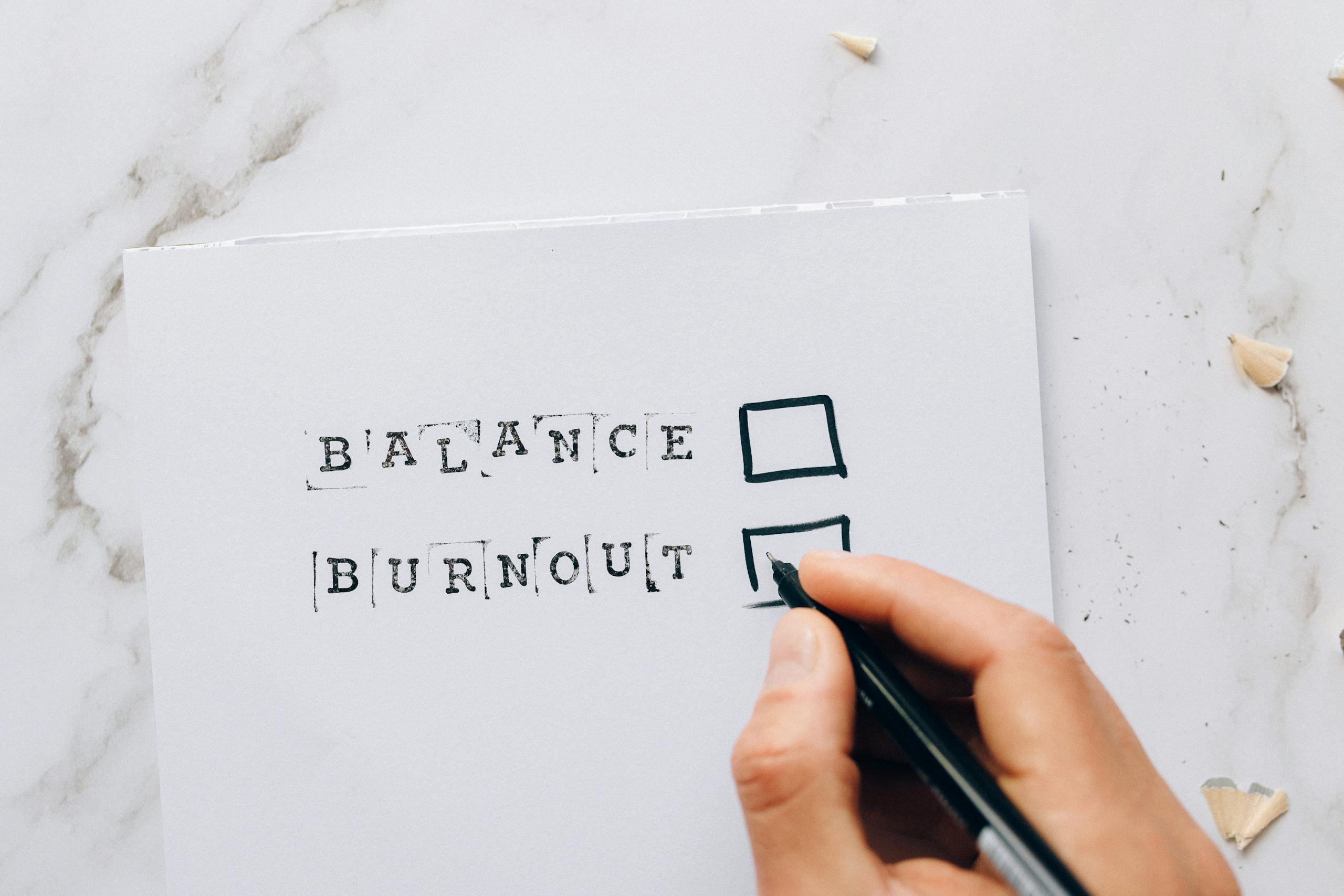
How Do You Actually Set a Boundary With Someone Who Has BPD?
Most advice about setting limits focuses on the words you use. That matters, but it’s only part of the picture. With BPD, the delivery, the consistency, and the follow-through matter just as much as the language.
A few things I’ve found genuinely useful, both from personal experience and from watching how this plays out in professional and personal contexts:
Be Specific, Not General
Vague limits create ambiguity, and ambiguity feeds anxiety in someone with BPD. “I need more space” means nothing concrete. “I’m not available to talk after 9 PM” is something they can hold onto. Specificity isn’t coldness. It’s actually a form of kindness, because it removes the guesswork that their fear-driven mind will fill with worst-case interpretations.
Separate the Behavior From the Person
One of the most important shifts I made in that agency relationship I mentioned was learning to respond to the specific behavior rather than the emotional intensity behind it. Instead of trying to address her distress in the moment, I started focusing on what I could actually control: the structure of our interactions. I moved our feedback sessions to a standing format with a clear agenda. I stopped responding to after-hours messages. Not because I didn’t care, but because the lack of structure was making everything worse for both of us.
When you address behavior rather than character, you give the other person something concrete to work with. “When our conversations run past two hours, I lose my ability to be helpful” is more actionable than “you’re too intense.”
Expect the First Reaction to Be Intense
When you first introduce a limit, the reaction from someone with BPD may be strong. They may push back, accuse you of not caring, or escalate. This is the moment most people abandon the limit, because the emotional cost of holding it feels higher than the cost of dropping it. That’s the trap.
Holding a limit through an intense reaction is not the same as being cruel. It’s actually what creates safety over time. People with BPD often have a deep, unspoken need for others to be consistent, even when they’re testing that consistency. Your calm, quiet persistence communicates something their fear-brain desperately needs to hear: that you’re not going anywhere, and that you mean what you say.
Protect Your Sensory Environment Too
This one doesn’t get discussed enough. When you’re in a high-intensity relationship, the physical environment of your interactions matters. Loud, overstimulating settings make emotional regulation harder for everyone. If you’re already someone who struggles with noise sensitivity, having difficult conversations in chaotic environments is going to cost you more than it needs to.
Choose where and how you have hard conversations deliberately. A quiet setting, a structured time, a clear endpoint. These aren’t luxuries. They’re the conditions that make it possible to stay present and regulated when things get hard.

What Happens to Your Body When You’re in These Relationships?
There’s a physical dimension to this that introverts and highly sensitive people experience acutely. Chronic emotional intensity doesn’t just affect your mood. It affects your nervous system, your sleep, your ability to concentrate, and your sensitivity to ordinary stimulation.
After months of that demanding client relationship I described, I noticed I was becoming reactive in ways that weren’t like me. Small things in the office were bothering me more. The fluorescent lighting that had always been annoying became genuinely difficult to tolerate. My patience in meetings, which had always been one of my strengths as an INTJ, was fraying. I was snapping at people I respected.
What was happening, though I didn’t have the language for it at the time, was that my system was overwhelmed. I had no buffer left. Every stimulus, whether emotional or sensory, was hitting me without any cushion. The principles around finding the right balance with stimulation speak directly to this: when your nervous system is already maxed out from emotional input, ordinary sensory experiences can become disproportionately difficult.
There’s also a physical sensitivity component that many people in these relationships develop over time. Heightened vigilance, the kind that comes from never knowing when the next emotional crisis will hit, keeps your nervous system in a low-grade state of alertness. That chronic activation affects how you respond to touch, light, sound, and other sensory input. If you’ve noticed increased light sensitivity or physical discomfort during or after high-intensity interactions, that’s not coincidental.
A 2024 study published in Nature examined how chronic interpersonal stress affects physiological regulation, finding that sustained emotional strain has measurable effects on the nervous system’s ability to return to baseline. For introverts who already process more deeply, that recovery curve is longer.
Can You Care About Someone With BPD Without Losing Yourself?
Yes. But it requires a level of intentionality that most relationships don’t demand.
One of the things I’ve come to believe, both from my own experiences and from years of observing how people function under pressure, is that caring without limits isn’t actually caring. It’s a slow collapse. You can’t be genuinely present for someone when you’ve depleted yourself past the point of functioning.
The most useful reframe I’ve found is this: your limits aren’t about them. They’re about you. You’re not saying “I don’t care about your pain.” You’re saying “I need to remain a whole person in order to be here at all.” That distinction matters, and over time, it can actually help someone with BPD understand that your presence in their life is something you’re actively choosing to protect, not something they have to fight to keep.
That said, some relationships with BPD are simply not sustainable without professional support in the picture. Dialectical behavior therapy (DBT) was developed specifically for BPD and has a strong track record. If the person you care about isn’t in treatment, encouraging that step, gently and without ultimatums, may be the most genuinely helpful thing you can do. Harvard Health has written about how introverts can approach social and relational challenges in ways that align with their natural wiring, and the same thoughtfulness applies here.

How Do Introverts Rebuild After These Relationships Take Their Toll?
Whether the relationship continues or ends, recovery is part of the process. And for introverts, recovery looks different than it does for extroverts.
Extroverts often process difficulty by talking it out, by seeking more social contact to dilute the pain. Introverts tend to need the opposite: quiet, reduced stimulation, and time to process internally before they’re ready to engage again. Truity’s research on why introverts need downtime supports this, noting that the introvert brain simply requires more recovery time after intense social and emotional experiences.
After I finally restructured that client relationship, setting clear hours and refusing to take personal calls, I remember the first weekend I had genuinely to myself. I didn’t do anything dramatic. I read. I cooked. I went for a long walk. But by Sunday evening, I felt like myself again in a way I hadn’t in months. My thinking was clearer. My patience had returned. I was genuinely excited about the work again.
That experience confirmed something I’ve believed ever since: solitude isn’t a retreat from caring. It’s the condition that makes caring possible.
Physical recovery matters too. Many introverts who’ve been through high-intensity relational periods find that they’ve developed sensitivities they didn’t have before. Increased touch sensitivity, difficulty with crowded spaces, a stronger need for physical boundaries alongside emotional ones. These responses aren’t permanent, but they do signal that your system needs deliberate care, not just more endurance.
What If the Person With BPD Is Someone You Can’t Simply Step Back From?
Sometimes the person with BPD is a parent, a sibling, a spouse, or a child. The option to simply create distance isn’t always available, or it comes at a cost that feels too high. That’s a genuinely different situation, and it deserves honest acknowledgment.
When you can’t step back from the relationship, the work shifts from managing distance to managing your own internal responses. This is where the introvert’s natural capacity for self-observation becomes genuinely useful. You can’t always control what happens in the relationship, but you can develop a clearer awareness of your own triggers, your own depletion signals, and your own recovery needs.
A few things that help in these situations:
Build recovery time into your schedule before you need it, not after. If you know a family dinner is going to be emotionally charged, protect the evening before and the morning after. Don’t wait until you’re already depleted to start thinking about restoration.
Find a therapist who understands both BPD dynamics and introvert needs. These aren’t always the same person, and it may take some searching. But having professional support for yourself, separate from any support the other person may be getting, is not a luxury. It’s a structural necessity.
Be honest with yourself about what you can actually sustain. There’s a version of self-sacrifice in these relationships that gets framed as loyalty or love, but is actually a slow erosion of your capacity to be present at all. Sustainable caring requires honest accounting of your own limits.
Research published in PubMed Central on family members of people with BPD found that caregivers who maintained clearer personal limits and engaged in consistent self-care reported better long-term outcomes, both for themselves and for the quality of the relationship over time. Limits aren’t what breaks these relationships. The absence of them often is.
A broader look at how chronic relationship stress intersects with public health outcomes is documented in Springer’s public health research, which highlights the cumulative toll of sustained interpersonal strain on overall wellbeing.

Everything I’ve written here connects back to a core truth about introvert energy: you cannot give from an empty place. If you’re working through the specific challenges of managing your reserves across all kinds of relationships and environments, our complete Energy Management and Social Battery hub offers a fuller picture of how to approach that work with intention.
Running on empty?
Five drain profiles, each with specific triggers, warning signs, and a recharging playbook.
Take the Free QuizUnder 2 minutes · 8 questions · Free
About the Author
Keith Lacy is an introvert who’s learned to embrace his true self later in life. After 20 years in advertising and marketing leadership, including running agencies and managing Fortune 500 accounts, Keith now channels his experience into helping fellow introverts understand their strengths and build fulfilling careers. As an INTJ, he brings analytical depth and authentic perspective to every article, drawing from both professional expertise and personal growth.
Frequently Asked Questions
Why is setting boundaries with someone who has BPD so much harder than with other people?
People with borderline personality disorder often experience limits as rejection or abandonment due to how the disorder affects emotional processing. A request that would read as neutral to most people can register as a threat to someone with BPD, triggering an intense response that makes the person setting the limit feel guilty or cruel. The difficulty isn’t a sign that the limit is wrong. It’s a sign that the relationship requires more structure and consistency than most.
Can introverts maintain close relationships with people who have BPD?
Yes, though it requires deliberate energy management and very clear personal limits. Introverts are already more susceptible to depletion in emotionally intense relationships because of how the introvert nervous system processes stimulation and social interaction. Maintaining a close relationship with someone who has BPD is possible when both people have access to appropriate support, when the person with BPD is engaged in treatment, and when the introvert is consistently protecting their own recovery time and energy reserves.
What does a healthy boundary look like in a relationship with someone who has BPD?
A healthy limit in this context is specific, consistent, and focused on behavior rather than character. It might sound like: “I’m available to talk between 8 AM and 8 PM, but I won’t be answering calls after that.” It’s communicated calmly, held consistently even when the initial reaction is intense, and paired with genuine care for the relationship. Vague or inconsistently held limits tend to increase anxiety in people with BPD rather than reduce it.
How do I recover after an emotionally draining interaction with someone who has BPD?
Recovery for introverts after high-intensity emotional interactions requires deliberate low-stimulation time. That means reducing sensory input, avoiding additional social demands, and giving yourself permission to process internally before engaging again. Physical movement, time in quiet environments, and activities that engage your mind without requiring social output, like reading, writing, or solitary creative work, tend to be most restorative. Building recovery time into your schedule proactively, rather than waiting until you’re depleted, makes a significant difference.
Should I tell someone with BPD that I’m setting a boundary, or just quietly enforce it?
Clear communication is generally more effective than silent enforcement, particularly with BPD, where ambiguity tends to feed fear-based interpretations. Telling someone what you need, calmly and specifically, gives them accurate information to work with rather than leaving space for their anxiety to fill in the blanks. That said, how you communicate matters. Choosing a calm moment rather than the height of an emotional crisis, keeping the focus on your own needs rather than their behavior, and being prepared to hold the limit even if the initial response is difficult, all of that shapes whether the communication lands constructively.