

Setting boundaries with extremely needy friends is one of the hardest social challenges introverts face, partly because the very traits that make us good friends, our depth, our loyalty, our genuine investment in the people we care about, are the same traits that make us vulnerable to being completely depleted by someone who needs more than we can sustainably give. The short answer is that boundaries with needy friends require clarity about your own limits first, honest communication second, and consistent follow-through third. None of those steps are easy, but all of them are necessary.
There’s a particular guilt that comes with pulling back from a friend who genuinely struggles. You know they’re not trying to drain you. You know they care about you. And yet, after every phone call that stretches two hours past what you intended, every crisis text that arrives at 11 PM, every plan that somehow becomes about managing their anxiety rather than actually enjoying time together, you feel hollowed out in a way that takes days to recover from. That hollowness is real. It’s not weakness, and it’s not selfishness. It’s your nervous system telling you something important.

Much of what I write about energy, social limits, and protecting your capacity to show up fully connects back to a broader set of ideas I explore in the Energy Management and Social Battery hub. If you’re finding that one relationship is consuming a disproportionate share of your emotional reserves, that pattern doesn’t exist in isolation. It connects to how you recharge, how quickly you deplete, and what sustainable connection actually looks like for someone wired the way we are.
Why Do Needy Friends Hit Introverts So Much Harder?
Not everyone experiences a needy friend the same way. I’ve watched extroverted colleagues absorb a high-maintenance relationship with what looked like genuine ease. They’d hang up from a two-hour emotional call and immediately dial someone else. For me, that same call would require the better part of a day to recover from, sometimes longer if the emotional content was heavy.
What’s your personality type?
Take our free 40-question assessment and get a detailed personality profile with dimension breakdowns, context analysis, and personalised insights.
Discover Your Type8-12 minutes · 40 questions · Free
Part of this comes down to how introverted brains process social interaction. Psychology Today notes that socializing drains introverts more than extroverts because of differences in how our nervous systems respond to stimulation and social engagement. We’re not broken or antisocial. We simply have a finite reserve that depletes faster and requires more deliberate recovery time.
When I was running my first agency, I had a close friend outside of work who was going through a genuinely difficult period, a divorce, a career pivot, a lot of real pain. I wanted to be there for him. I was there for him. But I was also managing a team of 22 people, pitching new business twice a month, and trying to hold myself together through a stretch that was professionally brutal. After every long conversation with him, I’d sit in my car in the parking garage before going home and just stare at the steering wheel. I didn’t have language for what I was feeling then. Now I do. I was completely spent, and I had nothing left to give anyone, including myself.
What makes extremely needy friends particularly taxing is the unpredictability. A needy friend doesn’t just require energy on a scheduled basis. They require it on demand, often during moments when you’ve already allocated your reserves elsewhere. That unpredictability is its own form of drain. Introverts get drained very easily, and the combination of emotional intensity plus irregular timing can leave you running on empty before you even realize what’s happened.
What Does “Extremely Needy” Actually Look Like in a Friendship?
Before you can set a boundary, you need to be honest with yourself about what you’re actually dealing with. “Needy” is a word that gets used loosely, and there’s a meaningful difference between a friend going through a hard season who leans on you more than usual, and a friend whose baseline level of need has become structurally unsustainable for you.
Some patterns worth recognizing: the friend who contacts you multiple times daily and becomes anxious or hurt if you don’t respond quickly. The friend whose conversations are almost entirely one-directional, where your role is listener, validator, and emotional anchor, but genuine reciprocity rarely appears. The friend who escalates the emotional stakes when you try to create space, so that pulling back feels like abandonment. The friend who is in perpetual crisis, where one emergency resolves only to be immediately replaced by another.
None of these patterns necessarily mean the friend is a bad person. Some of them point to attachment struggles, anxiety, or other things that are genuinely hard to live with. But understanding what you’re dealing with matters, because the boundary you need to set with someone who is temporarily leaning hard is different from the boundary you need with someone whose need has become a permanent, structural feature of the friendship.

Many introverts are also highly sensitive people, and if that describes you, the impact of a needy friendship compounds significantly. Highly sensitive people process emotional information more deeply and are more affected by the emotional states of those around them. Managing your HSP energy reserves becomes nearly impossible when one relationship is making consistent withdrawals without any deposits. Protecting those reserves isn’t optional. It’s the foundation of being able to show up for anyone, including the friend you’re trying to help.
Why Introverts Struggle to Name What They Need in These Friendships
There’s a specific internal conflict that many introverts carry into difficult friendships, and it took me a long time to articulate it clearly. We tend to process emotion and social dynamics deeply and quietly. We notice things. We hold a lot internally. And because we’re wired for depth rather than breadth in relationships, the friendships we invest in feel genuinely significant to us. Walking away from one, or even pulling back from one, can feel like a kind of failure.
There’s also the guilt of having needs at all. Introverts often internalize the message that their social limits are a flaw, something to apologize for or work around. So when a friend’s neediness starts to feel like too much, the first instinct is frequently to blame ourselves. Maybe I’m not being a good enough friend. Maybe I should be more available. Maybe I’m too sensitive.
That self-blame loop is worth examining carefully. Introverts genuinely need downtime to function well, not as a preference but as a neurological reality. Framing your need for space as a personal failing rather than a legitimate requirement keeps you stuck in a pattern where you keep giving past the point of sustainability and then feel resentful or burned out as a result.
I managed a creative director at my agency for several years who was exceptionally talented and deeply introverted. She had a colleague on the team who was going through a difficult personal period and had latched onto her as an emotional support system. My creative director kept showing up for this colleague, kept absorbing the weight of those conversations, and kept getting quieter and more withdrawn in team meetings. When I finally sat with her one-on-one and asked what was going on, she said something I’ve never forgotten: “I don’t know how to tell someone I care about that I need them to need me less.”
That sentence captures something true. Caring about someone and needing space from them are not contradictory states. But introverts often feel like they are.
How Do You Actually Recognize When a Boundary Is Necessary?
One of the clearest signals is the feeling you have before an interaction with this person. Not during, not after, but before. Do you feel dread when their name appears on your phone? Do you find yourself hoping they don’t reach out on days when your reserves are low? Do you feel a particular kind of exhaustion that’s different from ordinary tiredness, something closer to emotional depletion?
That anticipatory dread is worth paying attention to. It’s your system telling you that the cost of this relationship has exceeded what you can comfortably sustain.
Another signal is resentment. Resentment in a friendship almost always points to a need that isn’t being expressed. When you find yourself internally cataloguing everything you’ve given and feeling bitter about the imbalance, that’s not a character flaw. It’s information. It means a boundary should have been set earlier, and your emotional system is registering the gap between what you’ve given and what you’ve been able to protect for yourself.
For those who are highly sensitive, the physical signals can be just as telling as the emotional ones. Heightened sensitivity to stimulation of all kinds tends to spike when emotional reserves are depleted. You might notice you’re more reactive to sound, more easily overwhelmed by sensory input, more irritable in situations that would normally feel manageable. These aren’t random. They’re connected. When your emotional buffer is thin, everything else feels louder.

What Does a Real Boundary Sound Like in This Context?
A boundary in a friendship isn’t a punishment and it isn’t a threat. It’s a statement about what you can and can’t sustain, communicated with enough care to preserve the relationship where possible. The framing matters enormously.
Some boundaries are structural. “I’m not able to take calls after 9 PM. If something urgent comes up, text me and I’ll respond when I can.” That’s a limit about timing and availability, and it doesn’t require a long explanation or an apology. You’re not withdrawing care. You’re protecting the conditions under which you can actually show up.
Some boundaries are about frequency. “I love spending time with you, but I need more advance notice than same-day plans. Let’s find a regular time that works for both of us.” This kind of boundary acknowledges the relationship’s value while being honest about what you need to feel prepared rather than ambushed.
Some boundaries are about the nature of the conversation itself. This is the hardest category. “I’ve noticed that most of our conversations lately have been really heavy, and I want to be honest with you. I care about you, and I’m also finding it hard to hold that weight every time we talk. I want us to have a friendship where we can laugh and talk about things other than the hard stuff sometimes.” That kind of honesty is vulnerable, but it’s also the most respectful thing you can offer someone you genuinely care about.
What doesn’t work is the slow fade, the increasingly delayed responses, the vague excuses. Introverts often default to avoidance because direct conversation feels costly, and it is. But avoidance costs more in the long run. It creates confusion, breeds resentment on both sides, and often ends the friendship anyway, just more painfully and with more collateral damage.
Something I’ve found useful, both in professional settings and in personal ones, is to separate the observation from the judgment. In agency work, when I needed to redirect a client relationship that had become unsustainably demanding, I learned to say what I observed rather than what I concluded. “I’ve noticed we’re having daily calls that weren’t part of our original scope” lands differently than “you’re asking too much of us.” The same principle applies in friendship. “I’ve noticed I’m feeling stretched thin” is more honest and less accusatory than “you’re too needy.”
How Do You Hold the Boundary When the Friend Pushes Back?
Extremely needy friends often push back on limits, not necessarily out of malice, but because the limit itself feels threatening to them. If someone has come to rely on you as a primary emotional anchor, your stepping back can trigger genuine fear and anxiety in them. Understanding that doesn’t mean you abandon the boundary. It means you hold it with more compassion.
The pushback often sounds like guilt-inducing statements. “I thought you cared about me.” “You’re the only person I can talk to.” “I don’t know what I’d do without you.” These statements are worth taking seriously as expressions of real distress, but they’re not arguments against your having limits. They’re actually arguments for the friend developing a broader support network, which is something you can name gently.
Holding a boundary under pressure requires a kind of quiet consistency that introverts can actually be quite good at, once we stop second-guessing ourselves. You don’t need to re-explain or re-justify the boundary every time it’s tested. A simple, warm repetition is enough. “I hear that you’re hurting right now. I’m not able to talk tonight, but I’ll check in with you tomorrow.” That’s it. You don’t owe an extended defense of your own limits.
Highly sensitive people may find that the physical experience of holding a boundary under pressure is itself draining. Noise, tension, emotional intensity during a difficult conversation can feel genuinely overwhelming. If you’re someone who experiences heightened sensitivity to noise and environmental stress, choosing the setting and format of a difficult conversation matters. A text or a calm, private phone call may be more manageable than an in-person conversation in a busy or unpredictable environment.

What Happens to Your Body When You Don’t Set These Limits?
This is something I wish someone had explained to me earlier. The cost of not setting limits isn’t just emotional. It’s physical. Sustained social overextension, particularly the kind that involves emotional labor with someone in chronic distress, takes a measurable toll on the body.
There’s meaningful evidence that chronic social stress affects physiological functioning. Research published in PubMed Central points to connections between social stress and immune function, suggesting that the body pays a real price when psychological stress becomes persistent. For introverts who are already working harder to manage their energy in social contexts, adding a chronically draining relationship to that load compounds the effect.
For highly sensitive people specifically, the physical experience of depletion can manifest in ways that feel disconnected from the emotional cause. Sensitivity to light and other sensory input tends to increase when the nervous system is overtaxed. Some people notice they become more reactive to physical touch or unexpected contact when they’re emotionally depleted. These aren’t separate problems. They’re symptoms of the same underlying depletion, and they resolve when the source of the drain is addressed.
Late in my agency career, I went through a period where I was managing a particularly difficult client relationship alongside a personally draining friendship that I hadn’t set any limits in. I was sleeping poorly, getting sick more than usual, and finding that even small sensory irritants, a loud open-plan office, fluorescent lighting, the ambient noise of a busy restaurant, felt unbearable in a way they hadn’t before. At the time I attributed it to stress. Looking back, I understand it differently. My system was overloaded, and it was expressing that overload through every available channel.
The body keeps score in ways the mind sometimes refuses to acknowledge. Setting limits in a draining friendship isn’t just about protecting your social energy. It’s about protecting your health.
Can This Kind of Friendship Actually Survive a Limit Being Set?
Sometimes yes, sometimes no. And both outcomes are valid.
Some friendships genuinely deepen when a limit is set, because the limit creates a more honest and sustainable foundation. The needy friend may not have been aware of the impact they were having. They may be relieved, in some ways, to have the dynamic named. They may be capable of growth that you couldn’t have predicted. I’ve seen this happen. It’s not guaranteed, but it’s possible.
Other friendships don’t survive the limit, particularly if the friendship was built almost entirely on the dynamic of you being endlessly available and the other person being endlessly in need. When that structure is disrupted, there may not be enough mutual ground to sustain a different kind of connection. That’s painful, but it’s also information. A friendship that can only exist on terms that deplete you isn’t a friendship you can sustain long-term anyway.
What I’ve found, both personally and in observing the people I’ve worked with, is that the guilt of setting a limit is almost always worse in anticipation than in reality. The conversation you’ve been dreading for months rarely unfolds as badly as you imagined. And even when it does go badly, the aftermath, the space you’ve created, the relief of having said what needed to be said, tends to feel better than the prolonged drain of not saying anything.
Work published in PubMed Central on social relationship quality suggests that the quality of our close relationships matters far more to wellbeing than the quantity. One friendship that is genuinely reciprocal and sustainable is worth more than several that leave you chronically depleted. Thinning the herd, as uncomfortable as that phrase sounds, is sometimes the most honest form of self-care available.
What Does Recovery Look Like After You’ve Set a Limit?
Setting a limit with a needy friend is emotionally costly in the short term, even when it goes well. You may feel guilty, second-guess yourself, or worry about the friend’s wellbeing. That’s normal. It doesn’t mean you made the wrong call.
Recovery looks like deliberately rebuilding the reserves that the friendship depleted. For introverts, that means protecting genuine solitude, not just physical aloneness but the kind of undemanding quiet that allows the mind to settle. It means being intentional about which social interactions you say yes to in the weeks following a difficult conversation, choosing connection that replenishes rather than drains.
It also means being honest with yourself about what you learned. What signals did you ignore early on? Where did you override your own instincts in the name of being a good friend? What would you do differently at the start of the next friendship that starts to tip toward this pattern?
There’s also something worth saying about the relationship you have with yourself through this process. Introverts who spend a lot of energy managing other people’s emotional states can lose touch with their own. Part of recovery is re-establishing contact with what you actually feel, what you actually need, and what kind of connection genuinely sustains you. Harvard Health’s perspective on introverts and socializing reinforces that sustainable social engagement for introverts requires knowing your own limits clearly, not as a ceiling to be ashamed of but as a parameter to be respected.
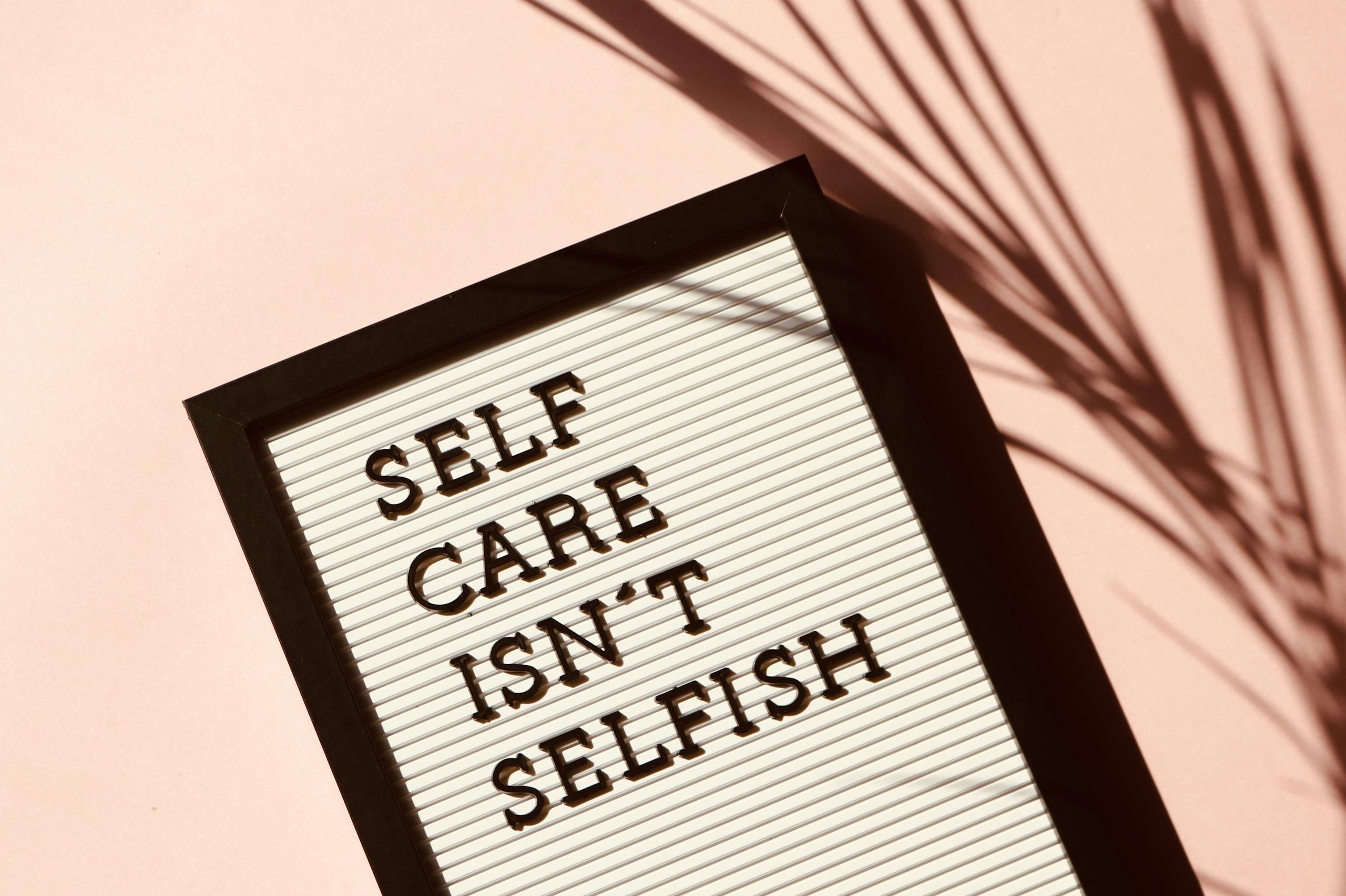
One last thing worth naming: you don’t have to wait until you’re completely depleted to set a limit. The best time to establish what you can sustain in a friendship is before you’ve hit empty. That kind of proactive honesty, saying “I want to be a good friend to you, and consider this that looks like for me” early in a relationship rather than as a crisis response, is something most of us have to learn the hard way. But once you learn it, it changes everything about how you build and maintain the connections that actually matter to you.
Everything I’ve explored here connects to a broader framework for how introverts can manage their social and emotional energy sustainably. The Energy Management and Social Battery hub is where I collect those ideas, and if this article resonated with you, that’s a good place to keep reading.
About the Author
Keith Lacy is an introvert who’s learned to embrace his true self later in life. After 20 years in advertising and marketing leadership, including running agencies and managing Fortune 500 accounts, Keith now channels his experience into helping fellow introverts understand their strengths and build fulfilling careers. As an INTJ, he brings analytical depth and authentic perspective to every article, drawing from both professional expertise and personal growth.
Frequently Asked Questions
Is it selfish to set limits with a friend who genuinely needs help?
No. Setting limits with a needy friend is not selfish. It’s a recognition that you cannot sustainably support someone else from a depleted state. Introverts in particular have finite social and emotional reserves, and protecting those reserves is what allows you to be genuinely present and helpful when it matters. A friendship built on your exhaustion doesn’t serve either of you well in the long run.
How do I tell the difference between a friend going through a hard season and a chronically needy friend?
A friend in a hard season will typically show some reciprocity even while leaning on you, and their need will shift over time as circumstances change. A chronically needy friend tends to move from one crisis to the next without resolution, rarely asks about your life in a genuine way, and may become anxious or hurt when you try to create space. The pattern over time, rather than any single interaction, is usually the clearest signal.
What do I do if my friend reacts badly when I try to set a limit?
Hold the limit with warmth but without over-explaining. You don’t need to justify your needs at length or apologize for having them. A simple, consistent response is enough: acknowledge their feelings, restate your limit calmly, and give the conversation time to settle. If the friend repeatedly escalates or uses guilt as leverage, that pattern itself is important information about the sustainability of the friendship.
Can a friendship recover after limits are set?
Yes, and in many cases it can actually deepen. When a limit creates a more honest and sustainable dynamic, both people benefit. Some friends may not have realized the impact of their behavior and will adjust once it’s named. Other friendships, particularly those built entirely on an imbalanced dynamic, may not survive the change. Both outcomes are valid. A friendship that can only exist on terms that deplete you isn’t a friendship you can maintain long-term regardless.
How do highly sensitive introverts manage the physical impact of a draining friendship?
Highly sensitive people often experience the depletion from a draining friendship in physical ways, including increased sensitivity to sensory input like light, sound, and touch. Managing this requires both addressing the source of the drain through clearer limits and actively rebuilding reserves through solitude, reduced stimulation, and intentional rest. Treating the physical symptoms without addressing the relational cause will only provide temporary relief.