
“Shyness, Leave Me Alone” by Pat Thomas is a children’s picture book designed to help young readers understand and work through shyness with compassion and gentle reassurance. It frames shyness not as a flaw to fix but as a feeling to acknowledge, giving children permission to move at their own pace while building confidence in their own way. For introverts and highly sensitive people of any age, the message resonates far beyond childhood.
Shyness and introversion are not the same thing. I want to say that plainly, because the two get tangled together constantly, and that confusion has real consequences for how people see themselves. Shyness is rooted in social anxiety, a fear of negative judgment. Introversion is about energy, about where you draw your reserves from and how quickly social stimulation depletes them. Pat Thomas understands this distinction in a way that many adults never do. Her book gives children a framework for understanding their inner world that most of us weren’t handed until much later, if ever.
I spent over two decades running advertising agencies, pitching Fortune 500 brands, standing in rooms full of people who expected me to perform confidence on demand. Nobody handed me a picture book. Nobody said, “Hey, maybe your quietness isn’t a defect.” So when I encounter a resource like this one, aimed at children but speaking to something universal, I pay attention.
Our Solitude, Self-Care and Recharging hub covers the full landscape of how introverts and highly sensitive people restore themselves, from daily routines to the deeper emotional work of understanding who you actually are. The conversation around shyness fits squarely into that territory, because so much of what shy and introverted people carry is the exhaustion of pretending otherwise.

What Does Pat Thomas Actually Say About Shyness?
Pat Thomas writes books in her “A First Look At” series that tackle emotionally complex topics for young children without dumbing them down or offering false comfort. “Shyness, Leave Me Alone” follows that pattern. The book acknowledges that shyness feels uncomfortable, that it can make social situations feel overwhelming, and that some children experience the world more intensely than others. Rather than pushing children to simply “get over it,” Thomas invites them to understand what they’re feeling and to recognize that feeling shy doesn’t mean something is wrong with them.
What’s your personality type?
Take our free 40-question assessment and get a detailed personality profile with dimension breakdowns, context analysis, and personalised insights.
Discover Your Type8-12 minutes · 40 questions · Free
That framing matters enormously. So much of the messaging children receive about shyness is correction-oriented. “Don’t be shy.” “Say hello.” “Go play with the other kids.” Each of those instructions, however well-intentioned, communicates one clear thing: what you’re feeling right now is a problem. Pat Thomas refuses that framing. She creates space for the feeling itself, which is exactly what sensitive children need.
The book also touches on the physical experience of shyness, the racing heart, the stomach that tightens, the urge to disappear. For children who are also highly sensitive, those physical responses can be especially intense. The kind of HSP self-care and daily practices that help adults manage sensory and emotional overload have their roots in exactly this kind of early validation. When a child learns that their body’s response to overwhelming situations is normal, they’re better equipped to develop coping strategies rather than shame.
Why Does the Shyness Versus Introversion Distinction Actually Matter?
Conflating shyness and introversion isn’t just an academic error. It shapes how people treat themselves for decades. I know this from the inside.
When I was building my first agency, I had a creative director on my team who was genuinely introverted, thoughtful, and exceptionally good at her work. She also happened to be shy in new situations, uncomfortable with cold presentations, and visibly anxious in pitch meetings. Her managers before me had labeled her “not leadership material” because they saw her shyness and assumed it reflected a lack of drive or capability. They were wrong on every count. Her introversion gave her an ability to focus deeply and produce work that consistently outperformed the louder voices in the room. Her shyness was something she was actively working through. The two were not the same thing, and treating them as identical had cost her years of advancement she deserved.
Psychologists have been clear on this distinction for a long time. Introversion describes a preference for lower-stimulation environments and internal processing. Shyness involves fear and avoidance rooted in anxiety about social evaluation. Many introverts are not shy at all. Many shy people are actually extroverts who crave social connection but feel paralyzed by the fear of judgment. The overlap exists, but it isn’t a given.
What Pat Thomas captures well is that shyness, whatever its cause, deserves to be met with patience rather than pressure. That principle applies whether you’re talking to a six-year-old or a forty-year-old advertising executive who spent years white-knuckling his way through client dinners.

How Does Shyness Connect to Sensory Sensitivity and Overwhelm?
One thing Pat Thomas gets right is acknowledging that some children simply experience the world more intensely. That observation sits at the heart of what researchers and clinicians describe as high sensitivity. Highly sensitive people, whether children or adults, process sensory information more deeply. They notice more. They feel more. They need more time to decompress after stimulating experiences.
For these individuals, shyness often isn’t just social anxiety in the traditional sense. It’s a protective response to an environment that feels genuinely overwhelming. Loud rooms, unpredictable social dynamics, the pressure to perform warmth on command, all of that registers differently when your nervous system is calibrated for depth rather than breadth.
Sleep becomes a significant piece of this puzzle. Highly sensitive people who are already managing social anxiety and sensory overwhelm are running on depleted reserves when they don’t sleep well. The connection between rest and emotional resilience is direct and measurable. Practical strategies around HSP sleep and recovery can make a meaningful difference in how a sensitive person handles the social demands of daily life, including the situations that trigger shyness.
I remember a stretch during a particularly demanding agency merger when I was sleeping maybe five hours a night and attending back-to-back client meetings. By week three, I wasn’t just tired. I was brittle. Social situations that I normally handled with reasonable composure started feeling like genuine threats. My threshold for overwhelm dropped dramatically. What I was experiencing wasn’t new shyness, it was the collapse of the coping resources I’d built over years. Rest isn’t a luxury for sensitive, introverted people. It’s infrastructure.
Nature plays a similar restorative role. There’s something about open space and natural environments that quiets the nervous system in ways that indoor, social settings simply can’t replicate. The research on HSP nature connection and the healing power of outdoors reflects what many sensitive people already know intuitively: time outside isn’t just pleasant, it’s genuinely regulating. For someone managing shyness alongside sensitivity, regular time in natural environments can lower the baseline anxiety that makes social situations feel so charged.
What Happens When Shyness and Introversion Both Go Unaddressed?
The cost of leaving both shyness and introversion unexamined is real. Not dramatic, not sudden, but cumulative and quiet in the way that slow damage always is.
For introverts who never receive the message that their need for solitude is legitimate, the pattern tends to look like chronic overextension followed by collapse. You say yes to more than you can sustain. You show up to every meeting, every event, every obligation. You perform extroversion because you believe that’s what competent, likable, promotable people do. And then one day you realize you’re exhausted in a way that sleep doesn’t fix.
That’s not a metaphor. That was me at about year fifteen of running agencies. I had built a successful business by being relentlessly available, endlessly responsive, perpetually “on.” My team saw someone who seemed to thrive on the pace. What they didn’t see was that I was going home and sitting in silence for an hour before I could speak to anyone, including my family. I wasn’t being antisocial. I was recovering. But I didn’t have the language for it yet, and I certainly didn’t have permission for it.
The consequences of ignoring that need are well-documented. When introverts don’t get adequate alone time, the effects show up emotionally, cognitively, and physically. Understanding what happens when introverts don’t get alone time is genuinely useful, not as validation for avoidance, but as a framework for understanding why certain patterns of depletion keep repeating.
For shy people, the unaddressed version looks different. It looks like a life gradually shrunk to fit the anxiety. Fewer social risks taken. Fewer opportunities pursued. A growing sense that the world is divided into people who are comfortable out there and people like you, who aren’t. That shrinking is preventable, but it requires the kind of early, compassionate intervention that Pat Thomas is attempting with her book.

How Does Solitude Fit Into the Shyness Conversation?
One of the more nuanced things about Pat Thomas’s approach is that she doesn’t frame solitude as the enemy of social development. She doesn’t suggest that shy children need to be pushed into more social situations as quickly as possible. She creates room for the idea that some children genuinely need time alone to process and restore, and that this is not a failure state.
That’s a meaningful distinction. The standard cultural script around shyness is that it needs to be overcome through exposure, through forcing yourself into the situations that scare you until they stop scaring you. There’s some truth in that for anxiety-based shyness. Avoidance does tend to reinforce fear. But the prescription gets misapplied when it’s used to argue that introverts should simply want more social stimulation if they just tried hard enough.
Solitude isn’t a symptom. For introverts and highly sensitive people, it’s a requirement. The need for alone time isn’t evidence of dysfunction. It’s evidence of a particular kind of nervous system that processes deeply and needs space to do so. The difference between healthy solitude and isolation rooted in avoidance is worth understanding clearly. HSP solitude and the essential need for alone time explores that distinction in depth, and it’s one of the more important pieces of self-knowledge a sensitive person can develop.
Perspectives from psychology increasingly support the idea that solitude, chosen and intentional, has genuine benefits for creativity, emotional regulation, and self-understanding. Writing at Greater Good Berkeley explores how solitude can actually enhance creative thinking, a finding that resonates with anyone who’s noticed that their best ideas come not in meetings but in the quiet afterward.
There’s also a meaningful difference between solitude and loneliness. As Harvard Health has noted, loneliness is a subjective experience of disconnection, while solitude is a chosen state that can be deeply nourishing. Conflating the two is another version of the shyness-introversion confusion, treating a preference for quiet as evidence of social failure.
What Can Adults Take From a Children’s Book About Shyness?
Quite a lot, actually. The books we read as children shape the inner scripts we carry for decades. Many adults who struggle with shame around their quietness, their need for alone time, or their discomfort in social situations are still running on scripts written in childhood. Nobody handed them a Pat Thomas book. Nobody said their feelings were valid and their pace was acceptable.
Reading something like “Shyness, Leave Me Alone” as an adult, or reading it alongside a child you care for, can be a form of retroactive repair. You’re giving yourself the message you didn’t receive. You’re practicing the compassion toward your own quietness that nobody modeled for you.
I’ve thought about this in the context of my own story. The INTJ in me spent years analyzing why I felt depleted by things that seemed to energize everyone around me. I built systems and strategies to compensate. What I didn’t do, not for a long time, was simply accept that my wiring was legitimate. That acceptance, when it finally came, wasn’t dramatic. It was quiet, like most things that matter to me. But it changed everything about how I led, how I recovered, and how I talked to myself after a hard day.
There’s also something worth noting about the model of alone time that Mac, the character in another resource we’ve explored, represents. The idea of Mac’s alone time as something structured and intentional rather than accidental or shameful is exactly the reframe that both shy and introverted people need. Solitude isn’t what happens when you fail to connect. It’s something you choose because you understand yourself.

How Should Parents and Caregivers Use This Book?
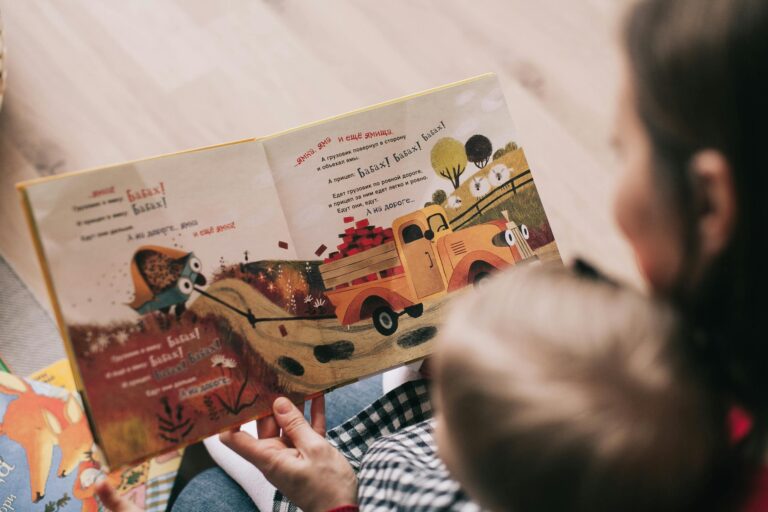
Pat Thomas designs her books for conversation. They’re not meant to be handed to a child and left there. The illustrations prompt questions. The text opens doors. The real work happens in the discussion that follows.
A few things worth keeping in mind when using this book with a child who is shy or introverted.
First, resist the urge to use the book as a teaching moment about why they should be less shy. That’s the opposite of what Thomas intends. The goal is to give the child language for their experience, not to use that language as a lever toward behavior change. “It sounds like this character feels the same way you do sometimes. What does that feel like for you?” is a very different conversation than “See, even this character learned to be less shy.”
Second, examine your own comfort with shyness and introversion before you start. Children are extraordinarily good at reading the emotional subtext beneath what adults say. If you believe, somewhere underneath your careful words, that shyness is a problem to be solved, they’ll feel that. Your own relationship with quietness, with social anxiety, with the need for solitude, will come through. That’s not a reason to avoid the conversation. It’s a reason to have it honestly.
Third, consider what you model. A parent who never takes time alone, who treats every quiet moment as something to fill, who apologizes for needing space, is teaching a child something about solitude regardless of what any book says. Social connectedness matters enormously for wellbeing, as the CDC’s work on social connectedness makes clear. Yet so does the ability to be comfortably alone with yourself. Both are worth modeling.
What Does the Research Say About Shyness and Long-Term Wellbeing?
Shyness in childhood doesn’t automatically predict difficulty in adulthood. Many shy children develop into adults who are thoughtful, empathetic, and socially capable, particularly when they receive early support that validates their experience rather than pathologizing it.
What does create risk is shame. When children internalize the message that their shyness is a character flaw, a sign of weakness, or something that makes them less lovable, the effects can persist. The anxiety becomes layered with self-criticism. Social situations become not just uncomfortable but evidence of inadequacy.
Work published in Frontiers in Psychology has examined how solitude-seeking relates to wellbeing across different personality types, finding that the meaning a person assigns to their alone time matters as much as the time itself. Chosen solitude, framed as restorative and valuable, contributes to wellbeing. Solitude experienced as rejection or failure does the opposite.
That framing piece is exactly what Pat Thomas is working on with young readers. She’s not just describing shyness. She’s offering a way to hold it that doesn’t collapse into shame.
For highly sensitive adults who are still working through these patterns, Psychology Today’s writing on embracing solitude for health offers a useful adult-oriented companion to Thomas’s message. The core argument is the same: solitude, approached intentionally, supports rather than undermines a full life.
There’s also growing attention to the way personality traits interact with social behavior across the lifespan. Research published via PubMed Central has explored how introversion and related traits shape social preferences in ways that are stable and meaningful rather than pathological. Understanding these patterns early, which is what Thomas’s book attempts, can prevent years of unnecessary self-correction.

Why Does Early Emotional Literacy Matter So Much for Introverted Children?
Introverted children often have rich inner lives that they lack the vocabulary to express. They feel things deeply. They process experiences slowly and thoroughly. They notice details that others overlook. Without language for what’s happening inside them, that richness can become isolating.
Books like Pat Thomas’s give children words. “This is what shyness feels like. This is what it does to your body. This is how other people feel it too.” That naming process is powerful. It moves an experience from the realm of the private and shameful into something shared and speakable.
For introverted children who also happen to be highly sensitive, emotional literacy is particularly valuable because their emotional experiences are often more intense and more nuanced than what their peers are feeling. They need more words, not fewer. They need a wider vocabulary for their inner world, not reassurance that the inner world is smaller than it seems.
I think about the adults I’ve worked with over the years who never received that early vocabulary. Talented people who spent enormous energy trying to fit themselves into frameworks that weren’t built for them, who apologized constantly for needing time to think, who mistook their depth for slowness and their sensitivity for weakness. The cost of that misidentification is not trivial. It shows up in careers derailed, relationships strained, and a persistent low-grade exhaustion that comes from performing a version of yourself that doesn’t quite fit.
Pat Thomas is handing children something that many of us had to find on our own, much later. That’s worth taking seriously.
If you’re exploring the broader landscape of how introverts and sensitive people care for themselves and restore their energy, the Solitude, Self-Care and Recharging hub brings together the full range of resources we’ve developed on these themes. Whether you’re a parent looking to support a shy child or an adult still working through your own relationship with quietness, there’s something there for you.
About the Author
Keith Lacy is an introvert who’s learned to embrace his true self later in life. After 20 years in advertising and marketing leadership, including running agencies and managing Fortune 500 accounts, Keith now channels his experience into helping fellow introverts understand their strengths and build fulfilling careers. As an INTJ, he brings analytical depth and authentic perspective to every article, drawing from both professional expertise and personal growth.
Frequently Asked Questions
What is “Shyness, Leave Me Alone” by Pat Thomas about?
“Shyness, Leave Me Alone” is a children’s picture book by Pat Thomas that helps young readers understand and process shyness with compassion and honesty. Rather than framing shyness as a flaw to be corrected, Thomas acknowledges the physical and emotional experience of feeling shy and gives children language for what they’re feeling. The book is part of her “A First Look At” series, which addresses emotionally complex topics for young children in an accessible, validating way.
Is shyness the same as introversion?
No. Shyness and introversion are distinct traits that are frequently confused. Shyness involves fear or anxiety about social evaluation, a concern about being judged negatively by others. Introversion is about energy, specifically the preference for lower-stimulation environments and the tendency to feel drained by extended social interaction. Many introverts are not shy at all, and many shy people are actually extroverts who crave social connection but feel anxious about pursuing it. The overlap exists, but treating the two as identical leads to misunderstanding both.
How can parents use this book without reinforcing shame around shyness?
The most important thing is to approach the book as an invitation to conversation rather than a tool for behavior change. Ask open-ended questions about how the characters feel and whether your child recognizes those feelings. Avoid using the book to push toward being “less shy.” Children pick up on the emotional subtext beneath what adults say, so examining your own assumptions about shyness before the conversation is genuinely useful. The goal is to give the child language and validation, not to use that language as leverage toward a different personality.
What is the difference between healthy solitude and isolation?
Healthy solitude is chosen, intentional, and restorative. It’s time alone that you seek out because you understand it refills your reserves and supports your thinking and emotional processing. Isolation, by contrast, is often avoidance-based, driven by anxiety or the belief that social connection is unavailable or unsafe. The distinction matters because solitude, approached with intention, contributes to wellbeing, while isolation tends to reinforce the fears that drive it. For introverts and highly sensitive people, learning to distinguish between the two is an important part of self-knowledge.
Can adults benefit from children’s books about shyness and introversion?
Yes, in meaningful ways. Many adults carry inner scripts about their quietness, their need for solitude, or their discomfort in social situations that were written in childhood without adequate support or validation. Reading a book like Pat Thomas’s, whether alongside a child or independently, can offer a kind of retroactive repair. You receive the message you didn’t get early on: that your feelings are normal, your pace is acceptable, and your inner world is not a problem to be solved. For introverts who spent years trying to perform extroversion, that message can land with surprising force even decades later.