
My brain refused to cooperate with the traditional career playbook. During my years running agencies and managing Fortune 500 accounts, I watched colleagues thrive in environments that left me simultaneously overstimulated and understimulated. The open office conversations drained my social battery while the repetitive administrative tasks sent my attention spiraling elsewhere. When I later discovered that this particular tension between craving deep focus and struggling with routine tasks had a name, everything clicked into place.
Living with both introversion and ADHD creates a unique professional landscape. Your mind craves novelty and stimulation while your temperament needs quiet and space to recharge. Traditional employment often fails to accommodate either need, let alone both. Side hustles offer something different: the flexibility to design work around how your brain actually functions rather than forcing yourself into structures built for neurotypical extroverts.
According to CHADD’s prevalence data, approximately 15.5 million adults in the United States live with ADHD. Research suggests that 30 to 40 percent of individuals with ADHD identify as introverts, meaning millions of people experience this exact combination. Understanding how to build income streams that work with rather than against this neurological profile can transform your relationship with work entirely.

Why Traditional Employment Often Fails ADHD Introverts
The corporate world assumes everyone processes information and energy the same way. Sit in meetings for hours, switch between tasks on demand, maintain consistent output regardless of interest level. For ADHD introverts, these expectations create a perfect storm of challenges.
What’s your personality type?
Take our free 40-question assessment and get a detailed personality profile with dimension breakdowns, context analysis, and personalised insights.
Discover Your Type8-12 minutes · 40 questions · Free
Psychology Today’s workplace research highlights how ADHD affects executive functioning, creating difficulties with organization, prioritization, and sustained attention on tasks that feel unstimulating. Add introversion’s need for solitude and recovery time after social interactions, and standard office environments become exhausting on multiple levels.
During my agency leadership years, I constantly masked both my introversion and my attention patterns. Client meetings required me to perform enthusiasm while internally calculating how much recovery time I would need afterward. Administrative tasks piled up because my brain refused to engage with them, while creative strategy sessions consumed me so completely that I lost track of hours. The mismatch between what corporate roles demanded and how my brain operated created chronic stress that took years to recognize.
Open floor plans amplify these challenges. Psych Central’s research on ADHD introverts explains how hyperactivity often manifests internally for introverts, creating a constant stream of racing thoughts that external noise makes worse. Where extroverted colleagues might thrive on ambient conversation, ADHD introverts experience it as competing stimulation that fragments already scattered attention.
The issue extends beyond environmental factors. Traditional employment typically rewards consistent output across all tasks rather than the hyperfocused bursts ADHD brains produce when genuinely engaged. Your ability to spend eight hours completely absorbed in a project you find fascinating holds little value when performance reviews emphasize the routine reports you struggled to complete.
The ADHD Introvert Advantage in Side Hustles
What seems like a liability in traditional employment becomes a genuine asset in the right independent work context. Research published in the Brazilian Journal of Psychiatry found that individuals with ADHD show greater entrepreneurial intentions and are more likely to start business ventures. The same impulsivity that causes problems in structured environments fuels decisive action when opportunity appears.
Hyperfocus, that state of complete absorption in interesting tasks, transforms from a scheduling liability into a competitive advantage when you control what you work on. Instead of fighting your brain to complete tedious reports, you direct that intense concentration toward building something you genuinely care about. The depth of focus ADHD enables can produce work quality that more scattered attention simply cannot match.

My transition from agency CEO to independent content work revealed these advantages clearly. Without meeting schedules imposed by others, I could structure my days around my energy patterns. High focus periods went toward creative work. Lower energy times handled administrative tasks in small, manageable chunks. The ability to design my own workflow removed the constant friction of forcing my attention where it refused to go.
Introversion contributes its own strengths to side hustle success. The preference for depth over breadth means ADHD introverts often develop genuine expertise in areas that capture their interest. Where others might spread attention across many surface level connections, introverts build the deep knowledge that commands premium rates and attracts clients seeking specialists rather than generalists. If you have been exploring building your freelance career as an introvert, you already understand how this depth becomes a professional differentiator.
Side Hustle Categories That Match ADHD Introvert Strengths
Not all side hustles suit ADHD introvert neurology equally. The best options share certain characteristics: minimal required synchronous interaction, project based work with clear endpoints, tasks that engage genuine interest, and flexibility in when and how work gets completed.
Creative Production Work
Writing, graphic design, video editing, and similar creative work align naturally with ADHD hyperfocus capabilities. These fields reward intense bursts of productive energy followed by rest periods. A freelance writer can produce an entire article in a hyperfocused session, then step away completely without the continuous presence traditional employment demands.
The asynchronous nature of creative work also protects introvert energy. Client communication happens through email or brief calls rather than constant meetings. You can batch similar tasks together, handling all client correspondence in one focused period rather than interrupting creative flow throughout the day. For those weighing freelancing versus traditional employment, creative fields often offer the most favorable comparison.
Specialization matters significantly here. ADHD brains engage more easily with topics that genuinely interest them. A generalist writer fighting to stay focused on insurance content will struggle far more than a specialized writer who genuinely finds their niche fascinating. The key involves identifying intersections between marketable skills and authentic interest.
Technical and Analytical Services
Web development, data analysis, SEO consulting, and similar technical work offer excellent ADHD introvert fits. These fields reward deep concentration on complex problems. The puzzle solving nature of technical challenges triggers engagement that routine tasks cannot. Many technical professionals describe entering flow states where hours pass unnoticed while debugging code or analyzing data patterns.
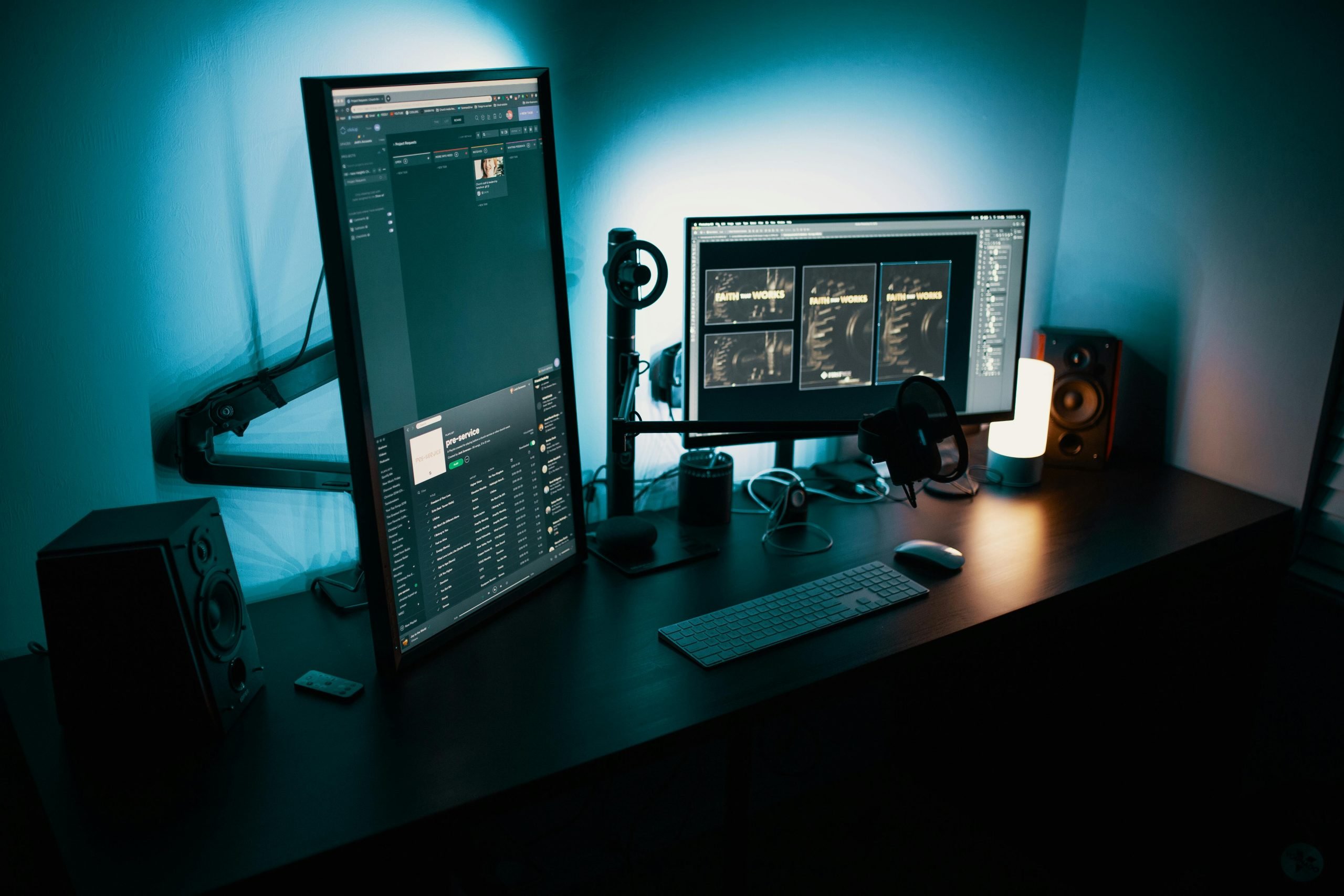
Remote technical work has become increasingly normalized, reducing the social demands these roles might otherwise carry. A web developer can collaborate with clients entirely through project management tools and occasional video calls. The actual work happens in focused solitude, perfectly matching introvert preferences.
My experience managing creative and technical teams taught me that ADHD technical workers often produce brilliant solutions precisely because their brains refuse to accept conventional approaches. The tendency to question existing systems and explore unconventional paths generates innovation that more linear thinkers miss. These strengths command substantial value in freelance markets.
Digital Product Creation
Creating and selling digital products, whether courses, templates, ebooks, or software, offers uniquely favorable characteristics for ADHD introverts. The work involves intense creative phases followed by more passive income periods. You build something once, then it generates revenue repeatedly without requiring your active presence.
This structure accommodates ADHD’s variable energy patterns beautifully. High motivation periods go toward product creation. Lower energy times handle customer service and minor updates. The absence of client deadlines during creation allows you to follow hyperfocus wherever it leads, producing work of quality that rushed timelines prevent.
Understanding the realities of passive income matters here. No income stream remains truly passive indefinitely. Digital products require ongoing marketing, updates, and customer support. However, the ratio of active work to income generation typically improves dramatically compared to trading time directly for money.
Specialized Consulting
Deep expertise in specific areas creates consulting opportunities that play to introvert ADHD strengths. Rather than requiring constant client interaction, specialized consultants often work in focused engagements with defined scopes. You analyze a situation, develop recommendations, present findings, then move to the next engagement.
The variety inherent in consulting work provides the novelty ADHD brains crave. Each client brings different challenges. Each project requires fresh thinking. The stimulation of new problems sustains engagement far better than repetitive internal roles. Building an introvert entrepreneurial approach to consulting can transform your specialized knowledge into substantial income.
Structuring Side Hustle Work for ADHD Success
Choosing the right type of work matters less than how you structure that work around your actual neurological patterns. ADHD management strategies and introvert energy management must both factor into your approach.
Design Around Energy Cycles
Track your energy and attention patterns over several weeks. Note when focus comes easily and when concentration scatters regardless of effort. Most ADHD introverts discover distinct patterns, often with peak creative energy during specific hours that differ significantly from conventional work schedules.
Structure your side hustle work to align with these natural rhythms. Reserve high focus periods for work requiring creativity and deep concentration. Handle administrative tasks, communication, and lower engagement work during energy dips. This simple alignment removes much of the friction that makes traditional employment so exhausting.

My own pattern involves peak creative capacity early morning and late evening with a substantial afternoon dip. Fighting this pattern for years in corporate roles produced constant exhaustion. Accepting it and designing my schedule accordingly transformed productivity while reducing stress dramatically.
Build in Recovery Time
Introvert energy management requires planned solitude. Side hustle work that involves any client interaction, even preferred asynchronous communication, depletes social resources that need replenishing. Schedule recovery periods proactively rather than waiting until exhaustion forces rest.
ADHD adds complexity to recovery needs. After hyperfocused work sessions, brains often require genuine downtime before engaging effectively with new tasks. Attempting to push through this need typically produces diminishing returns and increased errors. Building buffer time between intense work periods protects both quality and wellbeing.
Learning to manage side hustle time alongside full time employment becomes especially important when balancing ADHD and introvert needs. The temptation to fill every available hour with productive work ignores the reality that sustainable output requires genuine rest.
Create External Accountability Systems
ADHD makes internal motivation unreliable, especially for tasks that lack immediate interest. Side hustle work, no matter how well suited to your strengths, still involves necessary but unstimulating components. External accountability provides the structure ADHD brains often need to follow through on commitments.
This might involve working with an accountability partner, using productivity apps with deadline reminders, or structuring client relationships to create natural external pressure. The specific approach matters less than having something outside your own internal motivation pushing toward completion.
Research from the National Institute of Mental Health confirms that approximately one third of children diagnosed with ADHD retain the diagnosis into adulthood, and many develop coping mechanisms that include external structure systems. Building these systems deliberately into your side hustle approach acknowledges how your brain actually works rather than pretending motivation alone will suffice.
Practical Side Hustle Ideas for ADHD Introverts
With framework established, specific opportunities become clearer. These suggestions share characteristics that match ADHD introvert profiles while offering genuine income potential.
Freelance writing allows hyperfocused production of complete pieces with minimal ongoing client interaction. Niches like technical writing, copywriting, and content creation offer entry points at various skill levels. The variety of topics available provides novelty that sustains engagement across projects.
Virtual bookkeeping serves clients who need accurate financial records but prefer minimal meetings. The detail oriented nature of the work suits ADHD hyperfocus capabilities when the numbers tell an interesting story. Many bookkeepers work entirely asynchronously, protecting introvert energy while providing essential services.
Template and digital asset creation produces passive income from products created during motivated periods. Canva templates, Notion systems, spreadsheet tools, and similar digital products sell repeatedly after initial creation. The creative challenge of building something useful engages ADHD attention while introvert preferences guide toward products rather than services.

Proofreading and editing offer focused work on others’ writing without requiring original creation. The detective quality of finding errors engages ADHD pattern recognition while the solitary nature protects introvert needs. Specialization in technical or academic editing commands premium rates.
Online tutoring in specialized subjects connects expertise with students who need guidance. The one on one nature suits introvert preferences for depth over breadth in relationships. Session based scheduling accommodates variable energy patterns better than continuous classroom demands.
Exploring additional side hustle options designed for introverts reveals many more possibilities. The key involves matching specific opportunities with your particular combination of interests, skills, and neurological needs.
Managing the Challenges
Honesty about potential difficulties matters as much as enthusiasm about opportunities. ADHD introverts face specific challenges in independent work that require proactive management.
Time blindness can derail client relationships when deadlines slip without adequate warning. Build substantial buffer time into all estimates. Use multiple reminder systems to surface approaching deadlines before they become emergencies. Communicating proactively about timeline concerns preserves client relationships far better than missed deadlines explained afterward.
Administrative tasks like invoicing, taxes, and record keeping rarely engage ADHD attention, making them easy to neglect until problems emerge. Automate everything possible. Batch remaining administrative work into scheduled sessions with external accountability. Consider outsourcing tasks that consistently fall through cracks despite best intentions.
Marketing and client acquisition often require social energy that introverts prefer conserving. Content marketing, referral systems, and portfolio based attraction methods reduce active outreach needs. Building marketing activities into regular routines prevents the feast or famine cycle that inconsistent client acquisition creates.
Isolation risks increase when combining independent work with introvert preferences for solitude. While alone time provides necessary recovery, excessive isolation can worsen both ADHD and mental health generally. Intentional social connection, even in small doses, maintains balance that pure solitude cannot provide.
Moving Forward Authentically
Building a side hustle that works with your ADHD introvert brain rather than against it requires ongoing experimentation and adjustment. What functions brilliantly for one person may fail completely for another with seemingly identical traits. Your specific combination of interests, skills, energy patterns, and circumstances creates a unique profile that generic advice cannot fully address.
Start small. Test different types of work before committing significant resources. Pay attention to which activities sustain engagement naturally versus which require constant forcing. Let your brain’s genuine responses guide decisions rather than pushing toward options that should work theoretically but drain you practically.
Professional support can accelerate this process substantially. ADHD coaching specifically helps identify patterns and develop strategies tailored to individual neurological profiles. Therapy addresses the emotional components, including shame, frustration, and imposter syndrome that often accumulate from years of struggling in environments poorly suited to how you function.
The goal involves building income streams that energize rather than deplete you. Side hustles that align with ADHD introvert strengths feel less like work and more like getting paid for activities you would choose anyway. That alignment makes sustainable effort possible in ways that fighting your nature never can.
Your brain works differently than most. In traditional employment structures, that difference often becomes a liability. In thoughtfully designed independent work, that same difference becomes a competitive advantage. The side hustle path offers ADHD introverts something corporate environments rarely provide: the freedom to succeed by being exactly who you are.
Explore more Alternative Work and Entrepreneurship resources in our complete Alternative Work Models and Entrepreneurship Hub.
About the Author
Keith Lacy is an introvert who’s learned to embrace his true self later in life. With a background in marketing and a successful career in media and advertising, Keith has worked with some of the world’s biggest brands. As a senior leader in the industry, he has built a wealth of knowledge in marketing strategy. Now, he’s on a mission to educate both introverts and extroverts about the power of introversion and how understanding this personality trait can unlock new levels of productivity, self-awareness, and success.
Frequently Asked Questions
Can you have ADHD and be an introvert at the same time?
Yes, approximately 30 to 40 percent of individuals with ADHD identify as introverts. ADHD symptoms like hyperactivity often manifest internally for introverts as racing thoughts rather than external physical restlessness. The combination creates unique challenges since ADHD craves stimulation while introversion needs recovery time from external stimulation.
What types of side hustles work best for people with both ADHD and introversion?
Side hustles that involve project based creative work, minimal synchronous communication, flexible scheduling, and tasks that engage genuine interest work best. Options like freelance writing, web development, digital product creation, and specialized consulting allow ADHD introverts to leverage hyperfocus while protecting social energy reserves.
How can ADHD introverts manage time effectively in side hustle work?
Building external accountability systems helps overcome ADHD time blindness. This includes using multiple reminder systems, padding estimates with buffer time, scheduling administrative tasks during energy dips, and creating deadlines through client relationships or accountability partners. Aligning work with natural energy patterns rather than conventional schedules improves consistency.
Is hyperfocus an advantage or disadvantage for side hustle work?
Hyperfocus becomes an advantage when you control what you work on and can direct that intense concentration toward valuable activities. In side hustles, hyperfocus enables producing high quality work in compressed timeframes. The key involves choosing work that genuinely engages your interest and structuring projects to accommodate hyperfocus periods followed by necessary rest.
How much can ADHD introverts realistically earn from side hustles?
Earnings vary dramatically based on chosen niche, experience level, time invested, and market conditions. Technical and specialized consulting side hustles often command rates exceeding $50 to $150 per hour. Creative work ranges widely from entry level rates to premium specialist pricing. Digital products can generate passive income that scales independently of time invested after initial creation.